A vet assistant explains how omega-3s (EPA and DHA) support dogs’ skin, coat, joints, and some heart conditions—plus how to dose by weight, read labels, ...
Article
•
Designer Mixes
Idiopathic Alopecia in Older Dogs

Shari Shidate
Designer Mixes contributor
Watching an older dog’s coat thin out can feel a little scary, especially when the hair loss seems to happen without a clear reason. The reassuring news is that many causes of hair loss in senior dogs are manageable once you identify what is driving it. In this overview, I will walk you through what is normal aging, what is not, and what your veterinarian may check so you can move forward with confidence.
Idiopathic alopecia (unexplained hair loss)
In veterinary medicine, idiopathic alopecia is a term we use when a dog has coat thinning or bald patches and we cannot find a specific underlying disease after an appropriate workup. In plain language, it means unexplained hair loss.
That said, idiopathic alopecia is less common than hair loss caused by treatable issues like parasites, allergies, infection, endocrine disease, or medication effects. For older dogs, it is especially important to rule those out first because seniors are more likely to develop hormone-related conditions and chronic skin infections.
Normal aging vs. a medical problem
Changes that can be normal with age
- Gradual coat thinning, especially over the trunk
- More dry, brittle hair and slower regrowth after shaving
- Increased dandruff due to reduced skin oil production
- Graying around the muzzle and face
Changes that should prompt a vet visit
- Sudden hair loss over days to weeks
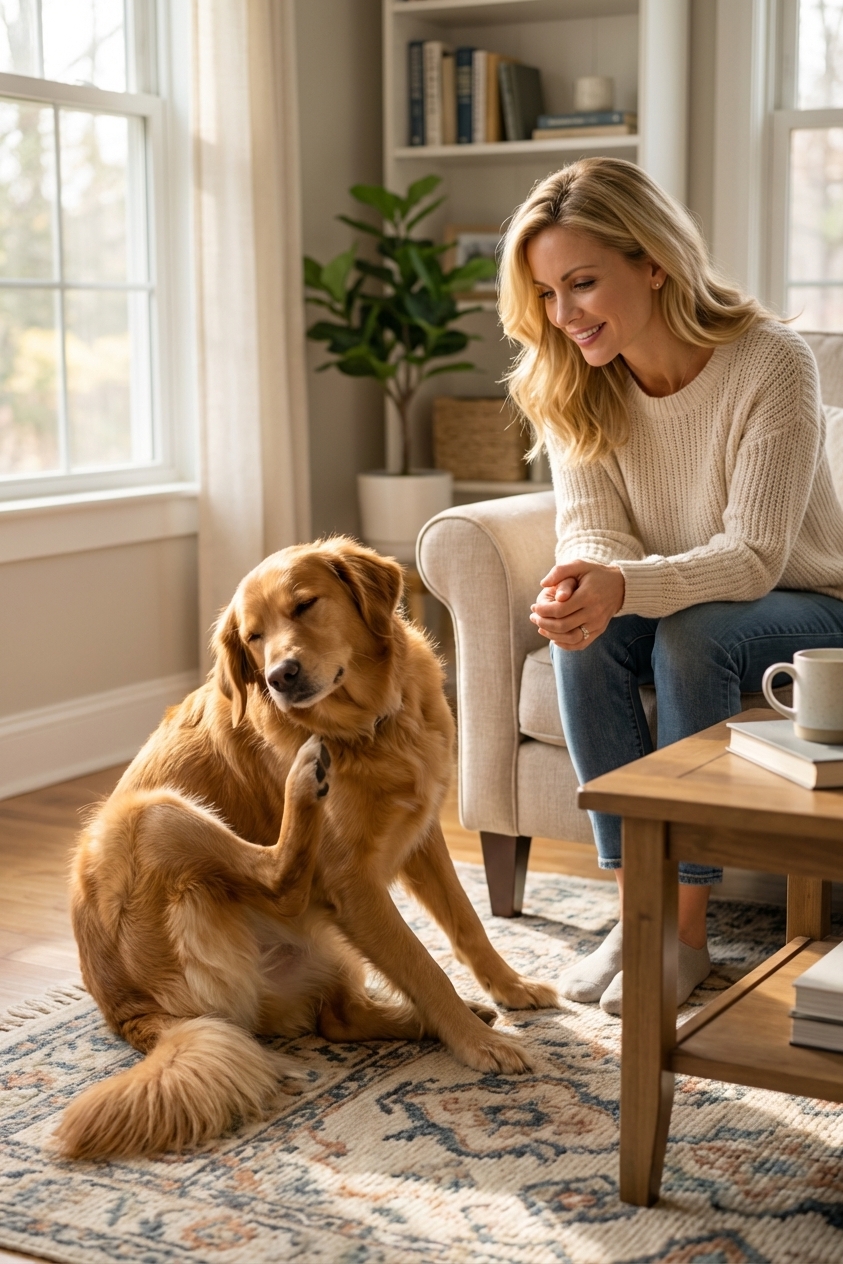
- Itching, licking, chewing, or rubbing
- Redness, odor, greasy skin, scabs, or pustules
- Symmetrical hair loss on both sides of the body
- Hair loss with weight gain, lethargy, increased thirst, or increased urination
- Darkened skin or thick “elephant skin” texture
Common causes in senior dogs
Hair loss is a symptom, not a diagnosis. Here are the most common categories we see in older dogs, from the simple to the more complex.
Parasites
Even well-loved indoor dogs can get parasites. Fleas are still one of the most common triggers for itchy skin in many regions.
- Fleas and flea allergy dermatitis: Often causes hair loss over the rump and tail base, with intense itching.
- Mites (like sarcoptic mange): Can be extremely itchy and contagious to other pets in the household.
- Demodex (demodectic mange): More likely in dogs with immune changes, and seniors can be more vulnerable.
Allergies and inflammatory skin disease
- Environmental allergies (atopy): Often causes licking feet, ear infections, and recurrent skin irritation.
- Food allergy: Can look identical to environmental allergies. It is diagnosed with a strict elimination diet trial, not a blood test.
- Contact irritation: Less common, but can happen from shampoos, cleaners, or grasses.
Skin infections
Older dogs may develop bacterial or yeast overgrowth more easily, especially if allergies are present. These infections can cause odor, redness, thickened skin, and patchy hair loss.
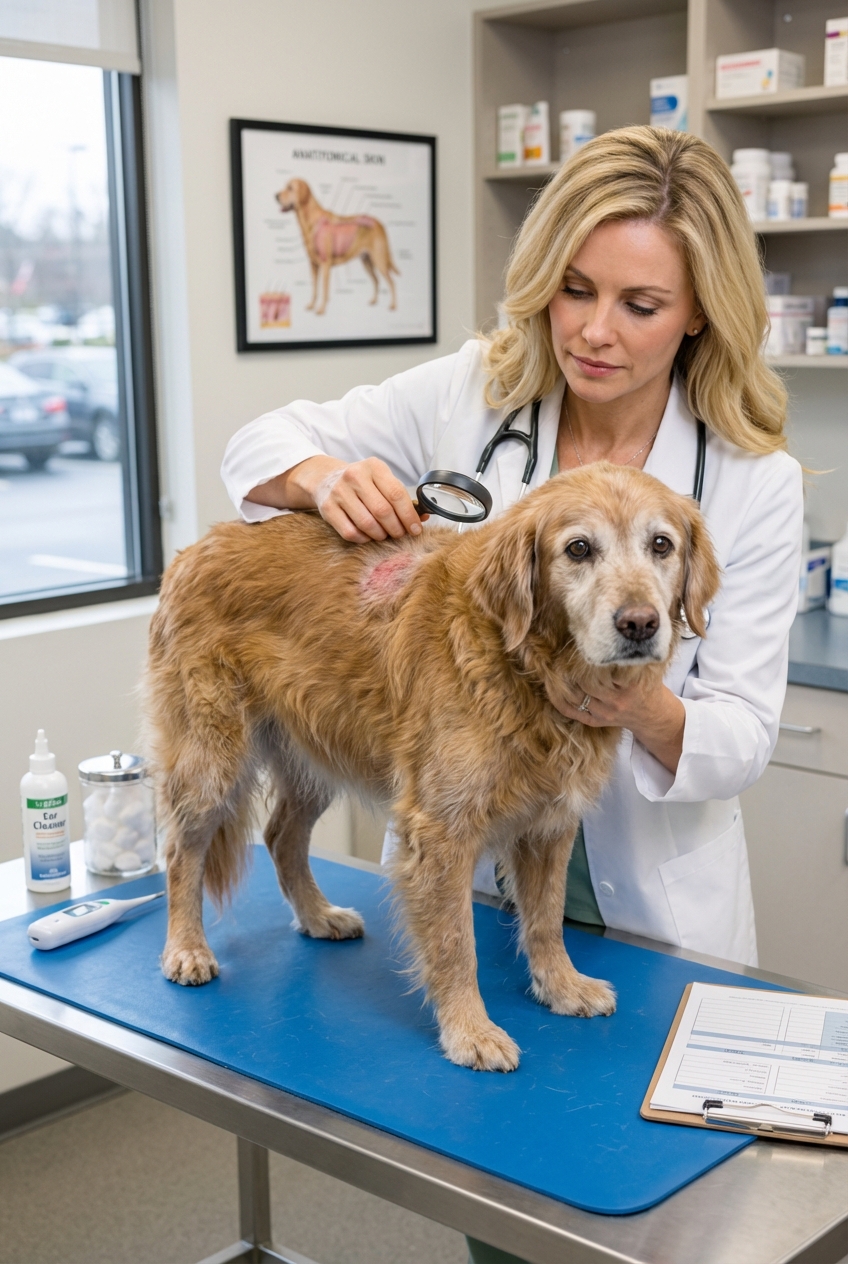
Endocrine and hormone-related conditions
Hormonal problems often cause non-itchy, symmetrical hair loss with other body-wide signs.
- Hypothyroidism: Common in middle-aged to older dogs. Signs can include weight gain, lethargy, recurrent ear and skin infections, and a thin coat.
- Cushing’s disease (hyperadrenocorticism): Often causes thin skin, pot-bellied appearance, increased thirst and urination, panting, and hair thinning.
- Sex hormone imbalances: Less common, but can contribute to coat changes in certain cases.
Pressure points and friction
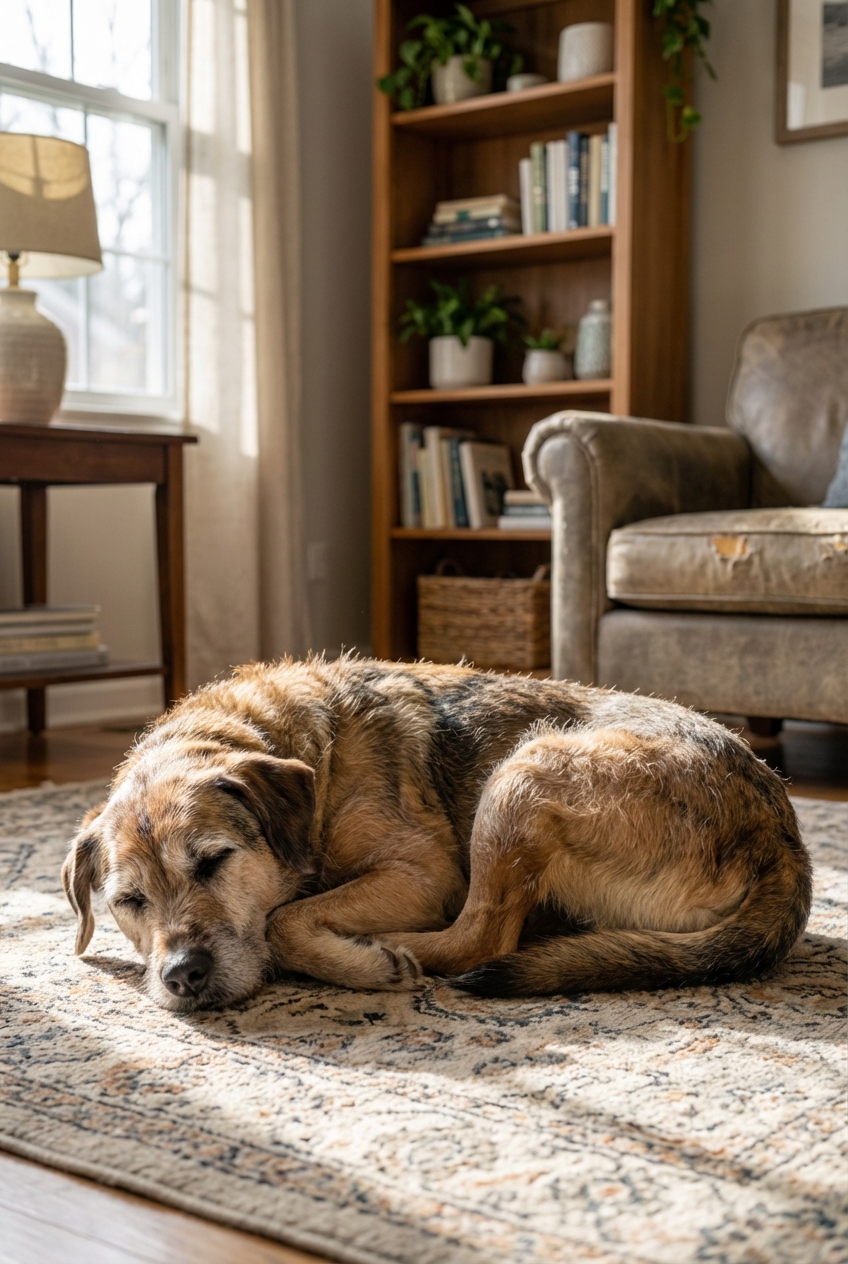
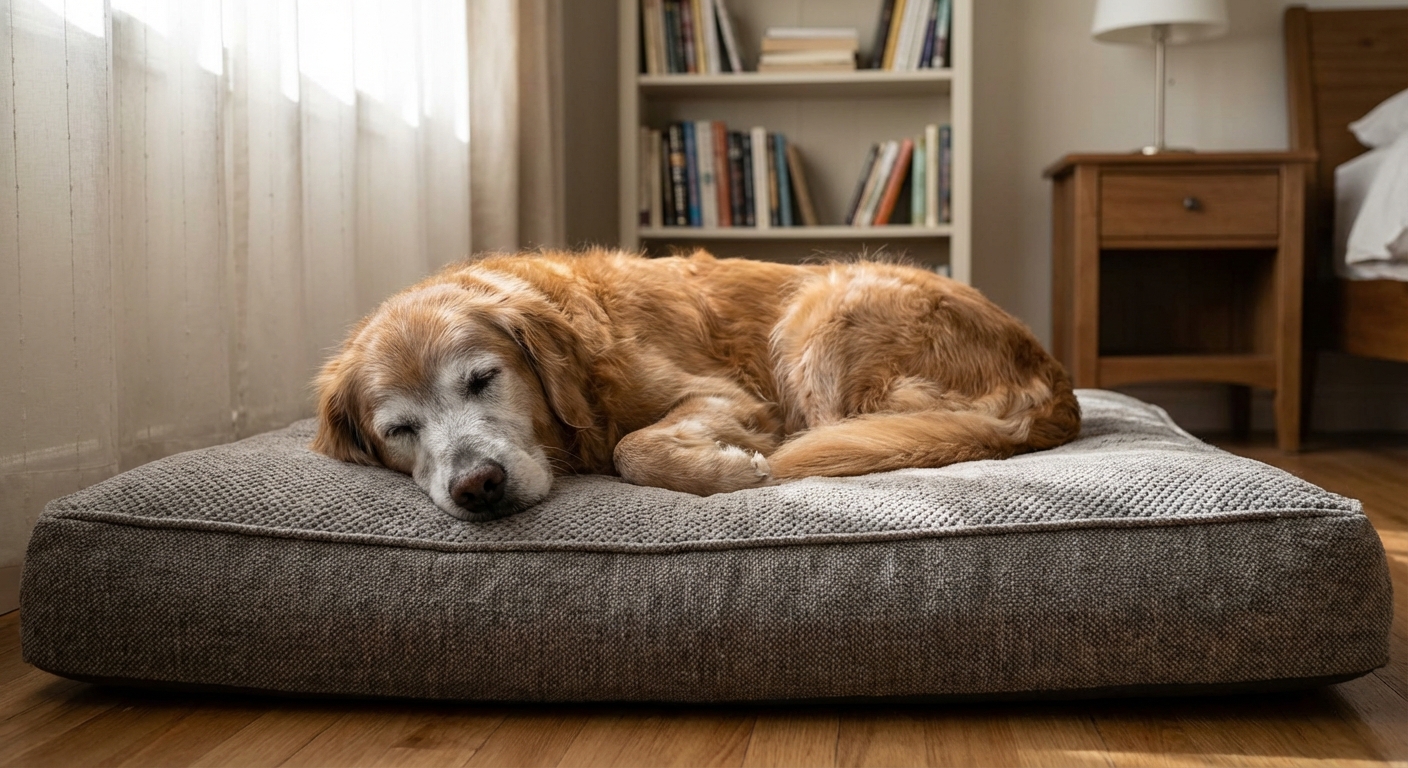
Senior dogs spend more time resting. Hair loss can develop on elbows, hocks, and hips from pressure and friction, especially on hard floors. This can start as thinning and progress to calluses and skin breakdown.
Medication effects and chronic illness
Some medications and chronic conditions can affect coat quality, immune function, or skin barrier health. Your veterinarian will want a full medication list, including supplements.
Breed-related and pattern alopecias
Certain coat patterns and “pattern baldness” can appear with age. Examples include:
- Pattern alopecia (ear pinnae, underside of neck, inner thighs)
- Color dilution alopecia (in some dogs with dilute coat colors)
- Alopecia X (more common in Nordic breeds and Pomeranians)
These conditions are not “dangerous,” but they can mimic medical disease, so a professional evaluation is important.
How vets diagnose hair loss
Because so many issues can look alike, diagnosis usually happens step-by-step. Common tests include:
- Skin cytology: A quick look under the microscope for bacteria and yeast.
- Skin scraping: Helps detect mites.
- Fungal culture or PCR: To rule out ringworm when appropriate.
- Basic bloodwork: Checks organ function and overall health, especially important in seniors.
- Thyroid testing: Often more than one value is needed for clarity.
- Cushing’s screening tests: Such as ACTH stimulation or low-dose dexamethasone suppression, depending on the case.
- Diet trial: For suspected food allergy, typically 8 to 12 weeks of strict elimination.
- Biopsy: Sometimes recommended for unusual cases or when autoimmune disease or cancer is a concern.
If all appropriate tests are normal and the dog is otherwise well, your veterinarian may discuss a working diagnosis of idiopathic alopecia (unexplained hair loss) and focus on comfort and skin support.
What you can do at home
While you schedule an appointment or wait on results, these steps can genuinely help and they are low risk for most dogs.
1) Take notes and photos
- Snap a photo every 1 to 2 weeks in the same lighting.
- Write down itch level (none, mild, moderate, intense).
- Track new foods, treats, grooming products, and medications.
2) Tighten up parasite prevention
Use a veterinarian-recommended flea and tick prevention consistently. Many “mystery” skin cases improve dramatically when parasite control is truly reliable.
3) Support the skin barrier
- Gentle bathing: Use a vet-approved shampoo appropriate for your dog’s skin needs. Avoid frequent bathing unless directed, since it can worsen dryness in some seniors.
- Conditioning sprays or mousse: Helpful for dry, flaky coats between baths, especially if your dog dislikes bathing.
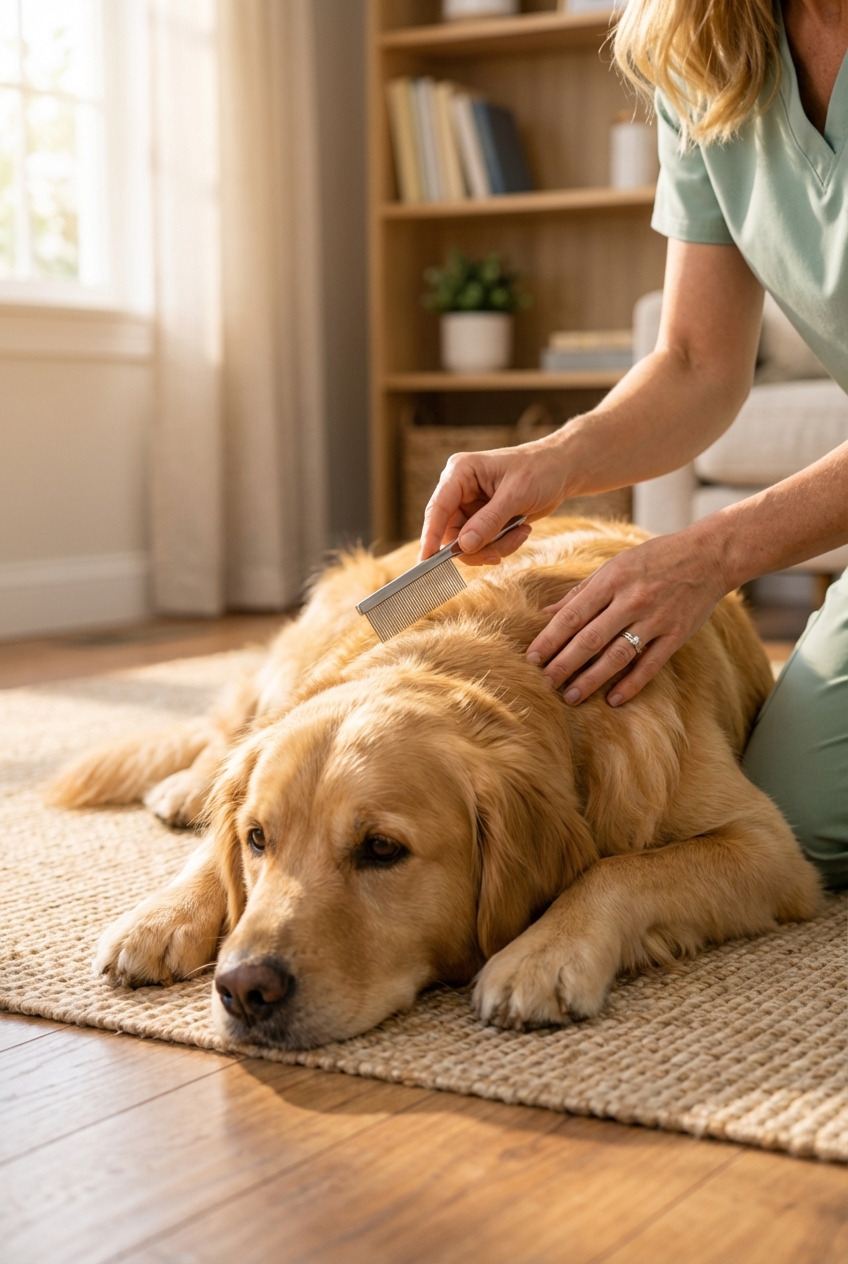
- Brush gently: Regular brushing boosts circulation and removes dead hair and dander.
4) Review nutrition with a senior lens
Coat health is deeply tied to nutrition, especially protein quality, fatty acids, and key micronutrients. For older dogs, appetite changes and dental discomfort can quietly reduce nutrient intake.
- Protein: Make sure your dog is eating a complete, balanced diet with adequate high-quality protein.
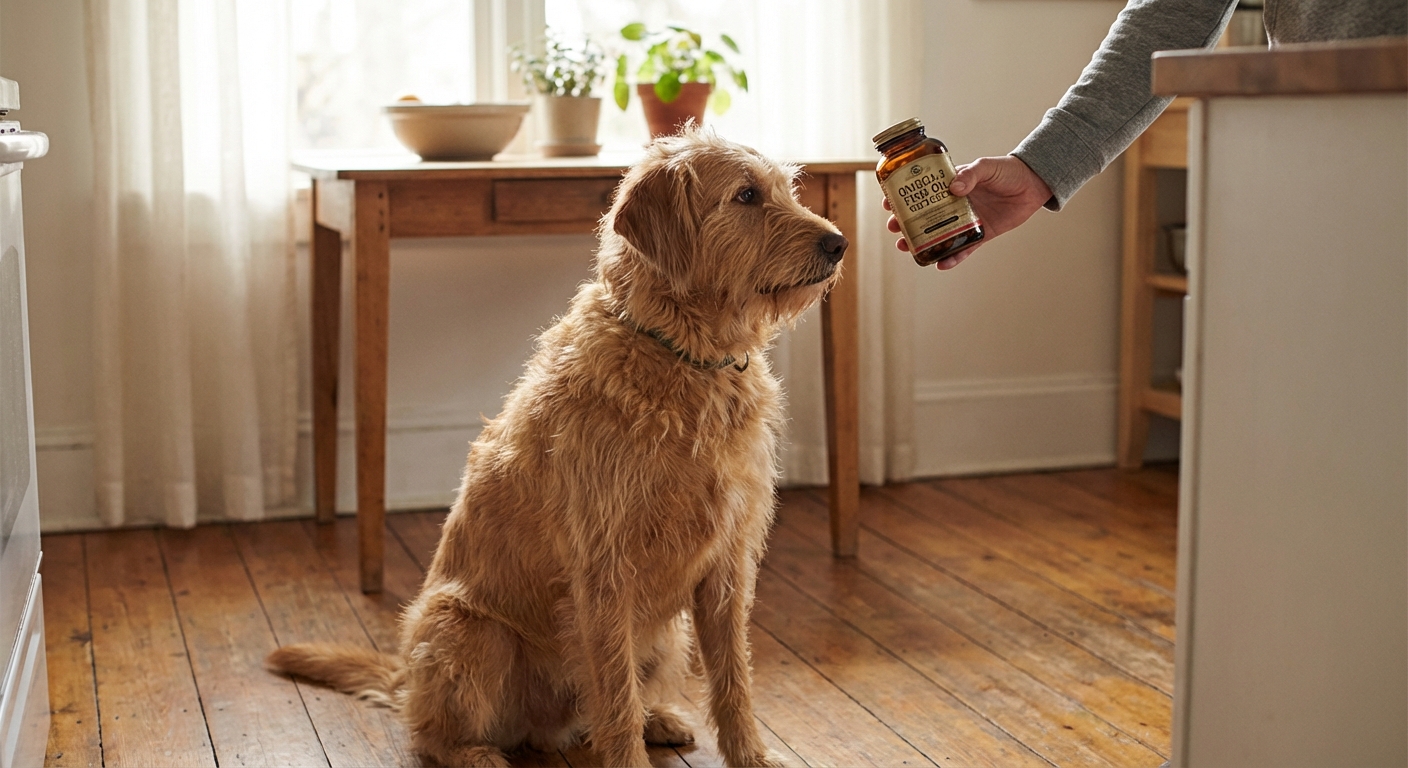
- Omega-3 fatty acids: EPA and DHA from fish oil can support skin inflammation and coat quality. Ask your veterinarian for a dose based on your dog’s weight and any medical conditions.
- Avoid random supplement stacking: Too many supplements can backfire, especially fat-soluble vitamins.
Treatment options
The right plan depends on the cause. Here is what treatment commonly includes once you have answers:
- Parasites: Prescription preventives and possibly household treatment.
- Allergies: Targeted itch control (modern allergy medications, immunotherapy in some cases) plus skin barrier care.
- Infections: Topical therapy, and sometimes oral antibiotics or antifungals, based on cytology.
- Hypothyroidism: Daily thyroid hormone replacement, with follow-up testing.
- Cushing’s disease: Medical management plus regular monitoring.
- Idiopathic alopecia: Focus on comfort, skin health, and realistic expectations. Hair may not fully return, but many dogs do very well when itching and infection are controlled.
When to seek urgent care
Hair loss itself is rarely an emergency, but you should seek urgent care if you notice:
- Rapidly spreading redness, severe pain, or swelling
- Oozing lesions or open sores
- Facial swelling or hives
- Extreme lethargy, collapse, or breathing difficulty
Senior coat care checklist
My favorite approach is simple and steady: protect the skin barrier, prevent parasites, feed for resiliency, and investigate patterns early.
- Keep flea and tick prevention consistent year-round
- Schedule senior wellness exams, including bloodwork as recommended
- Use gentle grooming and avoid harsh products
- Provide soft bedding to reduce pressure-point hair loss
- Talk to your vet before adding supplements, especially fish oil
- Recheck quickly if hair loss becomes itchy, smelly, or widespread
The bottom line
Hair loss in older dogs is common, but it should never be dismissed as “just aging” without a closer look. With a thoughtful workup, many dogs get meaningful relief, and even when the cause is labeled idiopathic (unexplained), you can still improve comfort and coat quality through skin support, parasite prevention, and nutrition.
If you are feeling unsure, that is completely normal. Start with a vet visit, bring photos, and take it one step at a time. Your dog does not need perfection. They just need consistent care and someone paying attention, and you are already doing that.