
Ibuprofen and Dogs: Why It’s Dangerous

As a veterinary assistant here in Frisco, Texas, I have seen the same panic play out more times than I can count: a loving pet parent finds a chewed-up bottle of Advil or Motrin and a dog looking a little too pleased with themselves. If that’s you right now, take a breath and act quickly. Ibuprofen is a common human medication dogs get into, and it’s among the more dangerous ones.
This article explains why ibuprofen is risky, how vets think about “toxic dose” (and why there’s no truly safe dose at home), what combination mistakes make things worse, what to do after an accidental dose, and the safer pain control options your veterinarian can guide you through.
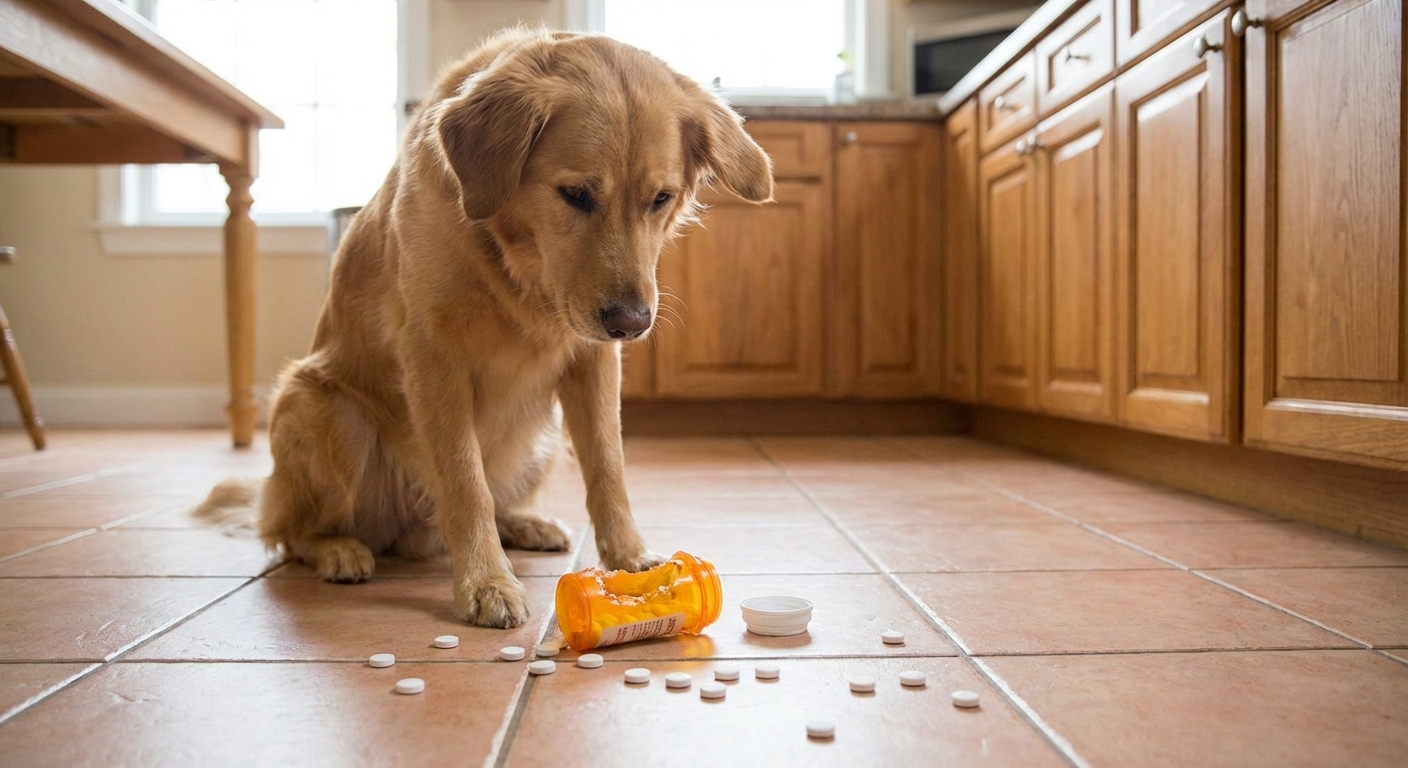
Why ibuprofen is dangerous for dogs
Ibuprofen is a nonsteroidal anti-inflammatory drug (NSAID). In people, it’s a go-to for aches and inflammation. In dogs, it isn’t. Dogs are more sensitive to NSAID side effects, and ibuprofen has a narrow safety margin.
The two big organs at risk: stomach and kidneys
- Stomach and intestines (GI tract): Ibuprofen can reduce protective mucus and blood flow to the stomach lining. That can lead to irritation, ulcers, bleeding, and in severe cases, perforation of the stomach or intestines.
- Kidneys: NSAIDs can decrease blood flow to the kidneys by blocking prostaglandins that help keep kidney circulation stable. When kidney blood flow drops, acute kidney injury can happen, especially if a dog is dehydrated or already has kidney disease.
In higher exposures, ibuprofen can also affect the brain and nervous system (lethargy, incoordination, tremors, seizures, coma). It can also contribute to dangerous whole-body illness as bleeding or kidney failure progresses.
Why ibuprofen is riskier than many people expect
- Over-the-counter doesn’t mean pet-safe. “Regular strength” and “extra strength” tablets are concentrated for humans.
- Some dogs will readily swallow pills. Certain coatings, chewables, or gelcap-style products can make accidental ingestion more likely.
- Even a small number of tablets can be a big dose. Small dogs are at especially high risk.
Toxic dose: no safe DIY math
You might see dosing charts online, but please be careful. Toxicity depends on more than milligrams per pound. A dog’s risk changes with:
- Body size and age
- Hydration status
- Existing kidney, liver, or GI disease
- Whether food was in the stomach
- Whether other NSAIDs or steroids are on board
- Time since ingestion
General toxicology guidance used in veterinary medicine often describes ibuprofen risk in dose ranges. The exact cutoffs can vary by source and patient factors, but the pattern is consistent:
- Lower exposures can still cause vomiting, diarrhea, appetite loss, and stomach irritation.
- Moderate exposures raise concern for stomach ulcers and bleeding.
- Higher exposures increase the risk of kidney injury and neurologic signs like tremors or seizures.
Because the margin of safety is tight, veterinarians treat any suspected ibuprofen ingestion as urgent. In practice, we focus less on “Is this toxic?” and more on “How quickly can we prevent absorption and protect the stomach and kidneys?”
Timing matters. In many cases, minutes to a couple of hours can make a real difference in what your vet can do to reduce absorption and lower the risk of serious complications.
If your dog swallowed any ibuprofen and you aren’t 100% sure of the amount, assume it’s an emergency until a veterinarian or poison control professional tells you otherwise.

Mistakes that make it worse
When you’re scared and your dog’s hurting, it’s easy to reach for what helps you. These are the big “please don’t” moments we see around ibuprofen and other pain medications.
1) Combining NSAIDs
Don’t give ibuprofen with other NSAIDs, including:
- Aspirin
- Naproxen (Aleve)
- Dog-prescribed NSAIDs such as carprofen, deracoxib, firocoxib, meloxicam, or robenacoxib
Stacking NSAIDs dramatically increases the chance of GI ulcers and kidney injury.
2) Mixing NSAIDs with steroids
Never combine an NSAID with a steroid unless your veterinarian explicitly directs you. Steroids include:
- Prednisone or prednisolone
- Dexamethasone
- Triamcinolone
NSAID plus steroid is a classic recipe for severe GI ulceration.
3) Using multi-symptom products
Many combination human products contain other ingredients that are dangerous for dogs, such as decongestants or acetaminophen. This is one reason we prefer you bring the packaging to the vet. It helps us identify every active ingredient.
4) Waiting for symptoms
Ulcers and kidney injury can develop after a delay. A dog can seem fine at first, then become very sick later. GI ulcers may show up within roughly 12 to 24 hours, and kidney changes can develop over about 24 to 72 hours. Early decontamination and protectant medications work best when started quickly.
Signs of ibuprofen poisoning
Symptoms can begin within hours, but some complications develop later. Watch for:
- Vomiting or dry heaving
- Diarrhea, sometimes dark or tarry (digested blood)
- Drooling, lip smacking, nausea
- Refusing food
- Abdominal pain, hunched posture
- Lethargy, weakness
- Pale gums (possible blood loss)
- Increased thirst or urination, or decreased urination
- Wobbliness, tremors, seizures (more severe exposures)
If you see blood, black stool, collapse, seizures, or severe weakness, treat it as an emergency right now.
What to do if your dog ate ibuprofen
Here’s the best evidence-based action plan.
Step 1: Stop access and collect info
- Take the bottle away and prevent more ingestion.
- Write down the exact product name, tablet strength (mg), and whether it was ibuprofen alone or a combination product.
- Estimate how many tablets are missing and when the ingestion could have happened.
- Write down your dog’s current weight (or your best estimate).
- Take a clear photo of the front and back label, including inactive ingredients if listed.
Step 2: Call a professional now
Contact your veterinarian, an emergency veterinary hospital, or a pet poison hotline. In the US, two common options are the ASPCA Animal Poison Control Center and Pet Poison Helpline. If you call a poison hotline, they may give you a case number your veterinarian can use to coordinate care.
Step 3: Don’t induce vomiting unless told to
Inducing vomiting can be helpful in some cases, but it depends on timing and your dog’s condition. It can be dangerous if your dog’s drowsy, having tremors, struggling to breathe, or if too much time has passed. Please don’t give hydrogen peroxide unless a veterinarian specifically instructs you.
Step 4: Don’t try home stomach fixes
Human antacids or stomach products might complicate the treatment plan, affect medication timing, or interfere with decontamination choices in some situations. The safest move is to head to a vet and let them choose the right protectants and doses.
What the vet may do
Treatment depends on dose, timing, and your dog’s risk factors. Common veterinary steps include:
- Decontamination: induce vomiting if appropriate, then activated charcoal in select cases.
- GI protection: medications that reduce acid and protect ulcer-prone tissue.
- IV fluids: to support kidney perfusion and hydration.
- Lab work: kidney values, electrolytes, red blood cell count, and sometimes repeat tests over 24 to 72 hours.
- Hospitalization: for monitoring and supportive care if the exposure is significant or signs are present.
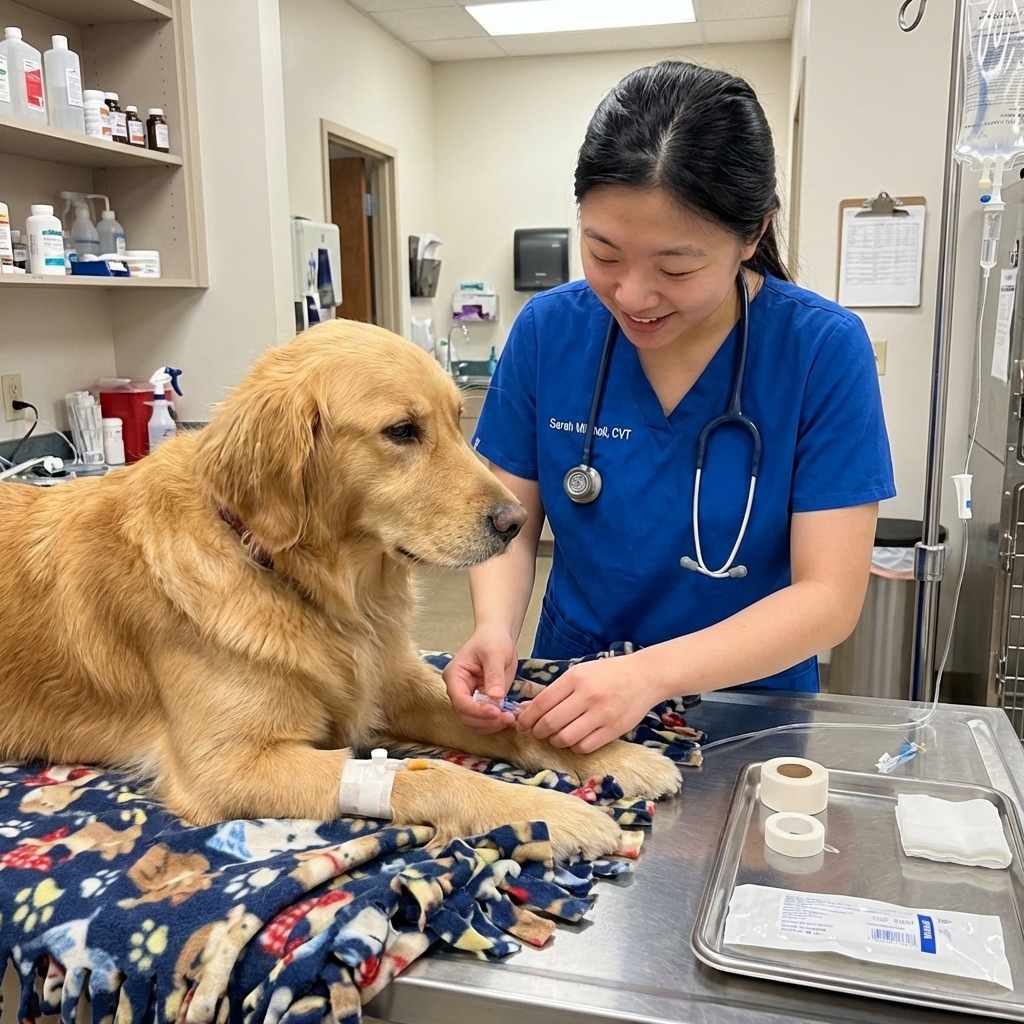
Safer pain options (vet-directed)
If your dog’s painful, you deserve answers and your dog deserves relief. The key is using medications that are tested for dogs and prescribed with your dog’s health history in mind. Options your veterinarian may consider include:
Dog-specific NSAIDs
These are formulated and dosed for dogs, and your vet will choose based on your dog’s needs and risk factors. Examples include:
- Carprofen
- Deracoxib
- Firocoxib
- Meloxicam
Even these aren’t “casual” medications. They still require correct dosing and monitoring, especially for older dogs or those with kidney, liver, or GI concerns.
Non-NSAID prescription pain relief
Depending on the type of pain (injury pain versus nerve pain, for example), your vet may use:
- Gabapentin for nerve-related pain and comfort support
- Tramadol in select cases, often as an add-on, since pain control results can be variable in dogs
- Other prescription options or injectable pain medications for acute injuries or post-op pain
Joint and mobility support
For arthritis and long-term discomfort, many dogs do best with a layered plan:
- Weight management and low-impact exercise
- Physical therapy, underwater treadmill, or guided strengthening
- Prescription joint support therapies and veterinarian-recommended supplements
- Targeted treatments like injections when appropriate
Comfort measures you can do today
- Rest and restrict activity if an injury is suspected
- Use a sling or harness support for wobbly back legs
- Soft bedding and a warm, quiet space
- Cold packs for the first 24 hours after a minor strain, only if tolerated and protected by a cloth barrier
If your dog is suddenly painful without an obvious cause, avoid home medicating and schedule a veterinary exam. Pain is a symptom, not a diagnosis.
Ibuprofen vs aspirin
If you’ve read about aspirin for dogs, it can be a confusing comparison. Here’s the simple contrast:
- Aspirin is an NSAID that veterinarians occasionally use in very specific situations, with strict dosing and clear precautions.
- Ibuprofen isn’t a dog medication and is more likely to cause serious GI and kidney injury at relatively small exposures.
Even when aspirin is used, it still carries real ulcer and bleeding risk, and it isn’t an over-the-counter substitute. It should only be given if your veterinarian tells you to.
Prevention
Most ibuprofen emergencies are preventable. A few practical habits make a huge difference:
- Store all medications in a closed cabinet, not a purse, backpack, or bedside table.
- Use childproof containers, but remember many dogs can chew through plastic.
- Pick up dropped pills immediately and re-count if you’re unsure.
- Warn visitors about leaving medications in bags on the floor.
And if your dog’s a known counter-surfer or “trash treasure hunter,” consider a lidded bin and a quick home scan after guests leave.
When in doubt, act fast
If you’re reading this because something just happened, here’s the clearest takeaway: ibuprofen and dogs don’t mix. Quick action can prevent ulcers, kidney injury, and a very scary hospital stay.
Before you call your vet, emergency clinic, or poison control, grab a pen (or your Notes app) and write down: your dog’s weight, the product name and strength in mg, how many tablets might be missing, and the earliest time your dog could’ve eaten them. Having that information ready helps professionals guide you faster.