Worried about chronic vomiting or diarrhea in your cat? Learn IBS vs IBD, key symptoms, what conditions mimic it, vet diagnostics, diet trials, B12, and trea...
Article
•
Designer Mixes
IBS in Cats Symptoms

Shari Shidate
Designer Mixes contributor
When people say a cat has “IBS,” they are usually talking about long-term, recurring digestive upset. In everyday clinic conversations, IBS is often used as a catch-all phrase for chronic diarrhea, vomiting, gassiness, or appetite changes. But here is the important nuance: true IBS (irritable bowel syndrome) is thought to be uncommon in cats and can be a controversial label. Many cats with “IBS-like” signs actually have IBD (inflammatory bowel disease), food intolerance, parasites, pancreatitis, hyperthyroidism, or other medical problems that look very similar.
As a veterinary assistant, I want you to feel empowered, not overwhelmed. This guide walks you through common symptoms to watch for, what counts as a red flag, and what your veterinarian will likely recommend to get real answers.
What “IBS” means in cats
In humans, IBS is a functional GI disorder, meaning symptoms happen without obvious structural disease. In cats, veterinarians tend to be cautious with the IBS label because cats with chronic GI signs often have an underlying cause we can identify, especially diet-related disease, parasites, or chronic inflammation.
You may hear your vet use terms like:
- Chronic enteropathy (long-term intestinal upset)
- Food-responsive disease (symptoms improve on a specific diet)
- Dysbiosis (an imbalance in gut bacteria that may contribute to diarrhea and may or may not involve antibiotics)
- IBD (often suspected based on history, bloodwork, ultrasound, and response to treatment; confirmed with intestinal biopsy)
Even if the label is still being sorted out, the symptoms and next steps for your cat matter most.
Common IBS-like symptoms in cats
Cats are masters at hiding illness, so subtle patterns are often more telling than a single “bad day.” If your cat has any of the symptoms below that are recurring or persistent, it is worth discussing with your veterinarian.
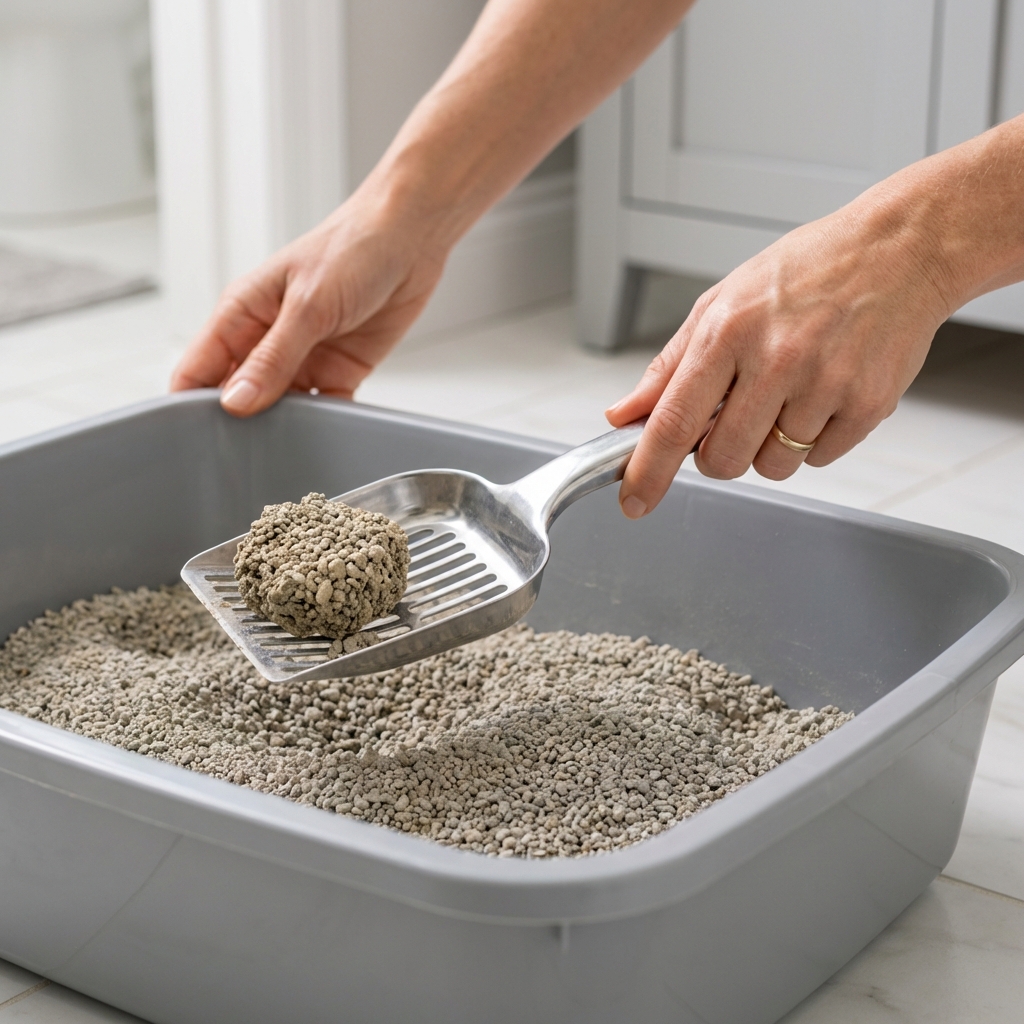
Chronic or recurring diarrhea
- Soft stool that lasts more than a few days
- Watery diarrhea or frequent loose stools
- Mucus on stool
- Urgency or accidents outside the litter box
Tip from the clinic: bring a photo of the stool and note how long it has been happening. That “timeline” is incredibly helpful.
Small-bowel vs large-bowel patterns
Owners often ask what “type” of diarrhea their cat has. You cannot diagnose at home, but these patterns can help your vet narrow the list:
- Small-bowel diarrhea: larger volume, fewer trips, weight loss more likely, sometimes vomiting
- Large-bowel diarrhea: frequent small stools, mucus, straining, urgency, occasional bright red blood from irritation
If your cat is straining, do not assume it is “just diarrhea” or constipation. Cats straining to urinate can look very similar, and urinary blockage is an emergency.
Vomiting that becomes a pattern
An occasional hairball is common, but vomiting that repeats can be a sign of chronic GI disease. As a general rule of thumb, it is worth calling your vet if vomiting is happening regularly, even if your cat seems fine in between.
- Vomiting more than once a week or in clusters
- Vomiting with weight loss or appetite changes
- Vomiting that includes bile or foam frequently
Many cats with intestinal inflammation, food intolerance, parasites, or pancreatitis vomit intermittently. That is why persistent vomiting should not be brushed off as “just hairballs.”
Weight loss or poor body condition
Weight loss is one of the biggest reasons we push for a proper workup. Cats can lose weight even while still eating, especially with malabsorption or increased metabolic disease.
- Visible spine or hip bones
- Muscle loss along the back
- Decline in grooming and coat quality
Appetite and behavior changes
- Decreased appetite, picky eating, or “sniff and walk away” behavior
- Increased appetite but still losing weight (needs medical evaluation)
- Hiding, irritability, or reduced activity
Abdominal discomfort
Cats do not always show pain clearly, but watch for:
- Hunched posture
- Reluctance to be picked up
- Growling or moving away when belly is touched
- Restlessness or frequent position changes
Gas, bloating, and noisy digestion
Some cats with food intolerance or intestinal upset have increased gas or audible gut sounds. This is not diagnostic by itself, but it can be part of the overall picture.
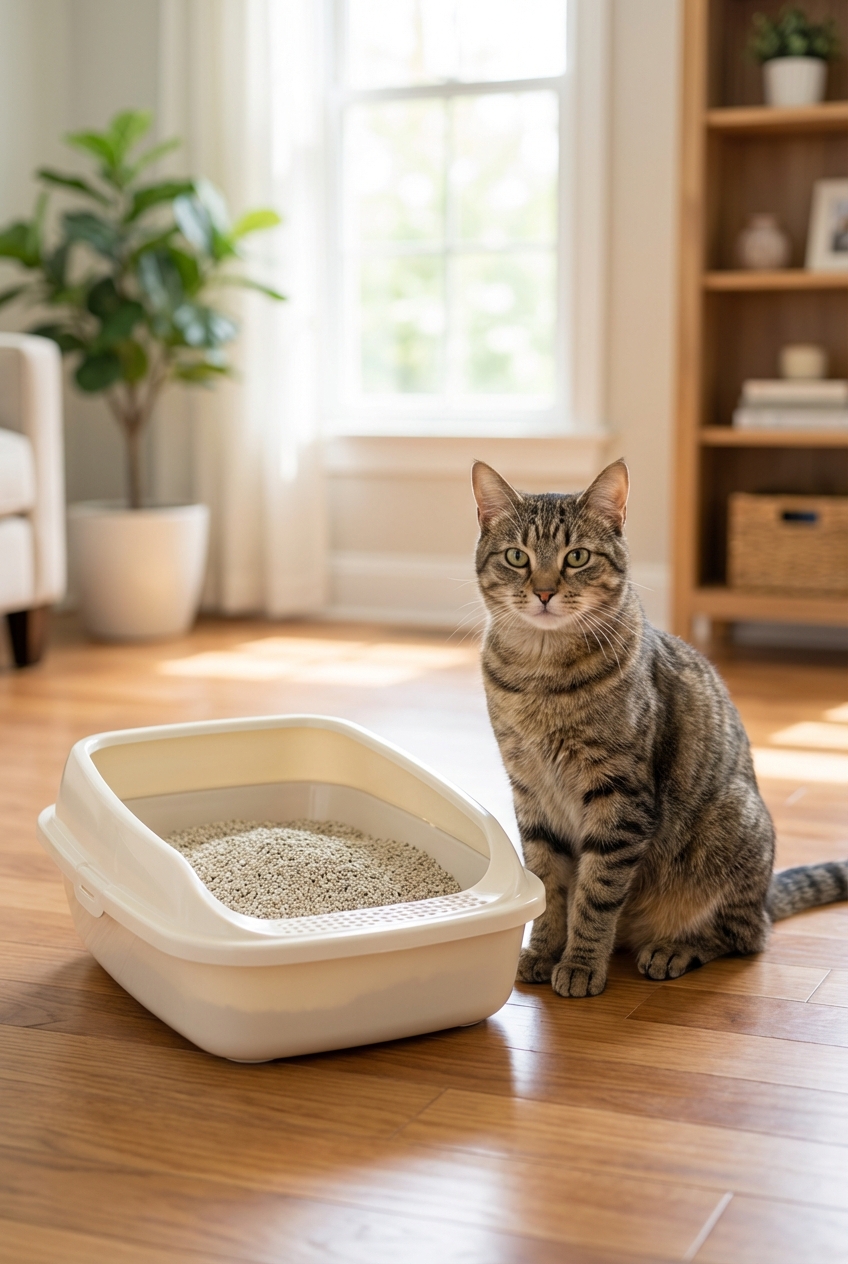
Litter box and stool habit changes
- More frequent trips to the box with small amounts of stool
- Straining (can also indicate constipation or urinary issues, so do not guess)
- Stool outside the box due to urgency or discomfort
IBS vs IBD vs food intolerance
Here is the tricky part: IBS-like symptoms do not point to one single diagnosis. In cats, recurring GI signs are commonly caused by conditions that require different treatment plans.
- Food intolerance or food allergy: GI upset that improves with a targeted diet trial.
- IBD: chronic inflammation in the stomach or intestines. Your vet may suspect it based on tests and response to treatment, but biopsy is needed to confirm.
- Parasites: even indoor cats can be exposed. Common culprits include Giardia, roundworms, and (especially in young or multi-cat homes) Tritrichomonas foetus.
- Pancreatitis: can cause vomiting, poor appetite, and abdominal pain.
- Hyperthyroidism (especially in older cats): weight loss, vomiting, diarrhea, increased appetite.
- GI lymphoma: can mimic IBD, which is one reason chronic symptoms and weight loss deserve careful investigation.
Because the symptom lists overlap so much, the safest approach is to treat “IBS” as a starting point for investigation, not a final answer.
Red flags
Please seek veterinary care right away if you see any of the following:
- Blood in stool (bright red or dark, tarry stool)
- Repeated vomiting in a short window, or inability to keep water down
- Lethargy, collapse, or significant weakness
- Dehydration (tacky gums, sunken eyes, poor skin elasticity)
- Rapid weight loss or refusing food for a day or more (especially in overweight cats due to risk of hepatic lipidosis, which can develop after 24 to 48 hours of poor intake in some cats)
- Straining with little output (could be constipation or a urinary emergency)
- Abdominal distension or severe pain
If you are unsure, it is always okay to call your clinic and describe what you are seeing. We would much rather talk it through early than see your cat when they are significantly worse.
What your vet may do
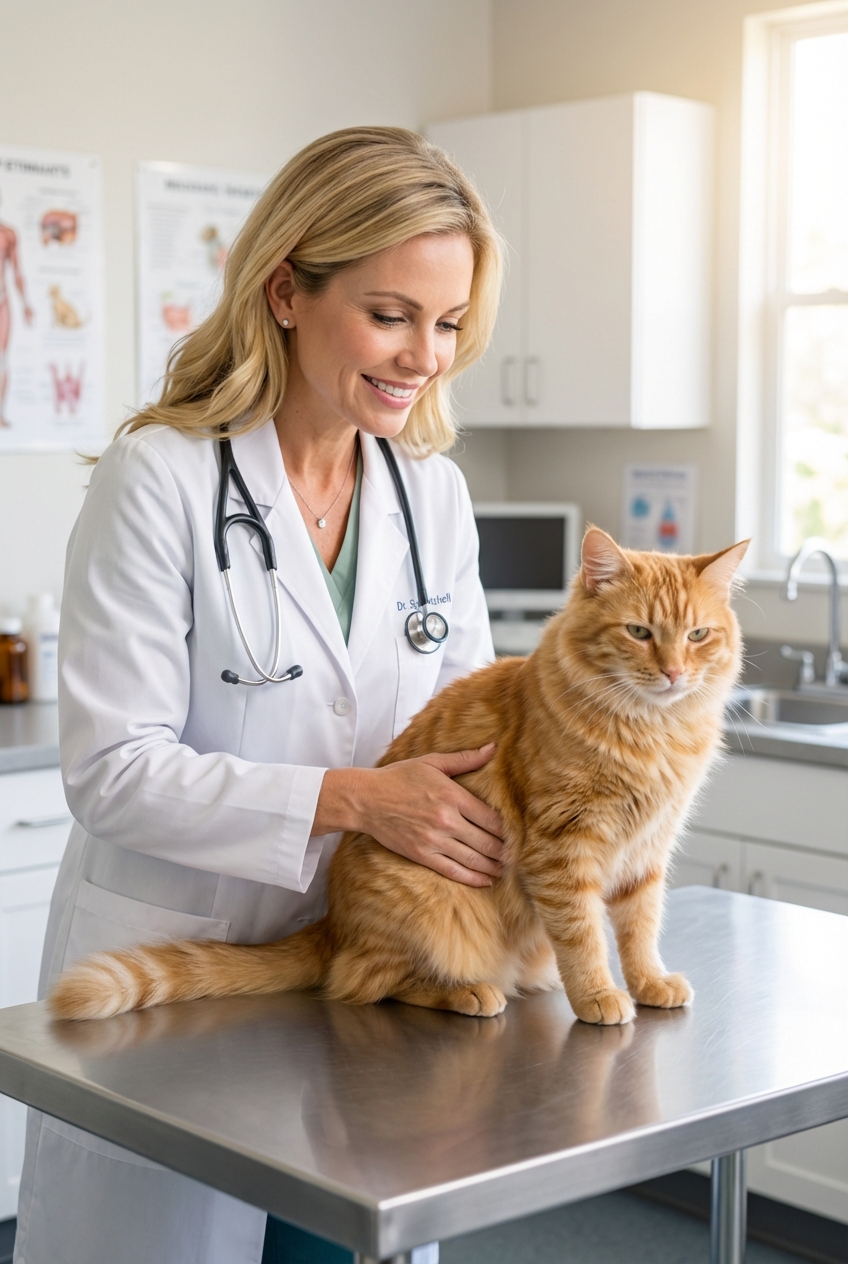
To get beyond a general “IBS” label, veterinarians typically use a stepwise approach. This may include:
History and exam
- How long symptoms have been present
- Diet details including treats, flavored meds, and table foods
- Indoor versus outdoor status
- Weight trend over time
Basic testing
- Fecal testing for parasites and protozoa (and sometimes repeat samples, because parasites can be intermittent shedders)
- Bloodwork to assess organ function, inflammation clues, and thyroid levels (often in older cats)
- Urinalysis to evaluate overall health and hydration
GI-focused testing
- Abdominal ultrasound to evaluate intestinal thickness, lymph nodes, liver, and pancreas
- B12 (cobalamin) and folate levels, since low B12 is common with chronic intestinal disease
- Pancreatic testing when pancreatitis is suspected
Diet trials
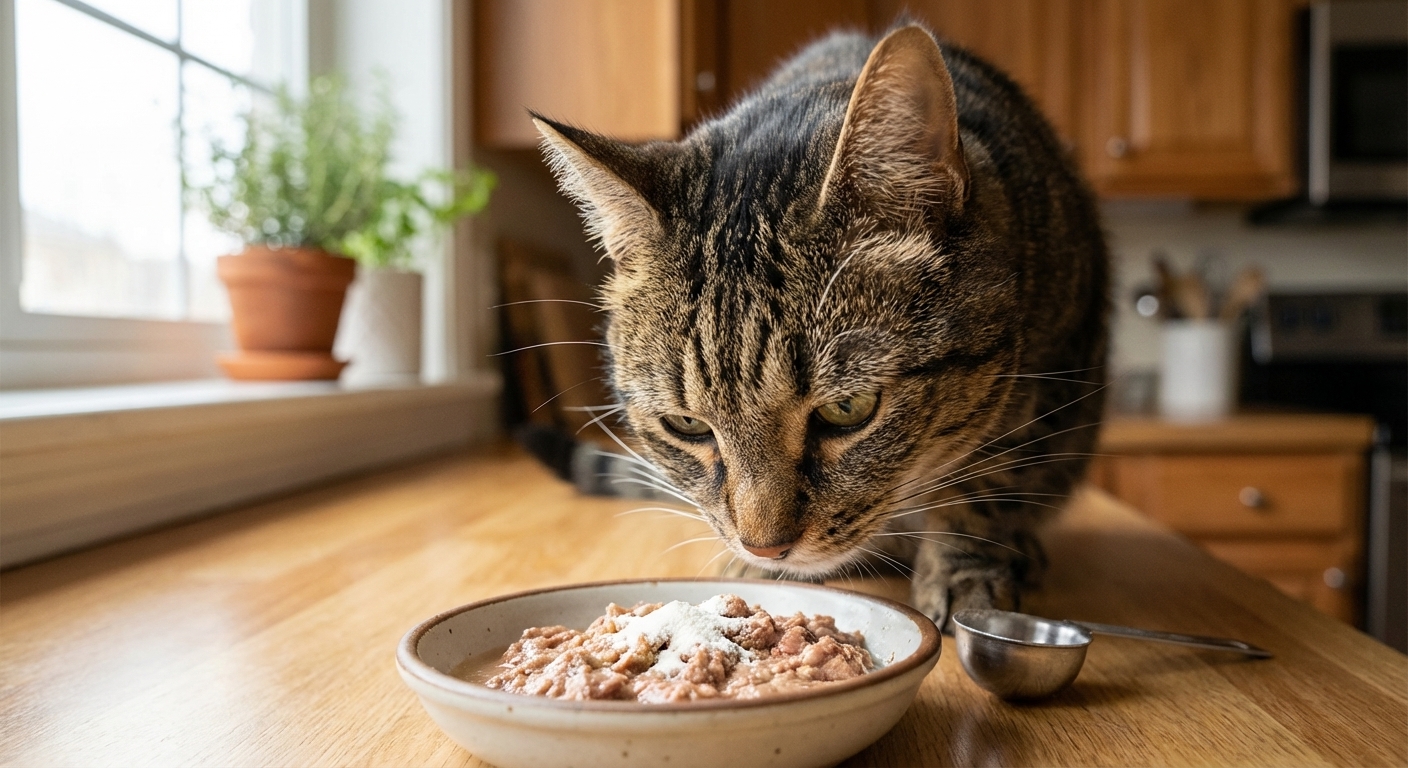
Many cats benefit from a structured diet trial using a veterinary hydrolyzed protein diet or a novel protein diet. A typical trial is 6 to 8 weeks. The key is consistency, meaning no flavored treats, no table food, and treats must match the trial diet (or be vet-approved).
About antibiotics
If your vet suspects dysbiosis or a specific infection, antibiotics may be discussed. In many cats, antibiotics are not the default for chronic diarrhea and should only be used under veterinary direction, with a clear reason and follow-up plan.
Biopsy when needed
If symptoms are severe, persistent, or accompanied by weight loss, your vet may discuss endoscopy or surgical biopsy. This is how we can distinguish IBD from other causes such as lymphoma.
What happens after diagnosis
Once your vet identifies the most likely driver, treatment usually falls into a few common buckets:
- Diet management: long-term diet consistency, limited ingredients, hydrolyzed or novel protein diets
- Deworming or anti-protozoal treatment: based on fecal testing and risk
- B12 supplementation: often recommended when levels are low or borderline
- Anti-nausea or appetite support: to help cats keep food down and avoid dangerous fasting
- Anti-inflammatory or immune-modulating meds: sometimes used for confirmed or strongly suspected IBD
- Supportive care: fluids, probiotics your vet trusts, and symptom control while the root cause is addressed
Your cat’s plan should be individualized. Two cats can look identical at home and need totally different treatment once the testing results come back.
What you can do at home
While you are waiting for your appointment, these steps can make your observations more useful and help protect your cat:
Track the essentials for 7 to 14 days
- Stool consistency and frequency
- Vomiting frequency and what it looks like
- Appetite and water intake
- Weight if you can safely weigh your cat
- Any diet changes, new treats, or flavored medications
Do not change everything at once
It is tempting to swap foods quickly when your cat has diarrhea or vomiting, but frequent diet changes can keep the GI tract irritated. If your cat is stable and eating, talk to your vet before making major changes.
Hydration matters
Offer multiple fresh water stations and consider a cat water fountain. If your cat is vomiting repeatedly or has watery diarrhea, dehydration can become a real concern fast.
A gentle note on probiotics and supplements
Some cats do well with veterinarian-approved probiotics, but not all products are created equal, and some GI cases require targeted medication. If you want to try a probiotic, ask your clinic for a recommendation that is appropriate for cats.
FAQ
Is IBS in cats curable?
If the signs are from true IBS, management often focuses on stress reduction, diet consistency, and supportive care. If the signs are from IBD, food intolerance, parasites, or another condition, treatment depends on the cause. Many cats do very well long-term once the correct driver is identified.
Can stress cause IBS-like symptoms in cats?
Yes. Stress can contribute to GI upset, especially in sensitive cats. New pets, a move, a litter box conflict, construction noise, or changes in routine can all play a role. Stress alone should not be assumed as the only cause, especially if weight loss or frequent vomiting is present.
Is blood in the stool ever “normal” with IBS?
Blood is a sign to take seriously. Small streaks of bright red blood can happen with irritation of the lower bowel, but it still warrants a veterinary call to rule out parasites, inflammation, infection, or other issues.
The bottom line
“IBS in cats” is often used to describe a cluster of symptoms, but in many cats, those symptoms have an identifiable cause that deserves a proper workup. If your cat has ongoing diarrhea, repeated vomiting, appetite changes, or weight loss, you are not overreacting by scheduling a visit. You are advocating for your cat in exactly the right way.
If you want, bring your symptom notes and a stool photo to the appointment. Those small details can speed up answers and help your vet tailor the next steps.
Quick note: Online information cannot diagnose your cat or replace an exam. If you are worried, call your veterinarian.