
Hypothyroidism in Cats: Signs, Testing, and Treatment

If you have ever searched “thyroid problems in cats,” you probably noticed that most articles focus on hyperthyroidism. That makes sense because hyperthyroidism is one of the most common hormone disorders in older cats.
Hypothyroidism, on the other hand, is rare in cats. It does happen, but it is far less common than in dogs. The tricky part is that when it does occur, the signs can be subtle and can look like many other problems, including normal aging, kidney disease, pain, or a cat simply slowing down.
Let’s walk through what feline hypothyroidism is, what signs to watch for, how veterinarians test for it, and how it differs from hyperthyroidism. Most importantly, we will cover why “trying” thyroid meds or supplements at home is not safe.
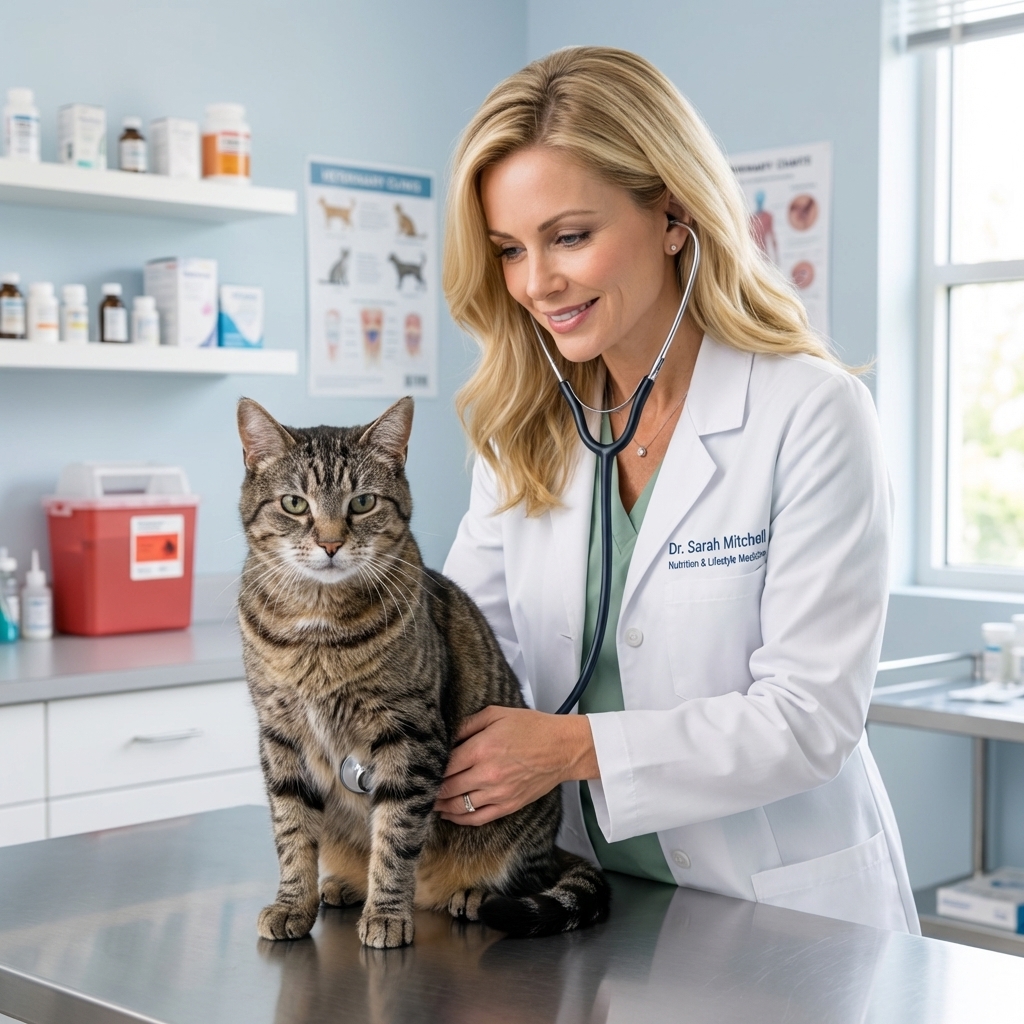
Hypothyroidism vs hyperthyroidism in cats
What the thyroid does
The thyroid gland produces hormones, mainly T4 (thyroxine) and T3, that help regulate metabolism. Think of thyroid hormone as your cat’s internal metabolism thermostat.
- Hyperthyroidism means the body has too much thyroid hormone, so metabolism speeds up.
- Hypothyroidism means the body has too little thyroid hormone, so metabolism slows down.
Which is more common
Hyperthyroidism is common in older and senior cats, often over age 10. In contrast, true spontaneous hypothyroidism is rare.
When we do see hypothyroidism in cats, it is most often:
- Iatrogenic hypothyroidism, meaning it develops after treatment for hyperthyroidism, such as radioactive iodine, surgical thyroid removal, or sometimes overly aggressive medication dosing.
- Congenital hypothyroidism, a very uncommon condition present from birth, usually noticed in kittens due to growth and development issues.
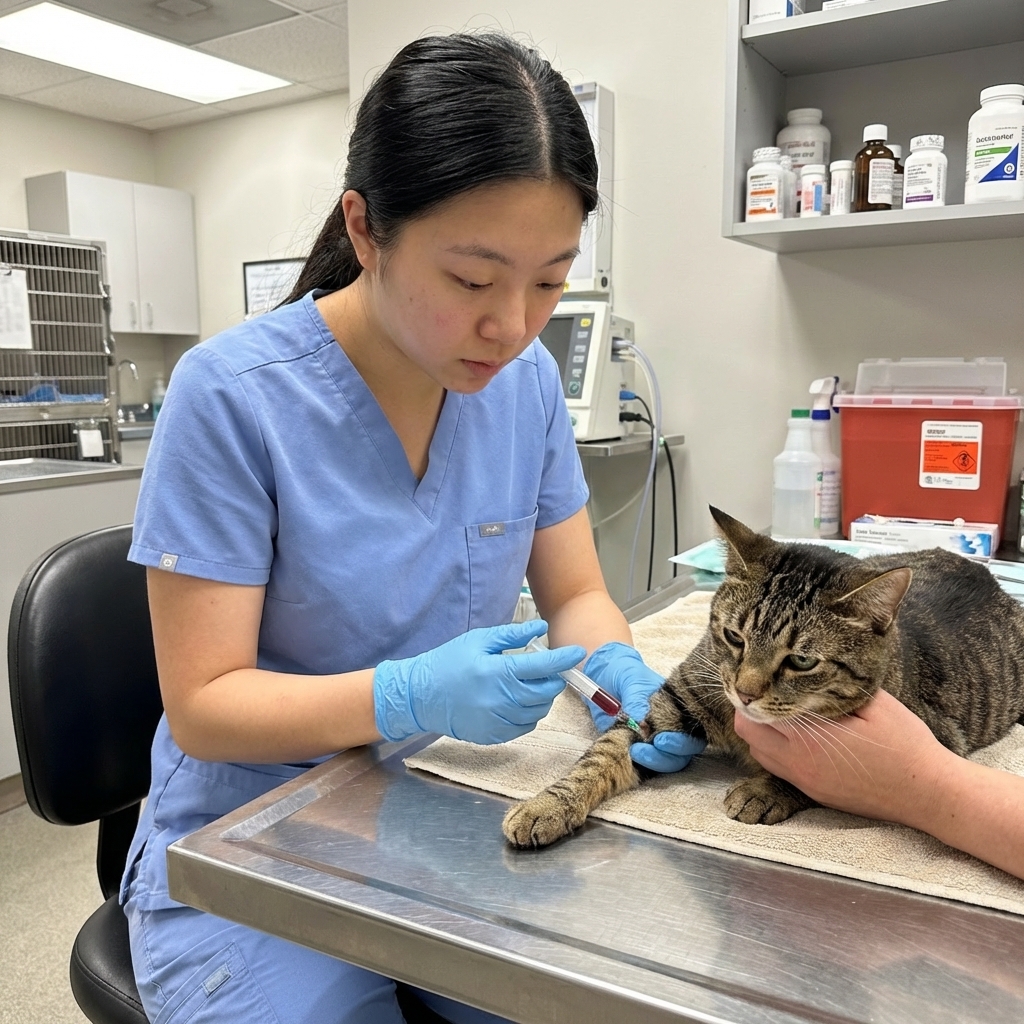
Signs of hypothyroidism in cats
Because hypothyroidism is rare and often overlaps with other conditions, the signs are easy to miss. Many owners describe their cat as “just not themselves.”
It is also worth noting that many “classic” hypothyroidism signs people know from dogs are less consistent in cats, and many confirmed feline cases are post-treatment.
Common owner-observed signs
- Low energy, sleeping more, less interest in play
- Unexplained weight gain despite normal or reduced appetite
- Seeking warm spots, such as sitting near heaters or under blankets more than usual
- Mental dullness or seeming less alert
Skin and coat changes
Coat and skin signs are not as classic in cats as they are in dogs, but you may notice:
- Dull, dry coat
- Excess shedding or poor regrowth after shaving
- Matting, especially in cats that previously groomed well
- Flaky skin
If your cat has skin or coat changes, it is also important to consider more common causes like dental pain (less grooming), arthritis, parasites, allergies, or chronic disease.
In kittens (congenital hypothyroidism)
This is uncommon, but when it happens, signs can include:
- Poor growth or “dwarf” appearance
- Lethargy
- Delayed tooth eruption
- Constipation
How testing works
Thyroid testing can sound confusing because a single “thyroid number” is not always enough to make a diagnosis. Vets interpret thyroid results alongside the physical exam, history, and other lab findings.
This matters because a low T4 does not automatically equal hypothyroidism, especially in sick or stressed cats.
Common tests your veterinarian may recommend
- Total T4 (TT4): a common screening test that measures total circulating T4.
- Free T4 (fT4): measures the unbound portion of T4. It can be more sensitive, but less specific, and can be increased in some sick cats without true thyroid disease. It is best interpreted alongside TT4 and the clinical picture.
- TSH (thyroid stimulating hormone): more commonly used in dogs, but can still provide supportive information in cats in certain situations, especially when assessing possible hypothyroidism after hyperthyroid treatment.
- Full bloodwork: CBC and chemistry panel to evaluate kidney values, liver enzymes, cholesterol, glucose, and overall health.
- Urinalysis: helpful for evaluating kidney function and hydration status, which is particularly relevant in senior cats and cats with a history of hyperthyroidism.
- Blood pressure: routinely monitored in hyperthyroid cats and still important in older cats in general, since hypertension can occur alongside kidney disease and other conditions.
Why results are not always straightforward
One of the biggest reasons thyroid testing is tricky is something called euthyroid sick syndrome. This means that cats who are ill for other reasons can have temporarily low thyroid hormone values even when their thyroid gland is not truly failing.
So an owner might hear:
- “The T4 is low, but I do not think this is true hypothyroidism yet.”
- “We need to repeat the test once your cat is feeling better.”
- “Let’s run a free T4 and additional labs to get the full picture.”
What hypothyroidism labs may look like
Depending on the underlying cause, veterinarians may see a combination of:
- Low TT4 (and sometimes low fT4)
- TSH that is normal or high (high can support hypothyroidism, but a normal TSH does not rule it out in cats)
- Possible high cholesterol in some cases (less consistent in cats than in dogs)
If hypothyroidism is iatrogenic after hyperthyroid treatment, your vet may also be watching kidney values closely. Thyroid hormone levels can change glomerular filtration rate (GFR), which can sometimes “unmask” underlying chronic kidney disease once hyperthyroidism is controlled.
Hypothyroidism vs hyperthyroidism signs
Owners often mix these up because both involve the thyroid, but the day-to-day signs are usually opposite.
Hyperthyroidism tends to look like
- Weight loss despite a good or increased appetite
- Increased activity or restlessness
- Increased vocalization
- Vomiting or diarrhea
- Increased thirst and urination
- Fast heart rate and sometimes high blood pressure
Hypothyroidism tends to look like
- Weight gain or difficulty maintaining lean body condition
- Lower activity, more sleeping
- Coat changes and less grooming in some cats
- Cold intolerance
It is also possible for a cat being treated for hyperthyroidism to swing too far the other direction and become hypothyroid, especially if medication dosing is too high or if the thyroid gland is over-corrected.
Treatment for cats
When true hypothyroidism is confirmed, treatment is typically straightforward and has an excellent outlook.
- Medication: Most cats are treated with a daily oral synthetic thyroid hormone (levothyroxine). Your veterinarian will choose a starting dose based on your cat’s size, history, and lab results.
- Monitoring: Follow-up blood tests are important to confirm the dose is safe and effective. Recheck timing varies by case, but expect repeat thyroid levels after starting or adjusting medication, plus periodic monitoring long term.
- Lifelong management: Congenital hypothyroidism and many cases of primary hypothyroidism require ongoing therapy. Some iatrogenic cases may improve over time, but many still need long-term support.
- Special case, post-hyperthyroid cats: If hypothyroidism develops after hyperthyroidism treatment, your vet will balance thyroid levels with kidney function and overall comfort, since changes in thyroid status can impact how kidney disease behaves on labwork.
Concurrent illness matters
In real life, thyroid disease often does not show up alone, especially in senior cats. Your veterinarian will usually think about thyroid status alongside other common conditions such as:
- Chronic kidney disease
- Diabetes
- Arthritis
- Dental disease
- Inflammatory bowel disease and other GI disorders
- Heart disease and high blood pressure
This is one reason symptom matching at home can backfire. For example, weight gain and low energy could be hypothyroidism, but they could also be pain, reduced mobility, overfeeding, or another endocrine issue.
Why self-treating is unsafe
It is understandable to want to help your cat quickly, especially if you are reading about thyroid disease at 2 a.m. while your cat is sleeping beside you.
But thyroid hormones affect nearly every organ system. Giving thyroid medication or “thyroid support” supplements without proper testing can cause real harm.
Risks of DIY thyroid treatment
- Masking the real problem: A low T4 can be caused by another illness. Treating the number instead of the cat delays the correct diagnosis.
- Accidentally causing hyperthyroidism: Too much thyroid hormone can raise heart rate, increase blood pressure, worsen anxiety, and stress the heart.
- Kidney consequences: Changing thyroid hormone levels can change GFR and lab values. Adjusting thyroid hormones without monitoring can destabilize a cat with underlying kidney disease.
- Drug and dose precision: Medications like levothyroxine need correct dosing for your cat’s size and condition, plus follow-up labs to confirm safe levels.
- Supplement quality and iodine surprises: Some over-the-counter “thyroid” products have variable iodine content or contain glandular ingredients with inconsistent hormone amounts. Labels do not always reflect what is actually in the bottle.
If your cat has a thyroid concern, the safest and fastest path is a vet visit with appropriate labwork. Thyroid issues are treatable, but they are not a good DIY project.
What to do if you suspect hypothyroidism
Step 1: Track what you are seeing
Before your appointment, jot down a few simple notes:
- Current weight if you know it, and any recent change
- Appetite changes
- Water intake and litter box changes
- Energy level and grooming habits
- Any vomiting, diarrhea, or constipation
- Current diet, treats, and supplements
Step 2: Ask about a testing plan
For many cats, your vet will start with a physical exam and baseline labs, then add thyroid tests based on age and symptoms. If results are borderline or confusing, repeat testing can be the most responsible choice.
If your cat has a history of hyperthyroidism treatment, ask your vet what recheck schedule they recommend for TT4 and related labs, since iatrogenic hypothyroidism is one of the more common ways cats develop low thyroid hormone.
Step 3: If your cat is being treated for hyperthyroidism
If your cat is already on medication for hyperthyroidism or has had definitive treatment, ask your veterinarian how often they want rechecks. The goal is to keep thyroid levels in a healthy range, not just lower.
Nutrition notes
Food is not a replacement for diagnosis or medication, but nutrition supports the whole cat, especially when endocrine disease and aging overlap.
- Prioritize adequate protein from high-quality, complete-and-balanced cat foods unless your veterinarian has recommended otherwise for a specific condition.
- Maintain a healthy body condition: If weight gain is an issue, talk to your vet about portion control and a safe weight plan. Rapid weight loss is dangerous for cats.
- Avoid “thyroid boosting” supplements unless specifically prescribed. Products with variable iodine or glandular ingredients can unpredictably affect hormone levels.
Key takeaways
- Hypothyroidism in cats is rare, especially compared to hyperthyroidism.
- When it occurs, it is often iatrogenic after hyperthyroid treatment, or very rarely congenital.
- Signs can be subtle, especially in older cats: low energy, weight gain, and coat changes are common owner observations.
- Testing is more than one number. Vets interpret TT4, sometimes free T4 and TSH, plus full labs and the cat’s overall health.
- Treatment is usually levothyroxine plus monitoring, with a generally excellent prognosis once properly diagnosed.
- Do not self-treat thyroid disease with medication or supplements. It can worsen heart, kidney, and overall health.
If you are concerned about your cat’s thyroid, schedule a checkup and bring your notes. With the right testing plan, most cats can feel significantly better once the underlying issue is identified and treated appropriately.