Vet-assistant guide to feeding hypothyroid dogs at home: lean protein, fiber, smart carbs, omega-3s, iodine/selenium basics, supplement gaps, and levothyroxi...
Article
•
Designer Mixes
Hypothyroidism Dog Symptoms Handbook

Shari Shidate
Designer Mixes contributor
When your dog seems “off” for months
Hypothyroidism is one of those conditions that can sneak up on you. Many dogs do not look “sick” in an obvious way at first. Instead, guardians notice slow changes like weight gain, low energy, a dull coat, or recurring skin issues. As a veterinary assistant, I can tell you this is a common story, and the good news is that once properly diagnosed, most dogs do very well with treatment.
This handbook walks you through hypothyroidism dog symptoms, what else can mimic them, how diagnosis really works, and what day-to-day care looks like after you start medication.
Quick note: This is educational and not a substitute for veterinary care. If you are worried about your dog, your veterinarian is the best next step.
What it is (plain language)
Your dog’s thyroid gland makes hormones (mostly T4, and also T3) that help regulate metabolism. Much of the active T3 is made by converting T4 in the body. When the thyroid is underactive, the body runs in a “lower gear.” Over time, that can affect energy, weight, skin and coat, temperature tolerance, and even mood.
In dogs, hypothyroidism is most often caused by immune-mediated thyroiditis or thyroid gland atrophy. It is usually treatable with a daily thyroid hormone replacement medication (levothyroxine).
Symptoms checklist
Symptoms can be subtle at first and build gradually. Many are nonspecific, meaning they can overlap with other conditions. That is why testing matters.
Most common signs
- Weight gain despite similar feeding habits or no obvious increase in calories (energy needs can drop, and activity often drops too)
- Low energy, “sluggishness,” sleeping more than usual
- Heat-seeking behavior and getting cold easily
- Dry, dull coat or coat that seems to stop growing
- Hair thinning or hair loss, often on the trunk, neck, tail (“rat tail”), or back of thighs
- Skin changes like flaking, darkened skin, thickened skin, recurrent infections
- Chronic ear infections or recurring skin infections
Less common signs
- Exercise intolerance or tiring quickly on walks
- Mental “dullness”, seeming less interactive
- Behavior changes like new irritability or anxiety (less common, and can have many causes)
- Slow heart rate (your vet may notice this)
- High cholesterol or triglycerides on bloodwork
- Reproductive changes (more relevant in intact dogs)
Urgent signs (call your vet)
Most hypothyroid dogs are stable and not an emergency. Still, contact your veterinarian promptly if you see:
- Sudden, severe weakness or collapse
- Marked facial swelling, profound lethargy, or confusion (rare, but urgent)
- Any dog that is very ill, not eating, or vomiting repeatedly
Breeds and ages
Hypothyroidism is more common in middle-aged dogs (often 4 to 10 years), and it is frequently diagnosed in medium to large breeds. It is uncommon in very young dogs (congenital hypothyroidism exists, but it is rare). Any dog can be affected, including mixed breeds, but some breeds are commonly reported as overrepresented, including Labrador Retrievers, Golden Retrievers, Doberman Pinschers, Boxers, Cocker Spaniels, and some herding breeds.
Look-alike conditions
Many things can cause the same “slow down” signs, which is why we avoid diagnosing hypothyroidism based on symptoms alone.
- Cushing’s disease (often causes thinning coat, skin issues, potbelly, increased thirst and urination)
- Allergies (food or environmental) that lead to itchy skin and recurrent infections
- Obesity from excess calories (even small extras add up quickly)
- Arthritis or orthopedic pain that reduces activity
- Chronic ear disease that keeps coming back
- Non-thyroidal illness (being sick can temporarily lower thyroid hormone levels on labs)
If your dog has multiple symptoms, the best path forward is a veterinarian exam and targeted testing rather than guessing.
Diagnosis (why it is tricky)
Diagnosis usually combines your dog’s history, physical exam, and lab testing. A single number rarely tells the whole story.
Common tests
- Total T4: Often used as a screening test. A low T4 can suggest hypothyroidism, but it can also be low from other illnesses or some medications.
- Free T4 (by equilibrium dialysis): More specific than total T4 and helpful when results are unclear.
- TSH (thyroid-stimulating hormone): Elevated TSH can support hypothyroidism, but not every hypothyroid dog has high TSH.
- Thyroglobulin autoantibodies (TgAA): Can indicate immune-mediated thyroid disease and may help in certain cases.
- General bloodwork: High cholesterol is common with hypothyroidism and can support the overall picture.
About “false lows”
When a dog is dealing with another illness, thyroid levels can look low even when the thyroid gland is normal. This is often called euthyroid sick syndrome. Some medications can also lower thyroid values or interfere with interpretation. Common examples include glucocorticoids (steroids), phenobarbital, and sulfonamide antibiotics (and sometimes other drugs, depending on the patient). This is why your vet may recommend treating other conditions first or repeating thyroid testing later.
Once labs fit, treatment is straightforward
When your dog’s symptoms, exam, and thyroid panel line up, treatment is typically simple and very effective.
Treatment with levothyroxine
Most dogs with confirmed hypothyroidism are treated with levothyroxine, a thyroid hormone replacement. It is typically given once or twice daily. Many clinics prefer twice daily at first, and your vet will choose a plan based on your dog’s labs, size, and response.
How fast will you see improvement?
- Energy and attitude: Often improves within 1 to 2 weeks
- Skin and coat: Can take 1 to 3 months, sometimes longer, especially if secondary infections need separate treatment (bacteria and yeast are common)
- Weight: Usually improves gradually with medication plus smart calorie management
Monitoring
Your vet will likely recheck thyroid levels after starting medication or changing the dose. A common recheck window is around 4 to 8 weeks, then every 6 to 12 months once stable, but protocols vary.
Many clinics time the blood draw in relation to when the pill is given. For example, some measure levels about 4 to 6 hours after dosing (a “peak” level), while others use different timing. Follow your veterinarian’s instructions closely so your results are meaningful.
Home care that helps
Medication is the foundation, but your daily habits can make a big difference in comfort and long-term health.
1) Give meds consistently
- Pick a routine you can keep, even on weekends
- If you miss a dose, follow your vet’s guidance. Do not double up unless directed
- Tell your vet about any supplements or other medications, because some can affect absorption or lab interpretation
2) Support skin and coat safely
- Ask your vet if recurrent skin or ear infections need cytology testing and targeted treatment
- Use vet-recommended shampoos for infection or seborrhea when appropriate
- Discuss omega-3 fatty acids (fish oil) if your dog has chronic skin inflammation
3) Weight management without starving
Hypothyroid dogs are often unfairly labeled “lazy” when their metabolism and energy needs have shifted. The goal is steady, realistic progress.
- Measure meals with a real measuring cup or kitchen scale
- Keep treats to about 10% or less of daily calories
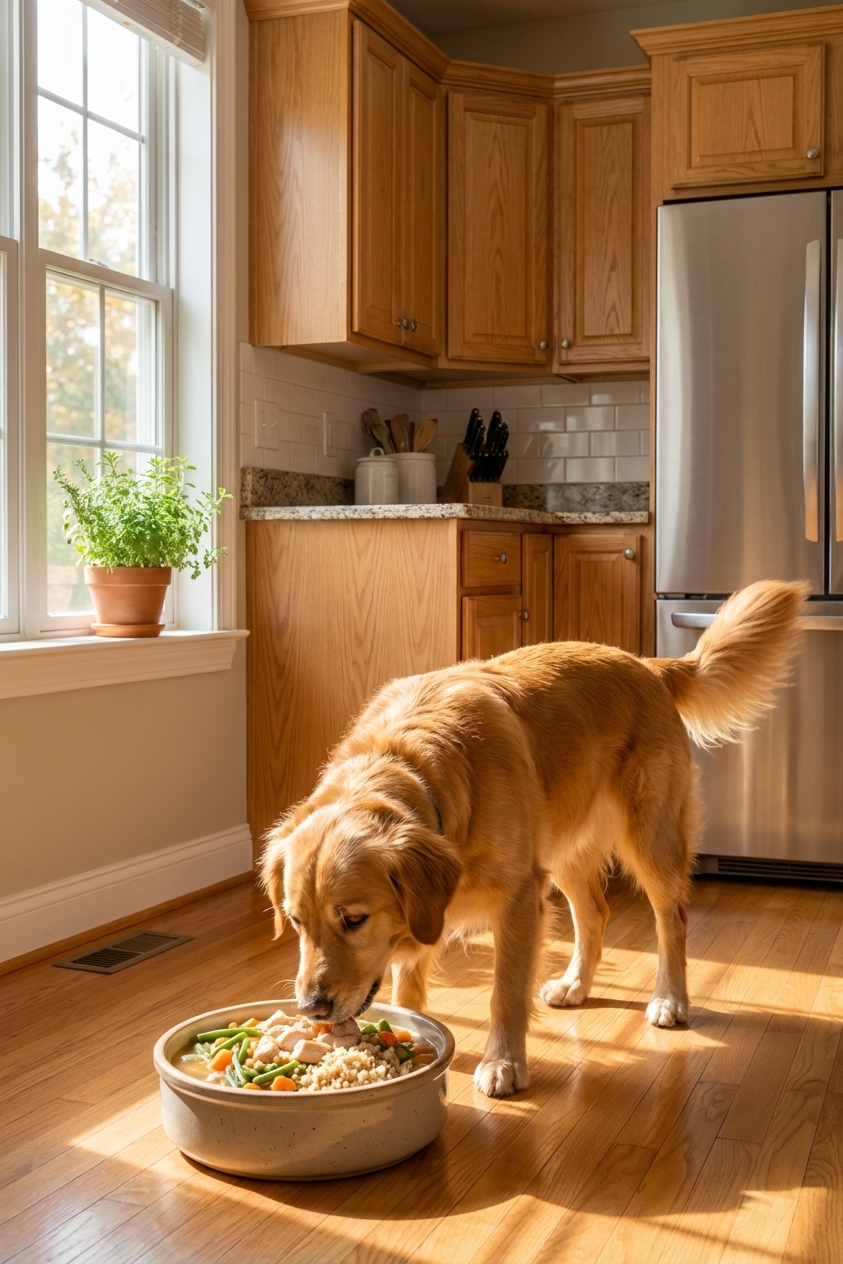
- Choose high-protein, nutrient-dense foods. If you are exploring homemade or fresh foods, work with your veterinarian or a board-certified veterinary nutritionist so the diet stays balanced
- Use low-calorie add-ins like steamed green beans (plain) if your dog needs more volume
4) Gentle, consistent exercise
Short daily walks, sniff breaks, and low-impact play can help rebuild stamina. If your dog also has arthritis, ask about joint support and pain control, because pain can mimic low energy.
Feeding questions
Is hypothyroidism caused by kibble?
There is no single diet proven to “cause” hypothyroidism in most dogs. The most common causes are immune-mediated or degenerative changes in the thyroid gland. That said, diet absolutely affects weight, skin health, and inflammation, which can influence how your dog feels day to day.
Should I switch foods?
If your dog is overweight, has chronic skin issues, or you are not happy with stool quality and energy, a thoughtful food change may help. I recommend you choose one goal at a time (weight, skin, digestion), make changes slowly over 7 to 14 days, and track your dog’s response.
Can homemade food help?
Fresh, whole foods can be a wonderful option for some dogs, especially when guardians want better ingredient control. The key is balance. Dogs need the right calcium-to-phosphorus ratio, trace minerals, essential fatty acids, and adequate protein. If you want to go homemade, do it with a plan, not guesses.
What not to do
- Do not start levothyroxine without a confirmed diagnosis and a veterinarian’s dosing plan
- Do not rely on a low total T4 alone to “prove” hypothyroidism, especially if your dog is sick or taking other medications
- Avoid unregulated at-home thyroid supplements, which can be inconsistent and may complicate testing
Rechecks and when to call
After diagnosis and starting treatment, most dogs need periodic monitoring. Call your vet if you notice:
- Restlessness, panting, increased thirst, or hyperactivity (possible over-supplementation)
- Ongoing weight gain despite measured feeding
- Recurring ear or skin infections that do not fully clear
- No improvement in energy after a few weeks on medication
Bring notes to your appointment: current food, treat amounts, medication timing, new symptoms, and photos of coat changes. That simple prep can speed up answers.
Quick action plan
If you suspect hypothyroidism, do three things: schedule a vet visit, ask what thyroid panel is appropriate for your dog’s situation, and start a 2-week symptom diary (energy, appetite, weight, skin, ears, stools).
- Step 1: Vet exam and baseline bloodwork
- Step 2: Thyroid testing that matches your dog’s symptoms and health status
- Step 3: Treat infections or other conditions alongside thyroid care
- Step 4: Start levothyroxine if diagnosed, then recheck levels as directed
- Step 5: Adjust calories and activity gently, and reassess monthly
Final encouragement
If you are reading this because your dog has been gaining weight, losing fur, or just seems not quite like themselves, please know you are not alone. Hypothyroidism can feel frustrating because it is slow and subtle, but once you get the right diagnosis and the right dose, many dogs get their spark back. Keep it steady, keep it consistent, and work closely with your veterinary team.