Hypoglycemia in Toy and Small Breed Puppies

Tiny puppies have tiny fuel tanks. In toy and small breeds, a missed meal, a stressful day, or even a little stomach upset can make blood sugar drop fast. That drop is called hypoglycemia, and it can look like sudden shaking, weakness, or even collapse.
If you have a Yorkie, Maltipoo, Pomeranian, Chihuahua, Toy Poodle, Shih Tzu mix, or another toy breed or small mix, learning the early warning signs and a simple response plan can truly save a life.
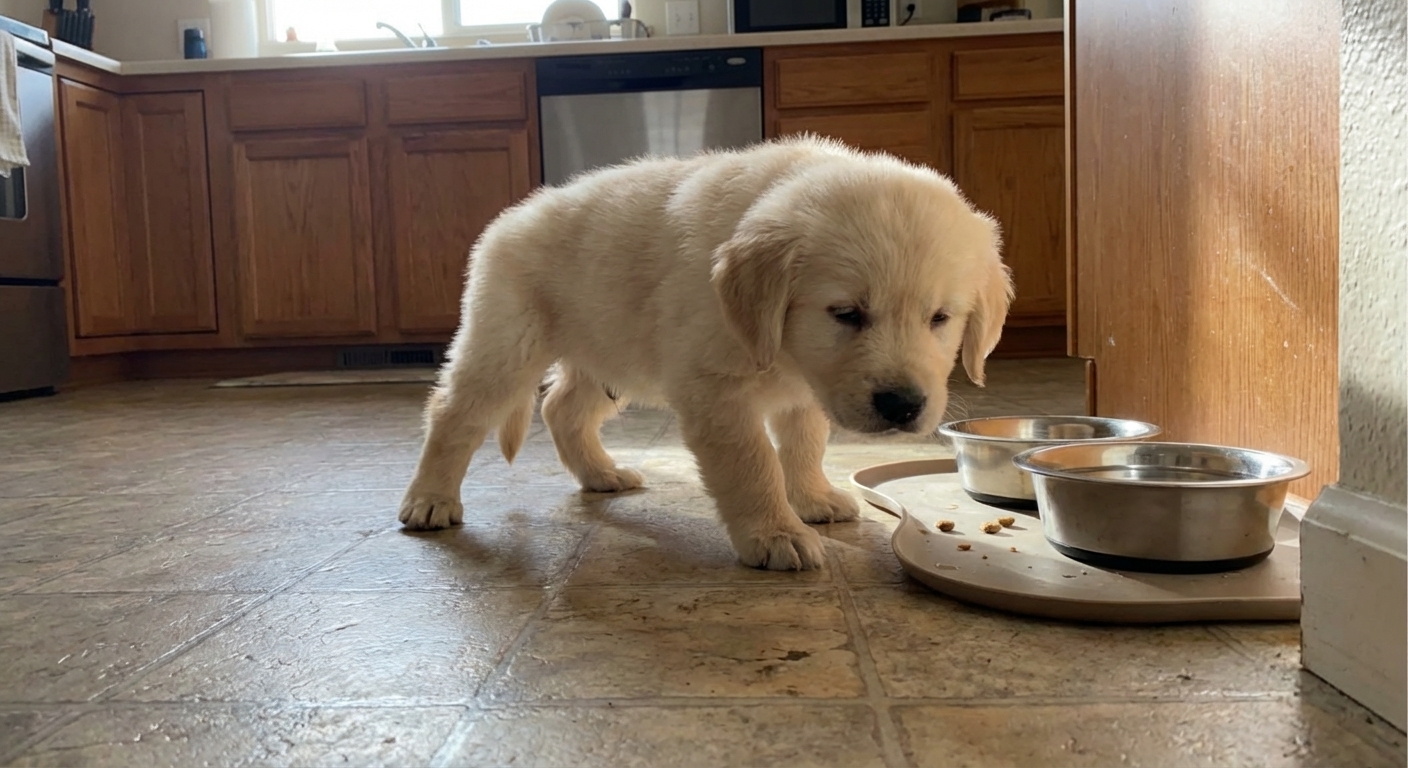
What it looks like
Low blood sugar can start subtly and then escalate quickly. The hallmark is that your puppy seems suddenly "not quite right," especially if it has been several hours since they ate, after a big play session, or after a stressful change like travel or rehoming.
Common early signs
- Shaking or trembling
- Weakness or acting wobbly
- Sleepiness that feels unusual for your puppy
- Hunger, frantic searching for food, or fussiness
- Glassy eyes or staring into space
- Feeling cool to the touch, especially ears and paws
More serious signs
- Collapse or inability to stand
- Disorientation, acting "drunk," or not recognizing you
- Muscle twitching
- Seizures
- Coma
Important: these signs are not specific to hypoglycemia. They can overlap with other emergencies like toxin exposure, infection, or congenital issues. Even if your puppy improves with sugar, your veterinarian should still evaluate them.

Why small breeds are at risk
In general, puppies burn glucose quickly and have limited reserves. Toy and small breeds have an extra disadvantage: less body mass, less stored energy, and often more sensitivity to stress and appetite changes.
- Small size: less glycogen storage and less fat reserve.
- Young age: immature metabolism and higher energy needs.
- Not eating well: teething, picky phases, intestinal parasites, or stress can reduce intake.
- Cold and stress: both increase energy use. A chilly puppy can crash faster.
- Illness: vomiting, diarrhea, respiratory infections, or parasites can trigger hypoglycemia.
If your puppy is very young (often under about 12 to 16 weeks) and especially very small (often under about 3 to 4 pounds), treat “won’t eat” as urgent, not as a quirky personality trait. Individuals vary, so when in doubt, call your vet.
Meal frequency matters
One of the simplest safeguards is feeding small meals more often. Many toy breed puppies do best with steady, predictable calories throughout the day.
Feeding rhythm (general)
- 8 to 12 weeks: 4 meals per day
- 3 to 6 months: 3 meals per day
- 6 months and up: 2 meals per day, if they are thriving and maintaining weight
Some very small pups still need a bedtime snack longer than you would expect. Your breeder and your veterinarian can help tailor this to your puppy’s weight, appetite, and health history.
High-risk times
- Overnight fasting, especially after a light dinner
- Long car rides or travel days
- After intense play
- After vaccines or a stressful grooming appointment
- During teething when appetite dips
- Any time there is vomiting or diarrhea
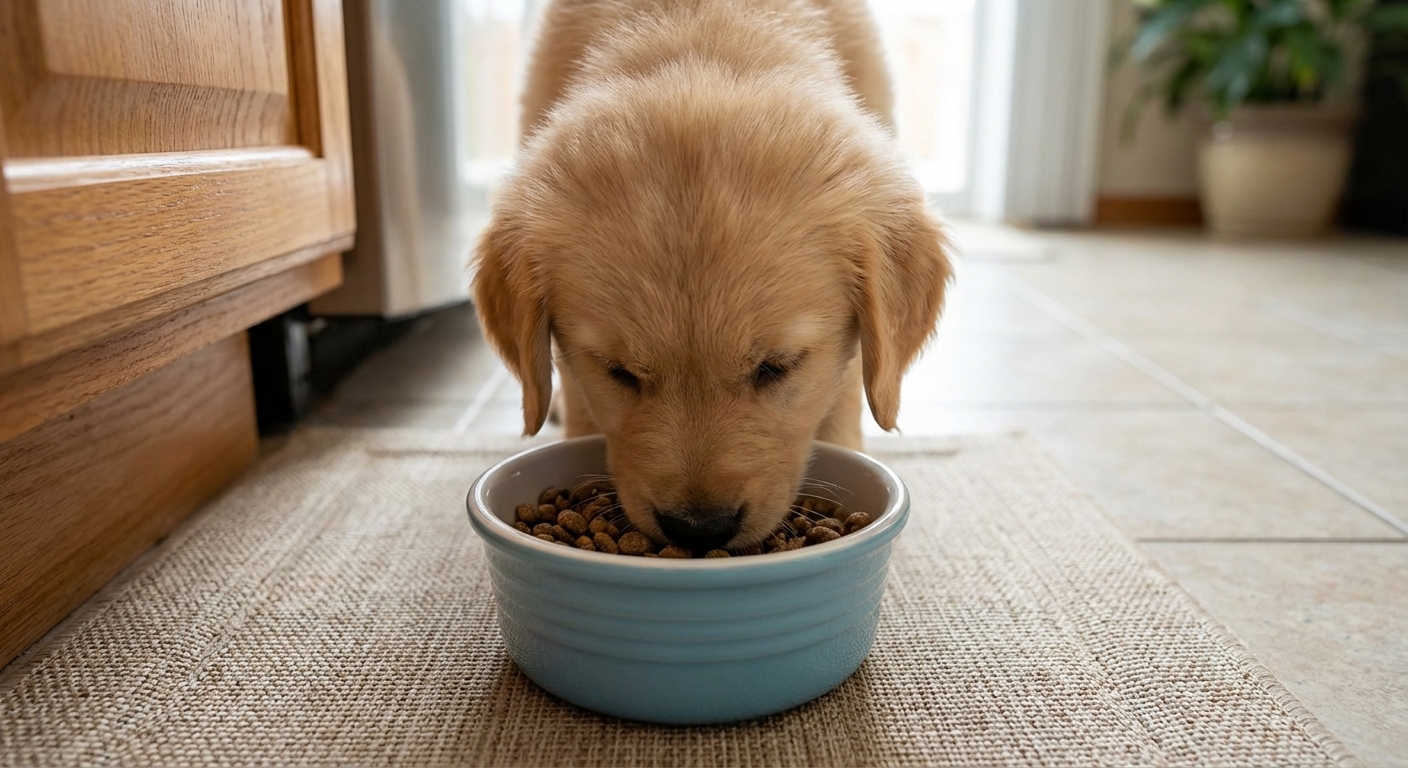
How long is too long?
There is no perfect number that fits every puppy, but toy breeds generally should not go long stretches without calories when they are young.
- Some toy puppies can become symptomatic after roughly 4 to 6 hours without eating during the day, especially if they are very young, very small, chilled, stressed, or not eating well.
- Overnight, some can manage, but others cannot, especially under 12 weeks or if they are small for their age.
If your puppy routinely skips meals, seems “off” in the mornings, or vomits yellow foam, talk with your veterinarian. Yellow foam can happen with an empty stomach, but it can also have other causes that deserve a quick check.
Quick help at home
If you suspect hypoglycemia, you want to raise blood sugar quickly and then follow with a meal once your puppy is alert enough to swallow safely. This is interim first aid only. Some puppies relapse or need clinic care like a glucose check and IV dextrose.
Step 1: Calm and warm
- Stop activity and place your puppy somewhere safe.
- Keep them warm with a blanket. A chilled puppy burns glucose faster.
Step 2: Fast sugar if conscious
Common interim options include:
- Nutri-Cal (high-calorie gel often recommended for small puppies)
- Honey or corn syrup (a small amount)
How to give it: rub a small amount on the gums with your finger, especially if your puppy is too weak to chew.
Do not pour, squirt, or syringe honey, syrup, water, or food into your puppy’s mouth or throat. Aspiration is dangerous.
If your puppy is not improving quickly, or if signs return, keep arranging urgent veterinary care. You can ask your vet or ER if you should repeat a small gum rub while you are on the way.
Step 3: Small meal after improvement
When your puppy is brighter and able to swallow normally, offer a small, tasty meal. Warmed canned puppy food or softened kibble can help. The goal is to keep glucose stable after that quick bump.
Step 4: Call your vet
Even if your puppy bounces back, treat this as a medical red flag. Your vet may recommend an exam and may check blood glucose, hydration status, parasite load, and overall health.

What not to do
- Do not force-feed or squirt liquids into the mouth of a weak, wobbly, or sleepy puppy.
- Do not “wait and see” if your puppy is collapsing, seizing, or mentally checked out.
- Do not assume it is “just hypoglycemia” if episodes repeat. Recurrent crashes need a veterinary workup.
When it is an emergency
Seek emergency veterinary care immediately if you see:
- Collapse or inability to stand
- Seizure activity or muscle jerking
- Extreme lethargy or unresponsiveness
- Gum color that looks pale, gray, or blue
- Vomiting and diarrhea together, especially with weakness
- Suspected toxin exposure (xylitol, chocolate, medications, THC, etc.)
If your puppy is unconscious or actively seizing, do not try to feed. Head to an emergency clinic. Call on the way so they can prepare.
Prevention checklist
Hypoglycemia prevention is mostly about consistency, calories, and quick action when something changes.
Breeder best practices
- Send puppies home only when they are strong eaters and maintaining weight.
- Provide a written feeding schedule, exact food brand, and portion guidance.
- Educate owners about signs of hypoglycemia and what to keep at home (Nutri-Cal or vet-approved alternative).
- Encourage early vet visits and fecal testing for parasites.
Owner best practices
- Feed on schedule and avoid “free feeding” if it leads to skipped calories.
- Track weight at least weekly with a small kitchen scale for toy breeds.
- Plan for busy days with pre-portioned meals, a pet sitter, or a midday check-in.
- Keep a hypoglycemia kit: Nutri-Cal or honey, a blanket, your puppy’s food, your vet’s number, and the nearest emergency clinic address.
- Watch appetite closely during teething, travel, and vaccines.
- Prevent chilling, especially after baths or in strong air conditioning.
- Ask about a vet-approved plan if your puppy is extremely small or a picky eater. Some pups do better with a structured, higher-calorie puppy diet plan rather than random extra snacks.
My veterinary-assistant tip: if your tiny puppy ever seems weak, wobbly, or “not present,” offer warmth and a quick sugar source if they can swallow, then call your vet. Waiting to “see if it passes” is where toy-breed hypoglycemia becomes truly dangerous.
What your vet may check
A single hypoglycemic episode can be triggered by something simple like a missed meal, but it can also point to a bigger issue that needs treatment. Follow-up matters, and in many cases the quickest clarity comes from a simple glucose check at the clinic.
- Parasites: common in puppies and can reduce nutrient absorption.
- Infection: illness increases energy needs and decreases appetite.
- Dehydration: worsens weakness and can compound problems.
- Congenital concerns: rare, but liver shunts and other metabolic issues can cause recurrent low blood sugar.
- Diet fit: whether your puppy food and feeding plan match your puppy’s size and growth stage.
If episodes repeat, your veterinarian may recommend bloodwork and a more structured feeding and monitoring plan.
Takeaway
With toy and small breed puppies, hypoglycemia is one of those scary problems that is often preventable and very treatable when caught early. Feed frequent small meals, avoid long fasting stretches, keep your puppy warm and well-rested, and keep a quick sugar option on hand for emergencies.
And most importantly, if your puppy ever shakes, collapses, or seems mentally “checked out,” treat it as urgent and get veterinary guidance right away.