Choosing between a Goldendoodle and Labradoodle? Compare energy, kid-friendliness, coat types, shedding myths, grooming needs, health concerns, and breeder r...
Article
•
Designer Mixes
Hypoallergenic Dog Breeds for Allergy Sufferers

Shari Shidate
Designer Mixes contributor
If you love dogs but allergies make you miserable, you are not alone. As a veterinary assistant here in Frisco, Texas, I meet families every week who want a dog that is easier on the nose and eyes. The good news is that there are breeds and designer mixes that may work better for some allergy sufferers. The honest truth is also important: no dog is 100% hypoallergenic.
In this guide, we will cover what hypoallergenic really means, which breeds and mixes are commonly the best options, and how to test real-life compatibility before you commit.
What “hypoallergenic” really means
Hypoallergenic means a dog is less likely to trigger allergies, not allergy-proof. Most dog allergies are reactions to proteins found in:
- Dander (tiny flakes of skin)
- Saliva (which dries on fur after licking)
- Urine (less common in day-to-day petting exposure, but relevant in homes with marking issues)
One of the best-known dog allergen proteins is called Can f 1. You do not need to memorize that, but it is helpful to know you are reacting to proteins that end up on skin, fur, and surfaces, not the fur itself.
People often blame shedding, but shedding is mainly a delivery system. When a dog sheds heavily, it can spread dander through the home more easily. Many so-called hypoallergenic breeds have coats that shed less or hold onto hair and dander until brushed or bathed, which can lower how much allergen circulates in your house. The flip side is that trapped hair and dander can build up, then get released during brushing if grooming is inconsistent.
Shedding vs dander
- Low-shedding can help, but a low-shedding dog can still produce plenty of allergen.
- Coat type matters. Curly and continuously growing coats often trap hair and dander.
- Grooming matters. Regular bathing and brushing can reduce allergens on the coat and in the home over time.
My evidence-based take: you are not allergic to fur. You are reacting to proteins that collect on fur and in your home. Your goal is reducing how much of that protein builds up and spreads.
Top hypoallergenic dog breeds
These breeds are commonly recommended for people with dog allergies because they tend to be lower-shedding and often do well with consistent grooming routines. A quick reality check: scientific evidence that any specific breed is reliably “low allergen” is limited, and reactions vary by the individual dog and the person.
Poodle (Toy, Miniature, Standard)
Poodles are the gold standard for low-shedding coats, and they are one reason so many designer mixes exist. Their curly coat tends to hold onto loose hair and dander until it is brushed out.
- Why they can help: low-shedding, more predictable coat in purebreds
- Keep in mind: needs regular professional grooming to prevent mats that trap debris and allergens
- Great for: active families, training-focused homes, first-time owners who commit to grooming
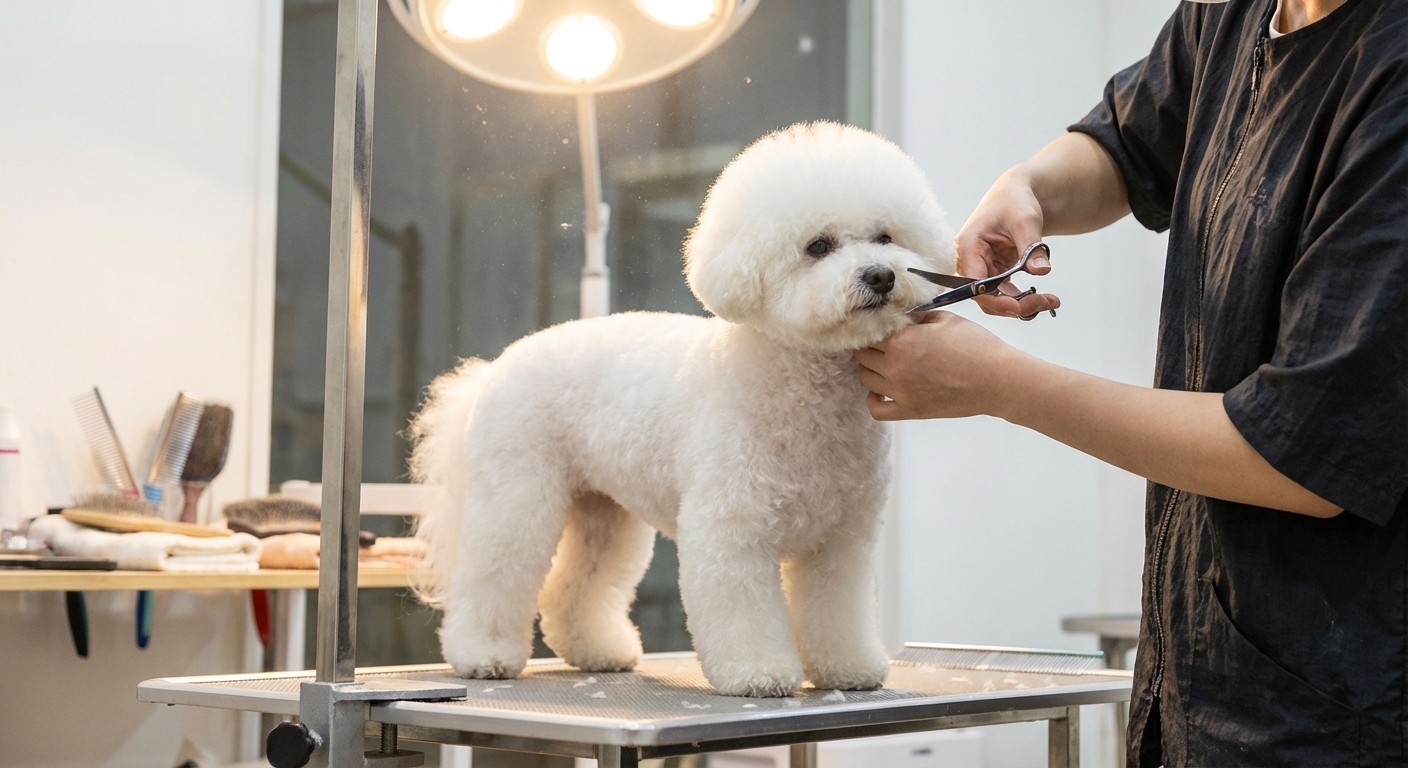
Bichon Frise
Bichons have a plush, curly coat that is usually low-shedding. They are also known for being friendly, adaptable companions.
- Why they can help: low-shedding coat that benefits from frequent brushing
- Keep in mind: routine baths and trims help keep allergens down
- Great for: apartment living and families wanting a cheerful small dog
Maltese
The Maltese has hair more similar to human hair than traditional fur, and some people with allergies do well with them. Their coat can be kept long or in a practical short “puppy cut.”
- Why they can help: low-shedding, hair-like coat
- Keep in mind: tear staining and coat maintenance can require consistency
- Great for: calm households and people wanting a small lap companion
Portuguese Water Dog
This athletic, smart breed has a curly or wavy coat and is often recommended for allergy households. They tend to thrive with exercise and training.
- Why they can help: low-shedding coat, active lifestyle fit for many families
- Keep in mind: needs stimulation and grooming, not a couch potato
- Great for: active owners, hiking and lake days, training games
Schnauzer (Miniature, Standard, Giant)
Schnauzers have a wiry coat and typically shed less than many breeds. Their signature beard can collect saliva, food, and outdoor allergens, so hygiene helps.
- Why they can help: low-shedding, wiry coat
- Keep in mind: beard cleaning and regular grooming are important
- Great for: owners who like a bold personality and a structured routine
Soft Coated Wheaten Terrier
Wheatens are known for a soft, silky coat that often sheds less. As with most terriers, early training and consistency are key.
- Why they can help: low-shedding coat when properly maintained
- Keep in mind: coat can mat easily without brushing
- Great for: families who want a medium dog and can keep up with grooming
Xoloitzcuintli (Xolo)
The hairless variety can be an option for some allergy sufferers because there is much less coat to carry allergens. However, allergens still exist because skin and saliva are still present, and some people actually react more to direct skin contact or licking with hairless dogs.
- Why they can help: minimal hair, less shedding around the home
- Keep in mind: skin care, bathing, and sun protection are essential
- Great for: owners who can commit to skin maintenance
Popular hypoallergenic designer mixes
Designer mixes are often chosen because people want a family-friendly temperament with a lower-shedding coat. The biggest thing to know is this: coat type is not guaranteed in mixes, even within the same litter. If allergies are severe, talk to a reputable breeder or a rescue that can share coat information and let you do multiple visits.
One more safety note: if you are buying a puppy, prioritize ethical sourcing. Look for health testing, transparent adult coat expectations, and a willingness to support you if the match is not right. If you are adopting, foster-based notes can be gold for allergy households.
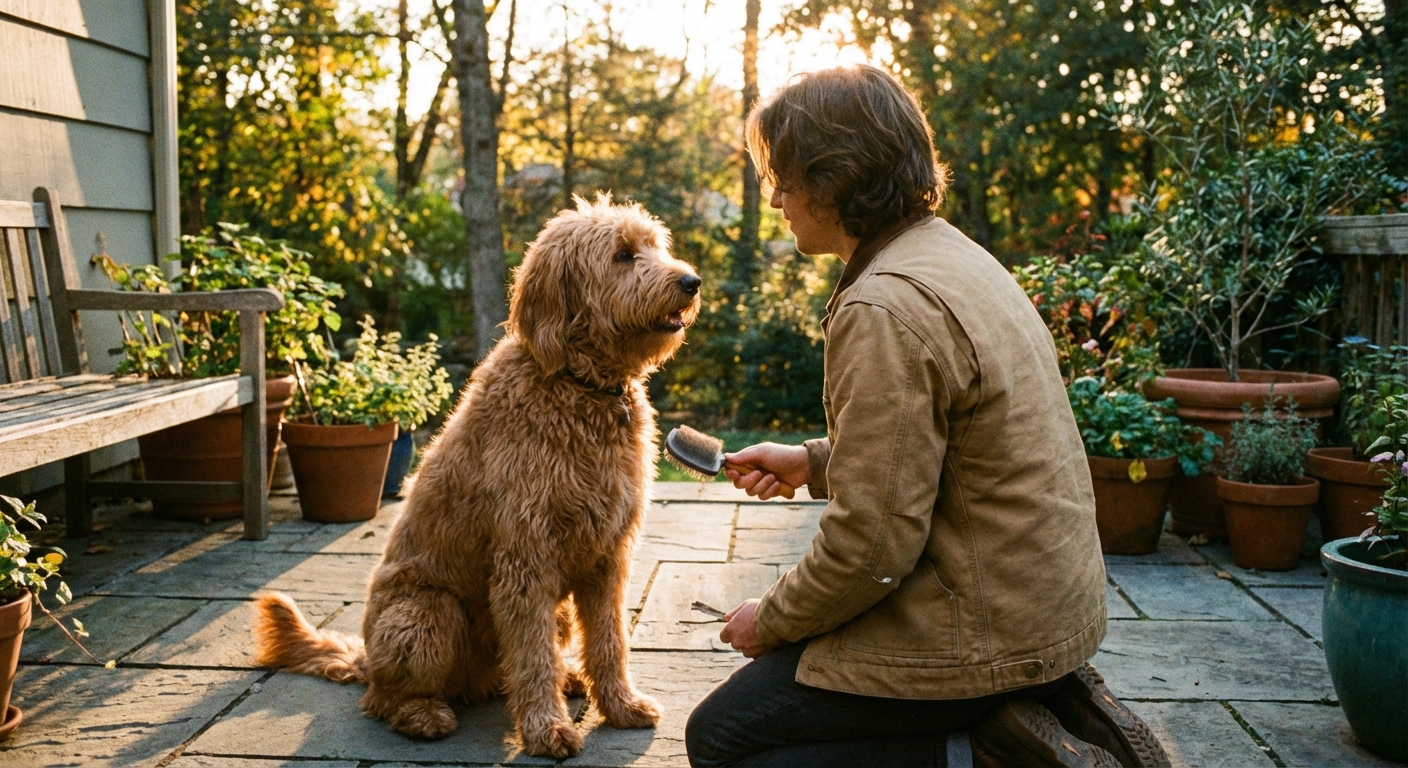
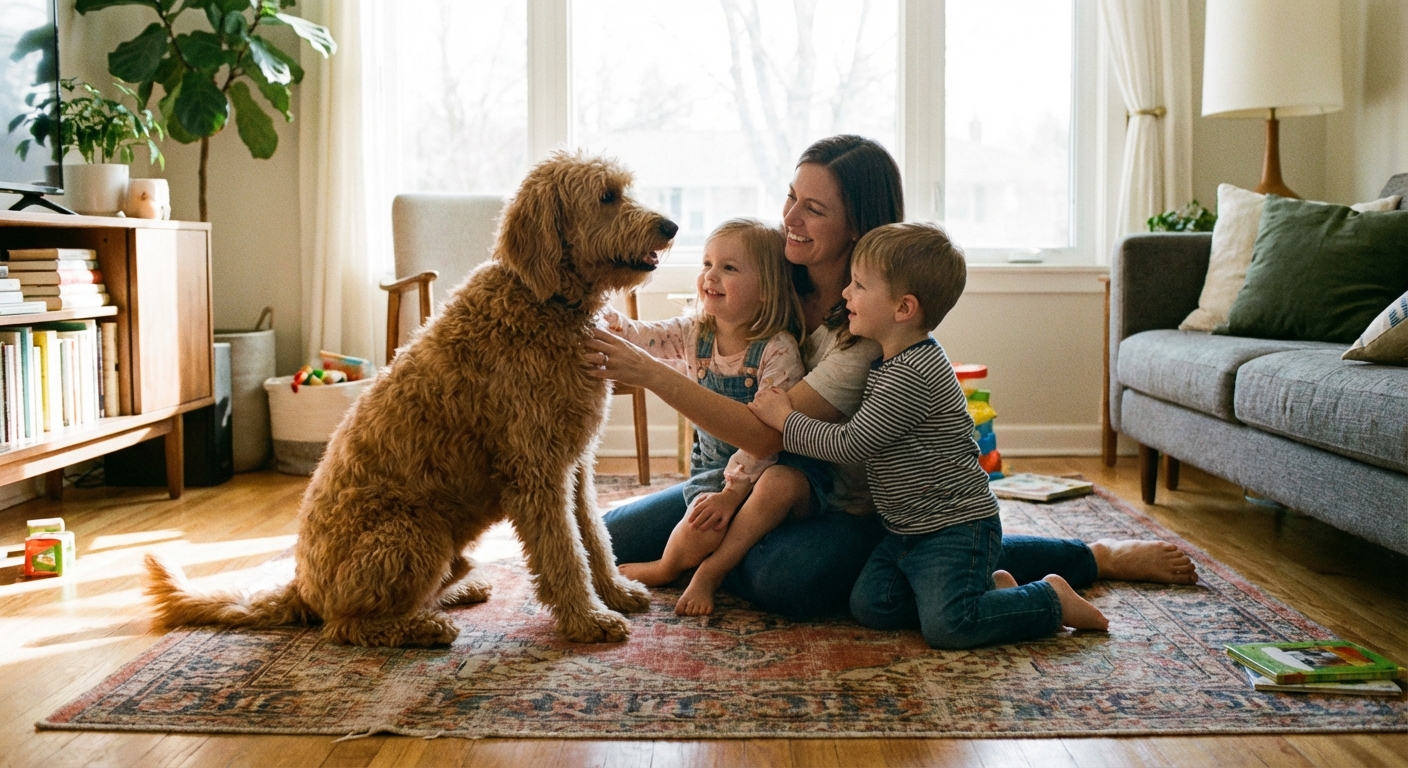
Goldendoodle (Golden Retriever + Poodle)
Goldendoodles are beloved for their social personalities. Coat outcomes vary widely from straighter shedding coats to curlier low-shedding coats.
- Allergy-friendly potential: best in curlier, more Poodle-like coats
- Ask about: coat testing, expected adult coat, and grooming schedule
- Reality check: some Goldendoodles shed noticeably
Labradoodle (Labrador Retriever + Poodle)
Labradoodles can be a great match for active families. Like Goldendoodles, their coat can range from shedding to low-shedding.
- Allergy-friendly potential: often better with fleece or wool coats
- Ask about: the parents’ coats and any history of shedding in prior litters
- Reality check: Labrador genetics can bring more shedding
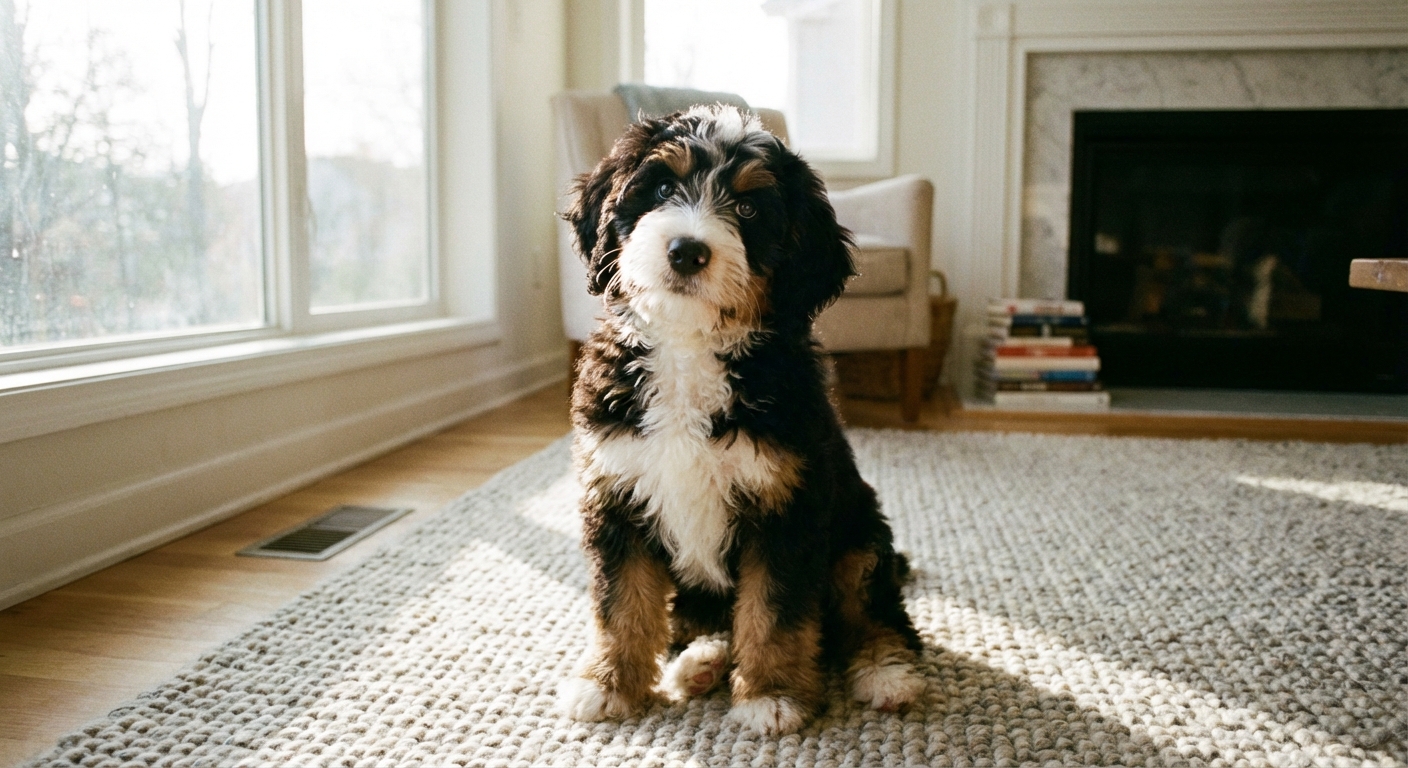
Bernedoodle (Bernese Mountain Dog + Poodle)
Bernedoodles are often affectionate and people-oriented. Bernese Mountain Dogs are heavy shedders, so Bernedoodles can be a mixed bag allergy-wise.
- Allergy-friendly potential: higher with curlier coats
- Ask about: grooming requirements and shedding expectations
- Reality check: some Bernedoodles shed seasonally or steadily
Schnoodle (Schnauzer + Poodle)
This mix is often a strong choice for allergy homes because both parent breeds are commonly lower-shedding, especially when the coat leans wiry or curly.
- Allergy-friendly potential: often favorable, but still not guaranteed
- Ask about: coat texture and grooming frequency
Maltipoo (Maltese + Poodle)
Maltipoos are popular for small-dog lovers who want a low-shedding companion. They often do well in apartments and can be very people-focused.
- Allergy-friendly potential: often favorable with consistent grooming
- Ask about: coat type and tear staining care
Yorkipoo (Yorkshire Terrier + Poodle)
Yorkipoos frequently have a hair-like coat and shed less than many breeds. They can be lively, so training and enrichment matter.
- Allergy-friendly potential: often favorable
- Ask about: coat maintenance needs and adult size range
Test compatibility
This step is where families succeed or struggle. If you have moderate to severe allergies or asthma, do not rely on a quick meet-and-greet.
Do a real exposure test
- Spend time indoors with the dog, ideally in a home setting, not just outside.
- Do multiple visits over several days. Allergic reactions can be delayed.
- Hold and pet the dog, then avoid touching your face and wash hands afterward so you can judge symptoms accurately.
- Borrow a blanket the dog sleeps on (with permission) and place it in your home for 24 to 48 hours to see if symptoms flare.
Clinic reality tip: I have seen families do “fine” for 15 minutes in a lobby, then struggle after a full evening in a home with the dog. Longer, indoor exposure tells you much more.
Allergy and asthma safety
If you have asthma, hives, or a history of severe reactions, talk with your physician or allergist before adopting. Medication plans, air filtration, and rescue return policies are worth discussing upfront.
Ask the right questions (breeder or rescue)
- What is the adult coat expected to be like, and how certain are you?
- How often is the dog bathed and groomed currently?
- Has the dog been in a home with allergies before, and how did it go?
- Is there a trial period or return policy if allergies are unmanageable?
Home and grooming habits
Even with the best breed choice, your daily habits matter. Here are practical steps that can reduce allergens in many homes.
Grooming routine
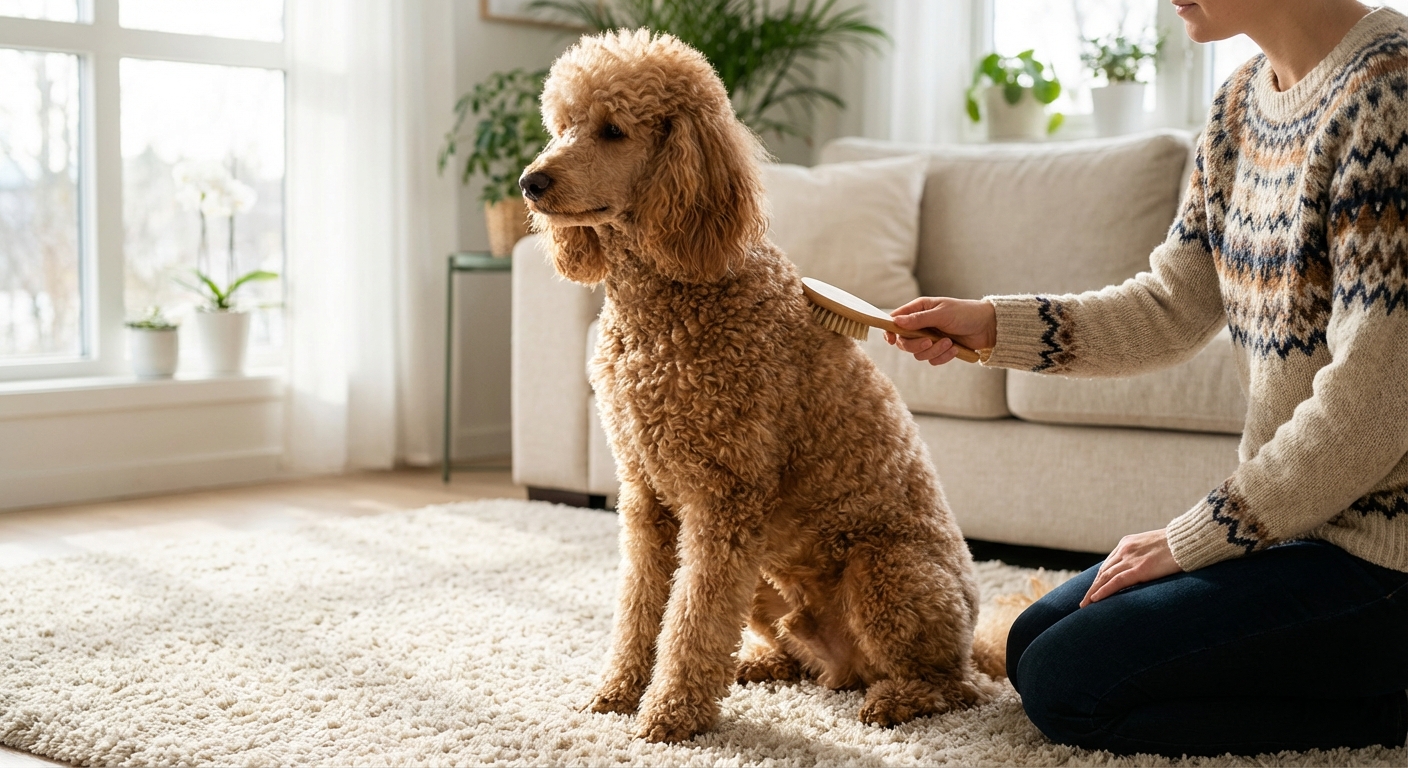
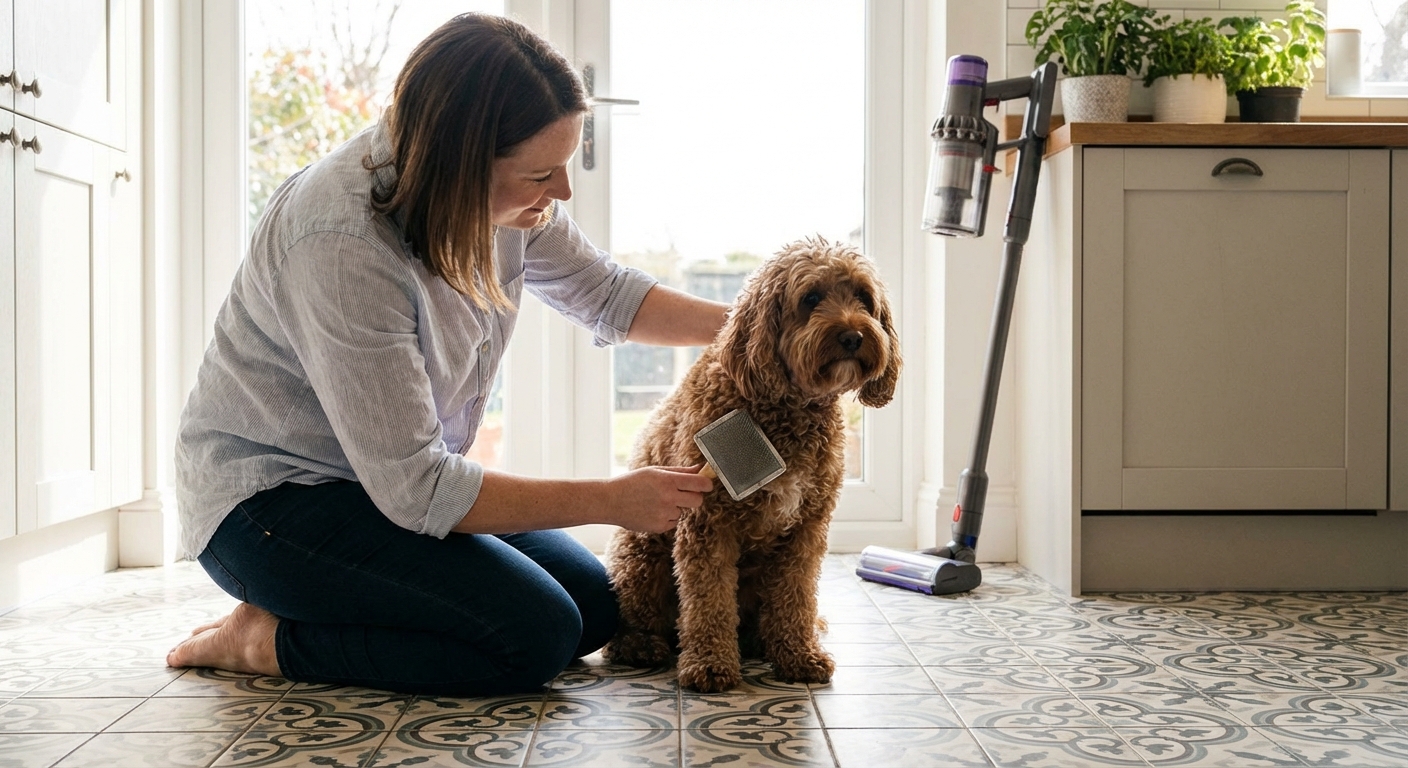
- Brush routinely to remove loose hair and dander. Many curly-coated dogs need brushing several times per week.
- Bathe regularly using a gentle dog shampoo as recommended by your vet or groomer. Over-bathing can dry skin, which can increase flaking for some dogs.
- Professional grooming every 4 to 8 weeks is common for Poodle-type coats.
- Groom smart: if possible, do brushing in a well-ventilated area or outdoors, and clean up right after. Grooming can temporarily kick allergens into the air.
Home routine
- Use a HEPA air purifier in the bedroom or main living area.
- Vacuum with HEPA filtration and consider hard flooring where possible.
- Wash dog bedding weekly in hot water if fabric allows.
- Create a low-allergen zone, often the bedroom, especially for asthma sufferers.
Severe allergy checklist
- Bedroom exclusion (no dog on the bed, ideally not in the room).
- HEPA purifier running daily where you sleep.
- Weekly wash routine for bedding, throws, and the dog’s bed.
- Medical plan with your allergist if symptoms are moderate to severe.
Choose the right fit
Some “allergy-friendly” dogs are not beginner-easy in other ways. Before you commit, factor in time, training, and grooming costs.
- High-energy breeds (like Portuguese Water Dogs) can be amazing, but they need daily exercise and mental work.
- Terriers (including Wheatens and Schnauzers) can be stubborn or spicy without early training and structure.
- Poodle-type coats and many doodles often require frequent brushing and professional grooming. If that is not realistic for your schedule or budget, allergies and matting can become a problem fast.
Myths
Myth: “If a dog does not shed, I will not react.”
Not always. Dander and saliva proteins can still trigger symptoms.
Myth: “Doodles are always hypoallergenic.”
Coats vary. You cannot know for sure without evaluating the individual dog.
Myth: “A puppy is safer than an adult.”
Puppies can change coat type as they mature, especially mixes. If allergies are significant, an adult dog with a known coat can be a safer choice.
Bottom line
The best “hypoallergenic” dog is the one whose individual coat, grooming plan, and lifestyle fit your allergy level. Start with breeds known for low-shedding like Poodles, Bichons, and Maltese. If you are considering a designer mix like a Goldendoodle or Labradoodle, go in with eyes wide open and test compatibility before adoption.
If you want the kindest, most practical approach, focus on two things: the dog in front of you and a consistent grooming and cleaning routine. That combination is what helps most allergy households actually enjoy dog ownership long term.