No cat is truly hypoallergenic—but some are easier to live with. Learn what Fel d 1 is, why “hypoallergenic” breeds aren’t guaranteed, and practical ...
Article
•
Designer Mixes
Hypoallergenic Cats: Fact or Fiction?

Shari Shidate
Designer Mixes contributor
If you have allergies but love cats, you have probably searched for a “hypoallergenic” breed and hoped for a simple yes or no answer. I get it. In veterinary clinics, I have seen many families fall in love with a kitten, bring them home, and then feel blindsided when the sneezing, itchy eyes, and asthma flare-ups start.
Here is the honest truth: “Hypoallergenic cats” is more marketing than medicine. Some cats are less likely to trigger symptoms for some people, but there is no breed that is guaranteed allergy-free.
What people are actually allergic to
Most cat allergies are not caused by fur itself. The main culprit is a protein called Fel d 1 . Cats produce Fel d 1 mainly in salivary glands and certain skin-associated glands. When a cat grooms, saliva gets onto the coat. As it dries, Fel d 1 sticks to hair and dander, which then spreads through your home and lingers in the air and on fabrics.
Some people also react to other proteins, including Fel d 4 and additional allergens found in dander and urine. That is one reason “hypoallergenic” can be tricky. Your immune system may be reacting to more than one cat allergen.
So are hypoallergenic cats real?
Fiction, if the claim is “no allergies.” There is no cat that produces zero allergens, and no ethical breeder or rescue can promise you will not react.
Fact, if the claim is “lower allergen potential.” Some cats may produce less Fel d 1 than others, and some coat and shedding patterns may change how quickly allergens spread through a home. But the variation is big, even within the same breed, and your personal sensitivity matters just as much.
Think of it like “lower pollen days” during allergy season. You might feel better, but you still need a plan.

Breeds often labeled “hypoallergenic”
You will often see these breeds mentioned in allergy-friendly lists. They may help some people, but none are a sure thing:
- Siberian : Some small studies and breeder reports suggest certain lines may have lower Fel d 1 on average, but the evidence is mixed and individual cats still vary widely.
- Balinese : Sometimes called a “long-haired Siamese,” and often marketed as lower-allergen for some households, with the same individual variability caveat.
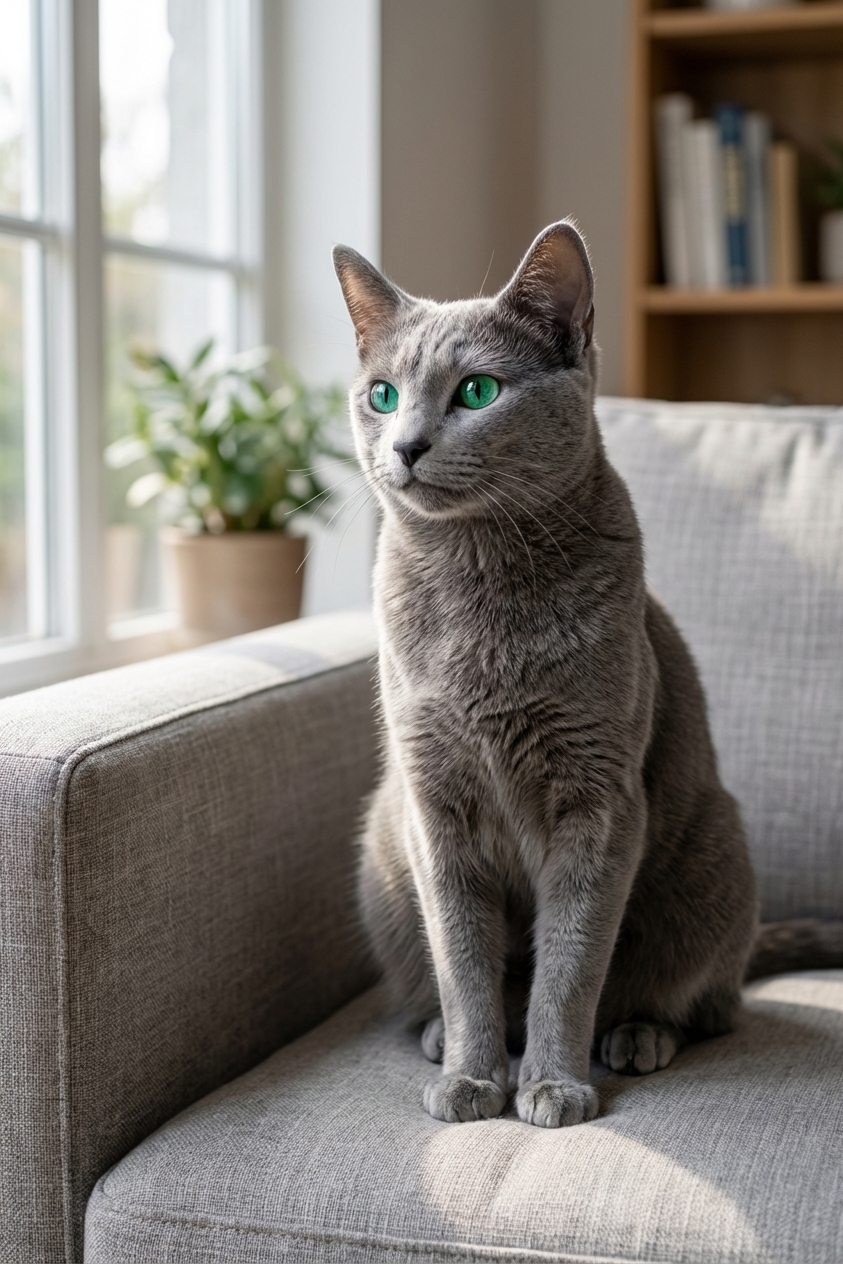
- Russian Blue : Dense coat and plenty of anecdotal reports of fewer symptoms, but research is inconsistent.
- Sphynx : No fur does not mean no allergens. Skin oils, saliva, and dander are still present, and regular bathing and skin care are often needed.
- Devon Rex and Cornish Rex : Their coat type may shed differently, which can change how much allergen gets distributed in the environment. Allergens are still present because they are not only in hair.
Also, mixed-breed cats can be wonderful allergy candidates for the right person because what matters most is the individual cat’s allergen output, not just the label.
What affects your symptoms
1) The individual cat
Two cats of the same breed can produce very different allergen levels. Age, hormones, grooming habits, and overall health can all play a role. Some research suggests intact males may produce more Fel d 1 on average, and neutering may help in some cases, but it is not reliable enough to treat as a rule.
2) Your home
Allergen load builds up in carpets, upholstered furniture, bedding, and even in vents. If you are already sensitized, a small increase in allergen exposure can feel huge.
3) Your immune system
Some people have mild symptoms that improve with routine cleaning. Others have significant asthma or chronic sinus issues that require medical management, or may not be able to live with a cat safely.
How to test before committing
If you are considering adopting a cat and allergies are a concern, aim for a real-world trial with safeguards:
- Spend time with the specific cat, not just the breed, ideally multiple visits in the same setting where you will interact normally.
- Consider a foster-to-adopt trial. Many rescues offer this, and it can prevent heartbreak for both you and the cat.
- Talk with your allergist. Skin or blood testing can clarify whether you are reacting to cats and how strongly, and help you create a plan.
- Use caution with informal “tests”. A quick petting session is not a reliable diagnostic. Symptoms can be delayed, and allergy medication can mask early warning signs.
If you have a history of asthma triggered by animals, take this step seriously. If you have had severe attacks around cats, do not do exposure trials without specialist guidance and an asthma action plan.
Steps that make a difference
If you already have a cat or you are planning for one, these strategies can reduce allergen exposure significantly.
Home setup
- Create a cat-free bedroom. This one change often improves sleep and morning symptoms.
- Use a true HEPA air purifier in the rooms you spend the most time in.
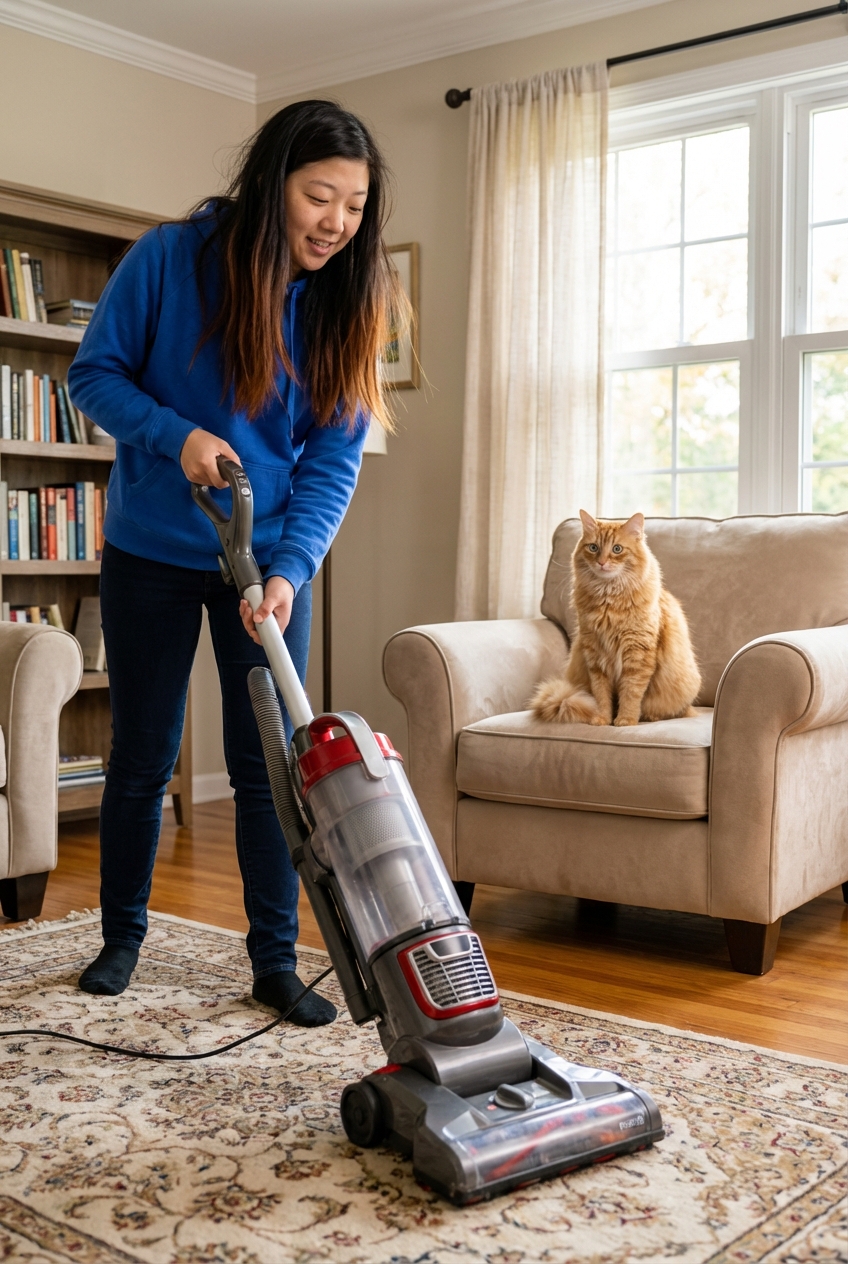
- Vacuum with a HEPA filter and clean floors frequently. If possible, choose hard flooring over carpet.
- Damp dust instead of dry dusting so you trap particles rather than re-suspending them in the air.
- Wash bedding and throws weekly in hot water if the fabric allows.
- Change HVAC filters regularly and consider higher-efficiency filters if your system supports them.
- Wash hands after petting and avoid touching your face, especially before bed.
Cat care
- Brush the cat regularly, ideally by a non-allergic household member and done outside when possible.
- Wipe-downs or bathing can reduce surface allergens for some cats, especially hairless breeds, but do it gently and with vet-approved products.
- Stay on top of skin health. Parasites and skin disease can increase dandruff and allergen spread, so keep up with parasite prevention and address itching early.
Food and allergen-reducing options
There is emerging evidence that some diets, including those using egg-derived antibodies that bind Fel d 1, can reduce active Fel d 1 on hair and dander in some cats. This does not eliminate allergens, results vary, and it does not guarantee symptom relief for every person. If you are curious, ask your veterinarian whether an allergen-reducing diet is appropriate for your cat’s age and health.
Treatment options to discuss
Environmental changes help, but medical support is often what makes cat ownership possible for allergy households. An allergist may recommend options such as daily non-sedating antihistamines, nasal steroid sprays, eye drops, or an asthma controller plan when appropriate. For some people, allergen immunotherapy (allergy shots or under-the-tongue therapy, depending on your region and clinician) can reduce sensitivity over time. The right approach depends on your symptoms and asthma history, so make it a joint plan with your clinician.
Kittens and sex myths
You may hear that kittens are easier for allergies or that female cats are less allergenic. There may be trends in some studies, but they are not consistent enough to base a decision on. What matters most is your reaction to that individual cat and how well you can manage the home allergen load.
Bottom line
Hypoallergenic cats are not a guarantee , but it is absolutely possible for many allergy sufferers to live happily with a cat using a thoughtful plan. Focus on the individual cat, try to do a foster-to-adopt or repeated visits before committing, and use practical allergen-reduction steps at home.
If you want the safest next step, talk with your veterinarian and an allergist together. You deserve to breathe easier, and your future cat deserves a stable home.