No cat is truly hypoallergenic—but some are easier to live with. Learn what Fel d 1 is, why “hypoallergenic” breeds aren’t guaranteed, and practical ...
Article
•
Designer Mixes
Hypoallergenic Cat Breeds: Best Cats for Allergy Sufferers

Shari Shidate
Designer Mixes contributor
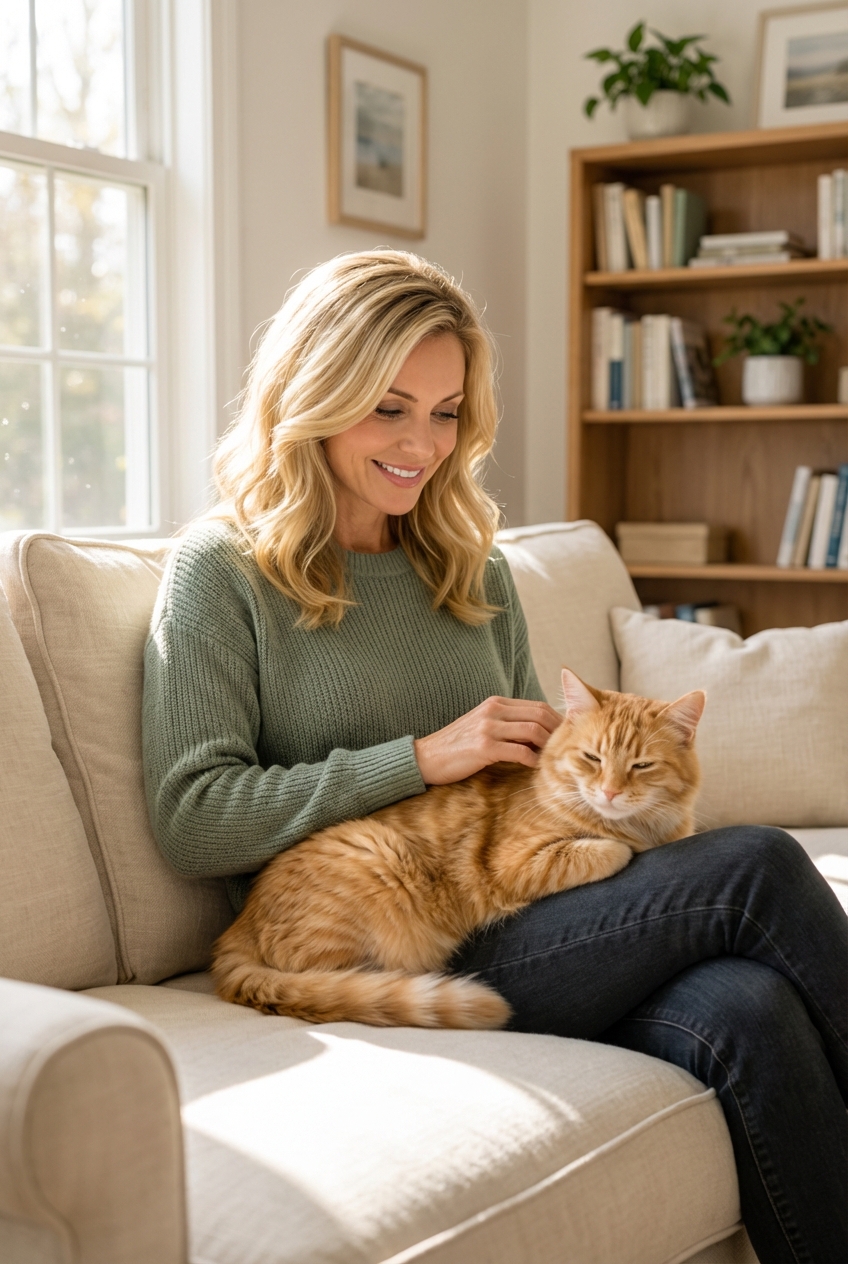
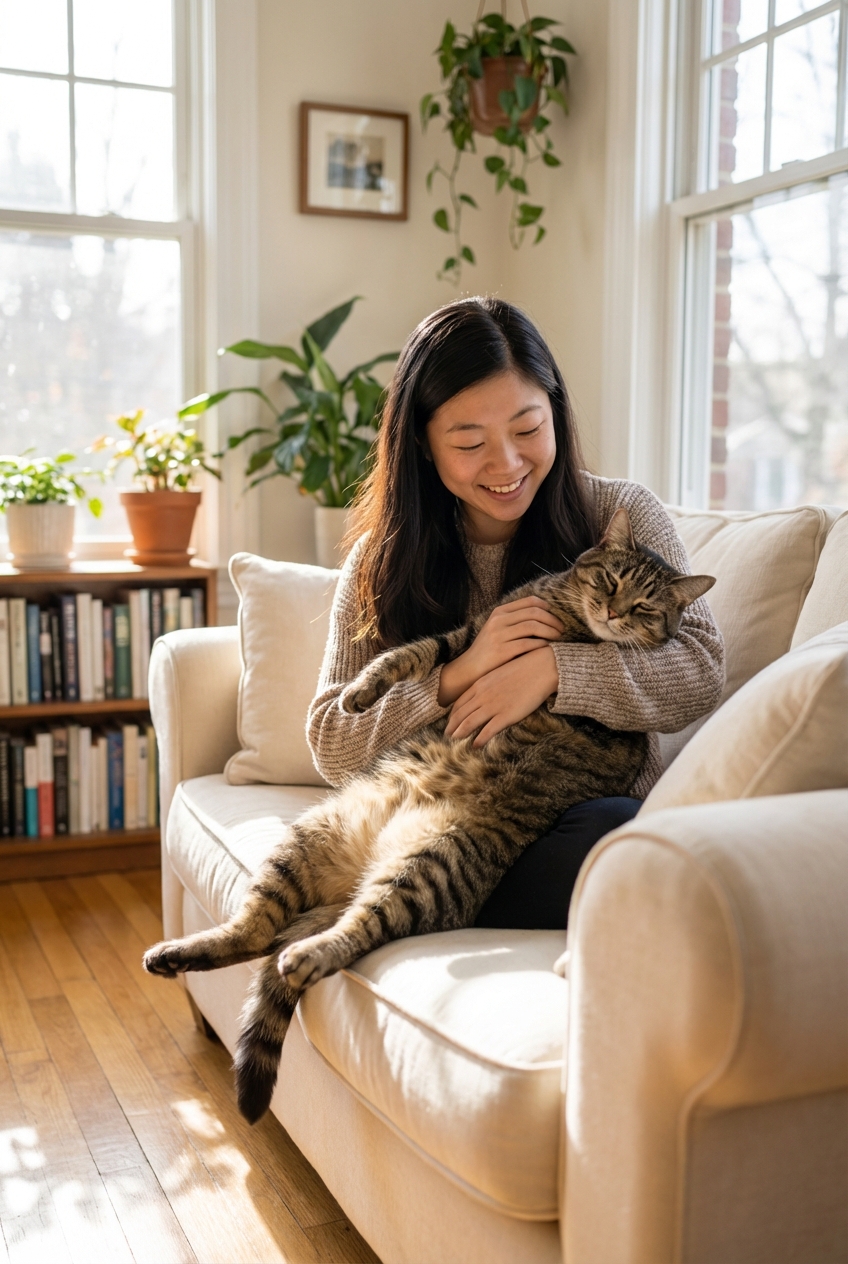
Cat allergies can feel like an unfair trade: you love cats, but your nose and eyes disagree. The good news is that some cats may be easier for allergy sufferers to live with, especially when you pair the right match with an allergy-smart home setup. In my work in lifestyle medicine, I remind patients that the goal is not perfection, it is a sustainable routine that keeps symptoms manageable while you enjoy your home and your pets.
Let’s talk about what “hypoallergenic” really means, which breeds are sometimes better tolerated, and the practical steps that make the biggest difference.
What “hypoallergenic” really means
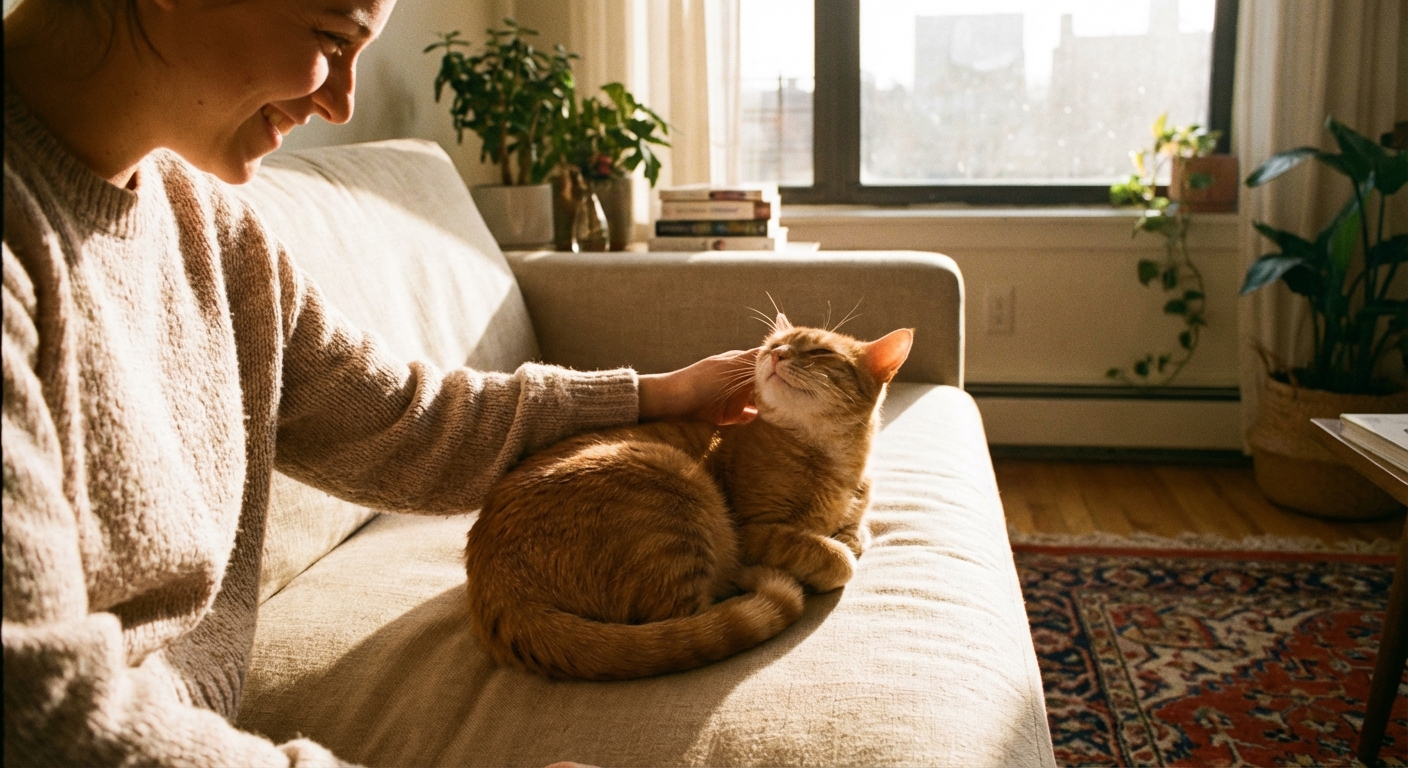
No cat is truly 100 percent allergy-free. “Hypoallergenic” usually means a cat is less likely to trigger symptoms for some people. It does not mean zero risk. Differences in tolerance often come down to:
- Fel d 1 protein: the most common cat allergen, found in saliva, skin oils, and dander.
- Shedding and allergen spread: some coat types may spread allergens differently, and grooming routines can reduce build-up.
- Personal sensitivity: two people can react very differently to the same cat.
Important note: People often assume fur itself is the allergen. In reality, the main issue is the protein in dried saliva and skin flakes that ends up on fur, bedding, carpets, and even walls.
Why some cats are easier to tolerate
Cats groom themselves constantly. As saliva dries on the coat, it flakes off with dander and can become airborne, especially with movement, vacuuming, or forced air heating and cooling. Some cats may be easier for allergy sufferers because they:
- May produce lower Fel d 1 levels on average (evidence is limited and mixed)
- Have coat types that may trap allergens until grooming or bathing
- Shed less, so allergens may spread more slowly
Within any breed there is a lot of variability. The most reliable approach is to spend time with the individual cat before committing.
Breeds to consider
Before the list, one clear reminder: no breed is reliably hypoallergenic. The breeds below are commonly suggested for allergy-aware homes, based on a mix of small studies, clinical experience, and owner reports. Think of them as starting points, not guarantees.
Siberian
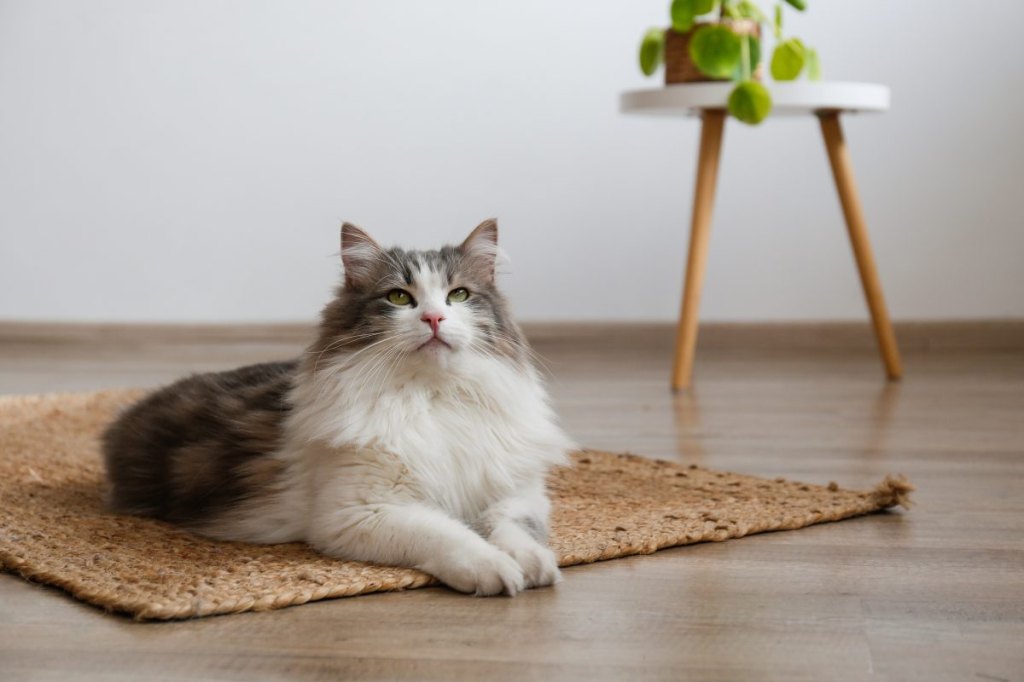
Surprisingly for a long-haired cat, Siberians are frequently discussed in allergy conversations because some may produce lower Fel d 1. Evidence is not definitive and individual cats vary a lot. They are affectionate and playful, and they do best with regular brushing to reduce loose hair and dander in the home.
Balinese
Sometimes called the “long-haired Siamese,” Balinese cats are social and people-focused. They are often rumored to be easier for some allergy sufferers, possibly related to Fel d 1 differences, but data is limited. Their single coat can be easier to maintain than it looks.

Russian Blue
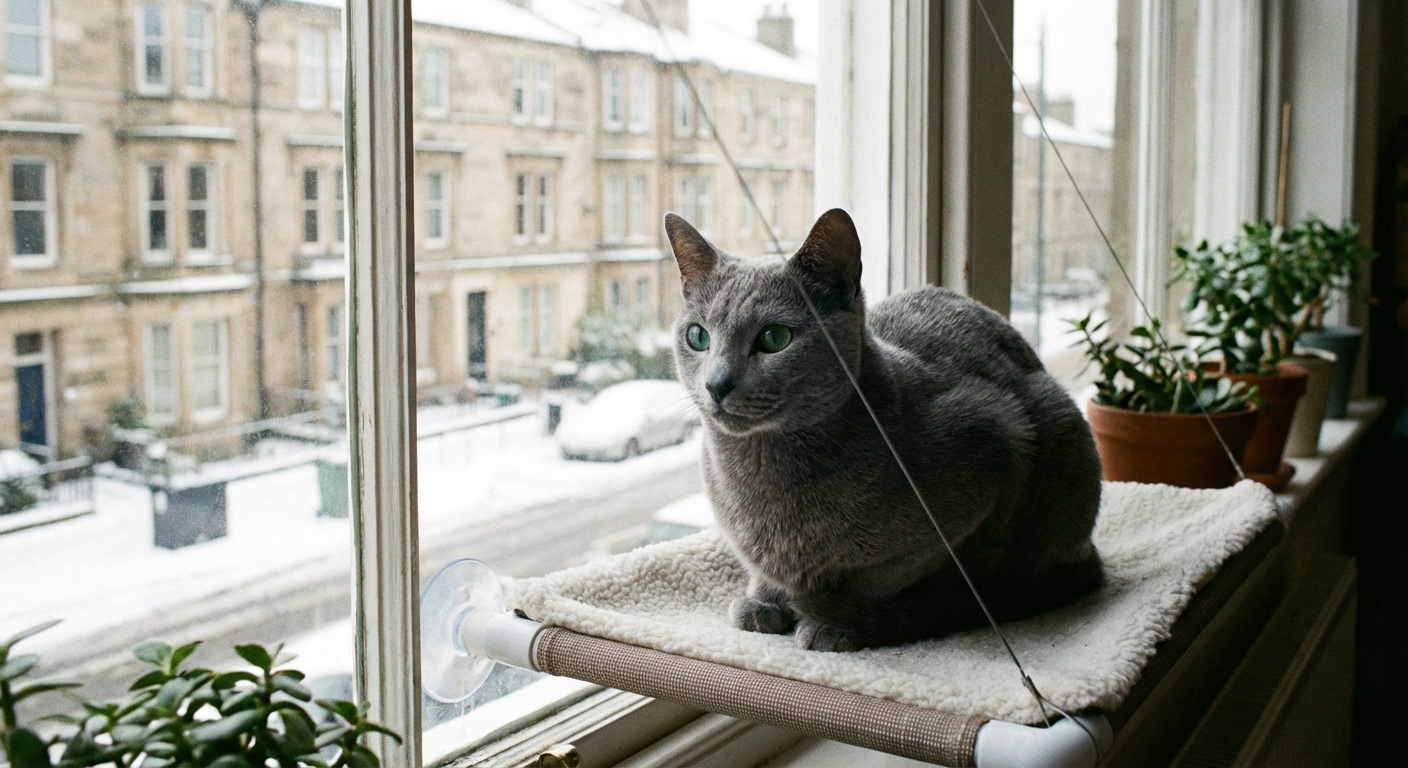
Russian Blues have a dense, plush coat and are a common pick for allergy-aware households. Many people report good tolerance, but reactions still vary by person and by cat. They also tend to be a bit more reserved, which can help if you are trying to keep exposure moderate.
Sphynx
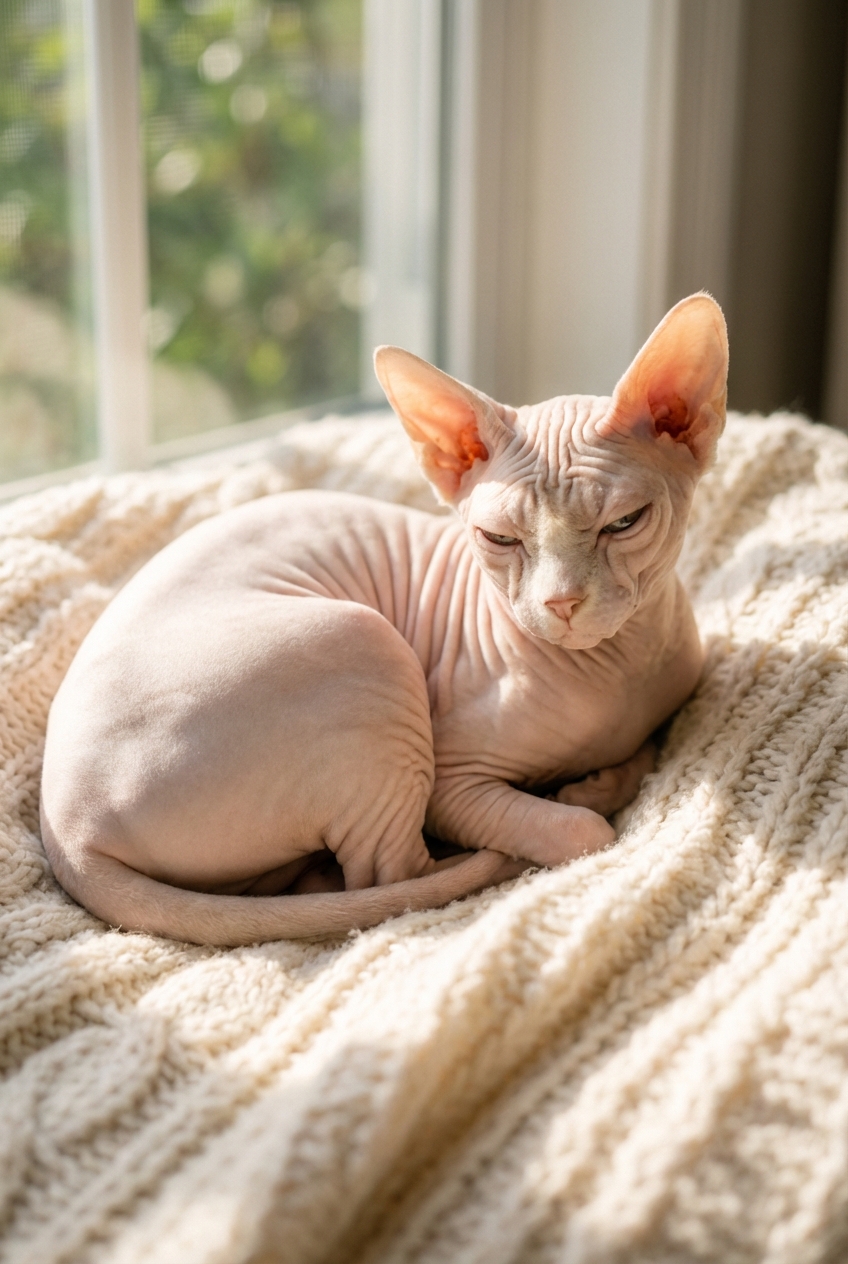
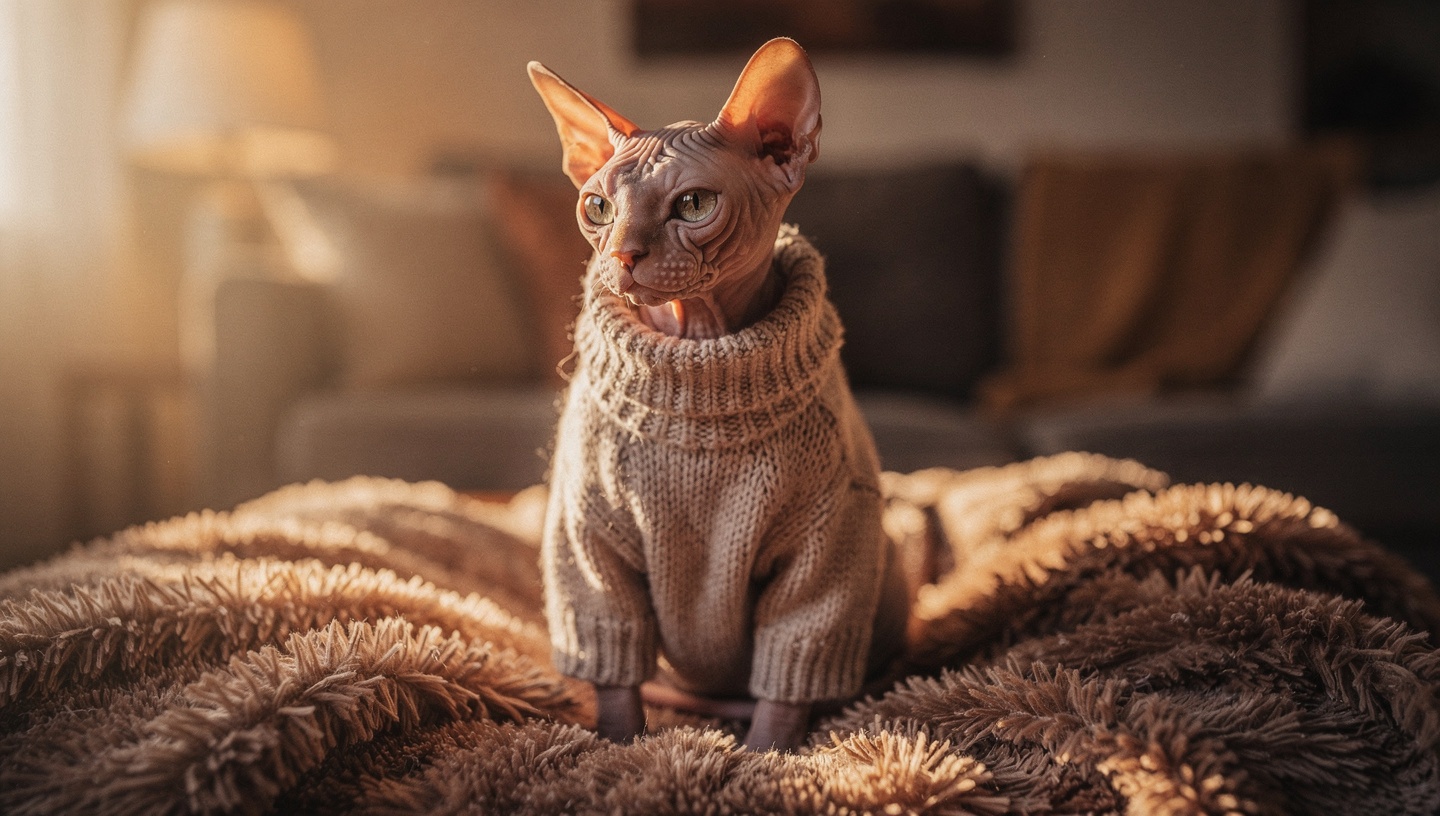
The Sphynx is hairless, but not allergen-free. Allergens can build up on skin oils, so a Sphynx often requires routine bathing and ear cleaning. For some families, that predictable maintenance is a worthwhile trade.
Devon Rex
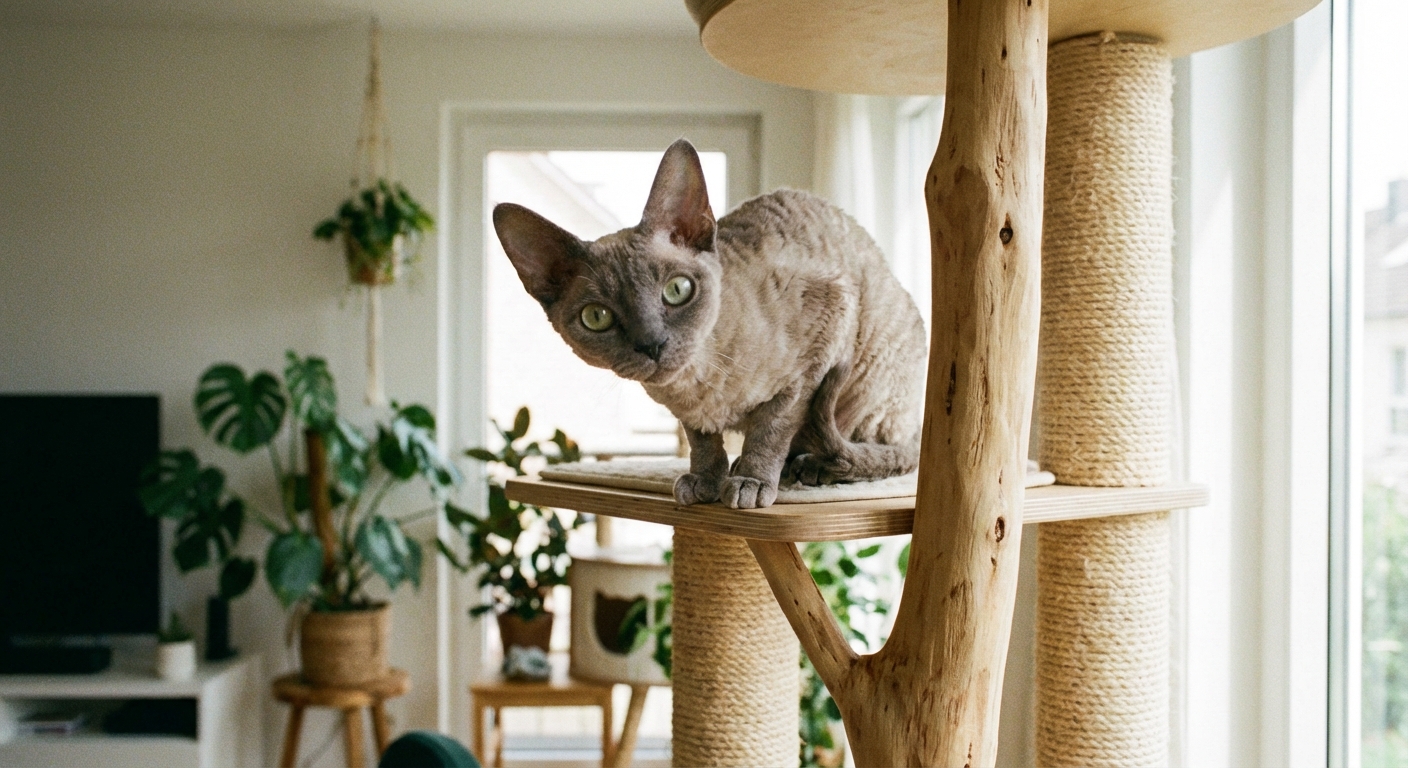
Devon Rex cats have a soft, wavy coat and may shed less than many breeds, which can help reduce how quickly allergens spread. They are energetic, curious, and often love being involved in everything you do. Gentle grooming and frequent laundering of bedding can help keep allergen levels down.
Cornish Rex
With a very short, curly coat, Cornish Rex cats can be easier for some allergy sufferers to live with. They are typically active and playful. Because their coat is fine, a consistent cleaning routine helps reduce airborne dander.
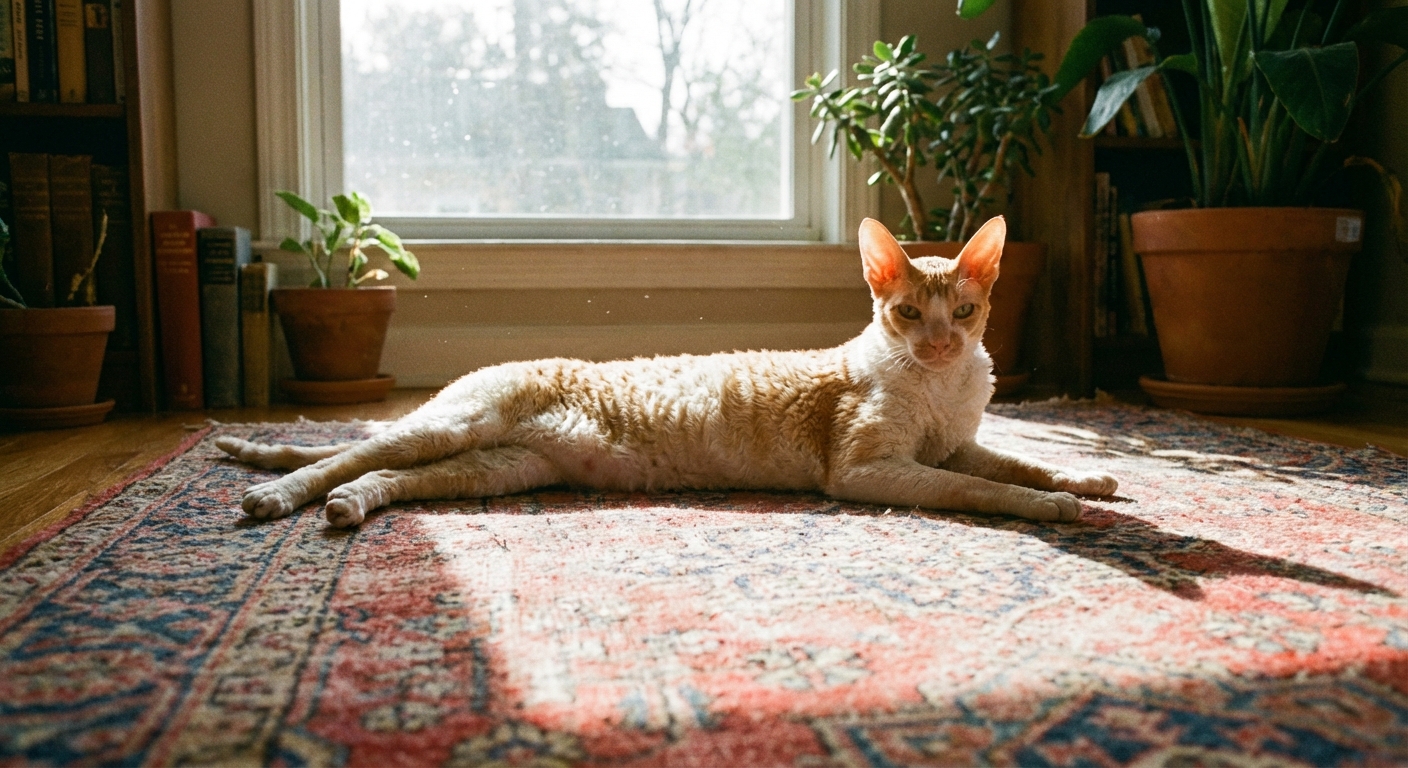
Oriental Shorthair
These cats have short coats and a sleek build, and many owners find the shedding manageable. They are vocal, social, and thrive with attention. If you prefer an interactive cat, this breed is worth exploring.

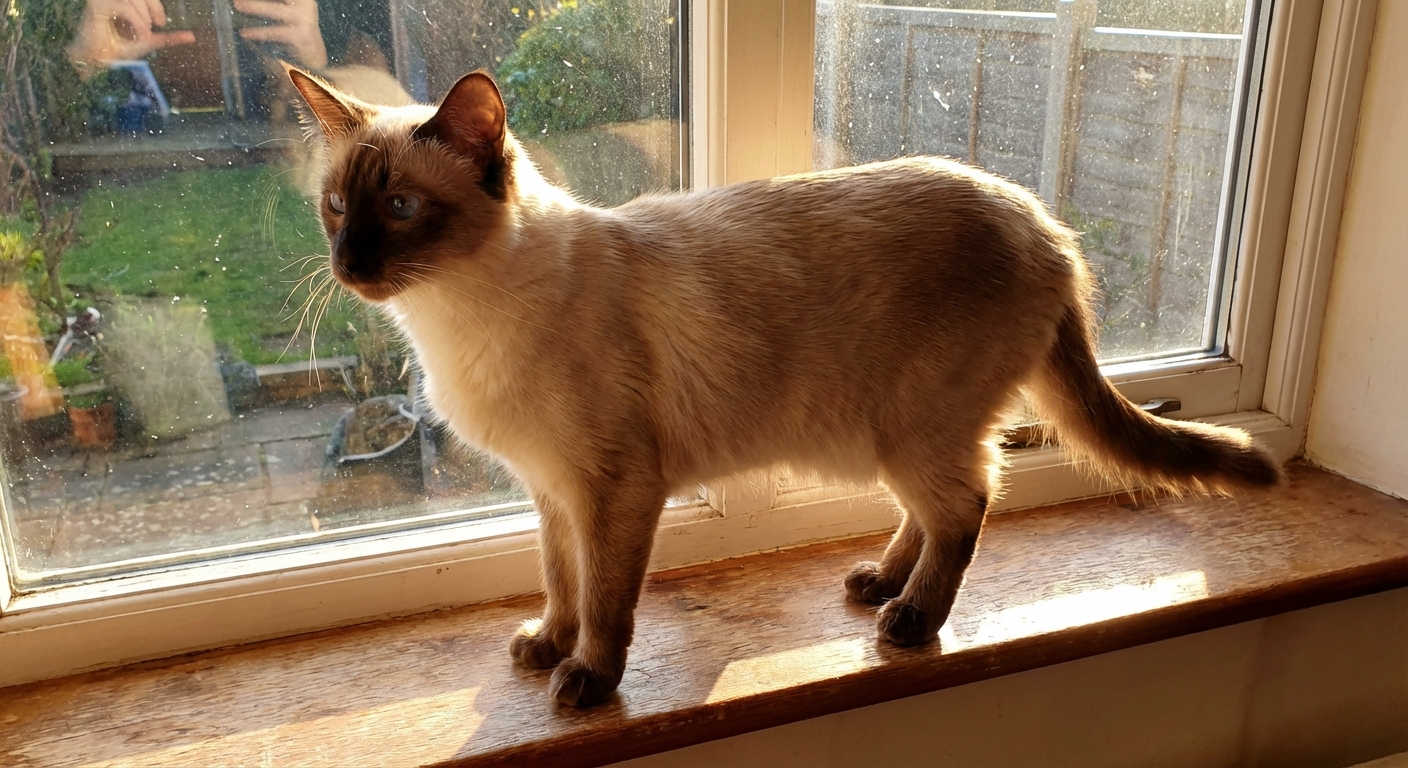
Javanese
Javanese cats have a silky coat with less undercoat, which can mean less shedding for some cats. They are often affectionate and lively. Regular brushing and good air filtration can make a noticeable difference.
How to choose the right cat
Breed can help, but your day-to-day experience depends on the individual cat and your environment. Here is a practical approach:
- Test your reaction first : spend at least 30 to 60 minutes with the cat on more than one day if possible.
- Ask about the cat’s routine: diet, grooming, and health can affect skin and coat quality.
- Consider an adult cat: allergen levels and behavior patterns are often more predictable than with very young kittens. Some people also find that kittens lead to more close contact and handling, which can increase exposure.
- Prioritize temperament: a calm cat that is happy with boundaries can be easier to manage than a cat that insists on sleeping on your pillow.
- Use shelter and foster insights: ask whether the cat has been in a foster home, how much it sheds, and whether staff have noticed any “sneeze reactions” in visitors. Some rescues can offer trial periods, which can be invaluable.
Home setup that works
If I could give just one piece of advice, it would be this: reduce the allergen load in your environment. Small, consistent habits compound into remarkable results over time.
Daily and weekly habits
- Create a bedroom boundary: keep the cat out of the bedroom to protect your sleep and reduce overnight exposure.
- Use a HEPA air purifier: especially in the bedroom and main living area.
- Vacuum with HEPA filtration: 2 to 3 times per week, more if you have carpets.
- Wash soft surfaces: blankets, throws, and cat beds weekly in hot water if fabric allows.
- Wipe hard surfaces: a damp cloth reduces re-circulating allergens better than dry dusting.
- Clothing strategy: after heavy cuddle time, consider changing clothes, and avoid sitting on your bed in “cat clothes.”
Grooming strategies
- Brush routinely: ideally outdoors or in a well-ventilated area. If possible, have a non-allergic household member do the brushing.
- Consider bathing: some cats tolerate occasional baths, which can reduce allergen build-up. Work with your veterinarian or groomer on a safe plan. If possible, a non-allergic person should handle bathing too.
- Hand hygiene: wash hands after petting and avoid touching your face.
HVAC and air flow
- Upgrade HVAC filtration: if you have central air, ask a technician what high-efficiency filter your system can safely handle and replace it on schedule.
- Keep airflow clean: vents and returns can collect dust and dander. Routine maintenance helps, especially in peak heating or cooling seasons.
- Ventilate the litter area: and consider low-dust litter to reduce irritation.
Home design choices
- Choose easy-to-clean materials: leather or tightly woven upholstery tends to hold less dander than plush fabrics.
- Minimize clutter: fewer surfaces for allergens to settle on.
- Create “cat zones”: give the cat attractive resting spots you can clean easily, so it is less tempting for them to claim your pillows and linens.
Medical options
If you love cats and want symptoms under control, it helps to have a simple medical plan. Talk with a healthcare professional about:
- Non-drowsy antihistamines for daily symptom control
- Intranasal corticosteroid sprays for persistent nasal congestion
- Allergy immunotherapy (allergy shots or sublingual options in some cases) for longer-term improvement
- Asthma evaluation if you wheeze, feel chest tightness, or get short of breath around cats
Safety note: If cat exposure triggers asthma symptoms, swelling, or severe reactions, do not try to “push through it.” Get medical guidance first.
When to avoid exposure
Some situations call for extra caution. If you have a history of severe asthma flares, emergency visits for breathing issues, or rapid swelling reactions around cats, it is worth getting an allergist or pulmonologist involved before you bring a cat home. In some cases, the safest plan may be avoiding cat exposure altogether.
Frequently asked questions
Are hairless cats best for allergies?
Not necessarily. Hairless cats can still carry allergens on their skin and in saliva. Some people do great with a Sphynx because bathing is routine and predictable. Others react just as strongly.
Do male or female cats cause fewer symptoms?
Some studies suggest intact male cats may produce more Fel d 1 than females or neutered males. Many families report fewer issues with spayed and neutered cats overall, but this is not a guarantee.
Can diet reduce cat allergens?
Nutrition affects skin and coat health. There are also veterinary diets designed to reduce active Fel d 1 in saliva for some cats (effect size varies, and it does not help everyone). Ask your veterinarian whether a specific option is appropriate for your pet, and treat it as one tool, not the whole plan.
How long does cat dander stay in a home?
Allergens can linger for weeks to months, especially in carpets and upholstered furniture. Persistence depends on ventilation, cleaning habits, and how much soft furnishing you have. Deep cleaning, HEPA filtration, and frequent laundering help speed improvement.
Bottom line
If you have allergies, the best “hypoallergenic cat” is the one you personally tolerate with a realistic home routine. Breeds like the Siberian, Balinese, Russian Blue, Rex varieties, and Sphynx are common starting points, but your environment and habits matter just as much.
If you want, make it a two-step plan: (1) meet several cats and track your symptoms, then (2) set up your home with HEPA filtration, a bedroom boundary, and consistent cleaning. That combination gives many allergy sufferers a real chance at comfortable, joyful cat ownership.