Support a dog with Cushing’s disease using lean proteins, fiber-rich vegetables, smart carbs, and controlled fats. Get label tips, treat ideas, and safe fe...
Article
•
Designer Mixes
Hyperadrenocorticism (Cushing’s) in Dogs

Shari Shidate
Designer Mixes contributor
When a dog has hyperadrenocorticism, most families know it by the more common name, Cushing’s disease. It can feel confusing at first, especially because the signs can look like normal “getting older” changes. The good news is that Cushing’s is well studied, there are clear ways to test for it, and many dogs do very well with the right plan.
As a veterinary assistant here in Frisco, Texas, I have seen how much better owners feel once they understand what is happening and what to watch for at home. Let’s walk through it together in a simple, owner-friendly way.
What Cushing’s is
Cushing’s disease happens when your dog’s body is exposed to too much cortisol for too long.
Cortisol is a natural steroid hormone made by the adrenal glands. In healthy amounts, cortisol helps with stress response, blood sugar balance, inflammation control, and normal metabolism. In Cushing’s, cortisol stays high, and that long-term exposure affects the whole body.
Main types
- Pituitary-dependent hyperadrenocorticism (PDH): The most common form. A usually benign pituitary tumor causes the body to signal the adrenal glands to make too much cortisol. PDH is commonly cited as about 80 to 85 percent of naturally occurring cases.
- Adrenal-dependent hyperadrenocorticism (ADH): A tumor in one adrenal gland produces excess cortisol. These tumors can be benign or malignant.
- Iatrogenic Cushing’s: Caused by long-term use of steroid medications (like prednisone) at doses high enough to suppress normal hormone balance.
Common signs
Most dogs are diagnosed because an owner notices a cluster of changes that slowly build. These are some of the most common:
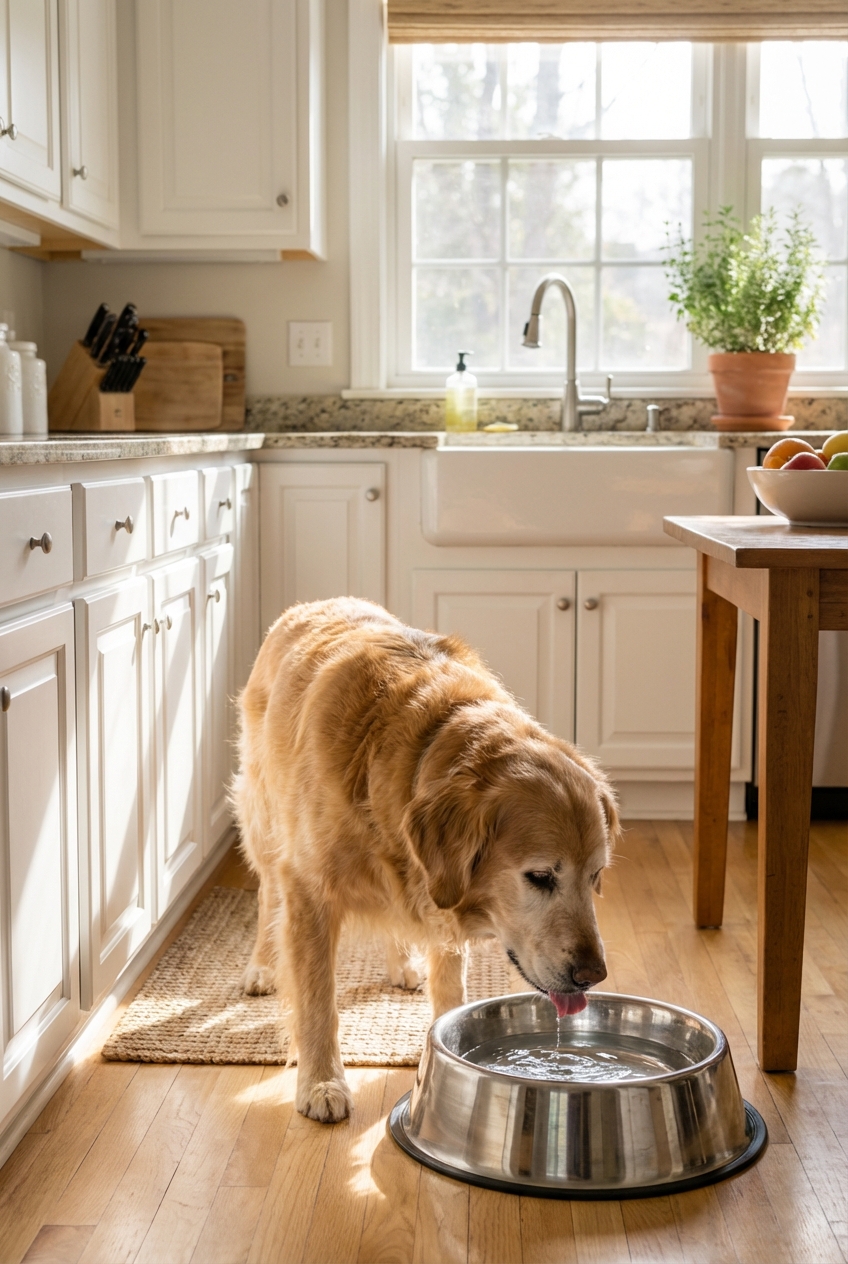
- Drinking more water and urinating more (including accidents in a previously house-trained dog)
- Increased appetite and food-seeking behavior
- Pot-bellied appearance from muscle weakness and fat redistribution
- Panting more than usual, even at rest
- Thinning fur or symmetrical hair loss on the trunk
- Thin skin, easy bruising, or slower healing
- Recurring skin or ear infections
- Low energy, less interest in walks or play
Quick note: Lots of conditions can cause increased drinking or appetite. That is why testing matters. These signs are a reason to investigate, not a reason to panic.
Important: If your dog is drinking a lot, do not restrict water at home unless your veterinarian specifically tells you to. Limiting water can be dangerous.
Who is at higher risk?
Cushing’s is most often diagnosed in middle-aged to senior dogs. It can happen in any breed and any size.
- Age: Commonly 7 years and older
- Size and breed: Seen frequently in many small breeds and mixes, but adrenal and pituitary forms can occur in both small and large dogs
- Medical history: Dogs on long-term steroid therapy are at risk for iatrogenic Cushing’s
How vets diagnose it
Diagnosing Cushing’s is usually a step-by-step process. No single test is perfect for every dog, so your vet will choose based on symptoms, physical exam, and basic lab results. It also helps to consider the “pretest probability,” meaning how strongly your dog’s overall picture fits Cushing’s before running hormone tests.
Step 1: Basic screening
- Bloodwork (CBC and chemistry): May show patterns that raise suspicion, such as elevated liver enzymes (often ALP), higher cholesterol, and changes consistent with a stress response. These are clues, not a diagnosis.
- Urinalysis: Helps assess urine concentration (often more dilute in Cushing’s) and screens for infection, which is common with Cushing’s.
- Urine culture: Commonly recommended because urinary infections can be present without obvious symptoms.
Step 2: Hormone testing
- Low-dose dexamethasone suppression test (LDDST): One of the most commonly used screening and diagnostic tests for naturally occurring Cushing’s. In some dogs, the suppression pattern can offer clues that suggest PDH versus ADH, but it is not definitive by itself.
- ACTH stimulation test: Frequently used to monitor dogs on trilostane and can help diagnose some cases. It is generally less sensitive for naturally occurring Cushing’s than the LDDST, meaning it can miss cases.
Step 3: Imaging (when needed)
- Abdominal ultrasound: Can evaluate adrenal gland size and appearance, and check for related changes (like liver enlargement or gallbladder changes).
- Advanced imaging (CT or MRI): Sometimes used to evaluate pituitary tumors or for planning adrenal surgery.
Your vet may also talk with you about inaccurate results. Stress, non-adrenal illness (meaning other diseases affecting the body), and certain medications can influence cortisol testing. This is another reason your dog’s full history and exam matter so much.
Treatment options
Treatment depends on the type of Cushing’s and your dog’s overall health. Most owners are relieved to learn that many dogs can be managed successfully, especially with pituitary-dependent disease.
Medication (most common)
Trilostane is a commonly prescribed medication that reduces cortisol production. It requires monitoring because the goal is to control cortisol, not eliminate it.
- Pros: Effective for many dogs, non-surgical, improves symptoms like thirst, urination, appetite, and panting.
- Cons: Requires follow-up testing and dose adjustments; side effects are possible.
Mitotane is another medication used in some cases. Your veterinarian will advise if it is appropriate for your dog.
What monitoring usually looks like: Your veterinarian will schedule rechecks and blood tests after starting medication and after dose changes. Many clinics use ACTH stimulation testing or other cortisol monitoring protocols at specific timing after dosing. Your vet will guide you on the exact schedule for your dog.
Surgery (selected cases)
- Adrenal tumor removal (adrenalectomy) may be an option for some dogs with adrenal-dependent Cushing’s, depending on tumor type and whether it has spread.
If steroids caused it
For iatrogenic Cushing’s, the plan often involves a careful taper of steroid medication under veterinary supervision. Stopping steroids suddenly can be dangerous.
Life after diagnosis
With treatment, many dogs start improving within weeks. Owners commonly notice:
- Less frantic thirst and fewer potty accidents
- More comfortable breathing and less panting
- A calmer appetite
- Better energy and interest in normal activities
Hair regrowth and skin improvement can take longer, sometimes a few months.
Ongoing monitoring
Cushing’s treatment is not a “set it and forget it” situation. Monitoring helps your vet keep cortisol in a safe range and catch complications early.
- Expect rechecks and lab work after starting medication and after dose changes.
- Tell your vet quickly about vomiting, diarrhea, severe lethargy, weakness, or refusal to eat.
Possible complications
Not every dog develops complications, but Cushing’s can increase risk for issues your veterinarian may want to screen for, including high blood pressure, protein in the urine, diabetes, pancreatitis, blood clots, and gallbladder disease (including gallbladder mucocele).
Prognosis
Many dogs do well long-term with consistent management. For PDH in particular, treatment and monitoring are usually lifelong, but the day-to-day quality of life can be excellent once symptoms are controlled.
Home care tips
1) Track water and bathroom habits
A simple note in your phone can be powerful. If you measure water for a few days, you will have a baseline to compare after treatment.
2) Support the skin barrier
Dogs with Cushing’s can struggle with skin infections.
- Ask your vet about medicated shampoos if your dog is itchy or has recurrent infections.
- Dry ears well after baths and watch for odor or redness.
3) Keep weight and muscle in mind
Cushing’s can cause muscle weakness and fat redistribution. Gentle, consistent exercise is usually better than occasional bursts.
- Short, regular walks
- Low-impact play
- Non-slip rugs at home to prevent falls
4) Feed smart, not extreme
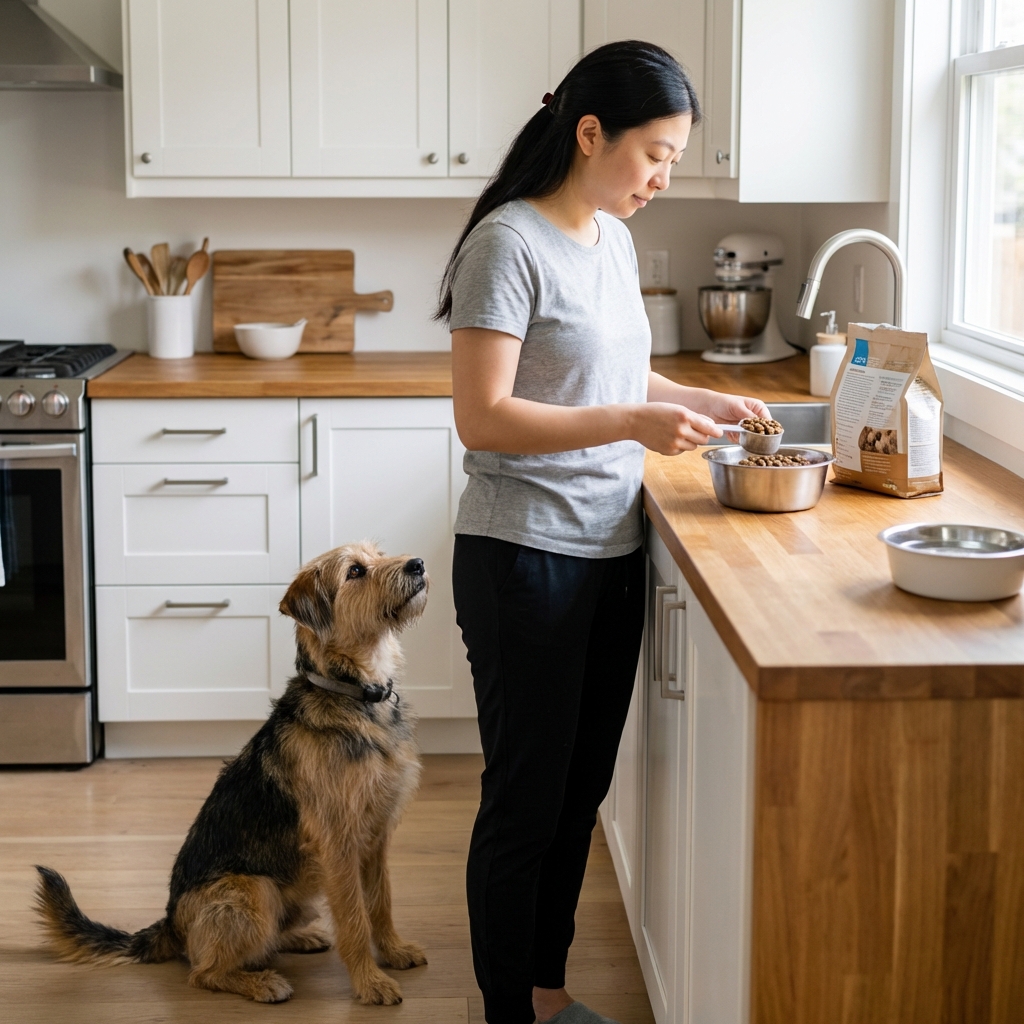
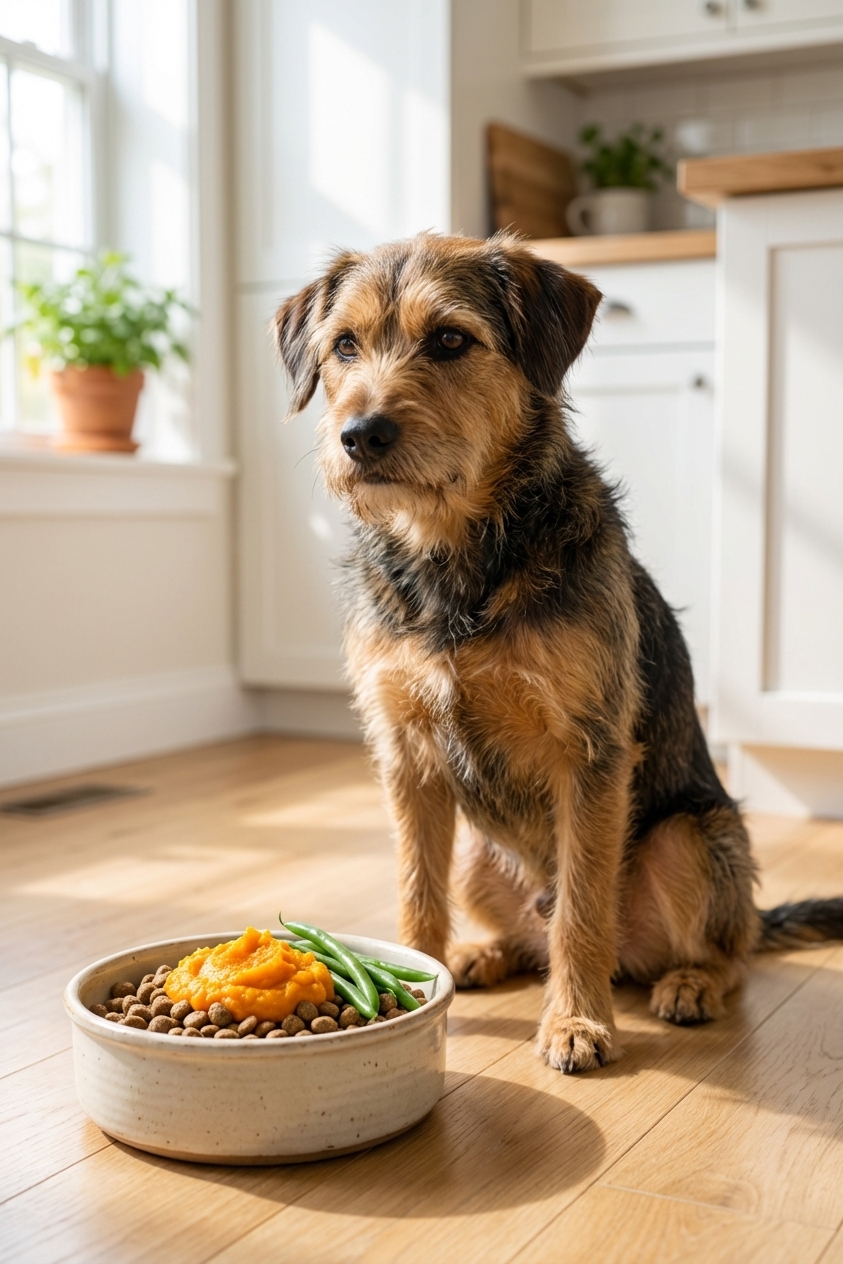
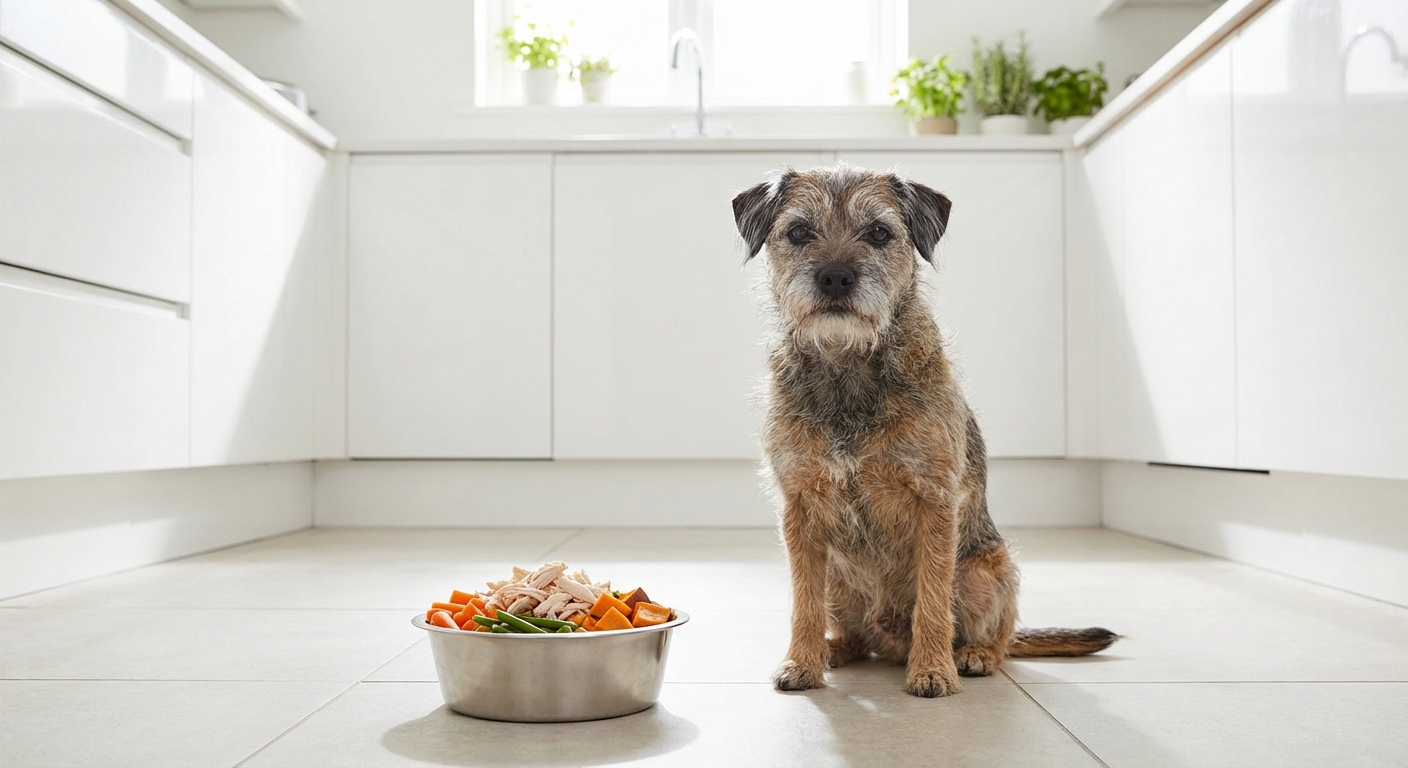
Nutrition does not replace medical treatment for Cushing’s, but it can support overall health. Focus on:
- High-quality protein to support muscle
- Fiber if hunger is intense, if your vet agrees
- Omega-3 fatty acids (like fish oil) for skin and inflammation, only with dosing guidance from your veterinarian
If you are interested in fresh or homemade food, please do it in a balanced way. For dogs with endocrine disease, I always recommend coordinating with your veterinarian or a board-certified veterinary nutritionist so nutrients stay consistent.
Call your vet urgently
Call your veterinarian promptly if your dog has Cushing’s and you see:
- Vomiting or diarrhea that is persistent
- Sudden weakness, collapse, or severe lethargy
- Refusal to eat for more than a meal
- Shaking, disorientation, or unusual behavior
- Signs of infection like fever, painful skin lesions, strong urine odor, or straining to urinate
These symptoms can signal complications or medication effects and are worth addressing quickly.
Questions to ask
- Which type of Cushing’s do you suspect for my dog, and why?
- Which test are we doing first, and what could affect the results?
- What treatment do you recommend, and what improvement timeline is realistic?
- How often will we recheck labs, especially after starting medication?
- What side effects should I watch for at home?
- Should we screen for urinary tract infection today?
- Do you recommend checking blood pressure or urine protein as part of monitoring?
You do not have to figure this out alone. Once you have a diagnosis and a plan, Cushing’s becomes something you manage step by step, not something that manages you.
Bottom line
Hyperadrenocorticism (Cushing’s disease) is common in older dogs, and it often shows up as increased thirst, increased urination, increased appetite, panting, and changes in the skin and coat. Diagnosis takes the right tests and the right context, and treatment typically involves medication with ongoing monitoring.
If you suspect Cushing’s, schedule a veterinary visit and bring notes about what you are seeing at home. Your observations are a key part of an accurate diagnosis and a smoother treatment journey.