A vet-assistant guide to weaning puppies gently from mom’s milk to solid meals. Includes a week-by-week schedule, gruel ratios, how much to feed, hygiene t...
Article
•
Designer Mixes
How to Wean Puppies From Mom

Shari Shidate
Designer Mixes contributor
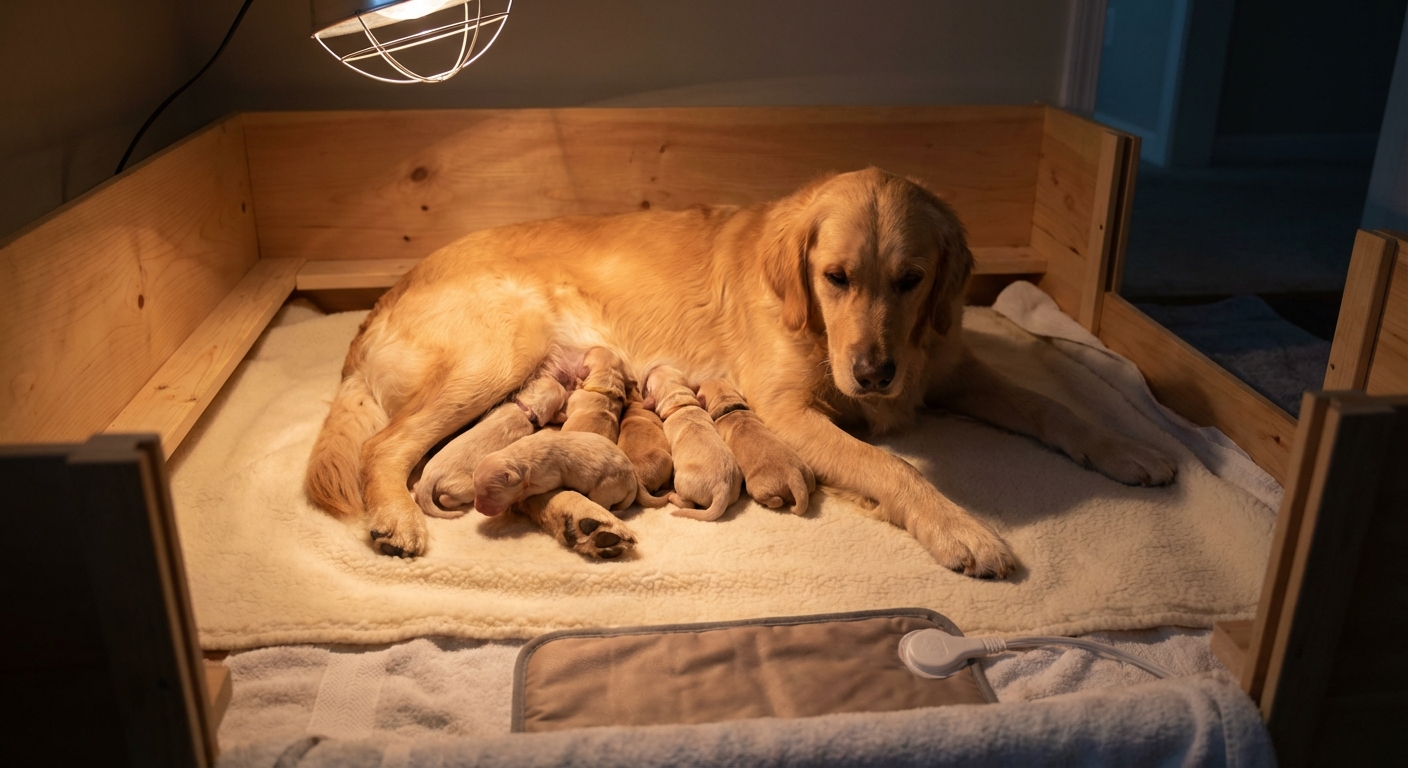
Weaning is one of those puppy milestones that feels simple until you are living it. As a veterinary assistant here in Frisco, Texas, I see the same worries over and over: Is it too soon? Are the puppies eating enough? Why is mom suddenly avoiding them? The good news is that most of what you are seeing is normal, and with a gentle plan you can keep puppies growing well while keeping mom comfortable and healthy.
In healthy litters, weaning is a gradual process that typically begins around 3 to 4 weeks of age and is often complete by 7 to 8 weeks. Some litters take a little longer depending on breed size, mom’s milk supply, and puppy confidence. Your job is to support the transition, not rush it.
When puppies are ready to start weaning
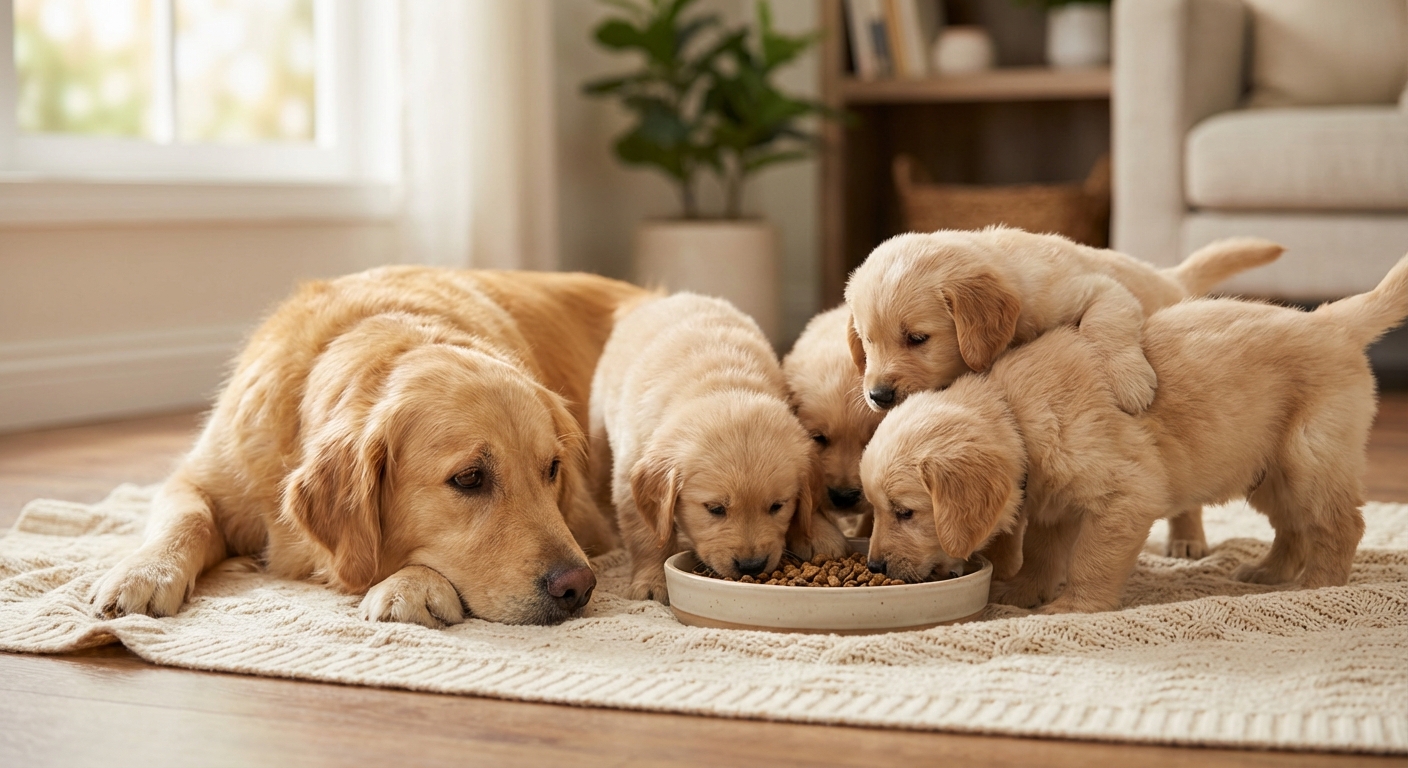
Age matters, but behavior is often the best clue. Puppies are usually ready to try lap food when they are steady on their feet and curious about what mom is eating.
Signs your litter is ready
- Baby teeth have started to erupt or you can see the tiny front teeth (often starting around 3 to 4 weeks).
- They are walking well and can stand at a dish without toppling over.
- They mouth and chew more, including nibbling at mom during nursing.
- They show interest when you bring food near the whelping area.
Share Your Experience
Signs you should slow down
- Repeated gagging, coughing, or milk/food coming out of the nose during bottle, syringe, or forced feeding (this can signal an aspiration risk).
- Loose stools that persist longer than 24 to 48 hours after a diet change.
- A puppy that cannot maintain weight or seems too weak to compete at the dish.
If any puppy is struggling, involve your veterinarian early. The smallest pups can get behind quickly during this stage.
What to feed during weaning
The goal is easy-to-lap, calorie-dense, highly digestible nutrition. Most breeders and veterinary teams use a quality puppy growth diet as the base.
Look for a food that says complete and balanced for growth (or all life stages) and meets AAFCO nutrient profiles. Ideally, choose a brand with strong quality control and veterinary nutrition expertise.
Best first foods
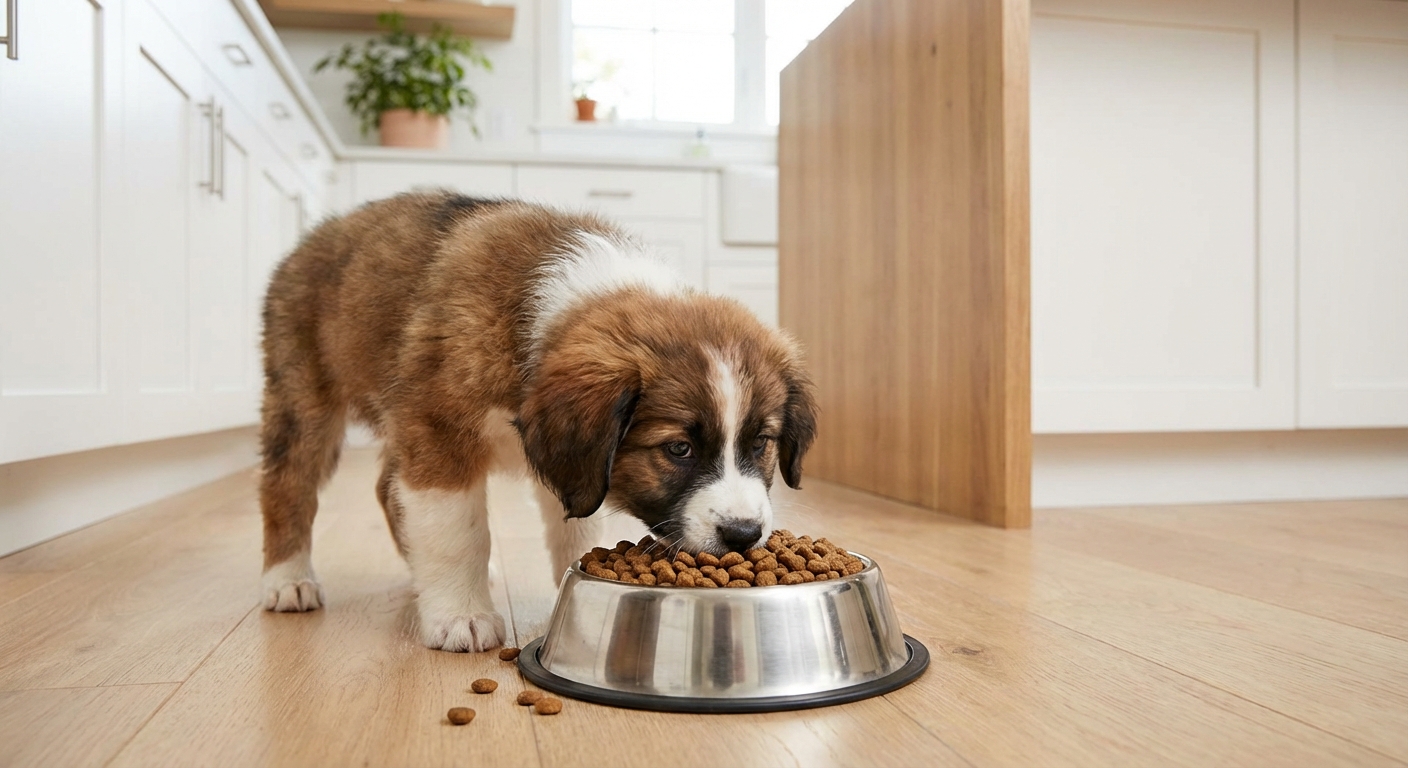
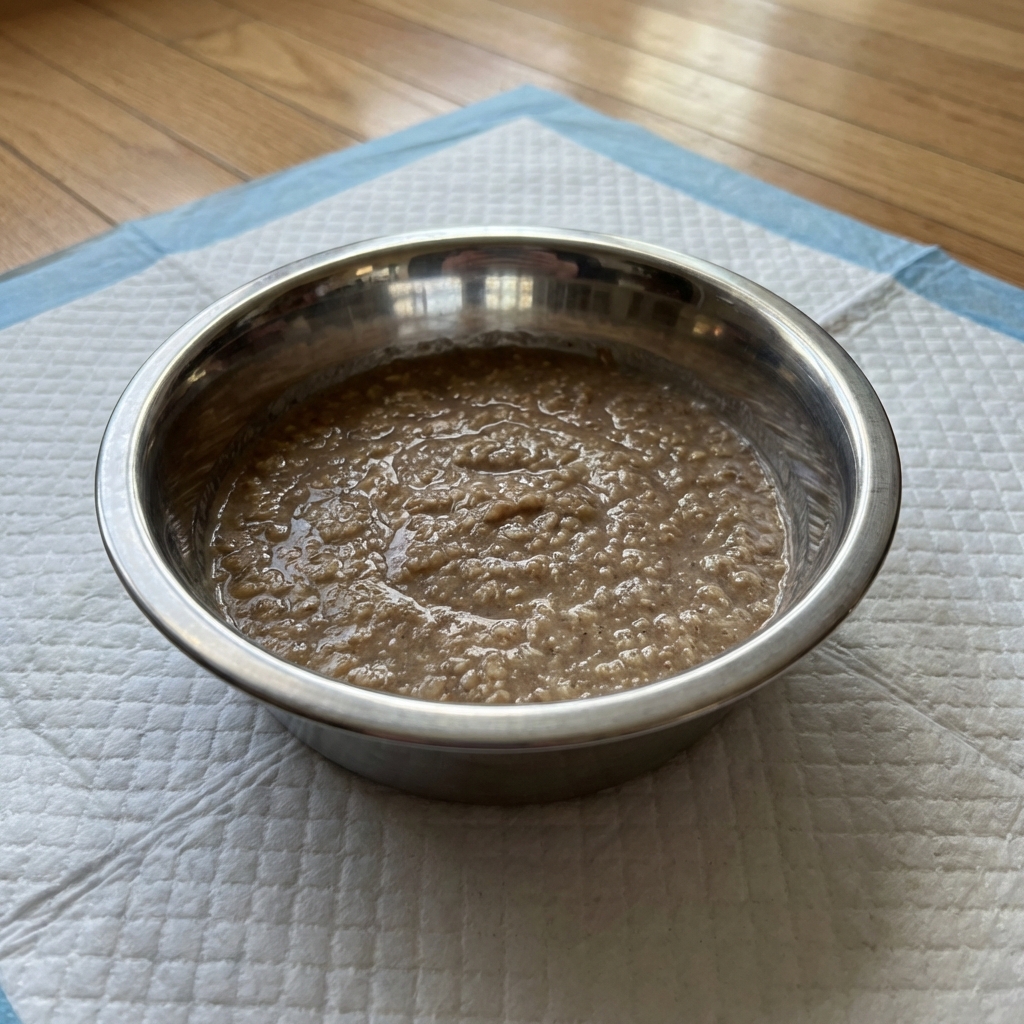
- Puppy gruel: canned puppy food or soaked kibble blended with warm water until it is the texture of thin oatmeal. Use warm, not hot water.
- Canned puppy food alone (as they improve at lapping).
- Soaked puppy kibble (as they begin chewing, typically closer to 5 to 6 weeks).
Avoid cow’s milk, heavy cream, or random table foods during weaning. They can trigger diarrhea and do not provide balanced growth nutrition.
Important note: If a puppy needs supplementation, commercial puppy milk replacer is different from cow’s milk. Ask your veterinarian which product and schedule are appropriate.
Step-by-step weaning schedule (weeks 3 to 8)
Every litter is a little different, especially depending on breed size, mom’s milk supply, and how confident the puppies are. Use this as a flexible roadmap.
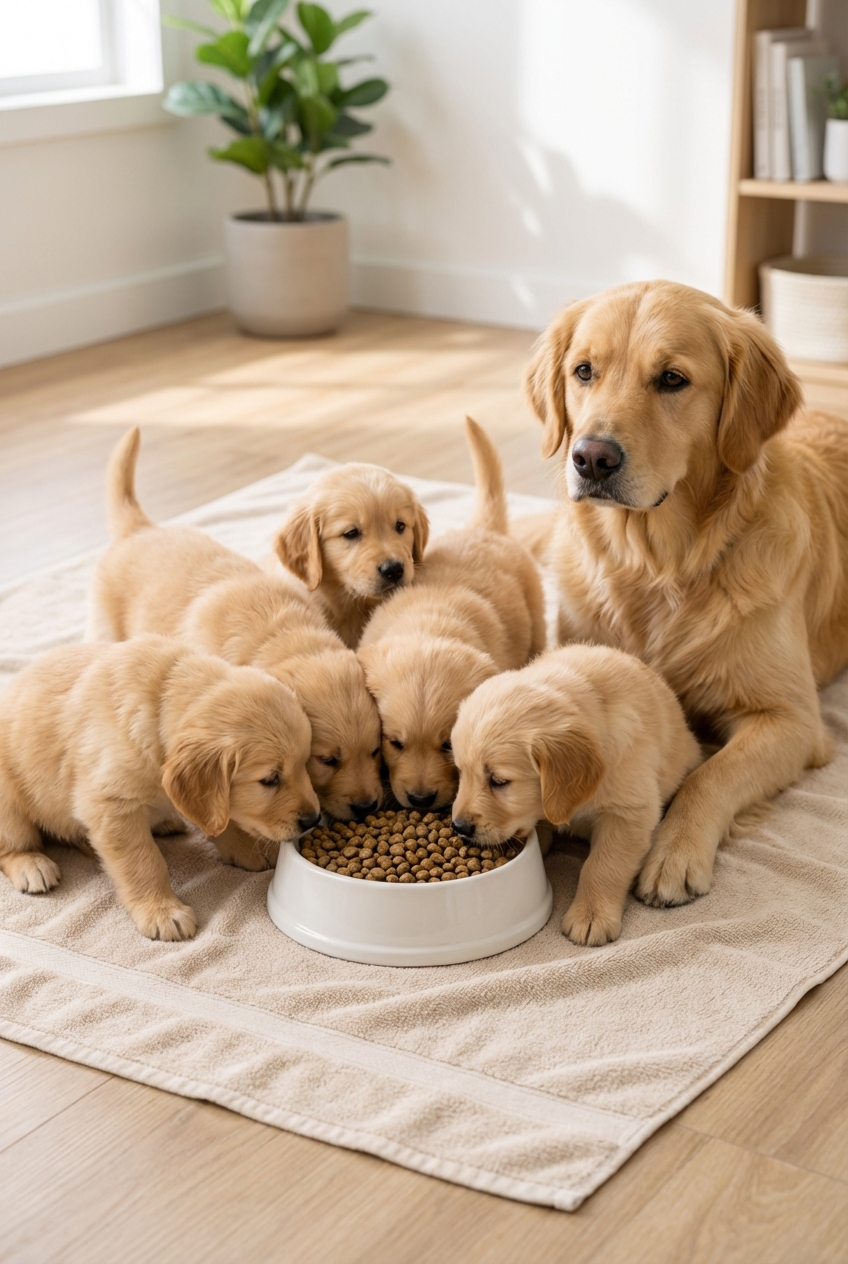
Week 3 to 4: Introduce puppy gruel
- Offer gruel 1 to 2 times daily in a shallow dish.
- Keep sessions short, about 10 to 15 minutes.
- Expect mess. Puppies step in food before they understand eating.
- Let puppies nurse normally between offerings.
Tip: If puppies do not recognize the dish, dab a small amount on a fingertip and let them lick, then guide them to the dish.
Food safety tip: Discard leftover gruel after 10 to 15 minutes and wash dishes well. Warm, wet food grows bacteria quickly.
Week 4 to 5: Increase meals and thicken the gruel
- Move to 3 meals per day.
- Make the gruel thicker by reducing water over several days.
- Begin offering a little canned puppy food with less dilution.
- Continue nursing, but you may notice mom starting to stand and walk away sooner.
Week 5 to 6: Transition toward soft solids
- Offer 3 to 4 meals per day.
- Start adding soaked kibble (soft, not crunchy yet).
- Most puppies will still comfort-nurse, but they rely less on milk for calories.
Week 6 to 7: Mostly solid puppy food
- Offer 4 meals per day for small breeds, 3 meals for many medium and large breeds.
- Reduce soaking time so kibble holds its shape but is easy to chew.
- Nursing may be brief and infrequent.
Week 7 to 8: Complete weaning
- Puppies should be eating a consistent puppy diet.
- Mom’s access to puppies is often limited to reduce nursing.
- By 8 weeks, most puppies can go to their new homes while staying on the same diet.
If you are raising a small breed or a toy mix, keep an especially close eye on energy and meal frequency. Tiny puppies are more prone to low blood sugar and can crash if they skip meals.
Deworming and parasite checks
This weaning window overlaps with standard deworming schedules, and parasites are a very common reason puppies get diarrhea or fail to gain weight. Many owners assume it is just the new food when it is actually worms.
- Follow your veterinarian’s deworming plan. A common schedule is 2, 4, 6, and 8 weeks, but your clinic may adjust based on risk and fecal results.
- Bring a fresh stool sample to puppy checkups, especially if stools are soft, greasy, or frequent.
- Keep the whelping and feeding area clean, because reinfection can happen quickly in a busy litter.
How to manage mom during weaning
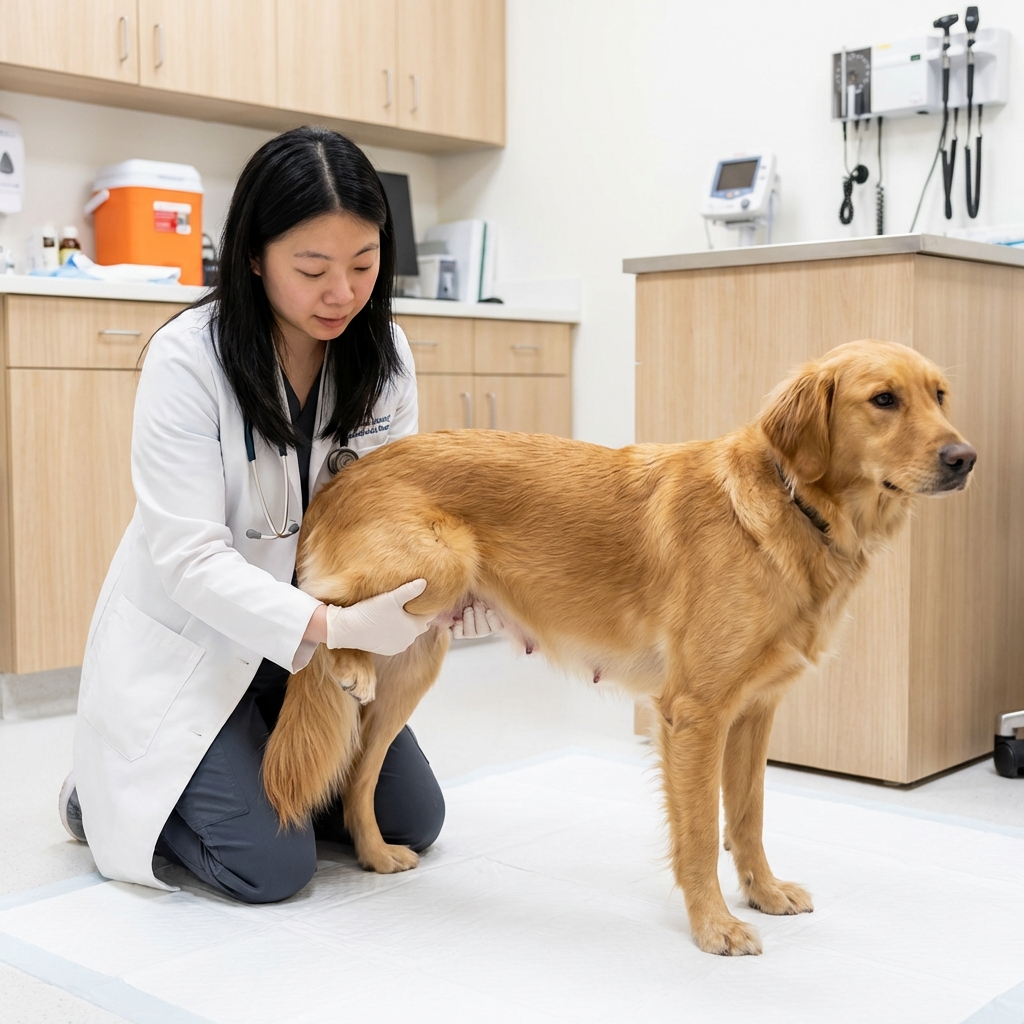
Mom’s body needs time to reduce milk production safely. One of the biggest risks during weaning is mastitis, which is a painful infection and inflammation of the mammary glands. Another common issue is engorgement (milk buildup) without infection, which can still be uncomfortable.
Support mom’s comfort and milk dry-up
- Gradually increase the time she is separated from the puppies as they eat more solid food.
- As puppies rely less on nursing, many breeders reduce mom’s calorie intake slightly for a few days to help milk production taper. Do this with veterinary guidance, especially if mom is thin.
- Keep her bedding clean and dry.
- Continue fresh water at all times.
Watch closely for mastitis and other problems
Call your veterinarian promptly if you notice:
- Hard, hot, swollen, or very painful mammary glands
- Red or purple discoloration of the skin
- Fever, lethargy, shivering, loss of appetite
- Milk that looks bloody, thick, or foul-smelling
- Puppies suddenly refusing to nurse or acting distressed at the nipple
Also call quickly if mom seems weak, shaky, restless, or uncoordinated, especially in toy breeds. Those signs can be seen with eclampsia (low calcium), which is an emergency.
Prevent diarrhea and picky eating
Loose stool is common with any diet transition, but persistent diarrhea is not something to ignore in young puppies. Dehydration can happen fast.
Keep tummies steady
- Make changes slowly. Thicken gruel over days, not hours.
- Feed on a schedule and pick up leftovers after 10 to 15 minutes.
- Keep the feeding area sanitized, especially if puppies walk through food.
- Use the same brand and formula consistently during weaning.
- Stay on schedule with deworming and ask your vet when to run fecal tests, since parasites often mimic “weaning upset.”
When to call the vet
- Diarrhea lasts more than 24 hours, or sooner if puppies are under about 4 to 5 weeks
- Vomiting, bloated belly, or marked lethargy
- Blood in stool
- A puppy that is not gaining weight or feels lighter day to day
How much should puppies eat?
There is no perfect spoon count that fits every litter, but there are three reliable ways to know if you are on track: weight gain, body condition, and the food label.
Simple monitoring that works
- Weigh puppies daily during early weaning (even a kitchen scale helps for small pups).
- A healthy puppy should generally gain weight steadily. Plateaus can happen briefly, but ongoing loss is a red flag.
- Look for a gently rounded belly after meals, not tight and painful.
- Puppies should be bright, warm, and active between naps.
Portion shortcut: Use the puppy food’s feeding guide for your puppy’s current weight as a starting point, then divide the daily total into the number of meals you are feeding. Adjust based on body condition and your veterinarian’s guidance.
If one puppy is consistently pushed away, consider feeding that pup separately for part of the meal so they get a fair chance.
Water, teeth, and hygiene
Water
Once puppies start eating gruel, offer a shallow water dish. Supervise at first so they do not climb in. Clean and refill often.
Teeth and chewing
As teeth come in, nursing can become uncomfortable for mom. This is normal, and it is one reason she naturally limits nursing. Provide safe chew options appropriate for puppies if recommended by your veterinarian, and avoid hard chews that could break baby teeth.
Cleanliness matters
Food on fur leads to skin irritation fast. Wipe faces and paws after meals with a warm damp cloth, and keep bedding dry to reduce the risk of skin infections and parasites.

Common weaning problems
Puppies will not eat from the dish
- Try a flatter, wider dish.
- Warm the food slightly to increase aroma (warm, not hot).
- Offer a fingertip taste first, then guide to the dish.
One puppy is falling behind
- Offer that puppy a separate feeding session.
- Check for cleft palate, parasites, or illness with your veterinarian.
- Track weights daily until they catch up.
Mom refuses to nurse suddenly
- Check mom for mastitis, engorgement, and pain.
- Make sure puppies are not biting excessively.
- Call your vet if the change is abrupt or mom seems unwell.
Puppies are screaming and restless
- They may be hungry, cold, or overstimulated.
- Confirm warm ambient temperature and draft-free bedding.
- Increase meal frequency rather than meal size.
Orphaned and supplementing puppies
Most weaning advice assumes mom is healthy and producing milk. If mom is ill, rejecting the litter, or milk supply is low, do not wing it.
- Use a commercial puppy milk replacer (not cow’s milk) and get a feeding plan from your veterinarian.
- Avoid force-feeding. If a puppy is weak, chilled, or not swallowing well, aspiration pneumonia is a real risk.
- Track weights at least daily and involve your vet early if gains are not steady.
Social development
Weaning is not just about food. The 3 to 8 week period is also a major social learning window. Puppies learn bite inhibition, dog-to-dog communication, and resilience through gentle, safe experiences.
- Keep mom involved as a teacher even after nursing reduces.
- Provide safe surfaces to explore, calm human handling, and age-appropriate toys.
- Begin litter box or potty area training early to improve hygiene.
Ask your veterinarian about the right timing for vaccines and parasite prevention. Until puppies are appropriately vaccinated for your area, avoid high-risk public dog spaces.
Nutrition, cleanliness, and socialization all work together. A well-weaned puppy is usually more confident and transitions to a new home with less stress.
Safety notes
- Do not force weaning in a healthy litter. Let it progress gradually.
- Do not change foods repeatedly during weaning unless medically necessary.
- Consult your veterinarian if you are supplementing orphaned puppies, dealing with a fading puppy, or managing a sick mother.
- Keep puppies with mom and littermates until at least 8 weeks in most cases for behavioral and developmental reasons.
Gentle and steady wins weaning. If you support the transition day by day, you will protect mom’s health and set puppies up for a strong start.