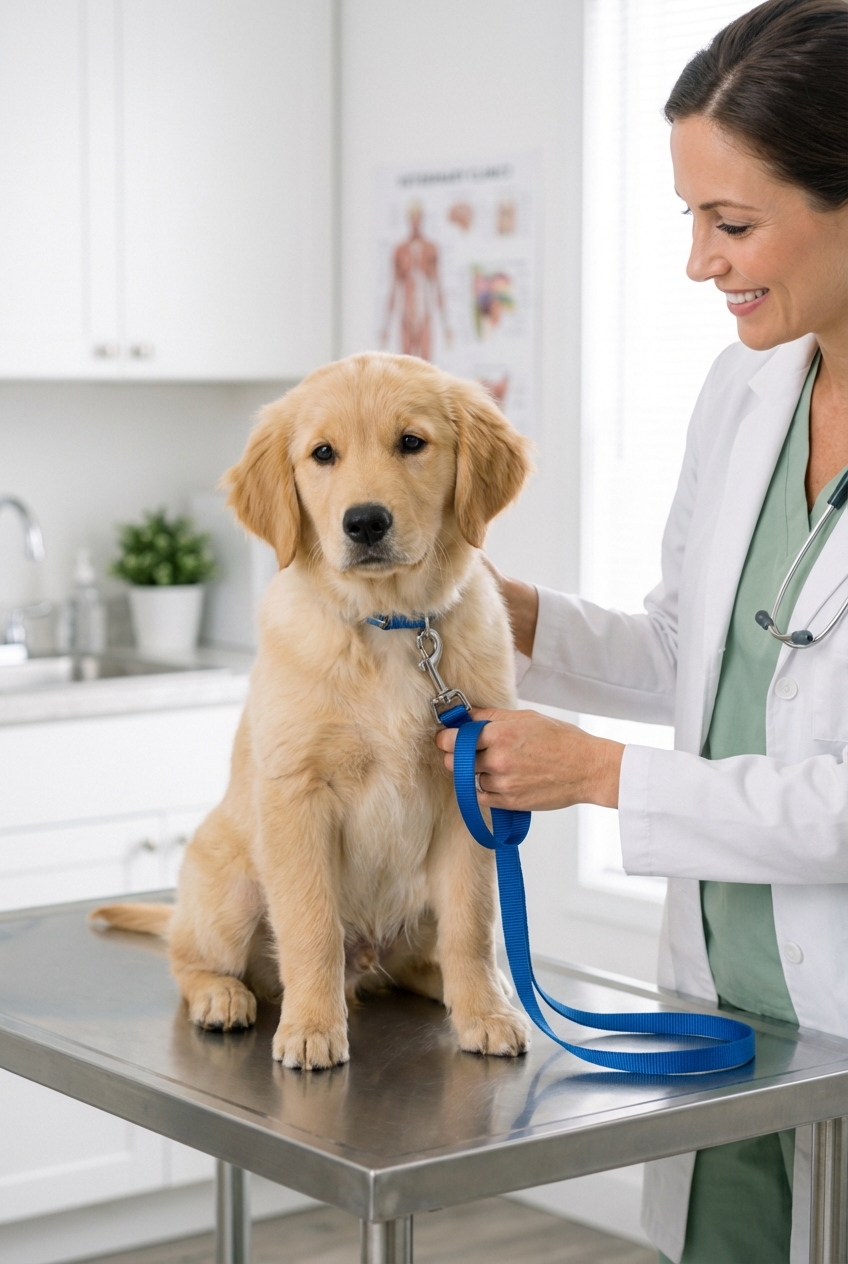
Worms are common and treatable. Learn the vet-approved plan: fecal testing, targeted dewormers, repeat doses, treating other pets, flea control, cleanup, and...
Article
•
Designer Mixes
How to Treat Hookworms in Dogs

Shari Shidate
Designer Mixes contributor
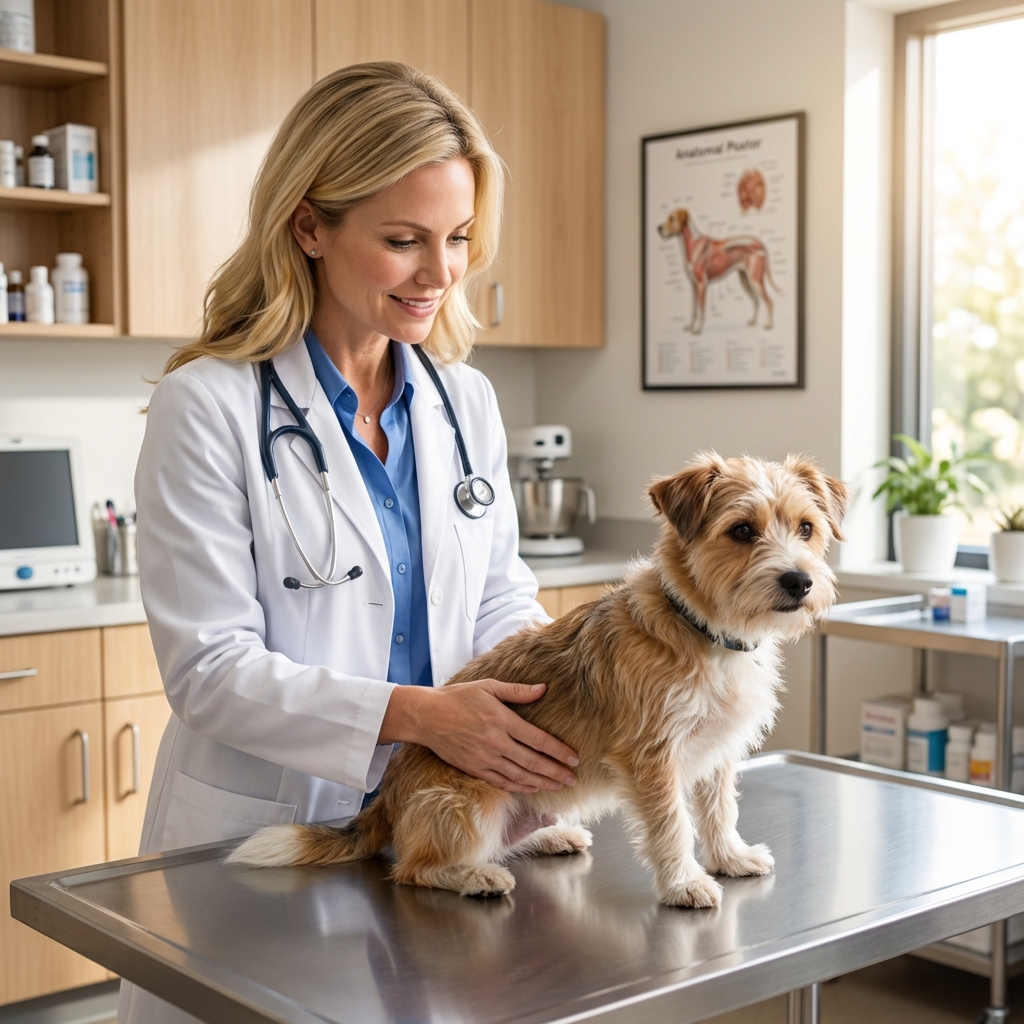
Hookworms: tiny parasites, big problems
Hookworms are small intestinal parasites that attach to the lining of your dog’s gut and feed on blood. In puppies and small dogs especially, they can trigger anemia quickly. A key point many families do not hear soon enough is this: treating hookworms is not just about giving a dewormer once. It is about the right medication, the right timing, and a clean environment so your dog does not get reinfected.
As a veterinary assistant here in Frisco, Texas, I have seen many cases that looked like a simple tummy bug at first, but the stool test told a different story. Hookworms are very treatable when you use an evidence-based plan and follow through.
How dogs get hookworms
Dogs pick up hookworms in a few common ways:
- Swallowing larvae from contaminated soil or sand, or from mud and fecal residue that gets tracked onto paws, toys, or fur.
- Skin penetration, often through paws or belly when dogs lie on contaminated ground.
- Nursing puppies can become infected through their mother’s milk, depending on the hookworm species.
- Eating small animals that may act as transport (paratenic) hosts and carry larvae.
Hookworm eggs and larvae thrive in warm, moist, shaded environments. They can persist in damp areas, but drying and freezing conditions reduce survival. This is one reason hookworms can be a recurring issue when yards stay wet and dogs share common potty areas.
Signs you should not ignore

Some dogs show obvious symptoms, and others look mostly fine until the parasite load builds. Some dogs are even asymptomatic, which is why routine fecal testing matters. Watch for:
- Diarrhea, sometimes with dark or tarry stool (digested blood)
- Weight loss or poor growth in puppies
- Low energy, weakness, or reluctance to play
- Pale gums (a common clue for anemia)
- Dehydration from ongoing GI upset
Go to your vet urgently if your puppy is weak, has pale gums, is vomiting repeatedly, or you see black, tarry stool. Hookworms can cause dangerous blood loss.
Keys to successful treatment
1) Confirm with a fecal test
Hookworms are typically diagnosed with a fecal exam that looks for eggs. Many clinics also use fecal antigen testing, which can help detect infections even when eggs are not easily seen. This matters because guessing leads to missed infections and repeated symptoms.
2) Use the right dewormer and repeat it
Your veterinarian will choose a dewormer based on your dog’s age, weight, health status, and local parasite risk. Common veterinary options for hookworms include pyrantel pamoate and fenbendazole, plus other vet-recommended or prescription products.
Here is the detail many people miss: most dewormers kill the adult worms in the intestines, but they may not kill every migrating larval stage. That is why repeat dosing is often required and why your vet may schedule treatment and a recheck on a set timeline, often around 2 to 3 weeks later (follow your clinic’s exact plan).
- Follow your veterinarian’s timing exactly for the second dose (and sometimes a third).
- Weigh your dog before dosing. Underdosing is a common reason treatment fails.
- Ask whether to treat other pets in the household, because shared spaces can lead to repeat exposure.
3) Pick up poop fast and improve yard hygiene
This is the most practical key of all. Meds help your dog, but sanitation breaks the life cycle.
- Pick up stool daily, or immediately if possible.
- Dispose of waste in sealed bags.
- Do not let dogs sniff or lick areas where other dogs potty.
- Try to keep potty areas drier and sunnier when possible, since larvae survive best in damp shade.
In heavy contamination, ask your vet about the safest yard management plan for your climate and property.
4) Support recovery if anemia is a concern
Some dogs bounce back quickly. Others need extra support.
- Hydration: Offer fresh water and ask your vet whether an electrolyte solution is appropriate.
- Gentle nutrition: If your dog has diarrhea, your vet may recommend a bland GI diet for a few days.
- Severe cases: Puppies or very anemic dogs may need iron support, additional diagnostics, or even hospitalization.
5) Recheck testing matters
If your dog is still having diarrhea, losing weight, or seems tired after treatment, schedule a recheck. A follow-up fecal test helps confirm the infection cleared and also checks for other parasites that can look similar, like whipworms, roundworms, Giardia, or coccidia.
At-home treatment plan

- Book a vet visit for a fecal test and a vet-recommended dewormer.
- Give medication exactly as directed, including the full repeat schedule.
- Pick up poop immediately. If there are indoor accidents, remove all fecal material promptly, clean the area thoroughly, and wash soiled fabrics. The goal is removal and minimizing exposure, not relying on disinfectants to kill parasites.
- Limit exposure to high-risk areas like dog parks and shared potty zones until your vet says it is safe.
- Wash bedding and clean crates or playpens regularly during treatment.
- Recheck stool if recommended, or sooner if symptoms are not improving.
Can people catch hookworms?
Yes. Hookworm larvae can affect people, most commonly causing a skin condition called cutaneous larva migrans when larvae penetrate skin. It often happens when someone walks barefoot on contaminated sand or soil. In the U.S., this is usually a skin-only issue.
Practical prevention steps:
- Pick up dog waste promptly.
- Wear shoes outdoors, especially in areas where dogs potty.
- Encourage kids to wash hands after playing outside.
- Keep your dog on a veterinarian-recommended parasite prevention plan.
Prevention that works
If you want fewer repeat infections, prevention is the long game. Many monthly heartworm preventives also help control hookworms, but not all products cover the same parasites. Your veterinarian can recommend the best option based on your dog’s age, lifestyle, and local parasite risks, and confirm whether it covers hookworms.
- Year-round prevention is often recommended in many parts of the U.S.
- Routine fecal checks catch parasites early, even before symptoms show up.
- Puppies need special schedules and may start deworming very young, based on your veterinarian’s protocol.
My warm, evidence-based advice: treat hookworms like a cycle. Medication treats your dog, sanitation treats the environment, and prevention helps keep it from coming right back.
When to call the vet
Please do not wait it out at home if you notice any of the following:
- Pale gums, weakness, collapse, or rapid breathing
- Black or tarry stool
- Persistent vomiting or inability to keep water down
- A puppy that is not eating, not growing, or has ongoing diarrhea
Hookworms are common, and they can show up even in well-cared-for pets and clean homes. Early care makes treatment simpler, safer, and less stressful for everyone.