Learn safe, practical home remedies for dog fleas: flea combing, gentle baths, itch soothing, and deep-cleaning your home to break the flea life cycle—plus...
Article
•
Designer Mixes
How to Treat Dog Fleas

Shari Shidate
Designer Mixes contributor
Fleas are tiny, fast, and frustrating. And if you are dealing with them right now, please know this: you did not “fail” as a pet parent. Fleas hitchhike in on dogs, cats, wildlife, and even on our shoes. The good news is that with a simple, evidence-based plan, you can break the flea life cycle and get your dog comfortable again.
First, confirm it is fleas
Before you treat, make sure you are targeting the right problem. Fleas often hide along the back, base of the tail, belly, and neck. Also, keep in mind that not all itching is fleas. Allergies, mites, and skin infections can look similar, so if you do not find fleas or flea dirt, a vet exam may be the fastest way to get the right answer.
Common signs
- Intense itching, chewing, or licking, especially near the tail base
- Small black specks in the coat (flea dirt)
- Red bumps or scabs, especially on the belly or lower back
- Hair thinning from scratching
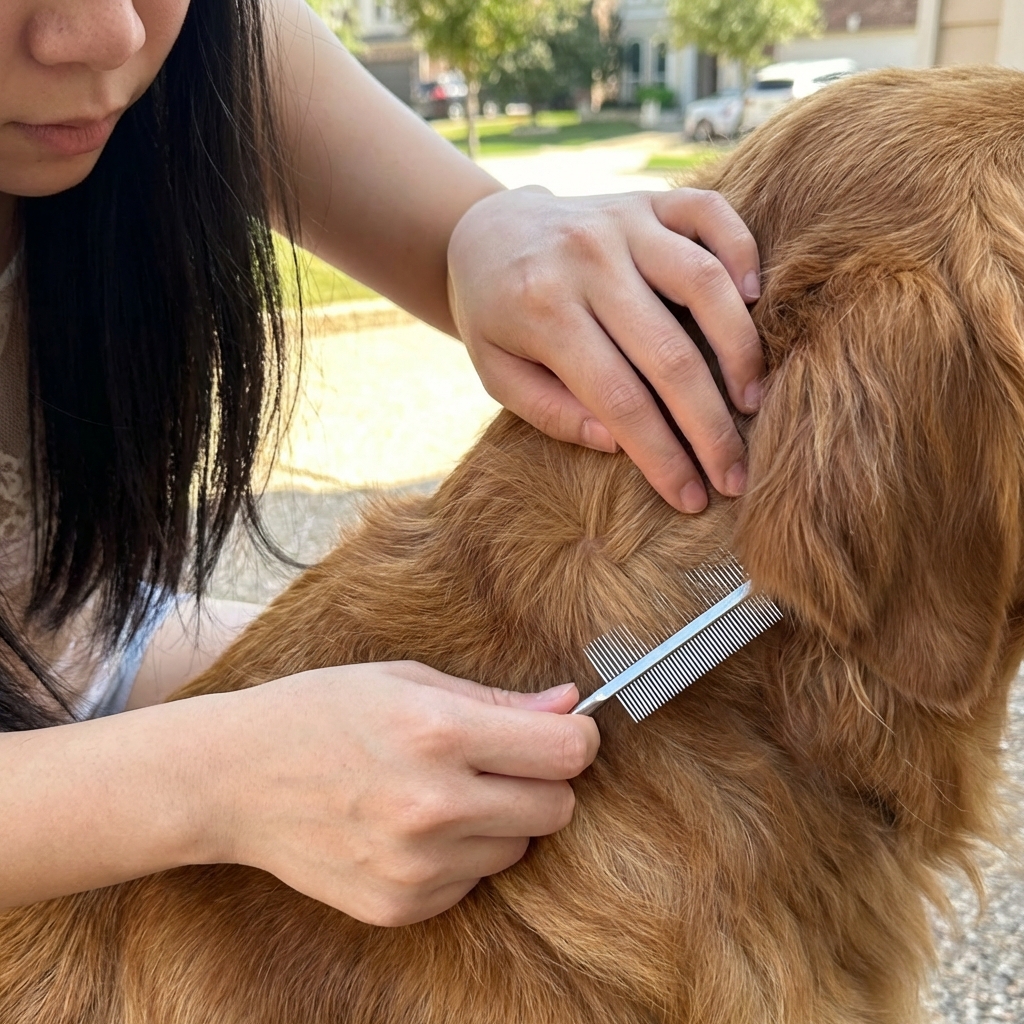
Quick home check for flea dirt
Use a flea comb over a white paper towel. If you see black pepper-like specks, add a drop of water. If it turns reddish-brown, that is digested blood, and fleas are very likely present.
One more clue: Some dogs have flea allergy dermatitis, which means even a few bites can cause intense itching. So you might not see many fleas, but your dog can still be miserable.
Understand the flea life cycle
A large portion of the flea problem is not on your dog. Adult fleas live on pets, but eggs, larvae, and pupae live in your home and yard. That is why “I bathed my dog and they came right back” is such a common story.
- Adults bite and lay eggs on your dog.
- Eggs fall off into carpets, bedding, and cracks in the floor.
- Larvae hide in dark areas and feed on flea dirt.
- Pupae can wait to hatch for weeks to months, then emerge when they sense heat and movement.
To truly win, you treat the pet and the environment, and you stay consistent long enough to catch newly emerging fleas.
Step 1: Give your dog fast relief
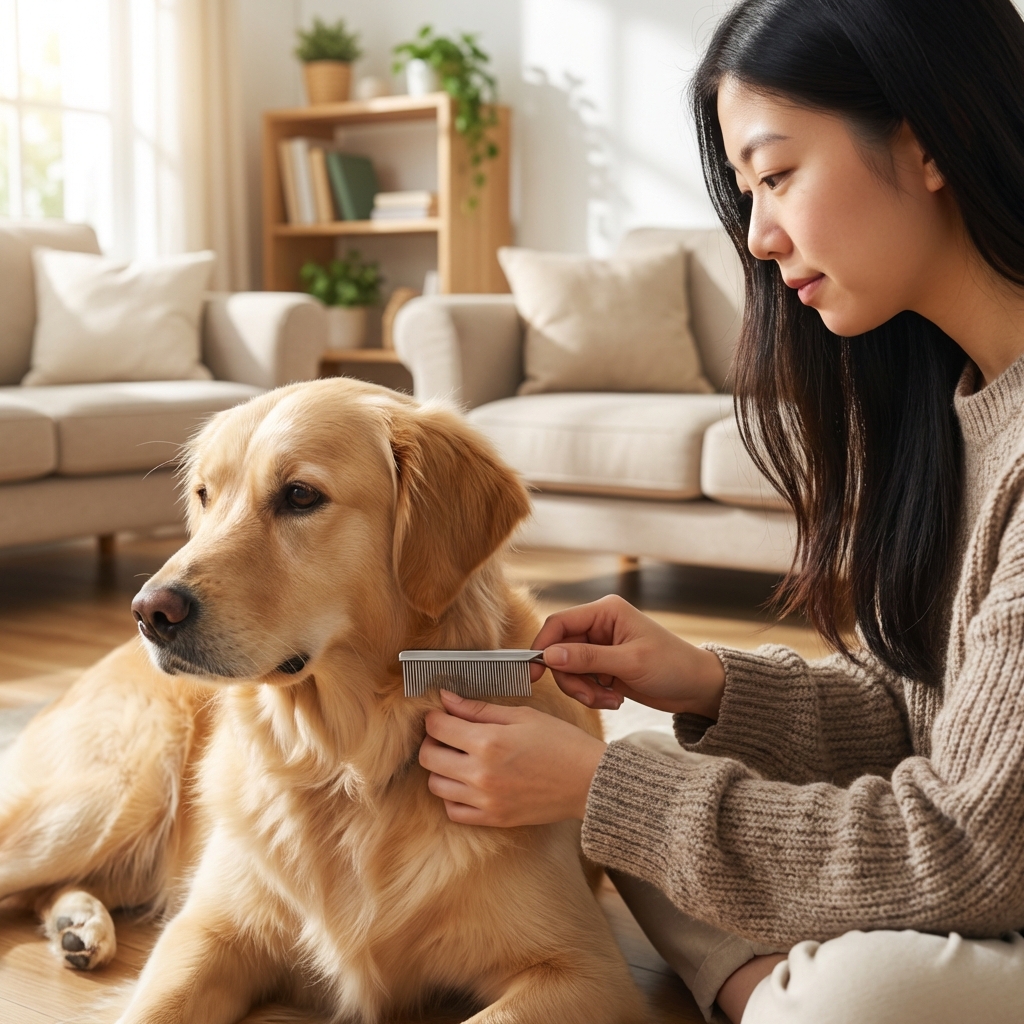
Use a flea comb daily
Combing is simple but powerful. Keep a cup of warm soapy water nearby and dunk the comb after each pass to kill what you catch. Focus on the neck, behind the ears, armpits, groin, and tail base.
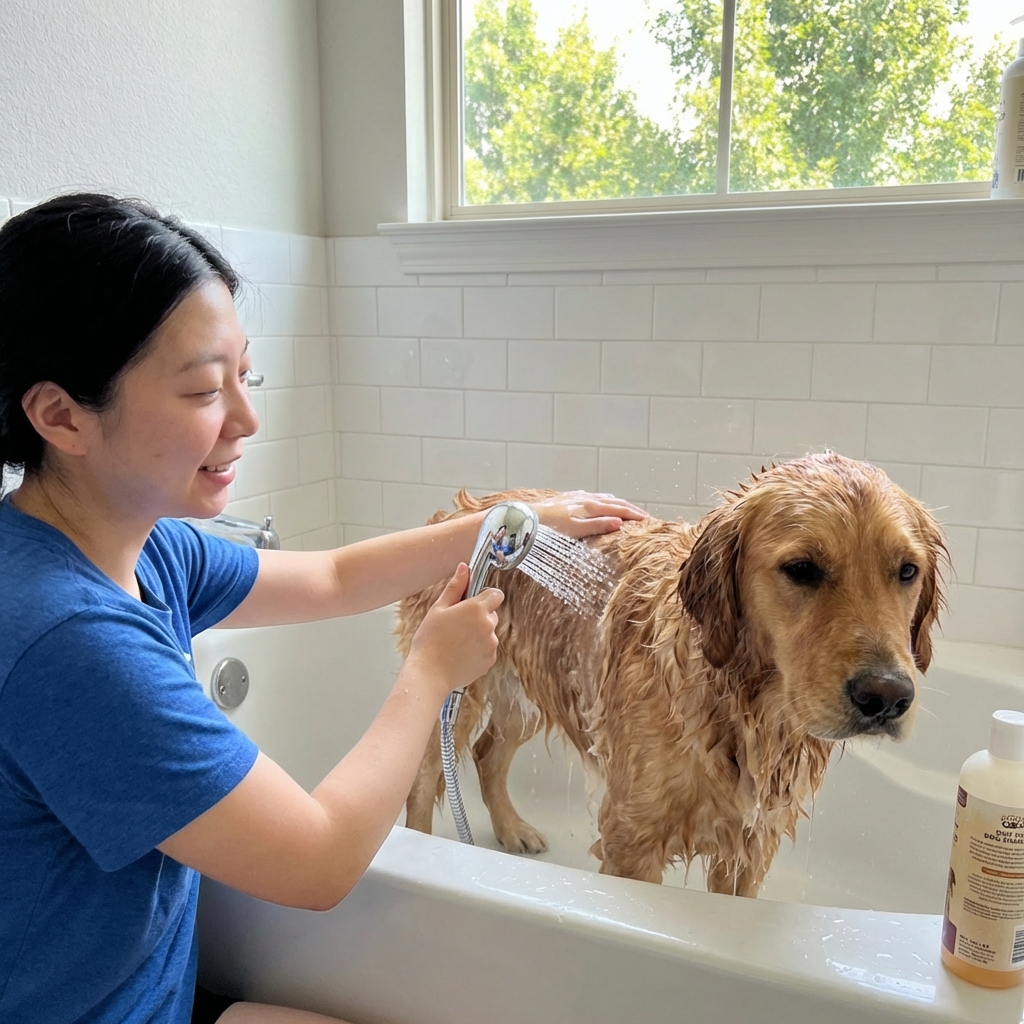
Bathe strategically (not constantly)
A bath can remove flea dirt and soothe irritated skin, especially if your dog has allergies. Use a gentle, pet-safe shampoo. Avoid over-bathing because it can dry the skin and worsen itching.
If your dog has open sores, severe redness, or signs of infection, skip the bath and call your vet first.
Quick caution: Be careful with over-the-counter flea shampoos, dips, and sprays. Some contain ingredients (like pyrethrins or permethrins) that can be risky if used incorrectly, and they can be especially dangerous for cats in the household.
Step 2: Choose an effective flea treatment
Over the years as a veterinary assistant, I have seen the biggest improvements when families use a consistent, vet-recommended product and treat all pets in the home at the same time. Fleas do not respect species boundaries. If you have cats, treat them too with cat-specific products.
What actually works
- Oral flea preventives (monthly chewables) are highly effective for many dogs because they kill fleas after they bite. You might still spot a live flea briefly on the coat before it bites and dies, especially early on. That does not always mean the product is failing.
- Topical monthly treatments can work well when applied correctly and consistently.
- Flea collars vary widely. Some are very effective, others are not. Choose reputable, veterinary-backed options.
Important safety notes
- Never use a dog flea product on a cat. Some dog topicals can be toxic to cats.
- Follow weight and age directions. Puppies need specific products.
- Skip “DIY essential oil” flea remedies. Many essential oils can irritate skin or be dangerous to pets, especially cats.
If your dog is very young, pregnant, nursing, elderly, or has seizures or chronic illness, ask your veterinarian which product is safest.
Step 3: Treat your home
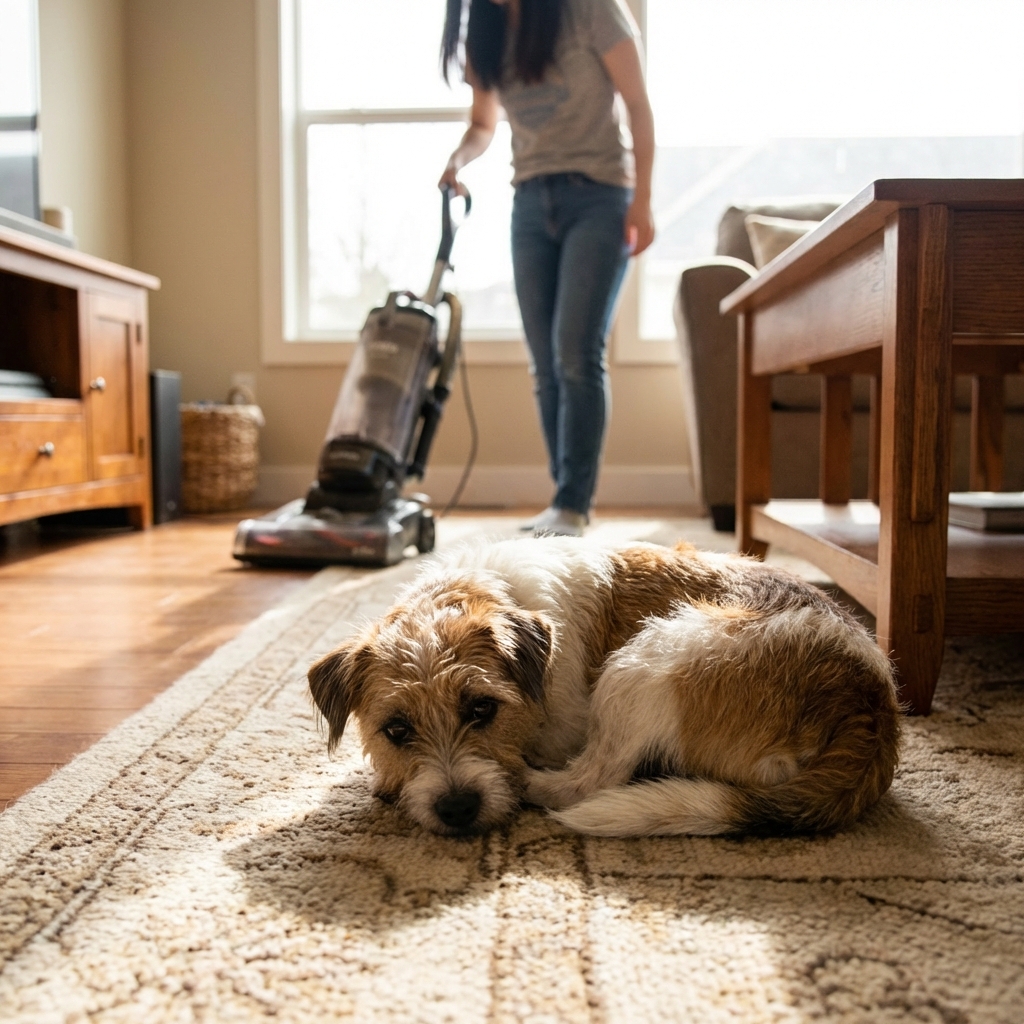
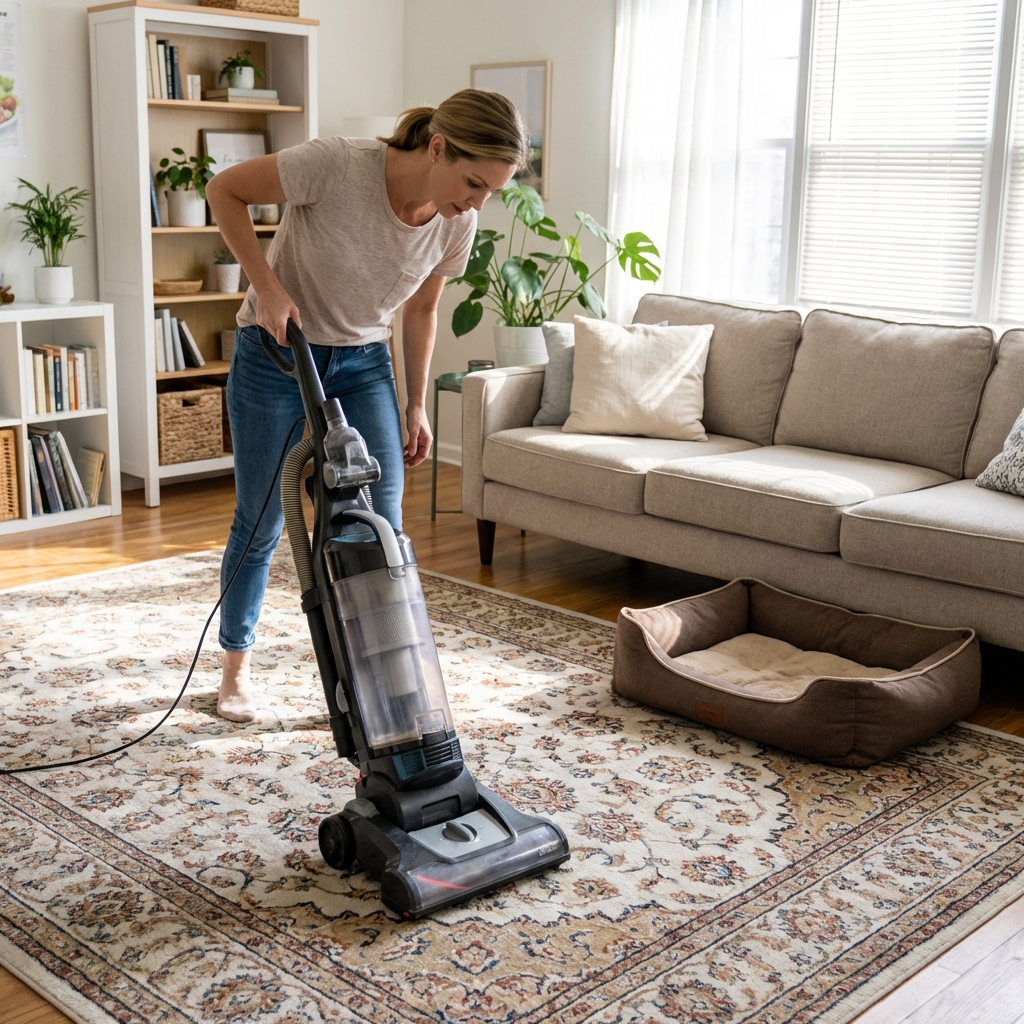
Vacuum like you mean it
Vacuuming removes eggs and larvae and encourages pupae to hatch, which helps your flea medicine catch them. Vacuum carpets, rugs, couches, baseboards, and under furniture. Spend extra time on dark crevices and the areas where your pet sleeps, since larvae prefer protected spots.
- Vacuum daily for 7 to 14 days if possible, then several times a week for the next month.
- Immediately empty the vacuum into an outdoor trash bin.
Wash fabrics on hot
Wash your dog’s bedding, your bedding, throw blankets, and washable crate pads weekly. Use the hottest water safe for the fabric, then dry on high heat if possible.
Consider environmental products carefully
In heavier infestations, an insect growth regulator (IGR) in the home can help stop eggs and larvae from maturing. If you use sprays or foggers, read labels closely, remove pets during application, and ventilate well before letting them back in. Foggers often miss the areas fleas like most, so targeted treatments (used exactly as directed) are usually more helpful than “bombing” a room.
Only reapply any environmental product according to the label directions.
Step 4: Do not forget the yard
Fleas love shady, humid areas. In hot, humid summers, fleas can thrive in protected spots even when lawns look dry.
- Mow regularly and remove leaf litter.
- Focus on shaded areas: under decks, shrubs, and along fences.
- Discourage wildlife visitors when possible (raccoons, feral cats, opossums).
If your dog spends lots of time outside and the problem keeps returning, talk to a pest professional about pet-safe yard options.
How long does it take?
With consistent pet treatment plus home cleaning, you may see improvement within 24 to 72 hours, especially with fast-acting, vet-prescribed oral products. But complete control often takes 4 to 12 weeks because of pupae waiting to emerge.
Stick with your prevention plan for at least three months. Stopping early is one of the most common reasons fleas come right back.
When to call the vet
Fleas can cause more than itching. Call your veterinarian if you notice:
- Pale gums, weakness, or extreme lethargy (possible anemia, especially in puppies)
- Tapeworm segments in stool or around the rear (fleas can transmit tapeworms)
- Hot spots, oozing sores, or a strong odor from the skin
- Severe itching that does not improve within a few days of effective treatment
- Any reaction after a flea product (drooling, vomiting, tremors, unsteady walking)
Simple prevention
Once you are through the worst of it, prevention is your best friend.
- Keep your dog on year-round flea prevention, especially in warmer climates.
- Treat every pet in the household consistently and on the same schedule.
- Wash bedding regularly and vacuum high-traffic pet areas.
- Check your dog with a flea comb after parks, daycare, grooming, or hiking.
Small steps done consistently are what break the flea cycle. You do not have to do everything perfectly. You just have to keep going long enough to outsmart the life cycle.