Learn a safe, vet-friendly diet and routine for diabetic dogs: consistent feeding times, fiber and carbs, lean protein, fat levels, treat tips, and key quest...
Article
•
Designer Mixes
How to Treat Diabetes in Dogs

Shari Shidate
Designer Mixes contributor
Hearing the words “your dog has diabetes” can feel scary. I get it. As a veterinary assistant here in Frisco, Texas, I have sat with families who are worried they will not be able to handle insulin, diet changes, or blood sugar checks.
The good news is that canine diabetes is very manageable for many dogs. With the right routine, most diabetic dogs can feel good, keep a healthy weight, and enjoy a happy, active life.
What diabetes in dogs means
Most dogs are diagnosed with diabetes mellitus. In many dogs, it behaves more like type 1 diabetes in people because the pancreas does not make enough insulin. That means glucose stays in the bloodstream instead of moving into the cells for energy.
Less commonly, a dog may have diabetes that is driven by insulin resistance (for example, from certain hormone conditions, heat cycle hormones in intact females, or medications). This is one reason treatment plans can look a little different from dog to dog.
When blood sugar stays high, the body tries to flush it out through urine, which leads to classic symptoms like increased thirst and urination. Over time, diabetes can contribute to complications like urinary tract infections, weakness, and in severe cases, life-threatening ketoacidosis.
A quick note on cataracts: Cataracts are very common in diabetic dogs. Prolonged high blood sugar often leads to cataracts, but many dogs can develop them even with good management. If your dog gets cataracts, it does not automatically mean you did something wrong.
Common signs to watch for
- Drinking a lot more water than usual
- Urinating more often or having accidents
- Increased appetite with weight loss
- Low energy, muscle weakness, or a “flat” attitude
- Cloudy eyes or sudden vision changes (often cataracts)
- Recurring infections, especially urinary tract infections
If you notice these signs, a vet visit is important. Diabetes is diagnosed through bloodwork and a urinalysis, not guesswork at home.
How diagnosis is confirmed
Most veterinarians look for a pattern of high blood glucose along with glucose in the urine. They will also check for ketones, dehydration, infection, and other issues that can affect glucose control. Your vet may repeat testing or run additional labs to get a clearer picture before adjusting treatment.
The core treatment plan
Treating a dog with diabetes is not about one magic fix. It is about steady habits across insulin, meals, activity, and monitoring.
1) Insulin therapy
Most diabetic dogs need insulin injections. Your veterinarian will choose the insulin type and starting dose, then adjust based on how your dog responds.
- Timing matters: Insulin is often given every 12 hours, but some dogs may start on a different schedule depending on the insulin type and their response. Your vet will prescribe the timing that fits your dog.
- Food matters: Meals are commonly scheduled with insulin so blood sugar does not swing as dramatically.
- Storage and mixing matter: Many insulins must be refrigerated and gently mixed, not shaken. However, some veterinary insulins (like Vetsulin or Caninsulin) are labeled to be shaken. Always follow the label instructions and your veterinarian’s directions.
- Supplies matter: Use the exact syringe type your vet prescribes (U-40 vs U-100) so the dose is accurate.
Many people are surprised by how quickly insulin shots become routine. The needles are tiny, and most dogs barely react once you are confident and calm.
2) Diet for steadier blood sugar
Nutrition is a huge piece of diabetes management. The goal is to help keep glucose levels steadier throughout the day and support a healthy weight.
In general, many diabetic dogs do well with:
- High quality protein to support muscle and satiety
- Appropriate fat, adjusted to your dog’s ideal weight and pancreatitis risk
- Consistent carbohydrates from day to day (more important than “low carb” for many dogs)
- Fiber for more gradual glucose absorption (your vet may recommend a higher-fiber diet)
Some dogs thrive on a prescription diabetic diet, and for many families that is the simplest option. Others do well on carefully formulated home-prepared diets.
Important: Homemade feeding can be wonderful, but diabetic dogs need a balanced recipe with consistent nutrients and calories. If you want to go homemade, ask your veterinarian for a referral to a board-certified veterinary nutritionist, or use a vet-approved formulation tool. “Healthy ingredients” alone do not guarantee the diet is complete.
Feeding schedule
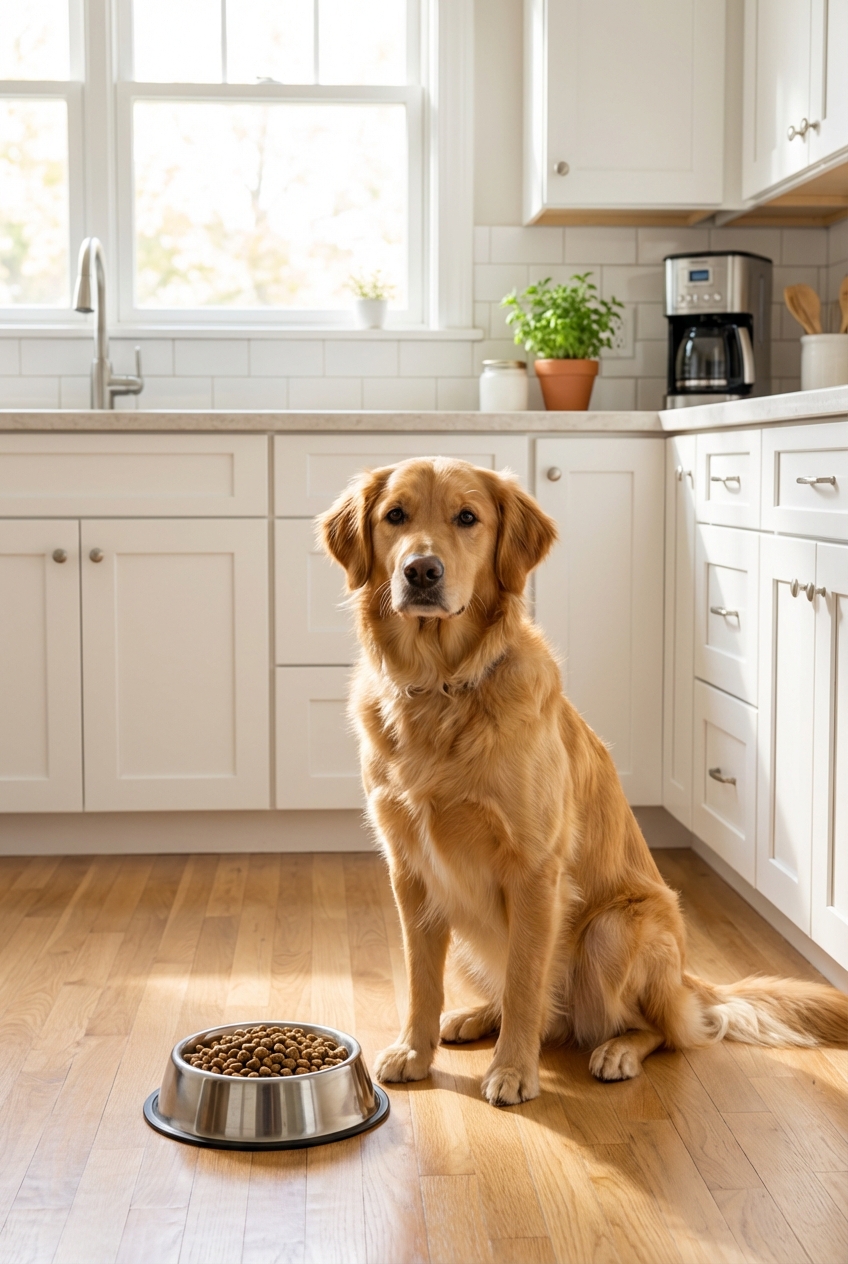
Most diabetic dogs do best with two measured meals a day at the same times, paired with insulin. Avoid free-feeding where the bowl is always full, because it makes glucose control harder.
3) Exercise that stays consistent
Exercise helps the body use glucose, but the key is predictability. A sudden long hike when your dog usually takes short walks can drop blood sugar too far.
- Keep activity regular and predictable day to day
- Talk to your vet about safe increases in activity
- Carry a plan for hypoglycemia if you are away from home
Monitoring: knowing it is working
Diabetes treatment is adjusted based on real data, not just hope. Your veterinarian may recommend some combination of:
- Blood glucose curves (in clinic or at home). A curve means checking glucose multiple times over a day to see how low it goes, when it drops, and how long the insulin lasts.
- Fructosamine tests to estimate average glucose control over the past couple weeks
- Urine checks for glucose and ketones (especially important if your dog seems off)
- Weight and body condition tracking
Home monitoring can be a game-changer for some families, especially dogs that get stressed at the clinic. If you are interested, ask your vet to teach you a safe, step-by-step process and to confirm the target ranges they want you to use.
Emergencies to recognize
Two situations deserve special attention because they can become emergencies quickly.
Low blood sugar
This can happen if your dog gets too much insulin, skips a meal, vomits, or has an unusually heavy day of exercise.
Signs: weakness, wobbliness, shaking, disorientation, a glazed look or acting “out of it,” collapse, seizures.
What to do: Contact your veterinarian or an emergency clinic immediately. If your dog is awake and able to swallow, your vet may instruct you to rub a small amount of corn syrup or honey on the gums while you head in. This is temporary first aid, not a full treatment. Do not force anything by mouth if your dog is not fully alert. If you do home glucose checks, your vet may also have you recheck a reading after first aid on the way to care.
Diabetic ketoacidosis
Diabetic ketoacidosis (DKA) is a serious complication that can occur when the body cannot use glucose and starts breaking down fat rapidly, producing ketones. It often requires hospitalization.
Signs: vomiting, not eating, severe lethargy, dehydration, rapid breathing, sweet or acetone-like breath, collapse.
What to do: Go to an emergency veterinarian right away.
Why control can be difficult
If glucose numbers are unpredictable, it is often because something else is going on. These are common culprits vets look for:
- Infections, especially urinary tract infections and dental disease
- Hormonal conditions like Cushing’s disease
- Pancreatitis
- Heat cycles in intact females (diestrus hormones can increase insulin resistance). Spaying is often recommended for diabetic females to improve stability and reduce complications.
- Weight changes, especially weight gain
- Inconsistent meals or treats
- Insulin handling issues like improper storage, incorrect syringe type, or missed doses
It is never about “failing.” It is about troubleshooting with your veterinary team and tightening the routine.
Treats and snacks
Treats do not have to disappear, but they must be planned. The biggest rule is predictability.
- Choose low-sugar, lower-fat options when possible
- As a general rule of thumb, keep treats to 10% or less of daily calories unless your vet advises otherwise
- Avoid sweet human foods and fatty table scraps
- Ask your vet before giving jerky treats, dental chews, or “training treats” in high volume
Many dogs do well with simple, measured treats like small pieces of cooked lean meat or certain crunchy vegetables. Your vet can help you choose options that match your dog’s medical history and calorie needs.
A routine you can keep
If you are feeling overwhelmed, start with a simple checklist. A steady routine can reduce stress for you and your dog.
Twice daily routine
- Offer a measured meal at the same time each day
- Confirm your dog eats normally
- Give insulin exactly as prescribed
- Take a consistent walk or do a predictable play session
Weekly routine
- Weigh your dog (or check weight every 2 to 4 weeks if that is more realistic)
- Review appetite, thirst, urination, energy, and stool quality
- Refill and store insulin properly, and check expiration dates
Keep a notebook or phone log. Bring it to vet visits. Those notes help your vet fine-tune the plan much faster.
Time and cost expectations
It is normal to worry about the time and cost commitment. Most families settle into a rhythm quickly, but diabetes does come with ongoing expenses such as insulin, syringes, a prescription diet for some dogs, and periodic rechecks and lab work. If cost is a concern, tell your veterinarian. In many cases, your team can help you prioritize what matters most and find a plan that is realistic.
Quality of life
Many dogs with well-managed diabetes live for years with a great quality of life. The biggest predictors of success are:
- Consistent insulin dosing and timing
- Consistent meals and calorie control
- Regular vet follow-up and monitoring
- Fast action when something seems off
You do not have to do this perfectly. You just have to do it steadily, with support.
Diabetes care is a routine, not a crisis. Once you build the habit, most days feel completely normal again.
One more reminder: Every diabetic dog is a little different. Always follow your veterinarian’s guidance for dosing, diet, and monitoring, and do not adjust insulin on your own unless you have been specifically instructed.
When to call your vet
Call your vet if you notice:
- Vomiting, refusal to eat, or repeated diarrhea
- Sudden weakness, wobbliness, or collapse
- Extreme thirst and urination that changes quickly
- Any seizure activity
- Signs of a urinary tract infection, like straining or frequent small urinations
- Any time you accidentally give the wrong dose
- New or sudden vision changes (cataracts can progress quickly, and your vet may recommend an ophthalmology visit)
If you are ever unsure, it is worth calling. In diabetes management, catching issues early can prevent emergencies later.