Support steadier glucose with high-protein, low-carb homemade meals. Get macro targets, safe ingredients, what to avoid, portion guidance, and 4 simple recip...
Article
•
Designer Mixes
How to Treat Cat With Diabetes

Shari Shidate
Designer Mixes contributor
Hearing the words “your cat has diabetes” can feel scary. I get it. As a veterinary assistant in Frisco, Texas, I have sat with families in exam rooms as they process the diagnosis and wonder, “Did I miss something?”
The encouraging truth is this: feline diabetes is very treatable. With the right plan, many cats feel better within days to weeks as their blood sugar becomes more stable. Some cats can even go into remission, meaning they may no longer need insulin for a period of time. Remission rates vary widely and depend on factors like how early diabetes is caught, diet, weight, and the insulin plan your veterinarian chooses.
Educational note: This article is general information and is not a substitute for veterinary care. Always follow your veterinarian’s guidance for diagnosis and treatment.
What diabetes means in cats
Diabetes mellitus happens when your cat’s body cannot properly use glucose (sugar) for energy. Most diabetic cats have a condition similar to type 2 diabetes in people, where the body becomes resistant to insulin and, over time, may not produce enough insulin.
That said, diabetes in cats is not always simple. Other issues like pancreatitis, dental disease, infections, certain medications (like steroids), or hormone disorders such as acromegaly (excess growth hormone) can make blood sugar harder to regulate. Your vet may look for contributing causes, especially if control is challenging.
Without enough effective insulin, sugar stays in the bloodstream instead of moving into the cells. That leads to high blood glucose and a cascade of symptoms that can sneak up slowly.
Common signs you might notice
- Drinking more water than usual
- Urinating more, larger clumps in the litter box
- Increased appetite but weight loss
- Weakness, especially in the back legs (plantigrade stance, walking “down on the hocks”)
- Dull coat, lethargy, less playful behavior
If your cat is vomiting, refusing food, breathing fast, or acting very weak, treat that as urgent and contact a veterinarian immediately. Diabetic ketoacidosis is a medical emergency.
How vets diagnose feline diabetes
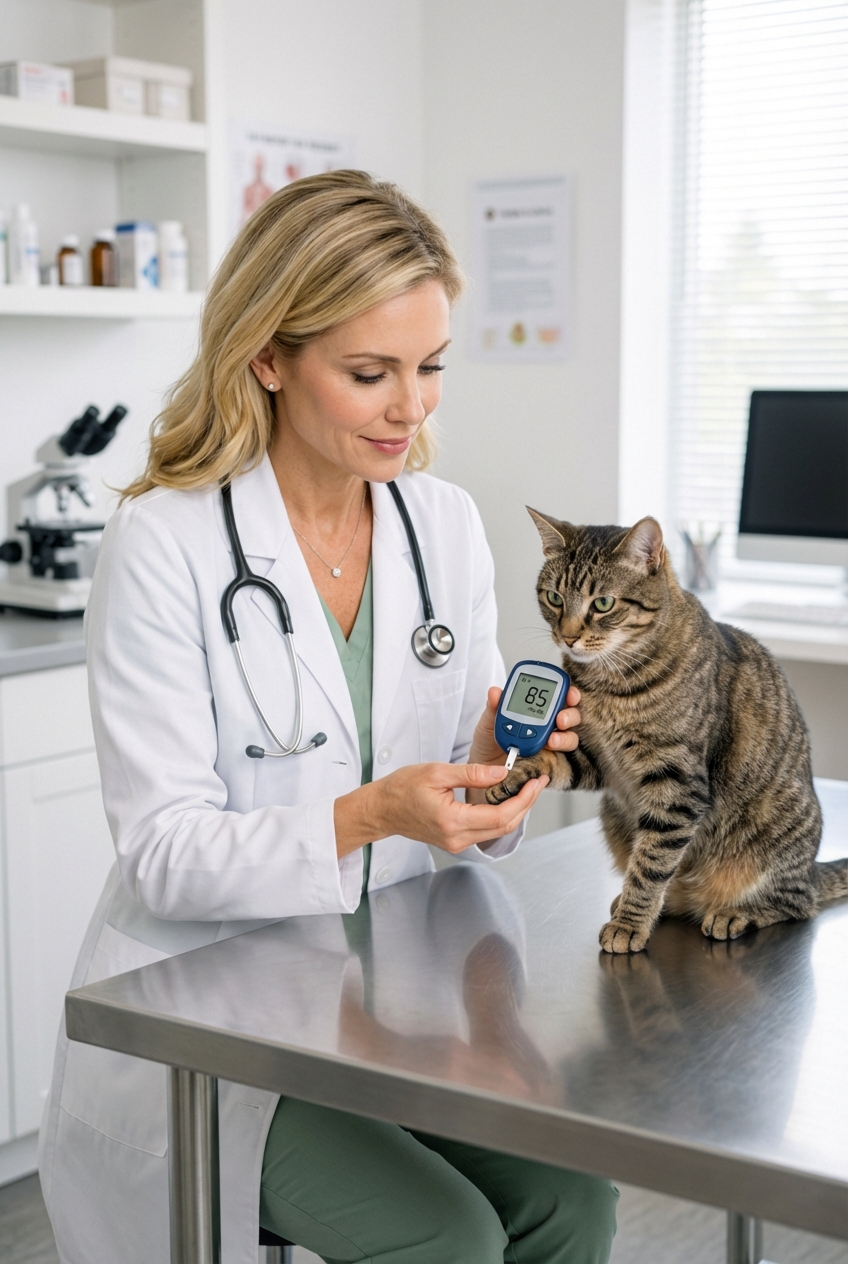
Diagnosis is usually based on a combination of symptoms, blood glucose testing, and urine testing for glucose and ketones. Your veterinarian may also recommend a fructosamine test, which helps show average blood sugar levels over about the previous 1 to 3 weeks. This can be helpful because some cats spike their glucose from stress during vet visits.
Treatment goals
The main goals of treating diabetes are:
- Keep blood glucose in a safer range to reduce symptoms and protect organs
- Prevent complications like hypoglycemia (low blood sugar) and ketoacidosis
- Restore quality of life, healthy weight, and normal hydration
- Support the best chance of remission when possible
Most cats do well with a combination of insulin, diet changes, weight management, and consistent monitoring.
Insulin therapy
Many diabetic cats need insulin injections. I know injections can sound intimidating, but most pet parents are surprised by how quickly it becomes routine. The needles are tiny, and cats often barely react, especially when the shot is paired with a meal or a favorite low-carb treat.
Your veterinarian will choose an insulin type and dosing plan based on your cat’s needs. Common options used in cats include long-acting insulins like glargine and protamine zinc insulin (PZI), among others. The best choice can vary by cat, household schedule, and how your cat responds.
Key basics to know
- Never change the dose on your own. Dose adjustments should be guided by your veterinarian based on glucose data and your cat’s symptoms.
- Consistency matters. Give insulin at the same times each day, as directed.
- Store insulin correctly and handle it gently. Some types should be rolled, not shaken. Follow the label and your vet’s instructions.
- Feeding and timing matter. Many cats are fed at injection time and get insulin on a predictable schedule. Follow your veterinarian’s exact protocol, especially if your cat does not finish a meal.
Watch for hypoglycemia
Low blood sugar can happen if a cat gets too much insulin, does not eat, or has changing insulin needs. Signs can include:
- Sudden lethargy or weakness
- Wobbliness, disorientation
- Tremors or seizures
If you suspect low blood sugar, contact a veterinarian or emergency clinic right away. If your cat is conscious and able to swallow, your vet may instruct you to rub a small amount of corn syrup or honey on the gums while you head in. This is temporary first aid, not a full treatment. Do not force anything by mouth if your cat is not alert.
Diet
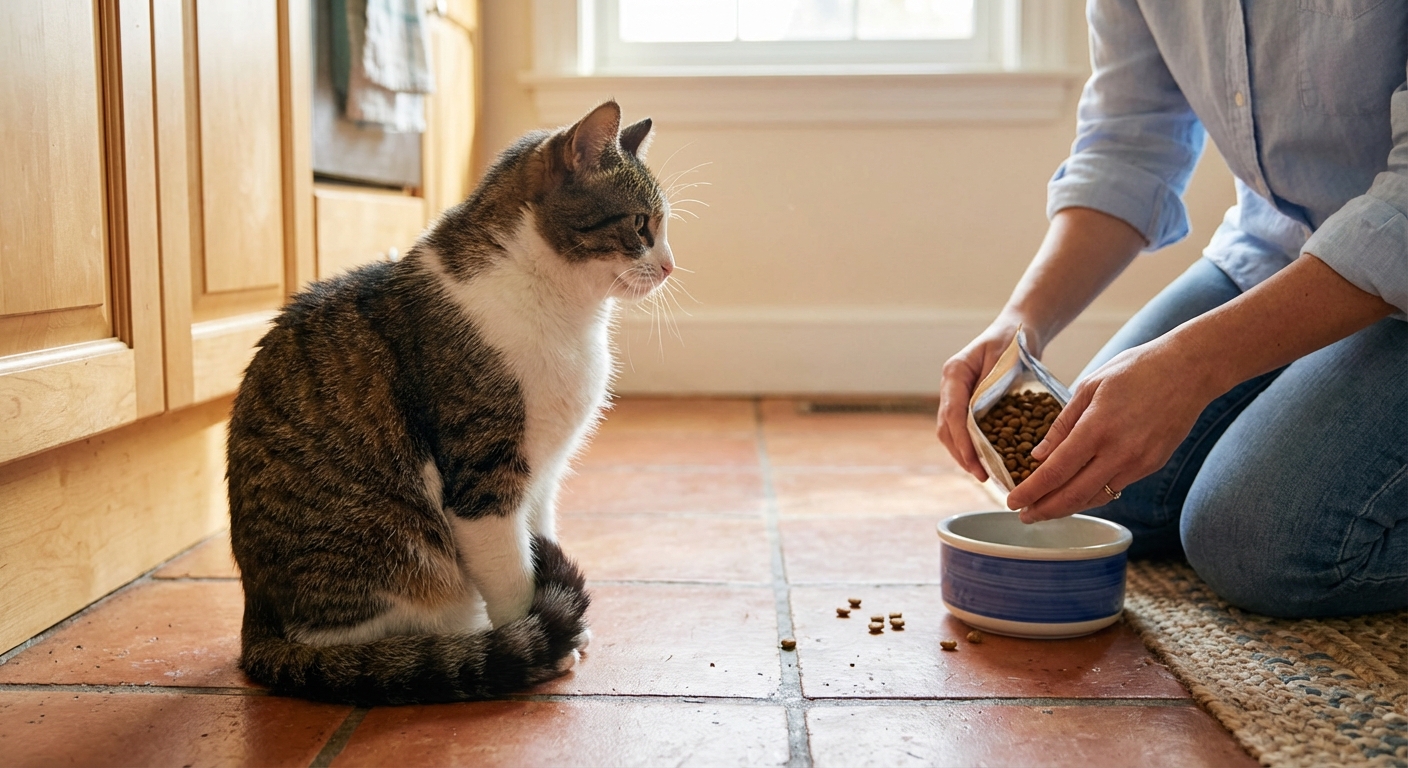
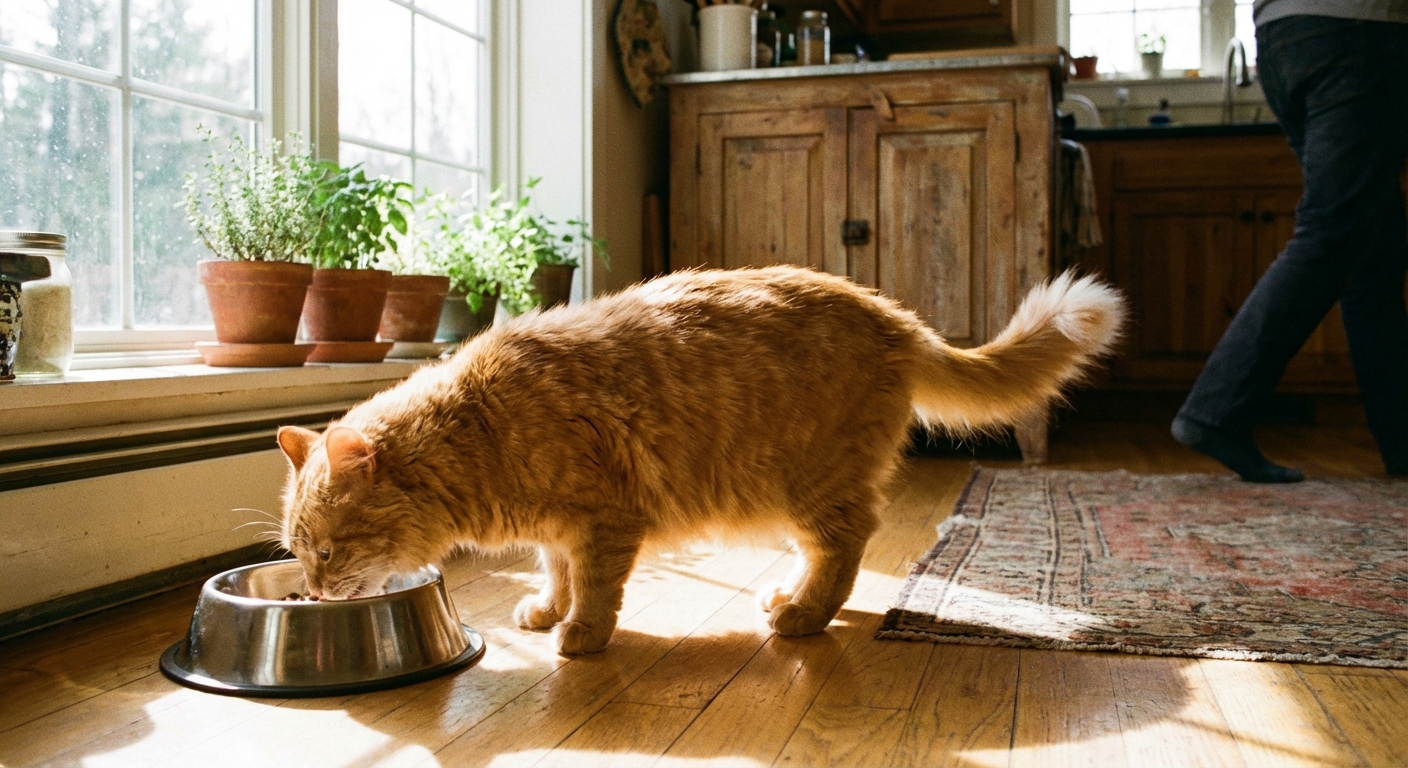
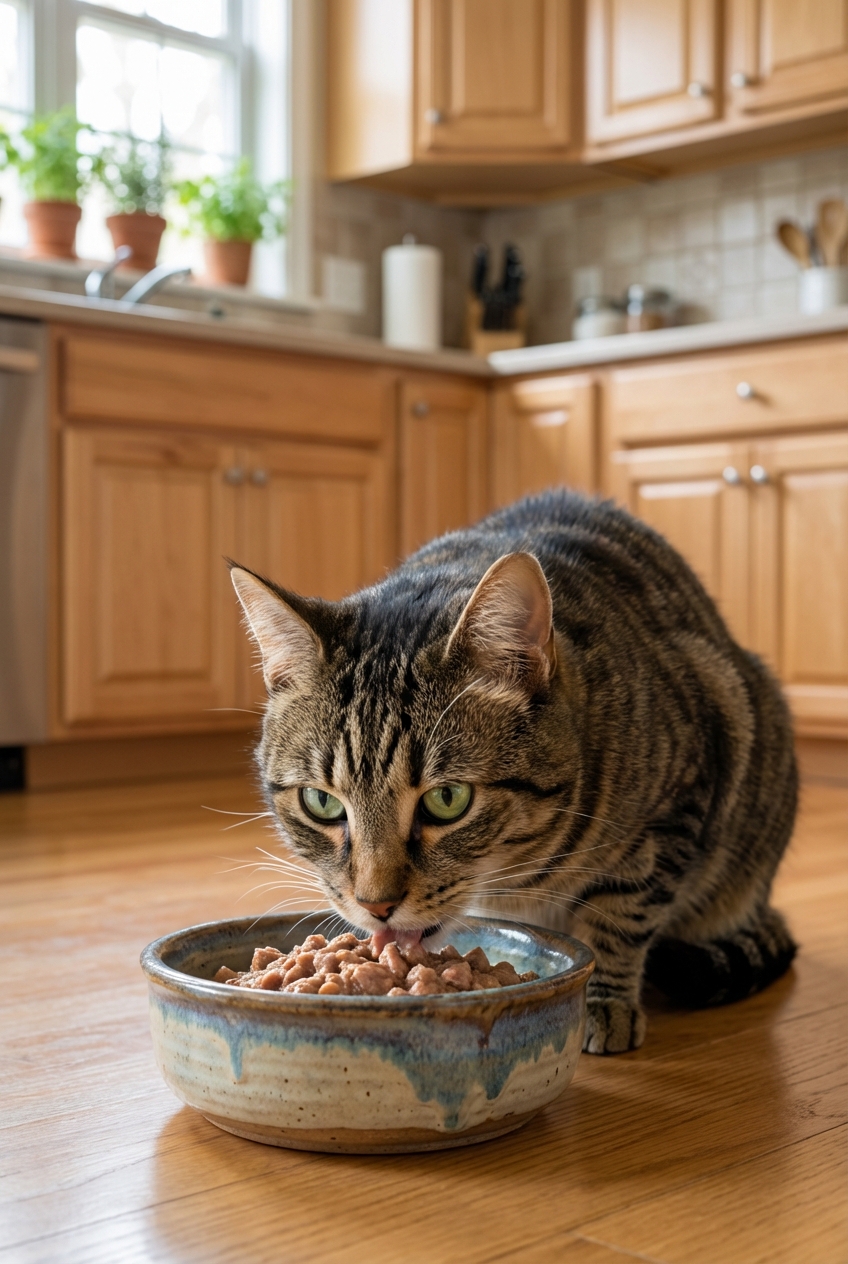
Food changes can make a big difference because what your cat eats directly affects glucose levels. Most diabetic cats benefit from a high-protein, low-carbohydrate diet, often in the form of canned food. Cats are natural carnivores, and many dry foods are higher in carbohydrates than ideal for diabetic management.
Practical feeding tips
- Work with your veterinarian before making major changes, especially if your cat is already on insulin. Diet changes can lower glucose and may require dose adjustments.
- Transition slowly to avoid stomach upset and to monitor glucose response.
- Measure portions and track weight. Stable, healthy weight supports better glucose control.
- Limit high-carb treats. Consider freeze-dried meat treats or small pieces of cooked, unseasoned chicken instead.
If your cat has other conditions like kidney disease, pancreatitis, or gastrointestinal sensitivities, the “best” diabetic diet may need tailoring. There is no one perfect plan for every cat.
If weight loss is part of the plan, aim for gradual change. Rapid calorie restriction can be risky in cats and can contribute to hepatic lipidosis (fatty liver disease), especially if a cat stops eating. Your vet can help you choose a safe target and pace.
Weight and activity
Obesity increases insulin resistance. If your cat is overweight, gradual weight loss under veterinary guidance can improve glucose control and increase the odds of remission.
- Aim for slow, steady progress, not rapid dieting.
- Use food puzzles and short play sessions to add movement in a cat-friendly way.
- Track weight weekly or biweekly with the same scale when possible.
Monitoring
Monitoring helps your veterinarian fine-tune treatment to your cat. Your veterinarian may recommend:
- Clinical monitoring: drinking, urination, appetite, energy, weight
- Blood glucose curves: a series of readings over a day to see how insulin is working
- Home glucose testing: many cats do better with at-home readings because stress is lower
- Urine ketone checks: especially important if your cat is not eating well or seems unwell
What a glucose curve is
A glucose curve is a planned set of blood sugar checks spaced throughout the day, timed around meals and insulin. It helps your vet see how low the glucose goes (the nadir), how long the insulin lasts, and whether the dose is a good fit. Curves can be done in the clinic or at home, depending on your cat and your comfort level.
Home testing and CGMs
With coaching, many families learn to check a small ear prick sample. It helps catch low blood sugar early and provides cleaner data for dose adjustments.
Some practices also use continuous glucose monitors (CGMs), which can track glucose trends over days. CGMs are not a fit for every cat or budget, but they can be incredibly helpful for cats that stress at the clinic or have confusing readings.
Common complications
Diabetic neuropathy
That “walking on the hocks” look can improve with better glucose control and time. Your veterinarian may also recommend supplements such as methylcobalamin (a form of vitamin B12) in some cases.
Urinary tract infections
High glucose in urine can increase infection risk. If you notice frequent trips to the box, straining, or accidents, let your vet know.
Diabetic ketoacidosis
DKA can develop when insulin is insufficient and the body starts breaking down fat rapidly, producing ketones. Signs may include vomiting, dehydration, weakness, and not eating. This is an emergency and requires immediate veterinary care.
Remission
Yes, some cats can go into remission, especially when:
- Diabetes is caught early
- A low-carb diet is started promptly
- Insulin therapy is consistent and well-managed
- Excess weight is addressed safely
Remission does not mean “cured forever.” It means your cat can maintain normal glucose without insulin, but ongoing healthy feeding and monitoring remain important. Cats can relapse, especially with weight gain, illness, or certain medications.
The first few weeks
The early phase can feel like a lot, but it usually gets easier fast. Here is what many families can expect in the first 2 to 4 weeks:
- More frequent check-ins with your vet to review appetite, water intake, weight, and glucose data
- Possible dose adjustments as your cat’s body responds to insulin and diet changes
- Noticeable symptom improvement for many cats as drinking and urination start to normalize
- Learning curve for you as insulin handling and monitoring become routine
If regulation takes longer, it does not mean you failed. It can mean your cat needs a different dose, a different insulin plan, or treatment for a concurrent issue.
New diagnosis checklist
- Insulin and the correct syringes (or pen needles if using a pen), exactly as prescribed
- A safe sharps container for used needles and syringes
- A consistent feeding plan and a measuring cup or kitchen scale for portions
- A way to monitor: glucose meter supplies if you are home testing, or a plan for in-clinic curves, or a discussion about CGM
- Urine ketone strips (ask your vet when and how often to use them)
- A simple log for dose, times, appetite, water intake, litter box changes, and any unusual behavior
A simple routine to start this week
If you are feeling flooded with information, focus on a few doable actions first. Here is a supportive starting checklist:
- Create a diabetes notebook or phone note for insulin dose, times, appetite, water intake, and litter box changes.
- Pick two consistent daily shot times that fit your life and set alarms.
- Switch treats to low-carb options and measure portions.
- Schedule the next recheck now, not later. Early follow-ups prevent setbacks.
You do not have to do this perfectly. You just have to do it consistently, and keep adjusting with your veterinary team.
When to call your veterinarian
- Your cat stops eating or is vomiting
- You see ketones in urine (if you are testing at home)
- Your cat seems weak, wobbly, disoriented, or collapses
- You accidentally gave a double dose of insulin or are unsure if a dose was given
- Excessive thirst and urination suddenly worsen
If you are ever in doubt, call. Diabetes management is safest when you catch problems early.