A practical guide to helping a constipated cat at home: hydration tips, plain pumpkin, vet-guided Miralax (PEG 3350), fiber, hairball support, red flags, and...
Article
•
Designer Mixes
How to Treat Cat Constipation (Vet-Approved Facts)

Shari Shidate
Designer Mixes contributor
Cat constipation is one of those issues that can look “small” at first and then become painful fast. As a veterinary assistant in Frisco, Texas, I have seen how quickly a mildly constipated cat can turn into a cat that is straining, nauseated, and miserable. The good news is that many mild cases can be helped at home with veterinarian-approved basics, as long as you know what is safe, what is not, and when it is time to get to the clinic.
This guide walks you through the facts every cat owner should know, plus practical steps you can take today.
What constipation looks like in cats
Constipation means your cat is having difficulty passing stool, passing fewer stools than normal, or producing very dry, hard stools. Many owners notice changes in the litter box first.
What “straining” can look like: prolonged squatting, repeated attempts, little to no stool, and sometimes vocalizing or acting uncomfortable.
Common signs
- Small, hard, dry stools; fewer stools than usual; or no stool for about 24 to 48 hours (especially if straining or acting unwell)
- Straining in the litter box or repeated trips with little output
- Crying, hiding, or acting painful when trying to poop
- Reduced appetite, nausea, or vomiting
- Low energy, dehydration, or a dull coat
- Pooping outside the box (sometimes due to associating the box with discomfort)
Constipation, urinary blockage, or diarrhea?
This is critical: straining to urinate can look like straining to poop. A urinary blockage is an emergency, especially in male cats. If you see frequent trips to the box with little to no urine, vocalizing, a firm belly, or lethargy, seek emergency care right away.
If you are not sure whether your cat is trying to pee or poop, treat it like an emergency and call a veterinarian.
Also, some cats strain with colitis (large-bowel diarrhea). Owners may see frequent small amounts of stool, mucus, or a little blood and assume constipation. If your cat is making frequent trips and passing soft stool or mucus, contact your vet for guidance because the next steps are different.
Why cats get constipated
Constipation is not a diagnosis by itself. It is often a symptom of something else going on. Here are the most common vet-seen causes:
- Low water intake or dehydration (a common contributing factor; dry diets provide less moisture)
- Hair ingestion (hairballs can slow gut motility)
- Pain (arthritis or back pain can make it hard to posture in the box)
- Obesity and inactivity (movement supports bowel motility)
- Diet issues (low moisture, too little or too much fiber for that cat, sudden diet changes)
- Litter box avoidance (stress, dirty box, poor location, bullying from another pet, or litter texture they dislike)
- Medication side effects (some pain meds and other drugs can slow the gut)
- Underlying medical problems (kidney disease, diabetes, neurologic issues, pelvic narrowing after trauma)
- Less common: other systemic disease (for example, thyroid disease, especially if there are other concurrent issues)
- Megacolon (a chronically stretched colon that loses the ability to move stool normally)
When constipation is an emergency
Home care is only appropriate for mild constipation in an otherwise alert, comfortable cat that is eating and drinking. Call your vet promptly or go to urgent care if you see any of the following:
- No stool for more than 48 hours, especially with straining
- Repeated vomiting or inability to keep food down
- Loss of appetite lasting longer than a day
- Severe lethargy, hiding, or obvious pain
- Blood in stool or around the anus
- A distended, firm belly
- Known or suspected foreign body ingestion (string, ribbon, toys)
- Constipation in a cat with kidney disease, heart disease, or other chronic illness
- Any concern for urinary blockage
Lower your threshold for veterinary care if the cat is a kitten, pregnant, geriatric, or has a history of megacolon. These cats can go downhill faster and should be treated more cautiously.
Veterinary treatment may include safe rehydration, anti-nausea medication, prescription laxatives, enemas done correctly, pain control, and sometimes manual deobstipation under sedation. These are not “overkill.” They prevent suffering and complications.
Vet-approved home steps for mild constipation
If your cat is otherwise acting normal, has only been mildly constipated, and your veterinarian has not given you restrictions, these are the safest first moves. The theme is simple: increase moisture, improve stool consistency, and reduce stress.
1) Increase water intake
- Switch some or all meals to wet food for a few days. Canned diets add water without you having to fight your cat about drinking.
- Add water or low-sodium broth to wet food to make a soft “stew.”
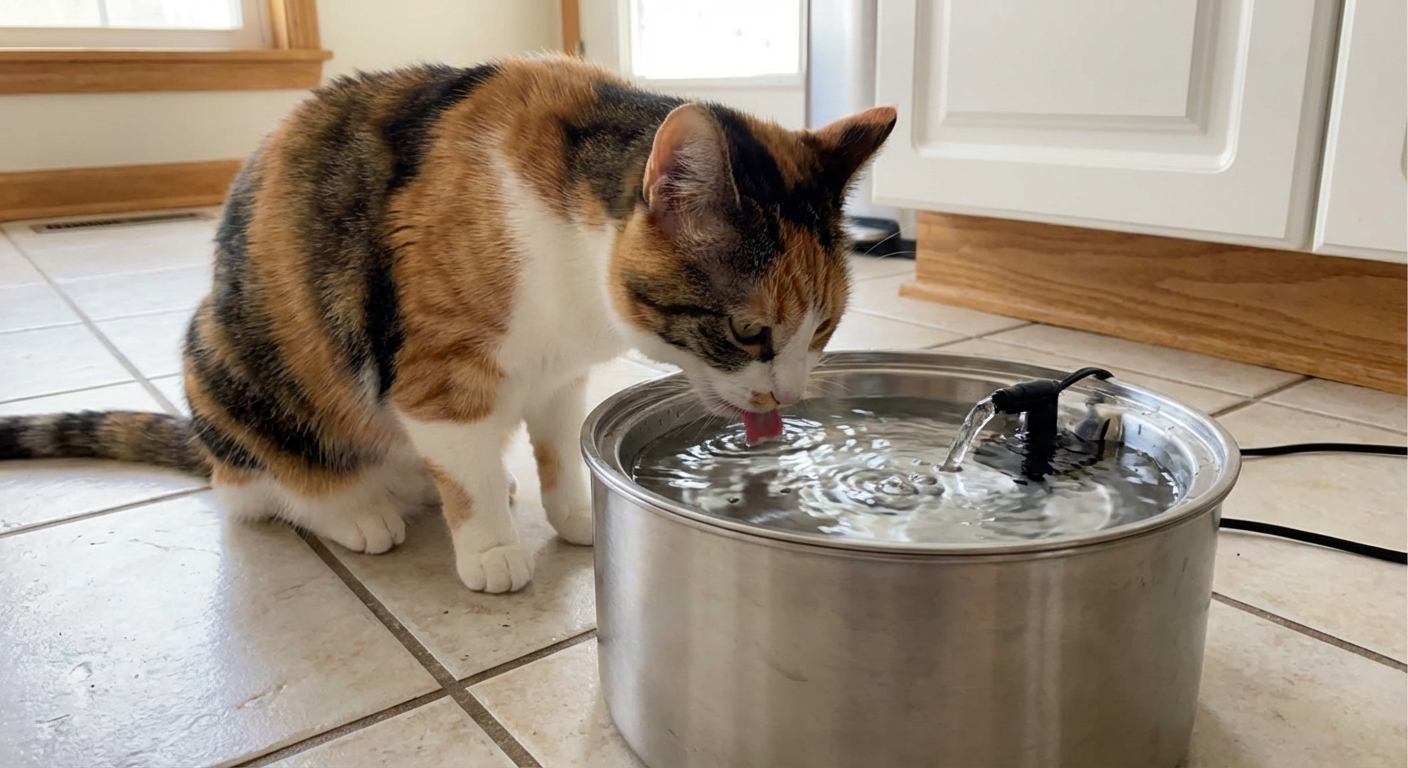
- Use a cat water fountain. Many cats prefer running water.
- Offer multiple water stations away from the litter box.
2) Consider fiber carefully
Some cats do better with added fiber, while others do worse. Fiber can help in mild cases, but it can also worsen constipation or even contribute to obstipation if a cat is dehydrated, not drinking, or already impacted.
- Plain canned pumpkin (not pie filling) is often used. Start with a small amount mixed into food.
- Psyllium may be recommended in some cats, but ask your veterinarian for dosing guidance, especially if your cat does not drink well.
Avoid adding fiber and call your vet first if your cat is vomiting, very uncomfortable, not eating, severely lethargic, or you suspect a blockage or foreign body.
3) Support gut movement
For cats with recurring issues, many veterinarians recommend products like polyethylene glycol 3350 (often known by a brand name like Miralax). It can be very effective, but it is used off-label in cats, and the dose and frequency should come from your veterinarian. This matters even more for older cats and cats with kidney disease.
4) Make the litter box easier
- Scoop at least once daily. Twice is even better.
- Provide one box per cat plus one extra.
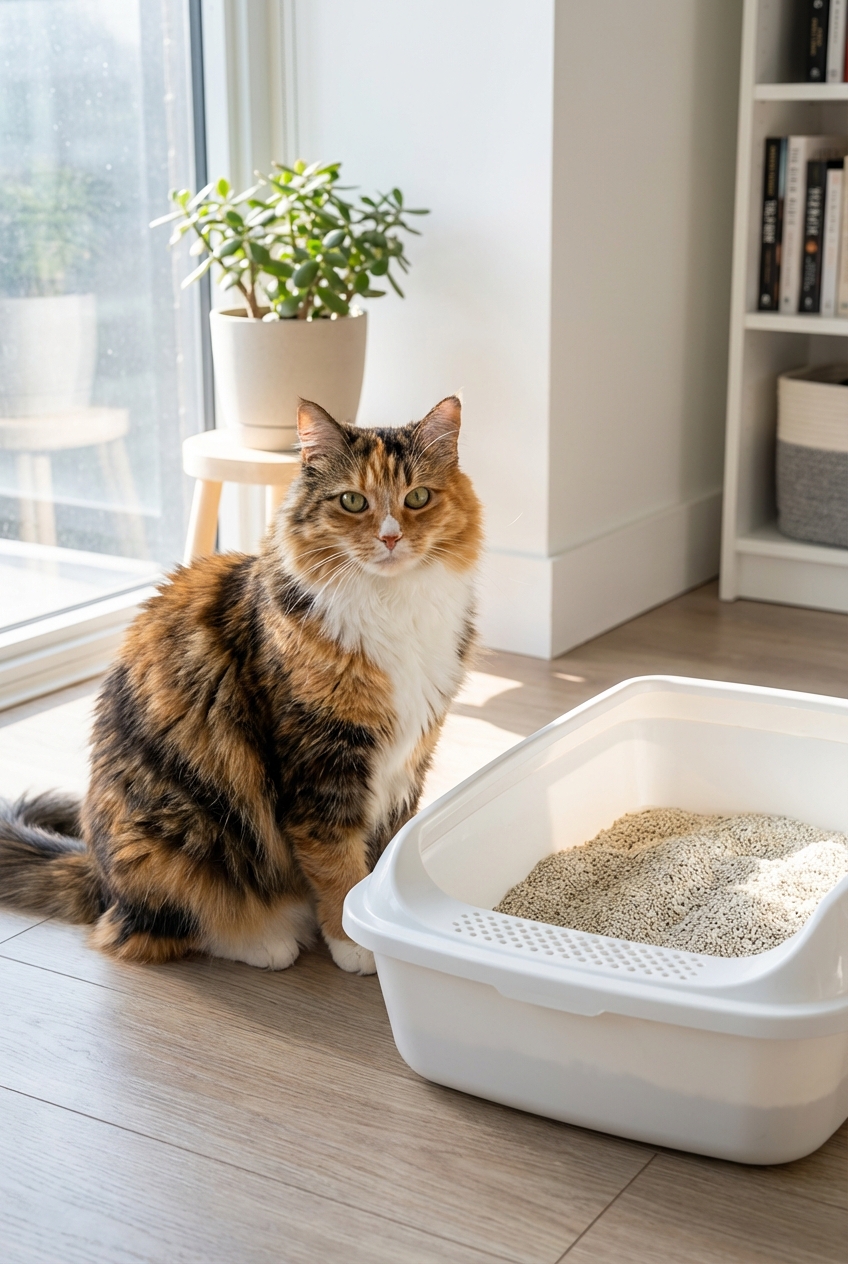
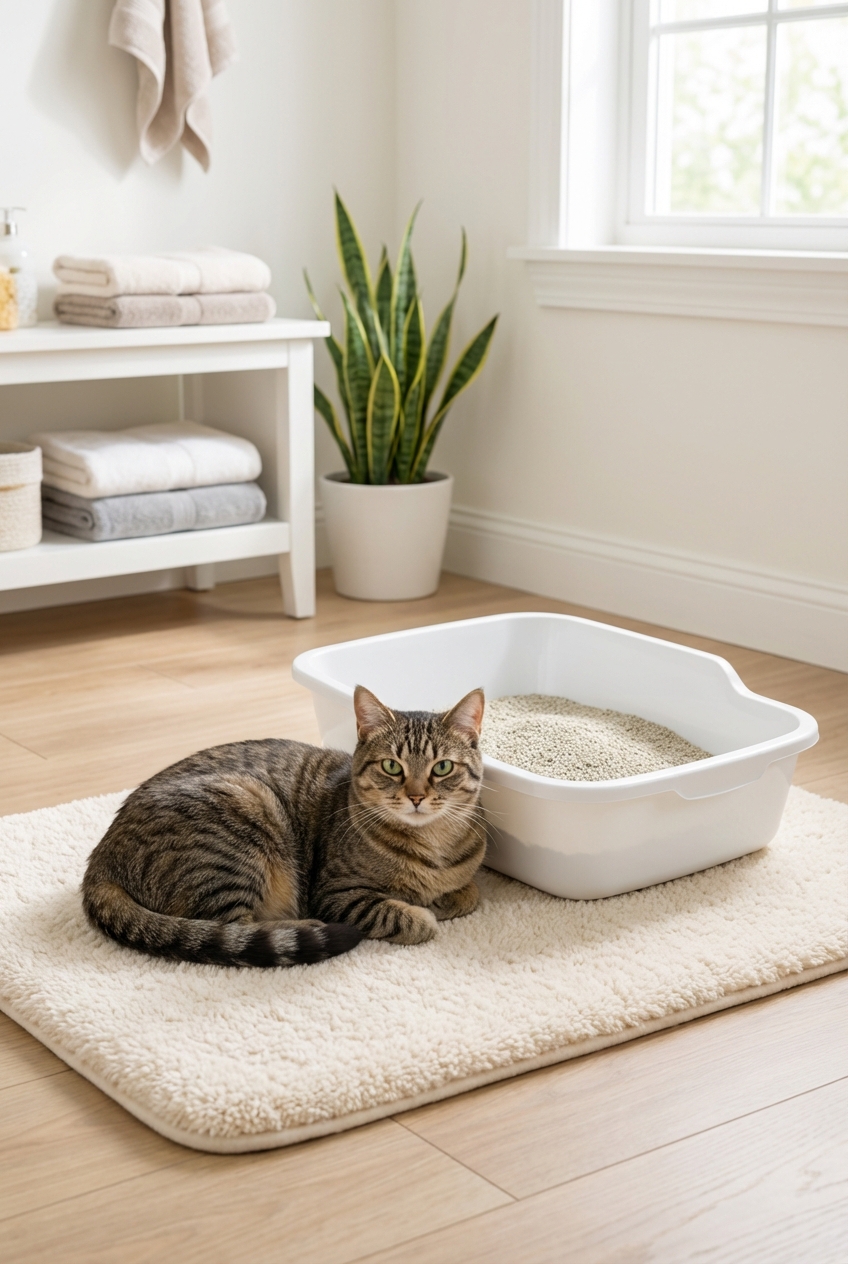
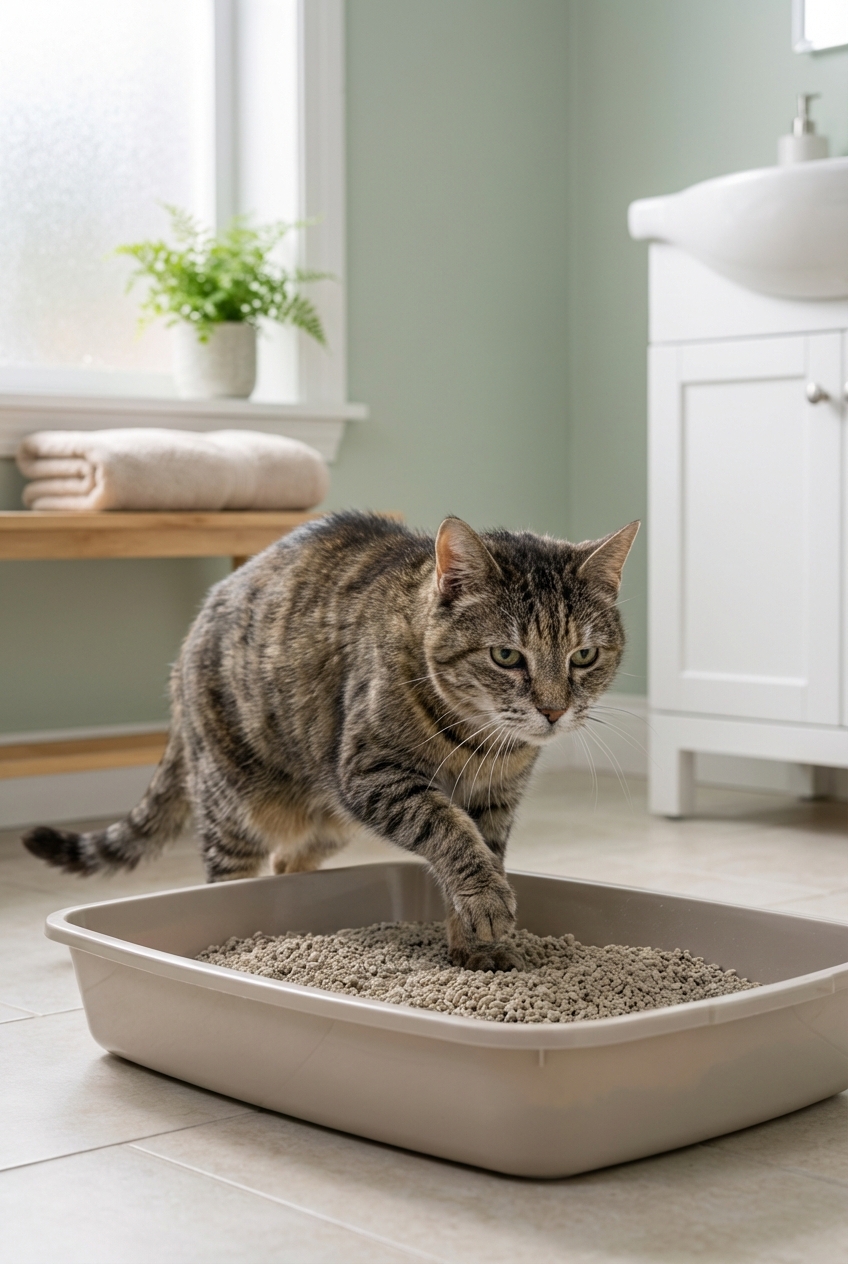
- Use a box with lower sides if your cat is older or arthritic.
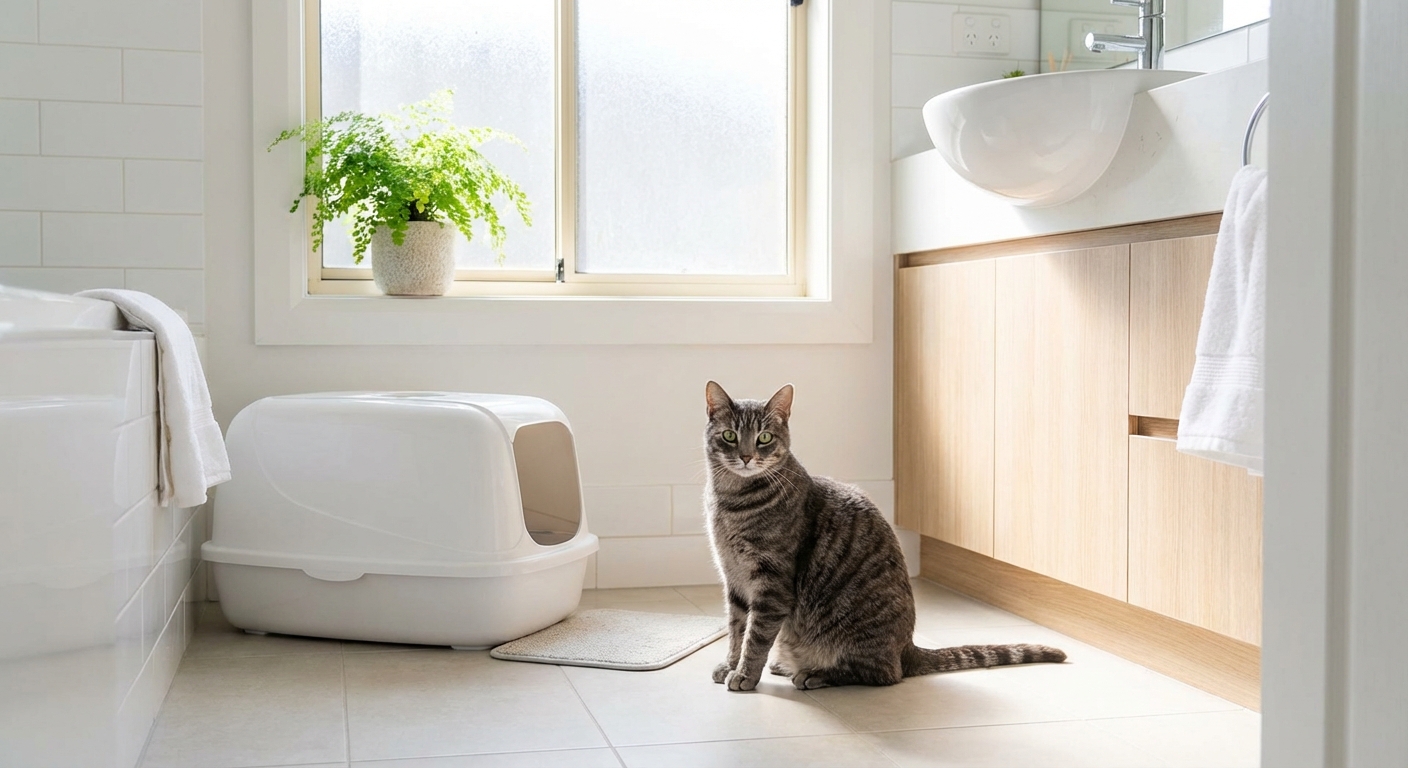
- Place boxes in quiet, easy-to-access areas.
- If your cat is suddenly avoiding the box, consider whether the litter texture or scent changed. Some cats refuse certain litters and will hold it.
5) Groom and reduce hair intake
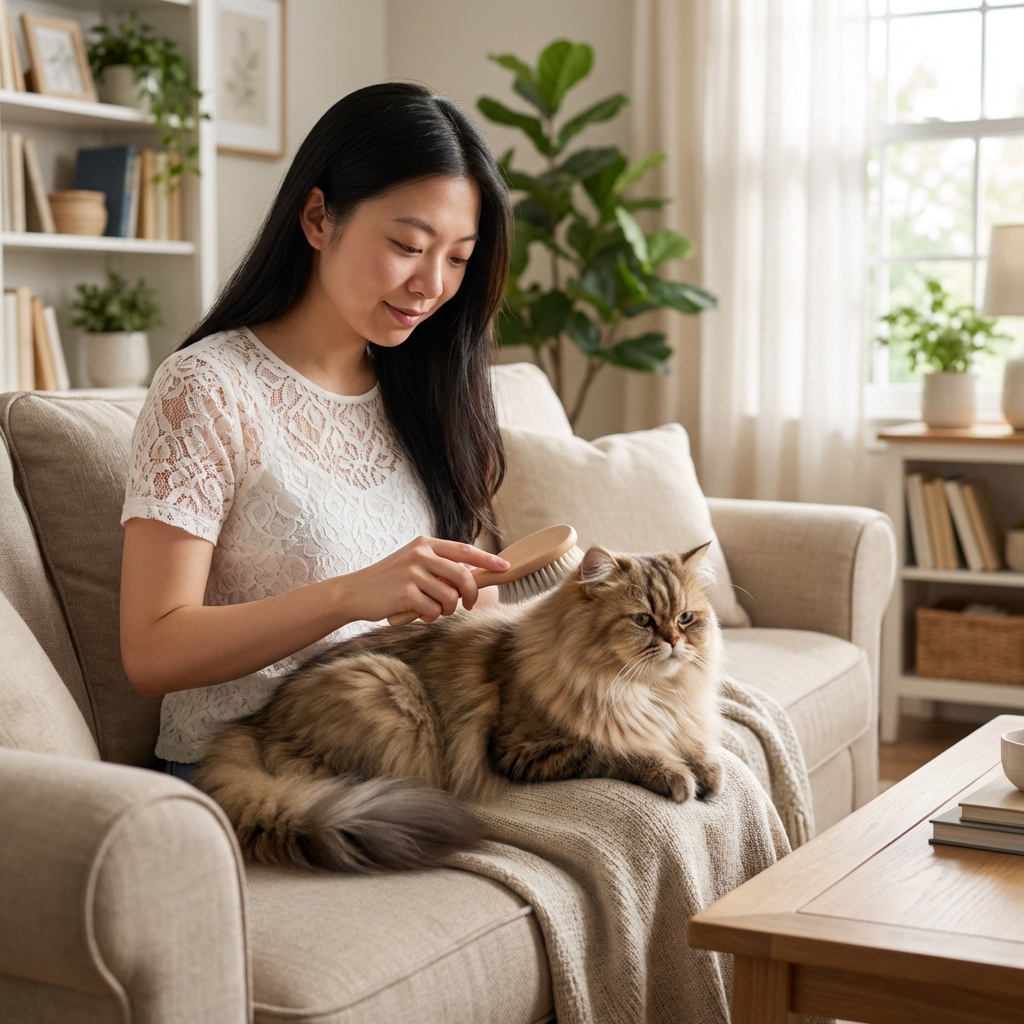
Hair can contribute to constipation, especially in long-haired cats. Gentle daily brushing during shedding seasons can make a real difference.
6) Add gentle activity
Movement supports normal motility. If your cat feels well enough, a few short play sessions a day can help, along with environmental enrichment like food puzzles or climbing options.
What not to do at home
- Do not give human enemas or phosphate enemas. Sodium phosphate enemas can cause dangerous electrolyte disturbances in cats.
- Do not use mineral oil orally because of aspiration risk.
- Do not give random human laxatives without veterinary guidance.
- Do not give docusate capsules, senna, or bisacodyl unless your veterinarian specifically instructs you to. These are not automatically safe for cats.
- Do not force-feed or give oils if your cat is vomiting or lethargic.
What your veterinarian may recommend
If constipation is moderate, recurrent, or your cat is uncomfortable, a veterinary visit is the kindest next step. Treatment depends on severity and underlying cause.
In-clinic options
- Hydration support (subcutaneous fluids or IV fluids)
- Prescription stool softeners or osmotic laxatives
- Prokinetic medications to improve colon motility when appropriate
- Enema performed safely by trained staff
- Pain control if arthritis or other pain is contributing
- Radiographs to confirm stool burden and rule out obstruction
- Bloodwork to look for dehydration, kidney issues, and more
If megacolon is suspected
Megacolon can require long-term management with diet changes, medications, consistent stool monitoring, and in severe cases, surgery. Early intervention matters because the colon can lose function over time.
How long is too long?
Many healthy cats poop roughly once a day, but normal can vary. Some cats may skip a day and be fine. Context matters most, including appetite, energy, comfort, and whether there is straining. In general:
- About 24 hours without stool: monitor closely, increase moisture, and watch behavior.
- About 48 hours: call your veterinarian for guidance, especially if there is straining or your cat seems off.
- More than 48 hours or any worsening signs: seek veterinary care.
Also pay attention to stool quality. A cat passing tiny, rock-hard stools may be constipated even if something is still coming out.
Prevention tips
Constipation prevention is mostly about consistency and moisture. Here are practical habits that tend to help the most:
- Feed more moisture: a wet-food based diet or a mixed wet and dry plan.
- Keep water appealing: fountains, fresh bowls, multiple locations.
- Maintain a healthy weight: play sessions and measured meals.
- Regular grooming if your cat sheds heavily.
- Manage stress: predictable routines, safe resting spots, separate resources for multi-cat homes.
- Address pain: if your cat is older, ask your vet about arthritis screening and comfort strategies.
- Keep the litter box inviting: clean boxes and a litter type your cat accepts.
A simple stool-check routine
You do not need to obsess, but a quick daily scan can catch problems early.
- Count stools per day and note any sudden change.
- Look for very hard, dry pellets or straining.
- Notice appetite, energy, and water intake changes.
- Watch for vomiting, hiding behavior, or repeated litter box trips.
If your cat has repeat episodes, jot down what they ate, whether you changed litter, any stressful events, and any meds or supplements. That little log can help your vet find patterns quickly.