A practical 24–72 hour diet and hydration plan for mild dog diarrhea, with bland food options, safe add-ons like probiotics, foods to avoid, and clear red ...
Article
•
Designer Mixes
How to Treat Canine Diarrhea

Shari Shidate
Designer Mixes contributor
Diarrhea is one of the most common reasons pet parents call a veterinary clinic, and I get it. It is messy, stressful, and it can feel urgent. The reassuring news is that many mild cases clear up quickly with the right at-home support. The important part is knowing when it is safe to try home care and when diarrhea is a medical emergency.
Below I will walk you through what diarrhea can mean, what you can do today to help your dog feel better, and the red flags that should send you straight to your veterinarian or an emergency hospital.
First, a quick safety check
Before you change food, try remedies, or wait it out, pause and look for red flags. Contact your vet promptly or seek emergency care if you notice any of the following:
- Blood in the stool (bright red streaks, or black, tarry stool called melena which can mean digested blood)
- Repeated vomiting, bloating, or unproductive retching
- Severe lethargy, collapse, weakness, or signs of pain
- Dehydration (dry gums, sunken eyes, sticky saliva, skin that “tents”)
- Pale gums or rapid breathing
- Possible toxin exposure (xylitol, grapes or raisins, human medications, rodenticides, etc.)
- Possible foreign body risk (your dog is a known chewer, got into trash, or may have swallowed a toy, cloth, bone, or corn cob)
- Puppies, seniors, or dogs with chronic illness (kidney disease, diabetes, Addison’s disease, cancer) who develop diarrhea
- Diarrhea that is not improving within 24 hours, or that lasts more than 48 hours even if your dog seems mostly okay
If you are on the fence, call. A quick phone conversation can prevent a small problem from becoming a big one.
What diarrhea is telling you
Diarrhea is not a diagnosis. It is a symptom that something has irritated the gut or disrupted normal digestion. Common causes I see in clinic include:
- Dietary indiscretion: garbage or compost, table scraps, new treats, fatty foods
- Sudden diet changes: switching foods too quickly
- Stress: boarding, travel, a new pet, schedule changes
- Parasites: giardia, roundworms, hookworms, whipworms (yes, they can still happen even if your dog is on preventives)
- Infectious enteritis: viral or bacterial inflammation of the gut
- Food sensitivities or intolerance
- Medication side effects: antibiotics, NSAIDs, some supplements
- Underlying disease: pancreatitis, inflammatory bowel disease, endocrine issues
One clue can be where the inflammation is occurring:
- Small intestine diarrhea often looks like larger volumes, fewer trips, and may include weight loss over time.
- Large intestine diarrhea often means frequent urgent trips, smaller amounts, mucus, and sometimes bright red blood (often from irritation and straining, but it can occur even without obvious straining).
Step-by-step at-home help for mild diarrhea
If your dog is bright, alert, drinking, and has no red-flag symptoms, you can often try gentle home care for the next 12 to 24 hours while you monitor closely. If you have a small dog with very watery, large-volume diarrhea, I recommend checking in with your clinic sooner rather than later because dehydration can happen fast.
1) Hydration first
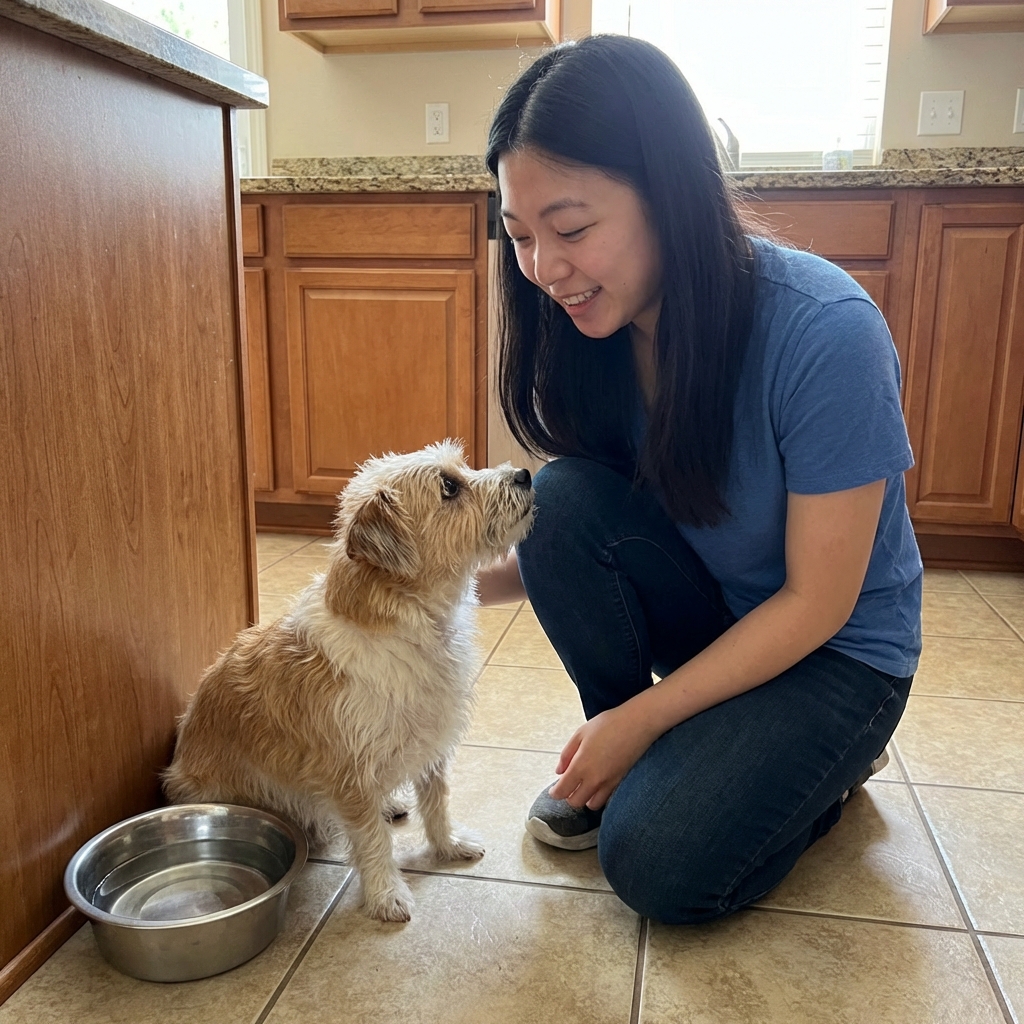
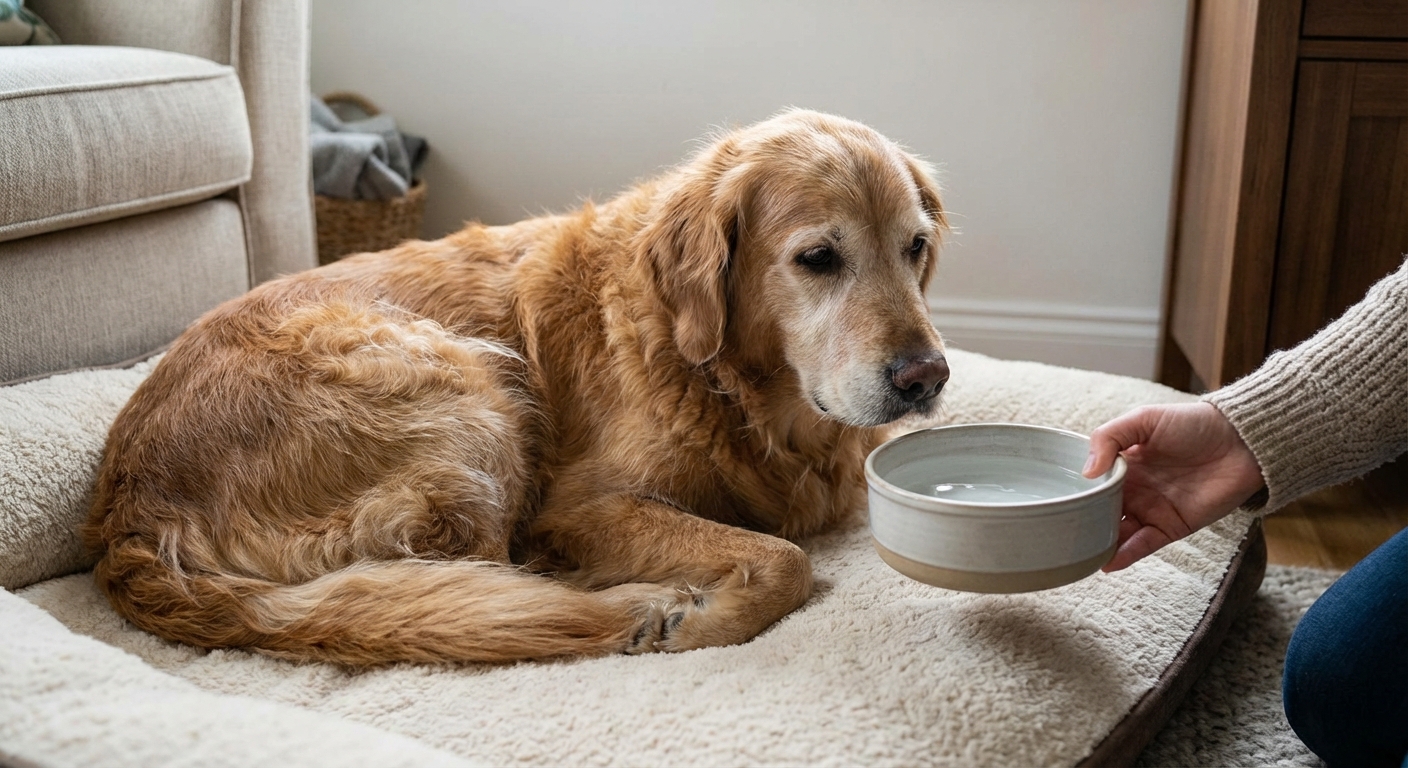
Diarrhea can dehydrate dogs quickly, especially small dogs. Encourage water intake. If your dog is not interested, you can offer:
- Fresh water in multiple locations
- Ice chips (many dogs like them)
- Low-sodium broth (on its own or diluted, with no onion or garlic added)
If your dog cannot keep water down or seems dehydrated, that is a veterinary visit.
2) Food break, sometimes
For some healthy adult dogs, a brief food break of 8 to 12 hours may help the gut settle. That said, some dogs do better with small, bland meals instead of fasting. If you are unsure, check with your vet.
Puppies and toy breeds are more prone to low blood sugar, so do not fast them without veterinary guidance.
3) Bland diet for 2 to 3 days
Once you restart food, go bland and simple. My go-to options are:
- Boiled skinless chicken breast plus white rice
- Lean ground turkey (well cooked, drained) plus white rice
Start with small meals, about 4 to 6 mini-meals per day. Then gradually increase portions as stools improve.
What to avoid during diarrhea: high-fat foods, rich treats, dairy (for many dogs), new chews, and suddenly adding lots of fiber at once.
Important note: a chicken and rice diet is a short-term tool, not a balanced long-term plan. If your dog has recurrent diarrhea, your vet may recommend a veterinary gastrointestinal diet instead.
4) Gentle fiber, if it helps
Fiber can help “normalize” stool, whether it is too loose or too firm. A common, gentle option is plain canned pumpkin (not pie filling). A typical starting point is about 1 teaspoon per 10 pounds of body weight mixed into meals, once or twice daily. There is no perfect one-size-fits-all dose, so start small and adjust based on response.
If your dog worsens, stop and contact your vet, because not every dog tolerates added fiber. If you have a very small dog, keep amounts modest to avoid overdoing it.
5) Dog-specific probiotics
Studies suggest certain dog-specific probiotics may help shorten the course of acute diarrhea in some dogs by supporting the gut microbiome. Choose a product made for dogs, follow the label, and give it consistently for at least several days. If your dog is immunocompromised, ask your veterinarian first.
6) Rest, routine, and hygiene
Keep activity low-key and keep meals and potty breaks predictable. Stress alone can keep the gut irritated, especially in sensitive pups.
Also be mindful that some causes of diarrhea can be contagious (giardia is a common one). Pick up stool promptly, wash hands after cleanup, and consider skipping dog parks and daycare until stools are back to normal.
What not to do
- Do not give human anti-diarrheal medications unless your veterinarian specifically instructs you to. Some can be dangerous, and others can mask symptoms when we actually need to find the cause.
- Do not switch foods repeatedly trying to find a quick fix. Rapid changes can prolong diarrhea.
- Do not assume it is “just something they ate” if symptoms are intense or persistent. Parasites, pancreatitis, and foreign bodies can look similar at first.
When to see the vet
Schedule a veterinary appointment if:
- Diarrhea is not improving within 24 hours
- Diarrhea lasts more than 48 hours
- Your dog has recurrent episodes
- Your dog is losing weight or has a poor appetite
- Stool is consistently very watery or explosive
- You see mucus frequently, or there is straining with little produced
- Your dog recently started a new medication or antibiotic
Your vet may recommend a fecal test (parasites and giardia are common), supportive medications, diet trials, or bloodwork depending on the situation. If you can, bring a fresh stool sample with you in a sealed bag or container.
Getting back to normal food
Once stools are consistently improving, transition back to your dog’s regular diet gradually over about 2 to 3 days. Mix a little more regular food into the bland diet each day. If diarrhea returns during the transition, pause and contact your vet for next steps.
Simple prevention
Some dogs are just more sensitive than others, but you can lower the odds of repeat episodes with a few practical habits:
- Transition foods slowly over 7 to 10 days
- Keep treats simple and limit rich, fatty snacks
- Use monthly parasite prevention as recommended by your veterinarian
- Test stool at least yearly, or more often for dogs who visit dog parks or daycare
- Keep trash secured and supervise outdoor sniffing, especially on walks
- Support gut health with a consistent, balanced diet and probiotics when appropriate
If your dog has frequent diarrhea, ask your veterinarian about a longer-term plan. Sometimes the answer is as simple as a diet change, and sometimes we need to look deeper.
Trust your instincts. You know your dog best. If something feels off, it is always okay to contact your veterinary clinic and ask for guidance.