A step-by-step, family-friendly plan to reduce separation anxiety in dogs using safety management, trigger desensitization, tiny absences, enrichment, and ve...
Article
•
Designer Mixes
How to Treat Anxiety in Dogs: Need-to-Know Tips

Shari Shidate
Designer Mixes contributor
Dog anxiety is one of the most common behavior concerns I see families struggle with. The good news is that many anxious dogs can feel better with the right mix of routine, training, and support. Anxiety is not “bad behavior.” It is your dog’s nervous system asking for help.
Quick note: This guide is educational and based on modern, humane behavior practices and my experience as a veterinary assistant. It is not a substitute for veterinary advice for your individual dog.
In this guide, I’ll walk you through how to spot anxiety, what you can do at home, when medication might be appropriate, and when it’s time to bring in your veterinarian or a credentialed trainer.
Fear, anxiety, and phobia
Fear is a response to something happening right now. Anxiety is worry about what might happen. A phobia is an intense, overwhelming fear response that can look sudden and extreme. The steps below can help with all three, but phobias often need faster professional support.
What anxiety looks like in dogs
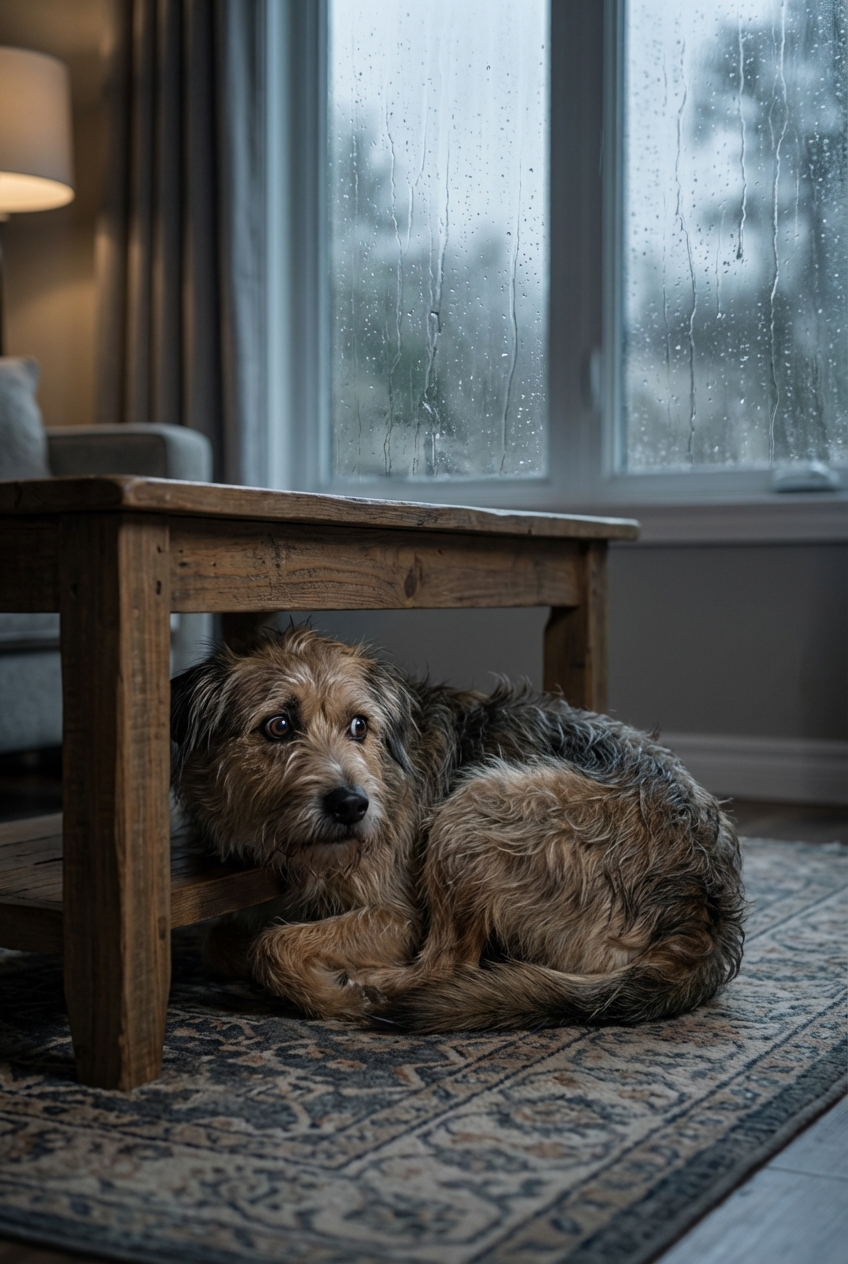
Anxiety can be loud and obvious, or it can be subtle. Many dogs show a mix of body language and behavior changes, especially during triggers like thunderstorms, fireworks, visitors, car rides, or being left alone.
Common signs
- Pacing, restlessness, difficulty settling
- Trembling, panting when it is not hot or after exercise
- Hiding, cowering, seeking constant contact
- Excessive barking, whining, or howling
- Destructive behavior (often at doors, windows, or crates)
- Drooling, lip licking, yawning, whale eye (wide eyes showing whites)
- Changes in appetite, refusing treats during scary moments
- Potty accidents, especially with separation-related anxiety
- Over-grooming, licking paws raw, or other repetitive behaviors
Important: Pain, gastrointestinal upset, hormonal issues, and cognitive changes can mimic anxiety. If anxiety is new, sudden, or worsening, a veterinary check is a smart first step.
Identify triggers and patterns
It is hard to improve what you cannot spot and predict. A simple anxiety diary helps you find patterns quickly.
What to track for 1 to 2 weeks
- Time of day anxiety happens
- What happened right before it (doorbell, kids running, loud noise, you picking up keys)
- How long it lasted
- What helped (music, chew, moving to a quiet room)
- Severity from 1 to 10
This record is also incredibly helpful to share with your vet or trainer, especially for separation anxiety plans.
Start with sleep, routine, and enrichment
An anxious dog can be an under-rested dog, and poor sleep often makes stress responses bigger. That said, some dogs still feel anxious even with great rest and routine, which is where targeted training and medical support can matter.
Many adult dogs sleep around 12 to 14 hours (sometimes more), while puppies and seniors often need even more. Needs vary by breed, age, and health, so focus on whether your dog can truly settle and recharge.
Daily routine basics
- Consistent schedule: meals, potty breaks, walks, quiet time
- Decompression walks: slow sniffy walks on a long line in a low-traffic area
- Brain work: food puzzles, scatter feeding, scent games
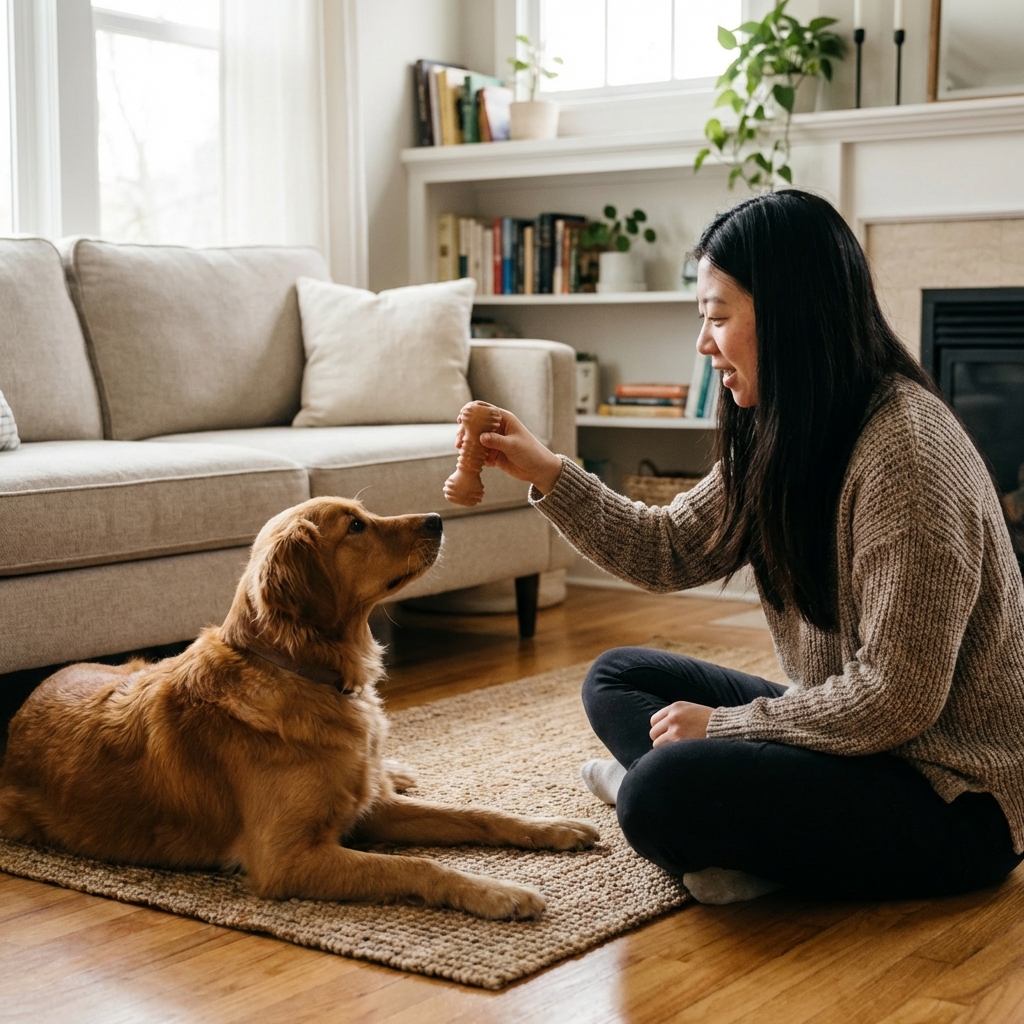
- Chewing: dog-safe chews can help some dogs self-soothe
- Rest zones: create calm spaces away from windows and foot traffic
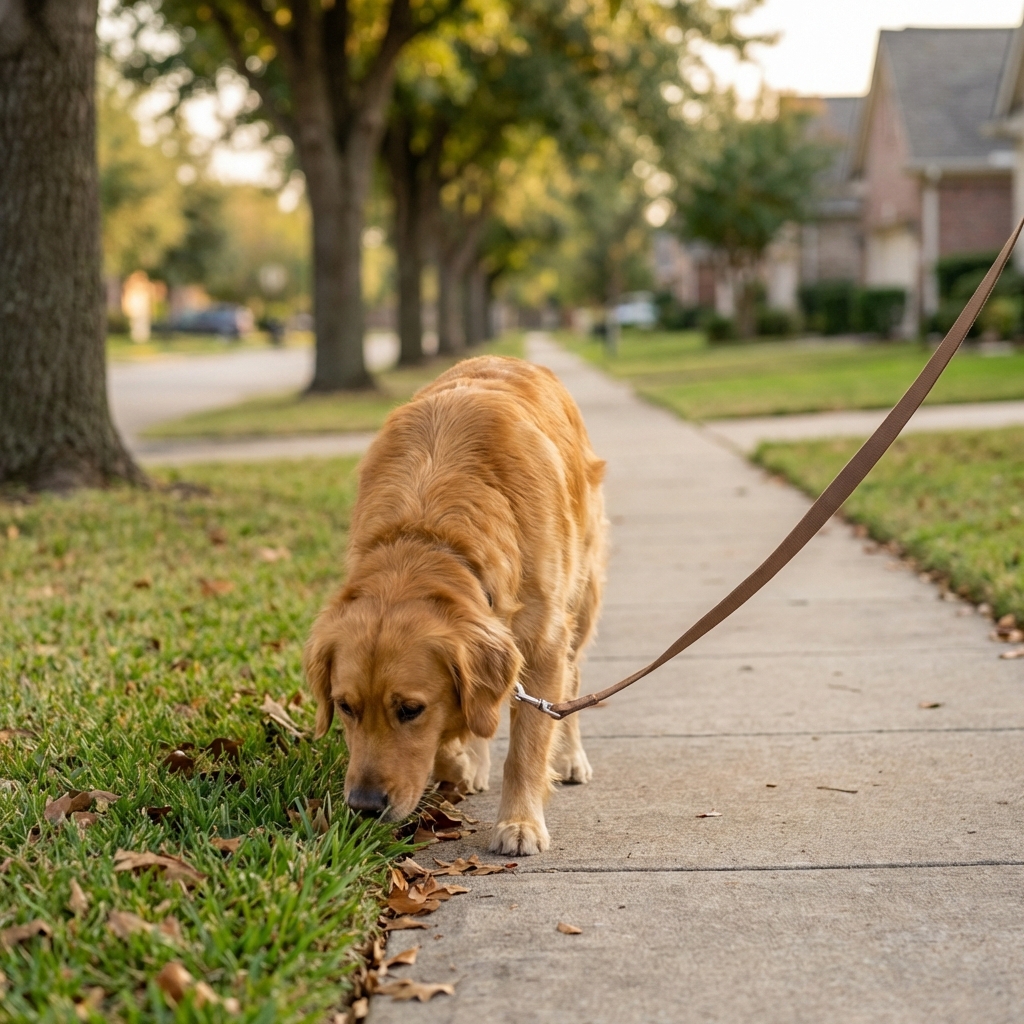
If your dog is constantly “on,” you may need more calm time, not just more exercise. Over-exercising can rev up some anxious dogs.
Safe at-home calming strategies
These are low-risk steps that often make a noticeable difference, especially when used consistently.
Create a calm environment
- Sound management: close windows, use a fan or white noise during noisy times
- Comfort den: a covered crate or cozy corner with bedding and a chew (only if your dog already likes the crate)
- Light control: dim lighting can help during storms and evenings
Teach a “settle” routine
Practice when your dog is already calm. Reward relaxation with tiny treats delivered in a way your dog enjoys. For some dogs, that means placing a treat between the paws. For others, it is better to gently toss treats onto a mat, deliver to the mouth, or use a lick mat. The goal is to make relaxation a skill, not a mystery.
Use calming touch correctly
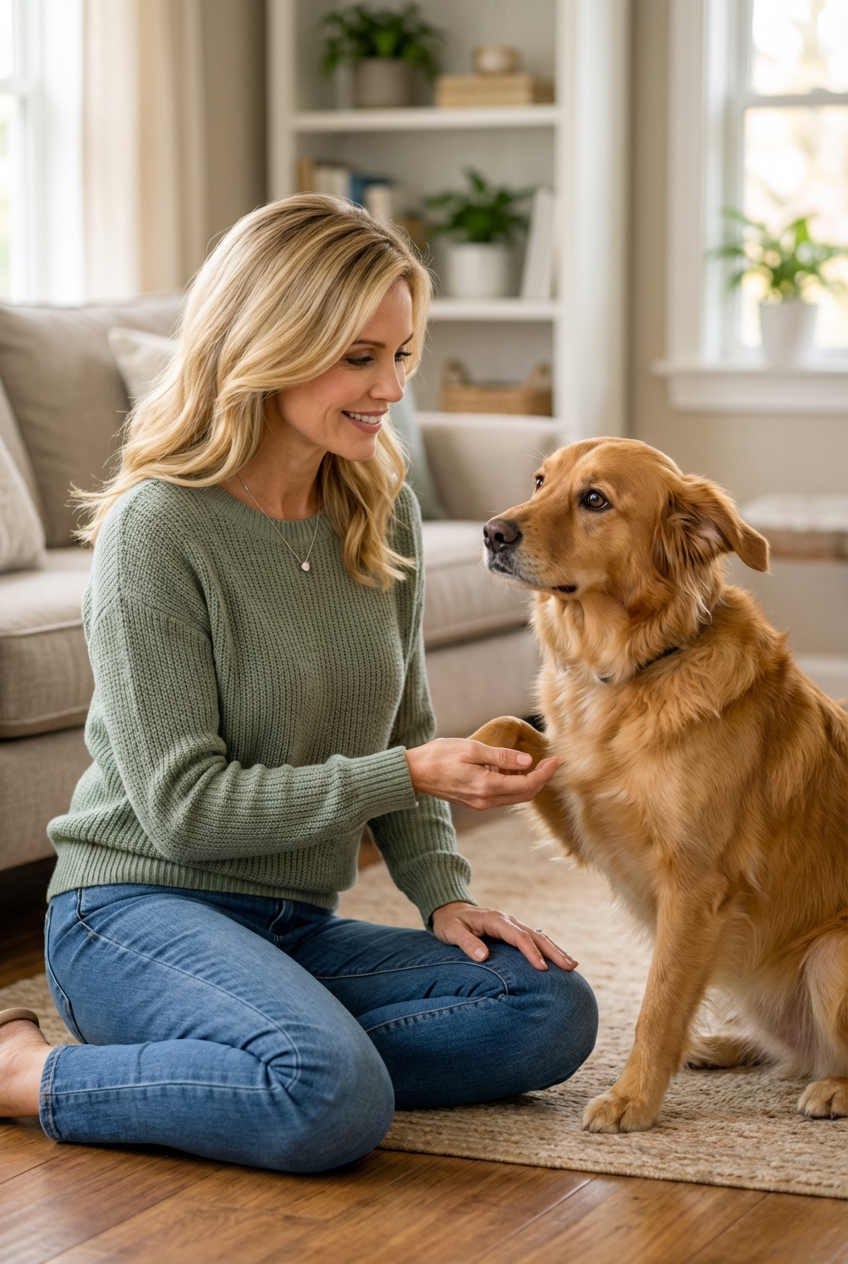
Some dogs love gentle pressure, others hate being hugged when nervous. Let your dog choose. If they lean in, stay. If they turn away, respect that and give space.
Try simple scent support
Many dogs relax with familiar smells. A worn t-shirt in their bed can be soothing when you leave. For some dogs, dog-appeasing pheromone products may help, though results vary.
Training that reduces anxiety
Anxiety often improves with desensitization (exposure in tiny, safe steps) and counterconditioning (pairing the trigger with something wonderful). The key is keeping your dog under threshold, meaning they can still eat treats and think.
Example: doorbell anxiety
- Start with a doorbell sound played very quietly on your phone
- Immediately give high-value treats
- Stop before your dog gets worked up
- Gradually increase volume over days or weeks
Example: separation-related anxiety
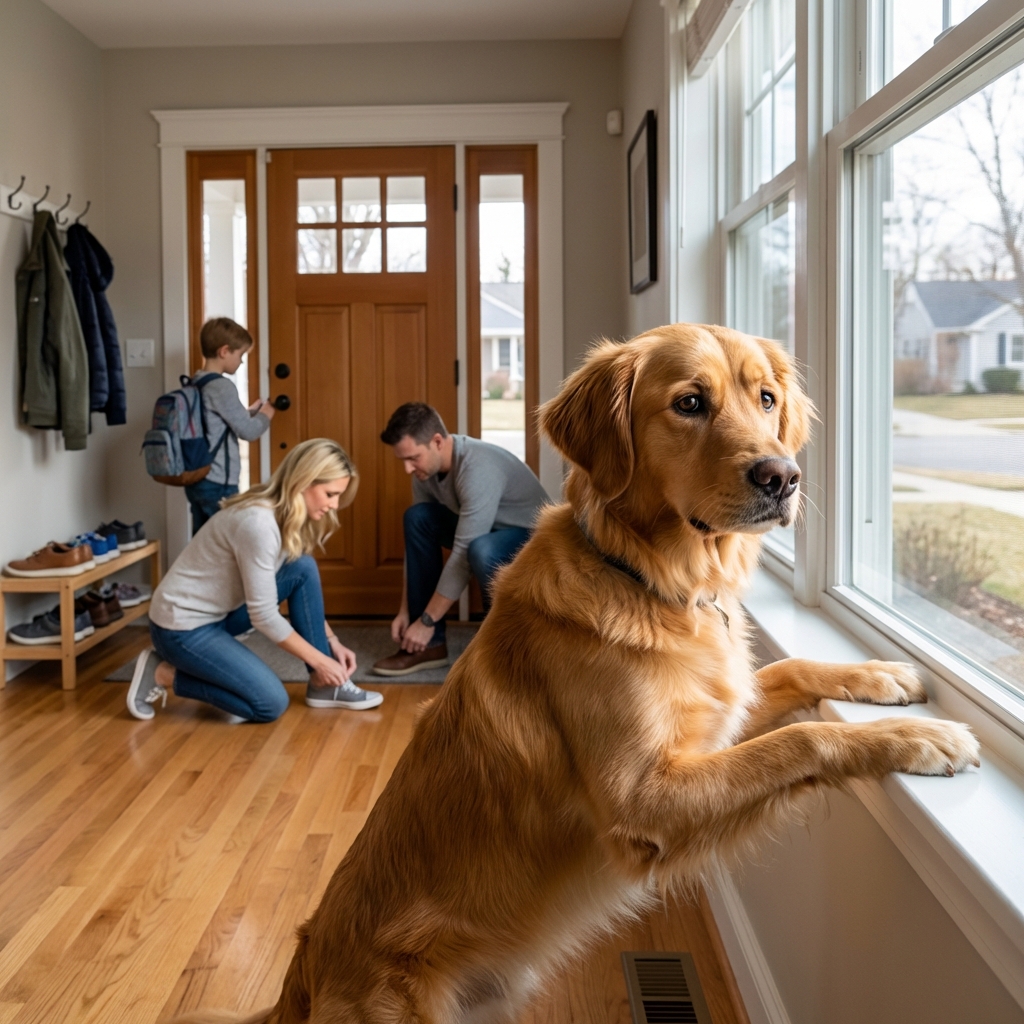
Many cases need a structured plan: tiny departures, predictable pre-departure cues, and preventing panic episodes. “Crying it out” can worsen panic, so the goal is to keep your dog feeling safe while you build skills.
Management can be part of treatment. That may include avoiding long absences for a while, using a pet sitter, trusted family help, or daycare (if your dog truly finds it relaxing). If your dog is destroying doors, drooling heavily, injuring themselves trying to escape, or panicking within minutes, get professional help. Separation anxiety is treatable, but it is not a “just ignore it” situation.
Tip: Punishment makes anxiety worse. If your dog is anxious, they are not being stubborn. They are scared.
Nutrition and supplements
Food will not “cure” anxiety on its own, but overall health matters. Dogs with digestive upset, itchy skin, or unstable energy can have a harder time coping with stress.
Options to ask your vet about
- Omega-3 fatty acids (EPA and DHA): may support brain health and inflammation balance
- Probiotics: the gut-brain connection is real, and evidence is strain and product specific. Your vet can guide you toward veterinary products with data behind them.
- L-theanine, alpha-casozepine, and veterinary calming nutraceuticals: commonly used with some supporting evidence, depending on the product
Please avoid: giving human anti-anxiety meds, THC products, or essential oils without veterinary guidance. Some can be toxic to pets, and others can interact with prescribed medications.
When medication can help
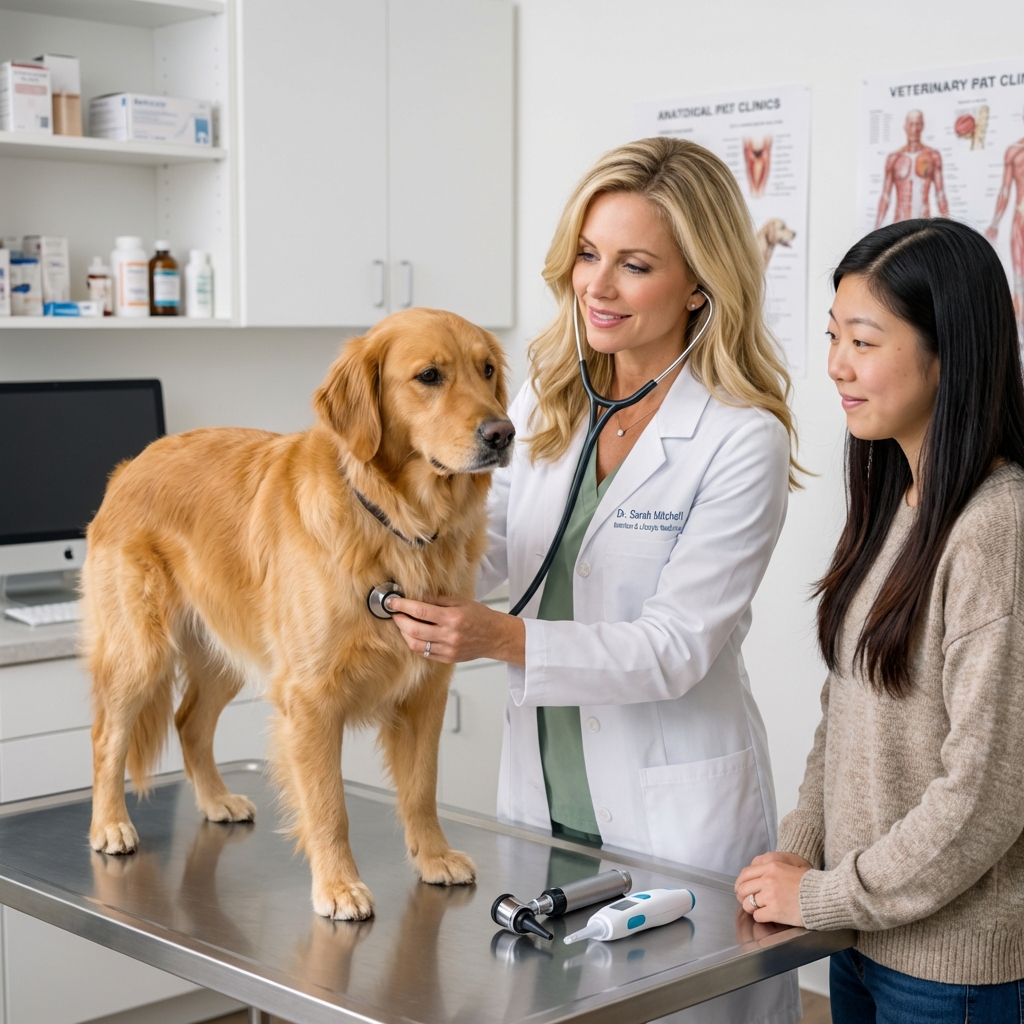
For moderate to severe anxiety, medication can lower your dog’s baseline panic so training can work. Think of it like giving a struggling brain enough breathing room to learn.
Medication is usually most effective when paired with a behavior plan. Some dogs use medication temporarily while skills build, and others need longer-term support. Your veterinarian can help you decide what is appropriate.
When meds are commonly considered
- Separation anxiety with true panic
- Noise phobias (thunderstorms, fireworks)
- Generalized anxiety that affects daily quality of life
- Fear-based aggression where safety is at risk
Your veterinarian may discuss daily medications, event medications for predictable triggers, or a combination. As a general rule, daily medications may take weeks to reach full effect, while event medications are designed to work within hours. Always follow dosing directions closely and report side effects promptly.
Tips by anxiety type
Noise anxiety (storms and fireworks)
- Prepare early with a quiet interior room, white noise, and a favorite chew
- Close curtains to reduce flashes
- Do not force your dog outside if they are terrified
- Ask your vet ahead of time about event medication for predictable holidays
Car anxiety
- Start with sitting in the parked car and feeding treats
- Progress to engine on, then short drives
- Use a crash-tested harness or secured crate for safety
Vet visit anxiety
- Practice happy “drive-by” visits for treats, no exam
- Use high-value lick treats during handling if your clinic allows
- Ask about fear-free handling and pre-visit pharmaceuticals if needed
Choosing the right help
If you need support, look for a trainer who uses reward-based methods and has recognized credentials. Helpful credentials include CPDT-KA, KPA-CTP, and IAABC certifications.
For severe anxiety, phobias, or fear-related aggression, ask your veterinarian about a referral to a board-certified veterinary behaviorist (DACVB). They can combine medical care with a behavior plan and coordinate with your trainer.
When to get help right away
Reach out to your veterinarian and consider a credentialed trainer or veterinary behaviorist if you see any of the following:
- Sudden behavior change in an adult or senior dog
- Self-injury, escape attempts, broken teeth, or bloody paws
- Biting, snapping, or intense guarding linked to fear
- Severe separation panic that does not improve with basic steps
- Weight loss, diarrhea, vomiting, or chronic skin issues along with anxiety
Effective treatment is usually a team effort. In my experience as a veterinary assistant, dogs do best when families combine medical support, training, and a calm home plan they can realistically stick to.
A simple 7-day calming plan
If you want a starting point that feels doable, try this for one week:
- Day 1: Start an anxiety diary and schedule a vet check if anxiety is new or severe
- Day 2: Create a quiet rest zone and add white noise at night
- Day 3: Add one daily sniffy walk (10 to 20 minutes, slow pace)
- Day 4: Introduce a food puzzle or scatter feeding once daily
- Day 5: Practice “settle” for 3 minutes, twice a day
- Day 6: Begin gentle desensitization to one trigger (very small steps)
- Day 7: Review notes and adjust, then consider professional support if progress is limited
Your dog does not need you to be perfect. They need you to be consistent, kind, and willing to take anxiety seriously.
Quick safety reminders
- Do not punish anxious behavior. It increases fear and can create aggression.
- Avoid forcing exposure to scary triggers. Flooding can worsen phobias.
- Crates help only if your dog already feels safe in one.
- Always supervise chews and choose the right size and texture for your dog.
- Avoid very hard chews (like antlers and many bones) if your dog is prone to tooth fractures. When in doubt, ask your vet.