Recognize parvo in puppies fast: early symptoms, emergency red flags, when to suspect it, what to do immediately, how vets test and treat, plus home care, cl...
Article
•
Designer Mixes
How to Treat a Dog With Parvo

Shari Shidate
Designer Mixes contributor
Parvovirus, often called parvo, is one of the most serious illnesses we see in puppies and unvaccinated dogs. It attacks fast-dividing cells, especially in the intestines and bone marrow. That is why it can cause severe vomiting, bloody diarrhea, dehydration, and dangerously low white blood cells.
Because parvo can become life-threatening fast, the most important takeaway is this: parvo is a veterinary emergency. Home care alone is not enough for most dogs. The good news is that with prompt treatment and supportive care, many dogs do recover.
Who is most at risk
Parvo is most common in:
- Puppies, especially those who are not fully vaccinated yet
- Unvaccinated dogs or dogs with unknown vaccine history
- Recently adopted dogs from high-turnover environments (shelters, rescues, rehoming situations)
- Dogs with high exposure to shared potty areas (apartments, parks, sidewalks, pet stores)
Puppies are vulnerable partly because maternal antibodies can interfere with early vaccines. That is why veterinarians usually give a series of boosters, often every 2 to 4 weeks, until at least 16 weeks of age. Some pups in higher-risk areas may need additional boosters. Your veterinarian will tailor the schedule to your dog.
First: Know the urgent signs
If your dog has any of the symptoms below, call an emergency vet or your veterinarian immediately and let them know you suspect parvo so they can guide you on safe arrival.
- Repeated vomiting
- Diarrhea, especially watery or bloody
- Not eating or drinking
- Extreme lethargy, weakness, or collapse
- Fever or low body temperature
- Pale gums, fast heart rate, signs of dehydration (tacky gums, sunken eyes)
If your puppy is vomiting and has diarrhea, do not “wait it out.” With parvo, hours can matter.
Step-by-step: What treatment looks like
There is no single pill that “kills” parvo instantly. Treatment is about supporting the body until the immune system clears the virus, while preventing dehydration, shock, and secondary infections.
Step 1: Get a diagnosis quickly
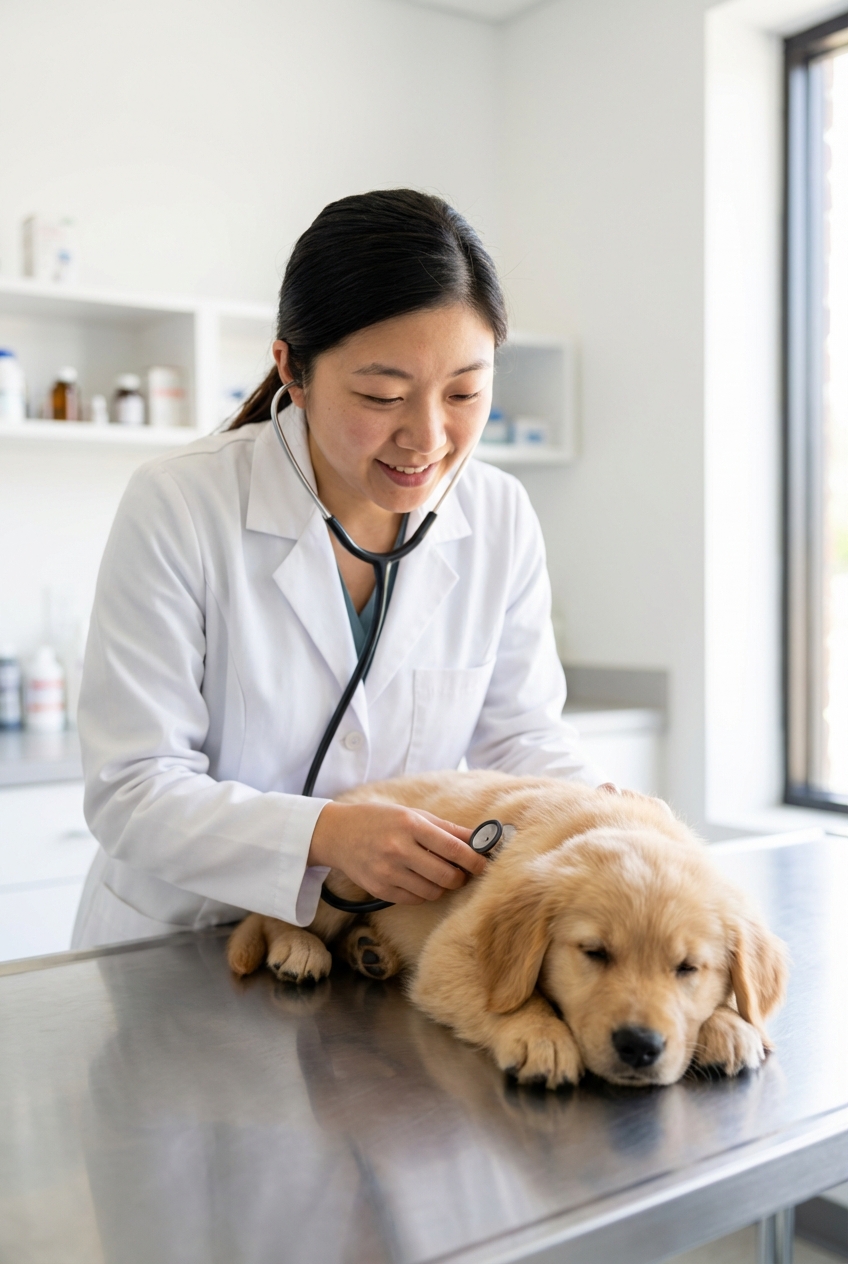
Most clinics use a fecal antigen test (a quick in-clinic test). Your vet may also recommend:
- Bloodwork to check white blood cells, electrolytes, blood sugar, kidney values
- Parvo PCR in some cases, or if the rapid test is negative but suspicion is high
- Baseline weight to monitor fluid loss and recovery
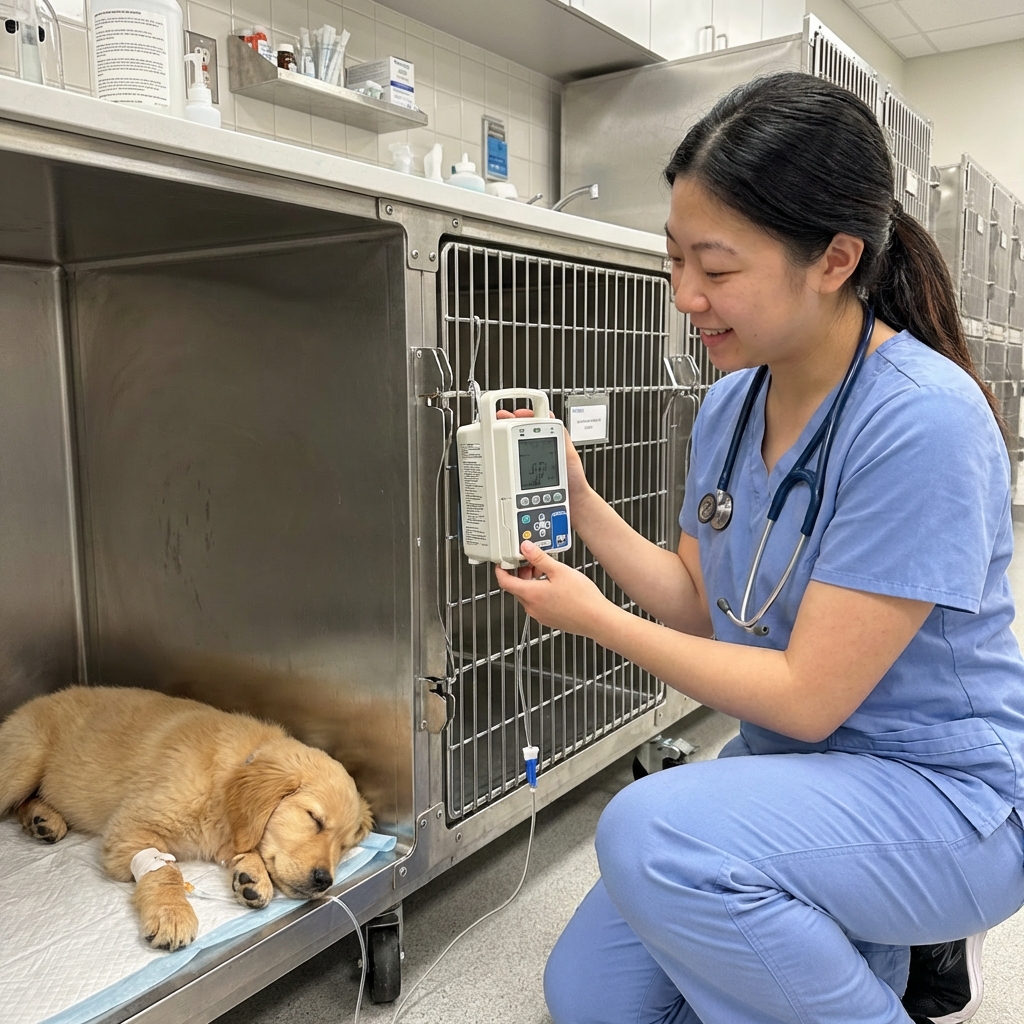
Step 2: Start aggressive fluid therapy
Dehydration is one of the biggest threats with parvo. Dogs lose fluids through vomiting and diarrhea and can crash quickly.
- IV fluids are the gold standard for moderate to severe parvo cases.
- Electrolyte correction is often needed (sodium, potassium, chloride imbalances are common).
- Dextrose may be added if blood sugar is low, especially in small puppies.
Step 3: Control vomiting and nausea
Stopping vomiting is not just for comfort. It helps prevent aspiration, reduces fluid loss, and makes it possible to reintroduce nutrition sooner.
- Vets commonly use prescription anti-nausea and anti-vomiting medications.
- In some cases, stomach protectants are added when there is concern for GI irritation or ulceration.
Step 4: Protect against secondary bacterial infection
Parvo damages the intestinal lining. That can allow bacteria to move from the gut into the bloodstream. Because parvo can also lower white blood cells, many dogs need antibiotics to reduce the risk of sepsis.
Step 5: Pain control and comfort care
Parvo is painful. A good plan often includes medications to manage abdominal pain and supportive nursing care such as keeping puppies warm, clean, and stress-free.
Step 6: Early nutrition when appropriate
It used to be common to “rest the gut” for a long time, but many veterinarians now aim for carefully timed early nutrition once vomiting is controlled. Feeding the intestinal cells can support healing.
- Small, frequent meals of a vet-recommended bland or prescription intestinal diet
- Some dogs need assisted feeding plans or feeding tubes in severe cases
Step 7: Monitor for complications
Your veterinary team will watch for:
- Low white blood cell count (higher risk of infection)
- Electrolyte crashes that can affect heart rhythm and muscle function
- Low blood protein from GI losses
- Intussusception (a serious intestinal complication that can require surgery)
- Sepsis and shock
Hospital vs outpatient care
Many dogs do best with hospitalization. Outpatient care can be an option for stable, mildly affected dogs, when the family can follow instructions closely, return for frequent rechecks, and reach emergency care quickly if the dog worsens.
Hospital care usually includes
- IV fluids and injectable medications
- Frequent monitoring of vitals and hydration
- Bloodwork rechecks as needed
- Strict isolation and infection control
Outpatient care may include
- Subcutaneous fluids (in select cases)
- Take-home medications for nausea, diarrhea, and comfort
- Very detailed feeding and hydration instructions
- Daily or frequent rechecks
Important: outpatient plans are not “do nothing at home.” They still require veterinary oversight and a low threshold to escalate to hospitalization if vomiting, diarrhea, or weakness worsens.
A quick, honest note about cost: Parvo treatment can be expensive, especially with hospitalization. If finances are a concern, tell your veterinary team right away. Many clinics can discuss options like outpatient protocols for appropriate cases, payment plans, third-party financing, or local resources.
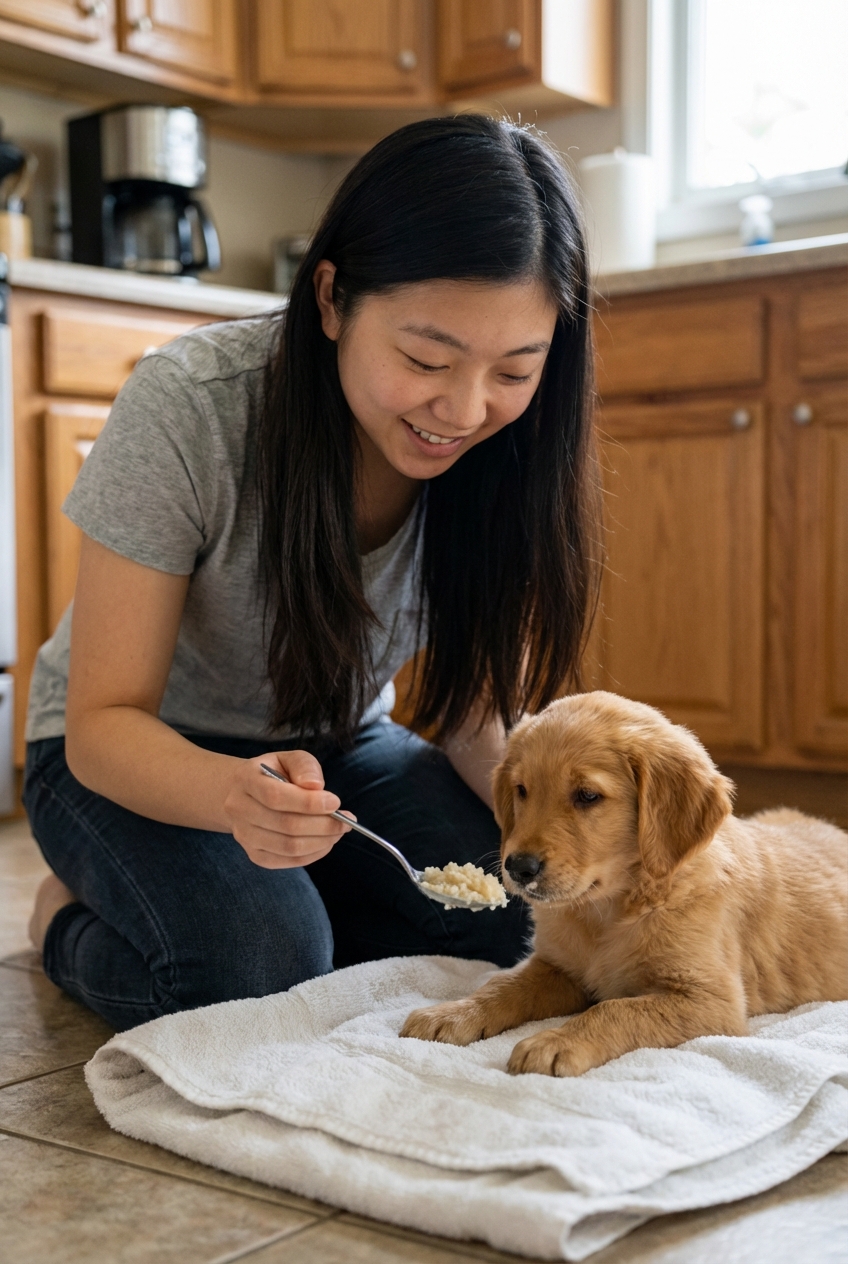
What you can do at home safely (with vet guidance)
Once your dog has been seen by a veterinarian and you have a clear plan, these steps can support recovery. Always follow your vet’s exact instructions, because parvo cases vary widely.
Hydration support
- Offer water in small amounts if your vet says it is safe.
- Do not force large volumes, which can trigger vomiting.
- Never give sports drinks or electrolyte products unless your vet approves.
Feeding support
- Use only the food recommended by your vet.
- Feed tiny portions frequently instead of larger meals.
- If vomiting returns, stop feeding and call your vet right away.
Medication schedule
- Give medications exactly as prescribed and on time.
- If your dog vomits a dose, ask your vet what to do next before repeating.
Track symptoms
Write down:
- Water intake and appetite
- Vomiting episodes (time and frequency)
- Stool frequency and whether blood is present
- Energy level
- Any new symptoms (coughing, weakness, gum color changes)
What not to do
These common mistakes can delay care or make things worse:
- Do not treat suspected parvo with only home remedies.
- Do not give human anti-diarrhea or anti-nausea medications unless a vet instructs you to.
- Do not allow the sick dog to interact with other dogs, shared yards, or public areas.
- Do not assume early improvement means the danger is over. Setbacks and complications can still happen.
Isolation and cleaning
Parvo is extremely contagious and can persist in the environment. It spreads through infected stool and contaminated surfaces such as floors, shoes, crates, and yards.
In some conditions, parvo can survive for many months and sometimes longer, especially in cool, shaded areas. If you are dealing with a yard, dirt, or porous surfaces, ask your vet for a realistic plan.
Isolation basics
- Keep the sick dog in a single, easy-to-clean area.
- Use separate bowls, bedding, leash, and cleaning tools.
- Wash hands thoroughly after every contact.
- Change clothes and disinfect shoes if you have other dogs.
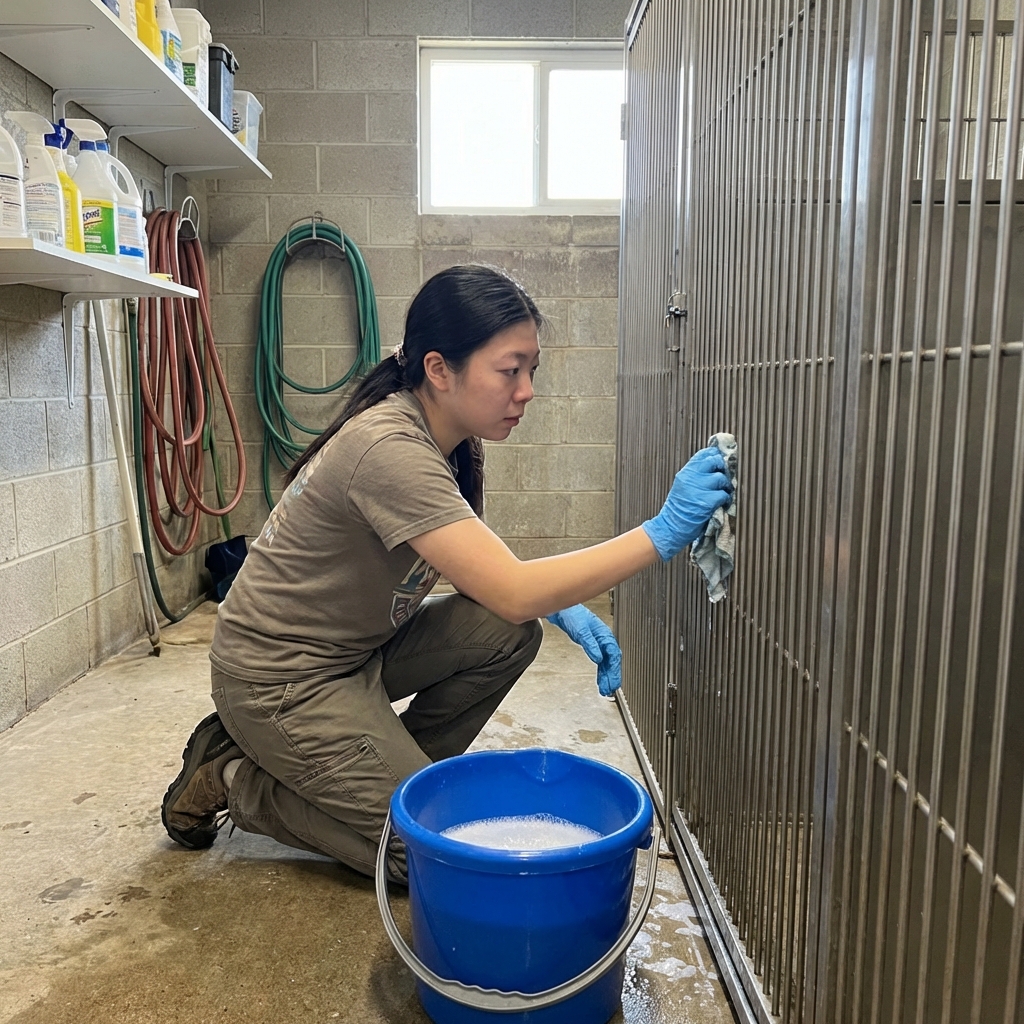
Disinfecting the right way
Many disinfectants do not kill parvo. Ask your vet what they recommend. One commonly used option for hard, non-porous surfaces is a bleach solution mixed at about 1:32 (for example, 1/2 cup bleach per 1 gallon of water), after all visible debris is removed first.
For bleach to work, surfaces usually need to stay visibly wet for a contact time (often around 10 minutes). Product directions, surface type, and your clinic’s protocol matter, so confirm the exact dilution and contact time with your veterinary team.
Recovery timeline
Recovery varies, but many dogs that respond to treatment start improving within a few days. Some take longer, especially tiny puppies or dogs with severe dehydration or low white blood cells.
Signs your dog may be improving
- Less vomiting and improved interest in food
- Stools becoming less watery and less frequent
- More alertness and willingness to move around
- Better hydration and gum moisture
When to return urgently
- Vomiting returns or worsens
- Diarrhea becomes profuse or very bloody
- Weakness, collapse, pale gums, or trouble breathing
- Refusal of all food and water
Even after your dog feels better, they may still shed virus for a period of time. Many dogs can shed for about 10 to 14 days after recovery, and sometimes longer. Your veterinarian can tell you how long isolation should continue based on your dog’s situation.
How to prevent parvo
Prevention is where we win against parvo. Vaccines are highly effective when given on schedule.
Vaccination
- Follow your vet’s puppy vaccine schedule, including boosters.
- Keep boosters up to date in adult dogs.
- If you adopt a dog with unknown history, schedule a vet visit to get protected.
Smart exposure habits
- Avoid dog parks and high-traffic pet areas until your puppy is fully vaccinated per your vet.
- Be cautious with shared grassy areas at apartments or parks where many dogs eliminate.
- Ask breeders, shelters, and rescues about sanitation and vaccination protocols.
A gentle note from a veterinary assistant
From my perspective as a veterinary assistant, parvo cases are emotionally hard because they move fast and they are preventable. If you are reading this because you are worried about your own dog, please do not carry the fear alone. Call a veterinarian now, describe the symptoms, and ask what the fastest next step is.
Prompt care, supportive treatment, and careful follow-through at home can truly make the difference.