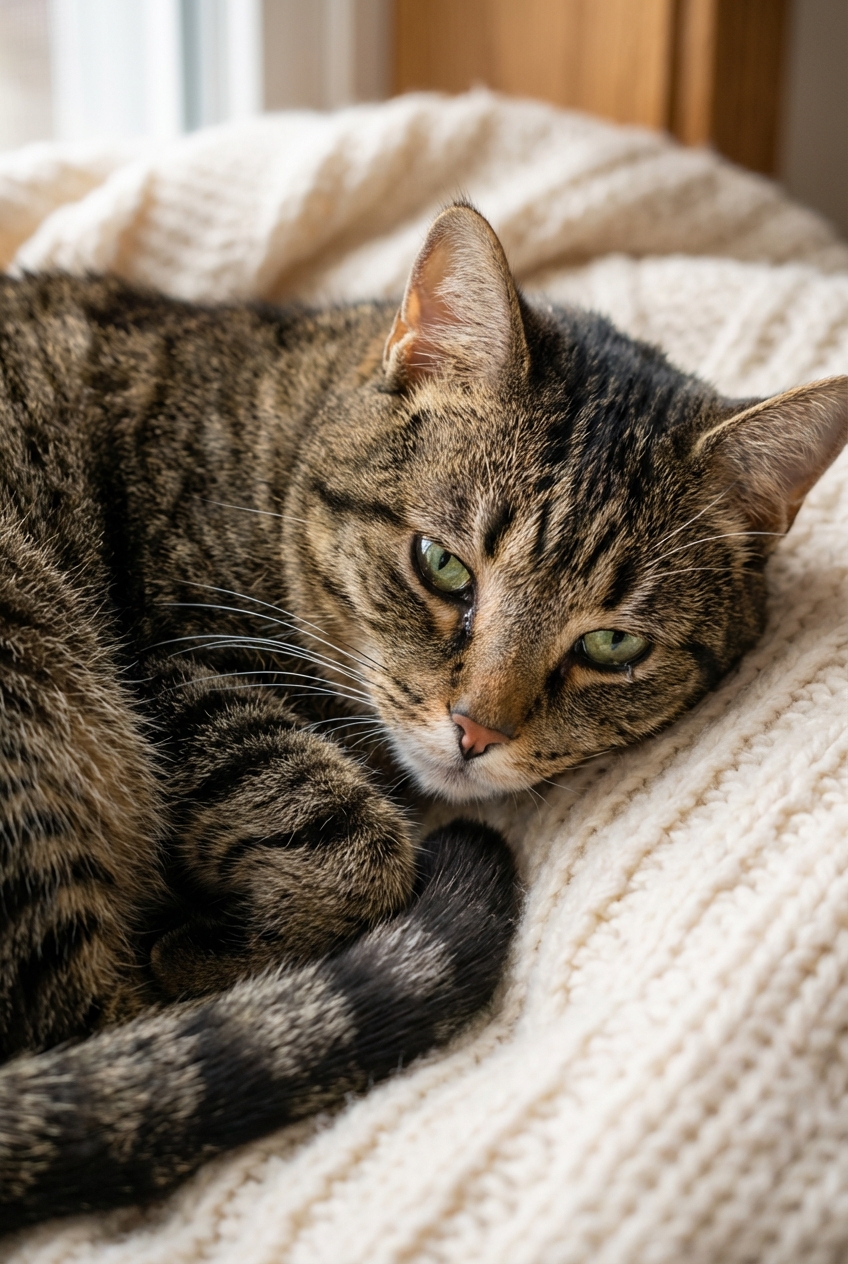
Help your cat feel better with safe, vet-backed cold care: appetite and hydration tips, humidity for congestion, gentle eye/nose cleaning, what to avoid, and...
Article
•
Designer Mixes
How to Treat a Cat’s Cold

Shari Shidate
Designer Mixes contributor
If your cat is sneezing, has watery eyes, or sounds a little congested, it is natural to worry. The good news is that many “cat colds” are mild upper respiratory infections (URIs) that improve with supportive care at home. The important part is knowing what you can safely do, what you should never do, and when it is time to call your veterinarian.
Quick note: This article offers general guidance and is not a substitute for veterinary diagnosis. Cats can hide serious breathing trouble, so trust your instincts and call your vet if something feels off.
What a “cat cold” usually is
Most feline colds are URIs caused by viruses, especially feline herpesvirus (FHV-1) and feline calicivirus (FCV). These are highly contagious between cats, particularly in multi-cat homes, shelters, boarding facilities, and catteries.
Some cats also develop secondary bacterial infections. Many uncomplicated URIs are viral, so antibiotics are not automatically needed. Your veterinarian may prescribe antibiotics if a bacterial infection is suspected based on your cat’s exam and signs like thick mucopurulent discharge, fever, or a cat that seems systemically unwell.
Kittens, seniors, and cats with chronic conditions can get sick faster and may need earlier veterinary support.
Common symptoms
- Sneezing and nasal congestion
- Runny nose (clear at first, sometimes becoming thicker)
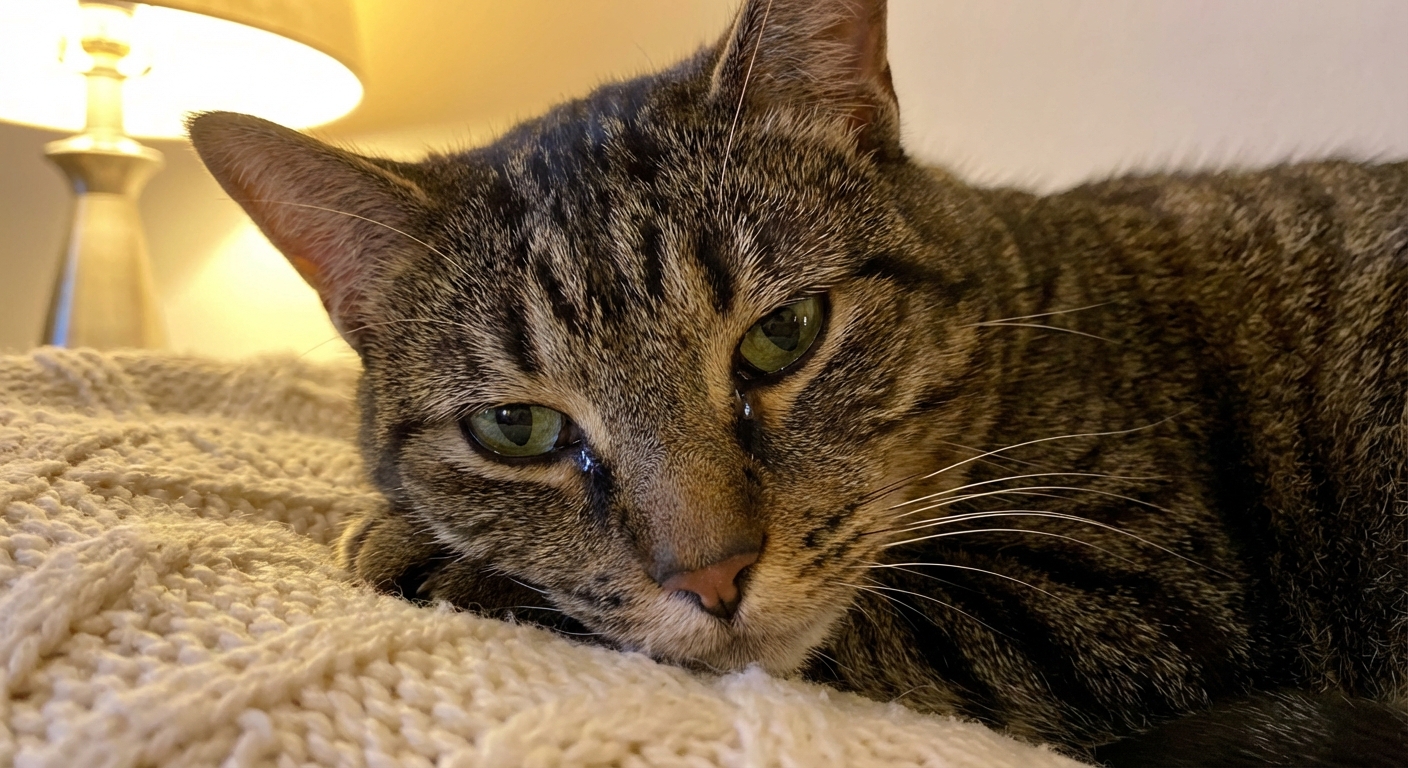
- Watery eyes, squinting, or eye discharge
- Coughing or gagging (sometimes from post-nasal drip)
- Low appetite, picky eating, or not eating at all
- Lethargy or hiding more than usual
- Mouth ulcers (more common with calicivirus)
Note: A little sniffling can look like a cold, but similar signs can also come from allergies, dental disease, asthma, a foreign object, or more serious infections. If your cat is not improving, it is worth a vet check.
At-home care that helps
1) Support hydration
Hydration helps thin mucus and supports recovery. Encourage fluids with:
- Fresh water in multiple locations
- A pet water fountain (many cats drink more from moving water)
- Wet food instead of dry during illness
- Adding a little warm water to wet food to make a “gravy”
If your cat is drooling, seems weak, or you suspect dehydration, call your veterinarian. Cats can decline quickly when they are not taking in enough fluids.
2) Make eating easier
A congested cat often cannot smell food well, and smell is a big part of appetite. Try:
- Warming wet food slightly to increase aroma (test temperature with your finger first)
- Offering small, frequent meals
- Using highly palatable veterinary diets when possible (your vet can recommend options designed for sick or recovering cats)
Small amounts of strong-smelling foods like canned tuna in water can help some cats, but think of this as a short-term trick, not a long-term plan.
Important: If your adult cat is not eating for about 24 hours, or sooner for kittens, older cats, or cats with other health issues, contact your veterinarian. The risk of hepatic lipidosis (fatty liver disease) increases when cats go without food, especially in overweight cats or cats already dealing with another illness.
3) Gentle humidity for congestion
Humidity can loosen nasal congestion. You can:
- Run a hot shower and sit with your cat in the bathroom for 10 to 15 minutes, 1 to 2 times daily
- Use a cool-mist humidifier in the room where your cat rests
Keep your cat safely away from hot water. Also, do not force this if your cat panics or becomes stressed. Stress can worsen symptoms, so choose the gentlest approach your cat tolerates.
Skip essential oils and scented products. Many are irritating and some are toxic to cats.
4) Keep the nose and eyes clean
Use a soft cotton pad or cloth dampened with warm water to gently wipe discharge from the eyes and nose. This improves comfort and helps your cat breathe and see better.
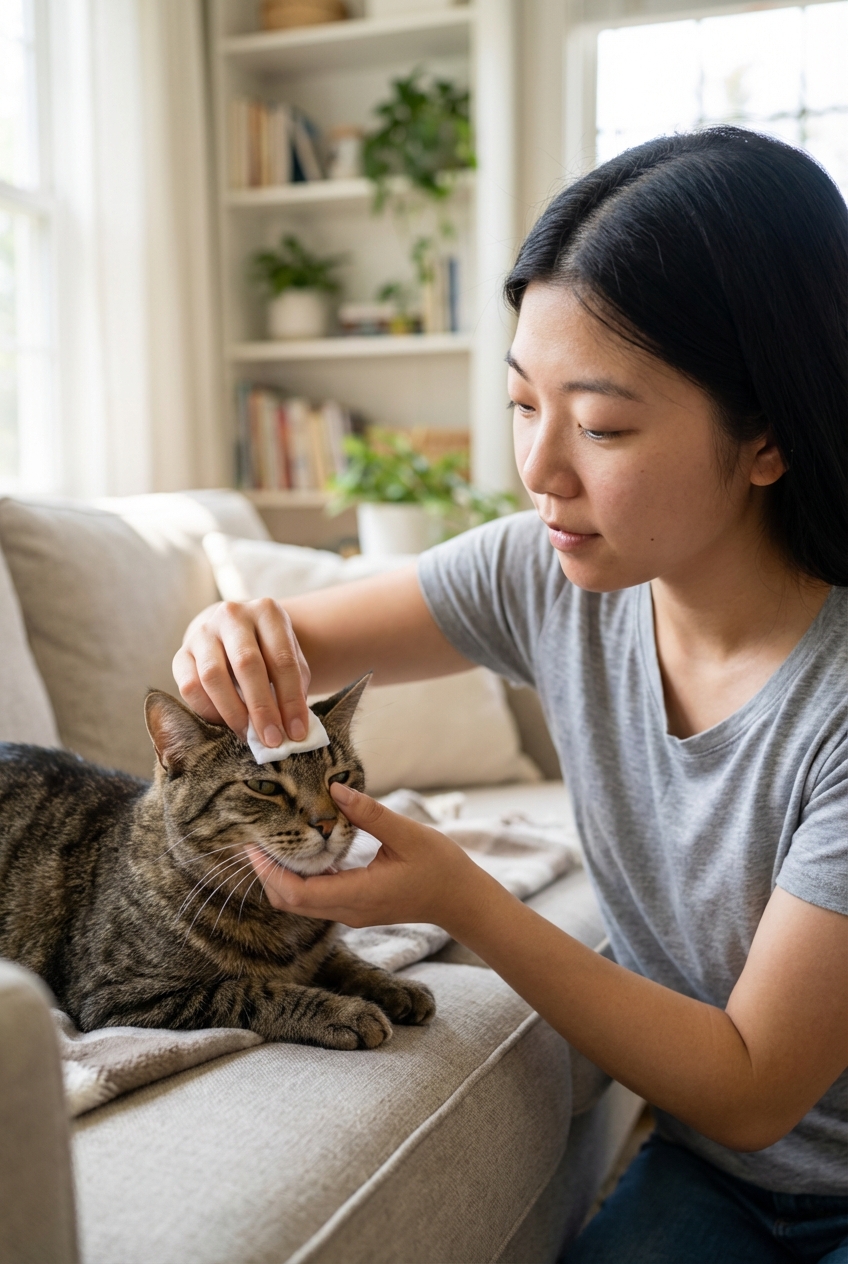
If you see thick yellow or green discharge, significant squinting, swelling around the eye, or your cat keeps the eye closed, call your vet. Eye infections and corneal ulcers need prompt treatment.
5) Reduce stress and separate sick cats
Stress can worsen herpes flare-ups and slow healing. Keep the environment calm, warm, and quiet. If you have multiple cats, isolate the sick cat when possible, and do not share food bowls, water bowls, or litter boxes while symptoms are active.
Contagion control basics
If you are dealing with a contagious URI in a multi-cat home, a few practical steps can help reduce spread:
- Separate by room or airspace when possible, not just by distance
- Wash bedding, blankets, and soft items regularly during the illness
- Wash hands between cats and consider changing shirts after handling the sick cat if you have high-risk cats at home
- Disinfect hard surfaces with cat-safe products and follow label directions for contact time
FHV-1 is relatively fragile in the environment, while FCV can be hardier. That is one reason basic cleaning and disinfection matter during an outbreak.
What not to do
- Do not give human cold medicines. Decongestants, acetaminophen (Tylenol), and many combination products are dangerous or fatal to cats.
- Do not use essential oils (diffusers, topical oils, or “vapor rub” products). Cats are especially sensitive to many oils and fragrances.
- Do not start leftover antibiotics. Wrong drug, wrong dose, and incomplete courses can worsen resistance and may harm your cat.
- Do not force feed unless your vet instructs you. Force feeding can lead to aspiration if a cat struggles or is nauseated.
- Be cautious with supplements. Owners often ask about products like L-lysine. Evidence is mixed, and supplements are not appropriate for every cat. Check with your veterinarian before starting any supplement, especially if your cat has other health conditions or takes medication.
When to call the veterinarian
Please contact your veterinarian urgently if you notice any of the following:
- Open-mouth breathing, wheezing, or labored breathing
- Blue or pale gums
- Not eating for about 24 hours (sooner for kittens or cats with health issues)
- Marked lethargy, collapse, or weakness
- Persistent vomiting, severe diarrhea, or signs of dehydration (tacky gums, sunken eyes)
- Eye pain, squinting, cloudiness, or a swollen eye area
- Symptoms that are worsening or not improving after 3 to 5 days
- Kittens, seniors, pregnant cats, or immunocompromised cats with any URI signs
If you suspect a fever but cannot safely and accurately take a temperature, that is also a good reason to call. Many owners notice fever as a cat that is unusually warm to the touch, shivering, very lethargic, or refusing food.
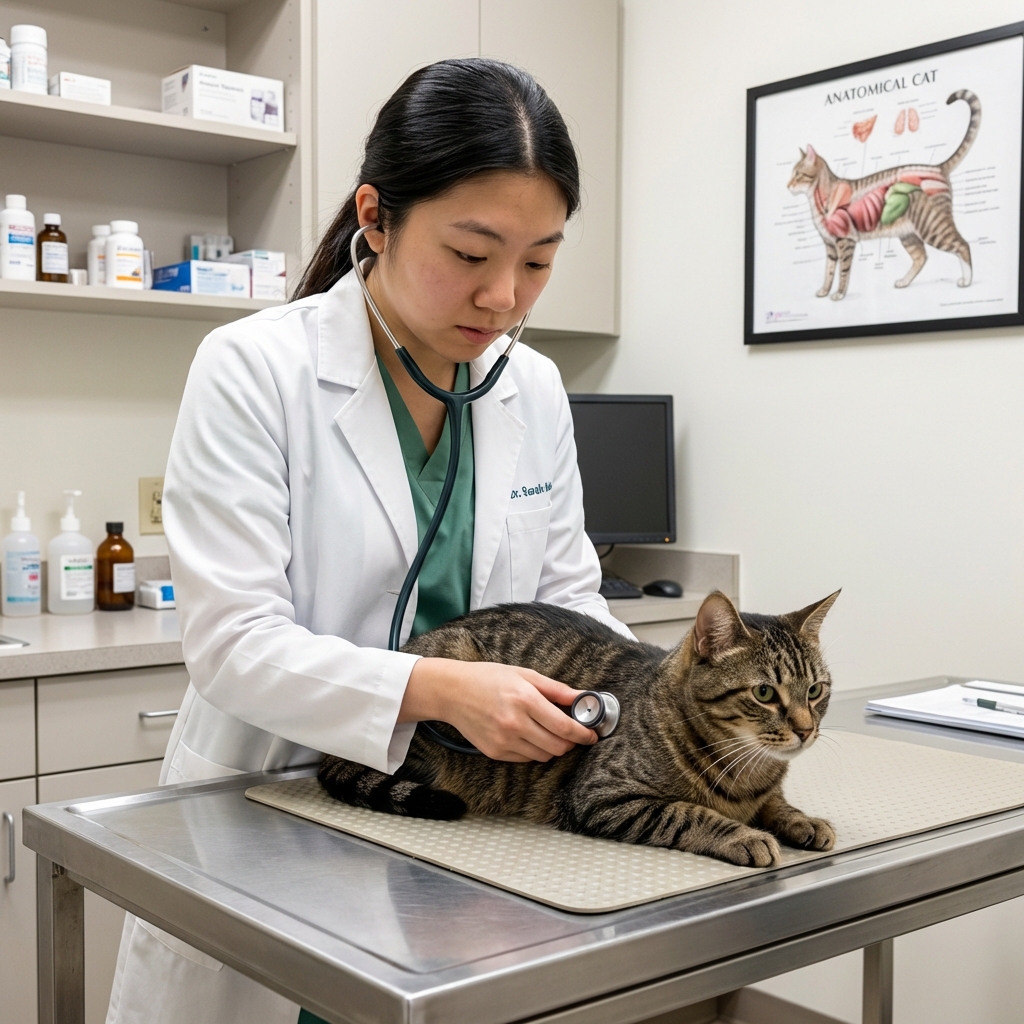
What your vet may do
Veterinary treatment depends on severity and cause. Your vet may recommend:
- Supportive care: appetite support, fluids, and guidance for home monitoring
- Eye medications: drops or ointment for conjunctivitis, and prompt treatment if an ulcer is present
- Antibiotics: if a secondary bacterial infection is suspected
- Antiviral therapy: sometimes used in severe herpes cases
- Nebulization: in-clinic or at-home guidance for stubborn congestion
- Testing: especially for frequent or severe infections
Ask your vet what signs would mean your cat is improving, and what changes should trigger a recheck.
How long does a cat cold last?
Mild cases often improve within 7 to 10 days. Herpesvirus, in particular, can remain in the body and flare during stress, travel, boarding, or other illness. That does not mean you did anything wrong. It just means your cat may need extra support during stressful periods.
Preventing future colds
- Keep vaccines current. Vaccines do not always prevent infection, but they can reduce severity and complications.
- Reduce exposure. Use caution with new cats, shelters, boarding, and grooming environments.
- Quarantine new arrivals. A separate room for at least 10 to 14 days is a practical rule in multi-cat homes, but follow your veterinarian’s or shelter’s guidance since incubation and shedding times vary.
- Lower stress. Predictable routines, hiding spots, and gentle enrichment matter.
- Good hygiene. Wash hands between cats and disinfect shared surfaces during outbreaks.
If your cat gets frequent URIs, talk to your veterinarian about underlying causes such as chronic herpes, dental disease, allergies, asthma, or immune issues.
My best advice as a veterinary assistant is simple: focus on breathing, hydration, and appetite. If any one of those is struggling, it is time to bring your vet into the loop.