Cat sneezing, congestion, or watery eyes? Learn common feline URI signs, how long they last, safe home care, vet treatments, what not to give, and when to se...
Article
•
Designer Mixes
How to Treat a Cat With a Respiratory Infection

Shari Shidate
Designer Mixes contributor
If your cat is sniffling, sneezing, or sounding congested, you are not alone. Upper respiratory infections (URIs) are among the most common reasons cats visit the vet, especially kittens, shelter cats, and multi-cat households. The good news is that many cases improve with supportive care and the right veterinary guidance. The key is knowing what you can safely do at home, and when it is time to seek urgent help.
What a feline respiratory infection looks like
Most feline URIs are caused by viruses, but bacteria can sometimes join in and make symptoms worse. Think of it like a cat cold that can become more serious if a cat stops eating, gets dehydrated, or develops complications such as pneumonia.
Common symptoms
- Sneezing and nasal congestion
- Runny nose (clear to cloudy discharge)
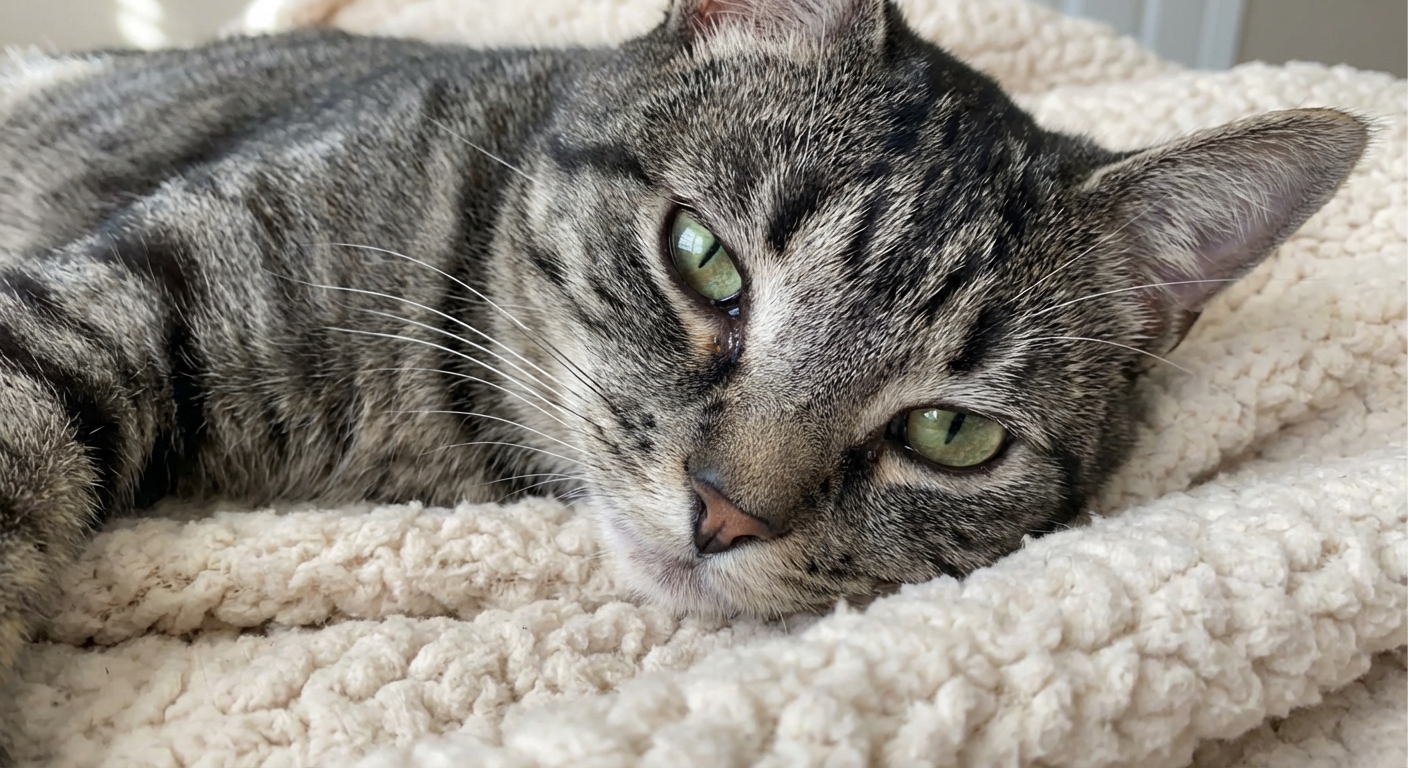
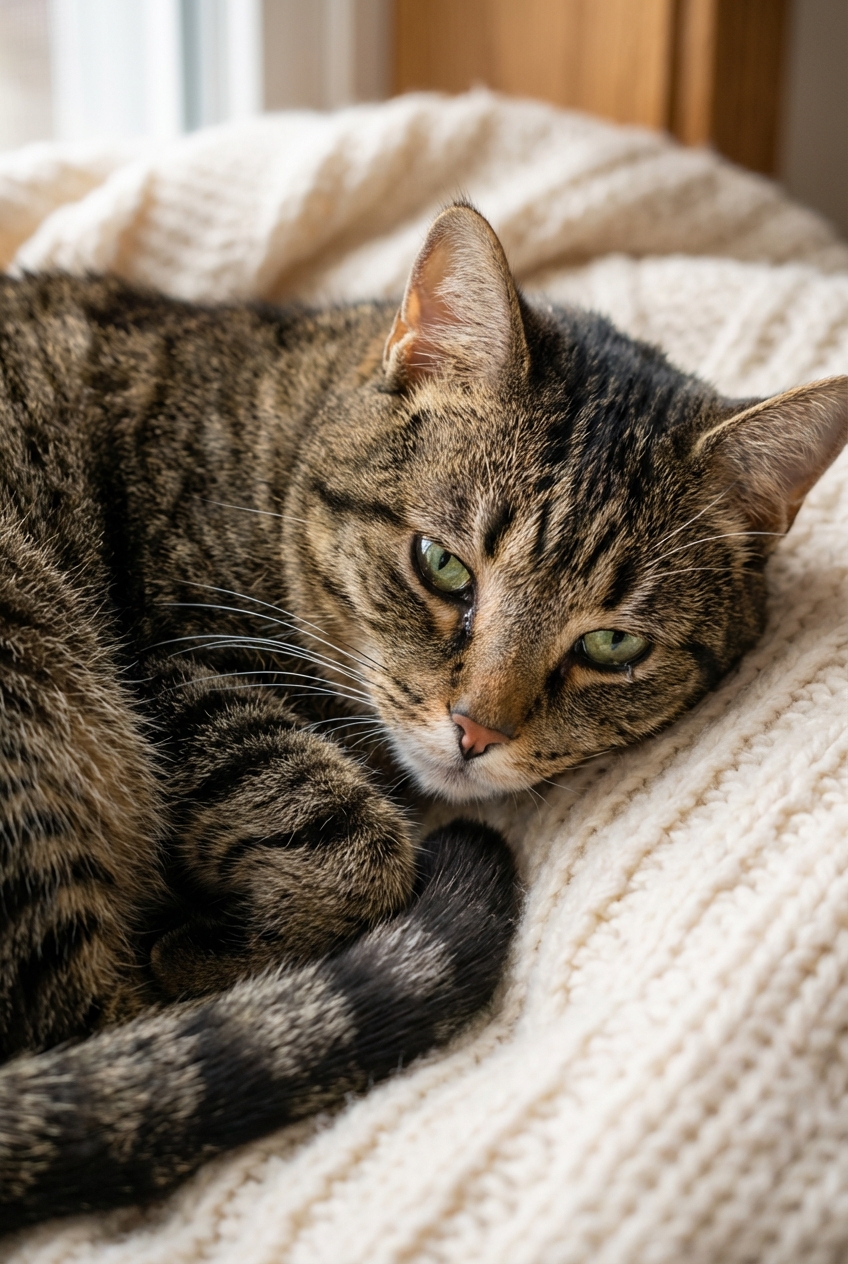
- Watery eyes or eye discharge
- Noisy breathing from congestion
- Coughing (less common with uncomplicated URIs and can point to another issue such as asthma, heart disease, or pneumonia)
- Low appetite (often because cats cannot smell their food)
- Lethargy, hiding more than usual
- Mouth breathing (this is a red flag)
- Occasionally, oral ulcers or drooling (can occur with calicivirus)
Quick note: Cats with flat faces (like Persians) and very young kittens can struggle faster with congestion. They often need earlier veterinary support.
First step: decide if this is urgent
Home care is only appropriate for mild signs in an otherwise stable cat. If you are seeing any of the signs below, contact a veterinarian the same day, or go to an emergency clinic if it is after hours.
Go to the vet urgently if your cat has:
- Open-mouth breathing, fast breathing, or struggling to breathe
- Gums that look pale, gray, or blue
- Not eaten for 24 hours (or a kitten not eaten for 12 hours)
- Severe lethargy, collapse, or extreme weakness
- Possible dehydration (sticky gums, sunken eyes, skin that seems slow to return when gently lifted, noting this can be less reliable in older or very thin cats)
- Fever suspected, or rectal temperature over 103.5°F if you know how to measure safely (fever cannot be confirmed by touch, and warm ears are not a reliable sign)
- Eye swelling, squinting, or thick eye discharge
- Symptoms lasting more than 7 to 10 days, or worsening after a few days
Smart home care tips that actually help
When a cat has a URI, your goals at home are simple: keep them breathing comfortably, keep them eating and drinking, and reduce stress while you monitor closely.
1) Boost hydration
- Offer fresh water in multiple spots, and consider a pet fountain if your cat likes running water.
- Add water or low-sodium broth (no onion, no garlic) to wet food to increase fluid intake.
- Feed primarily wet food during illness if possible.
2) Help them eat when their nose is stuffy
Cats rely heavily on smell. If they cannot smell, they often refuse food.
- Warm wet food slightly (aim for warm, not hot) to increase aroma.
- Offer extra-stinky options like warmed fish-based canned cat food.
- Try smaller, more frequent meals.
- If your cat is eating very little, call your vet sooner rather than later. In cats, prolonged poor appetite can lead to hepatic lipidosis (a serious liver condition), especially in overweight cats.
3) Gentle steam for congestion
Humidity can loosen nasal secretions and make breathing easier.
- Run a hot shower and sit with your cat in the bathroom for 10 to 15 minutes, 1 to 2 times daily.
- Keep your cat at a comfortable distance from the hot water source. Do not place them in a carrier near the shower or confine them if they seem stressed.
- Stop if your cat pants, becomes anxious, or seems overheated.
- Use a cool-mist humidifier near your cat’s resting area.
- Keep the room comfortably warm and free of smoke or strong fragrances.
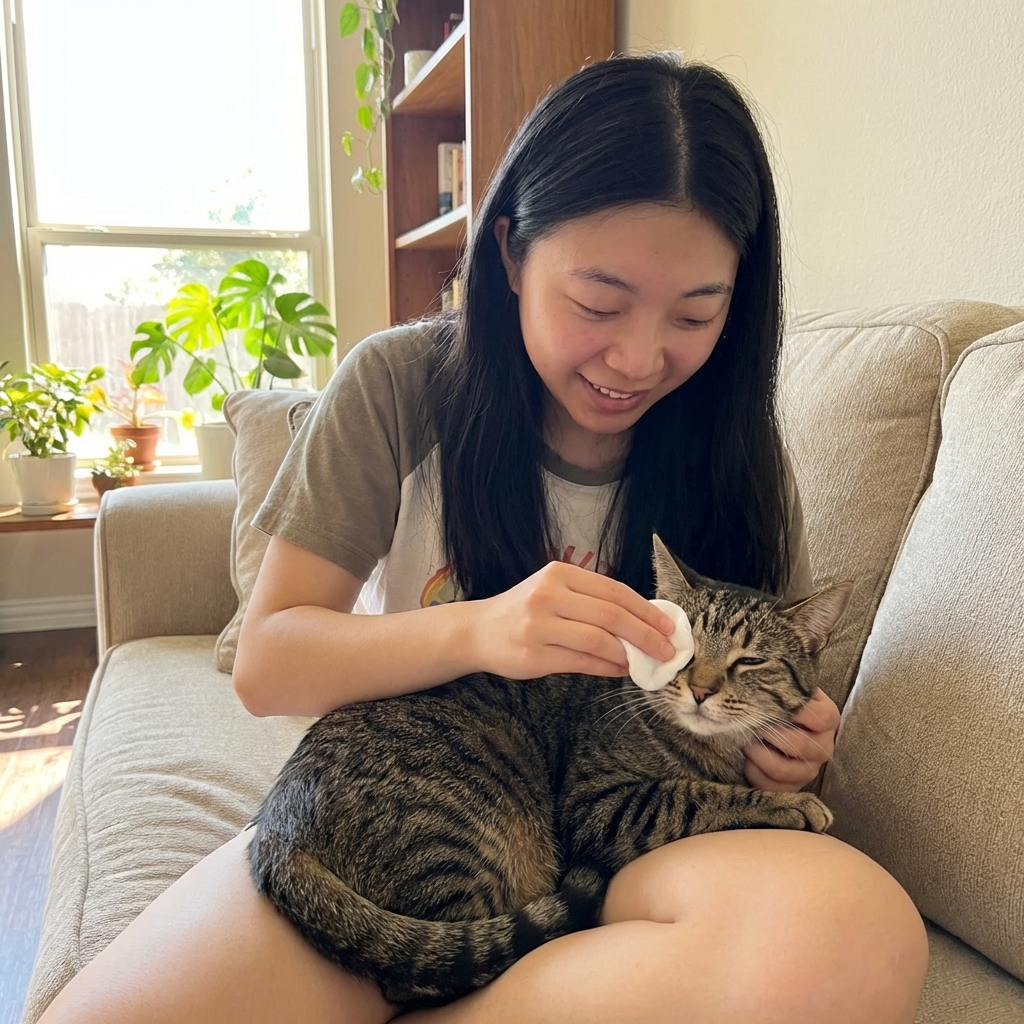
4) Clean the nose and eyes safely
- Use a soft cotton pad or cloth dampened with warm water or sterile saline.
- Wipe gently from the inner corner outward for eyes.
- For crusty noses, soften with warm compresses first.
Avoid: essential oils, Vicks-type products, or medicated human decongestants. Many are toxic to cats or can irritate their airways. Also avoid common human pain relievers like acetaminophen (Tylenol) and ibuprofen, which can be dangerous for cats.
Do cats need antibiotics?
Sometimes yes, often no, and that is where your veterinarian’s exam matters. Many URIs are viral (such as feline herpesvirus or calicivirus), and antibiotics do not treat viruses. However, antibiotics may be prescribed if a vet suspects a secondary bacterial infection, pneumonia, or complications based on the exam, severity, duration of illness, and overall condition.
Color or thickness of discharge alone does not reliably tell you if an infection is viral or bacterial. Vets look at the full picture.
What you can do
- Give medications exactly as prescribed and finish the full course unless your vet tells you otherwise.
- Never give leftover antibiotics or human medications.
- If your cat vomits a dose or has diarrhea, call the clinic for guidance.
What your vet may do
If your cat needs to be seen, the visit is usually focused on breathing comfort, hydration, appetite, and the eyes and nose.
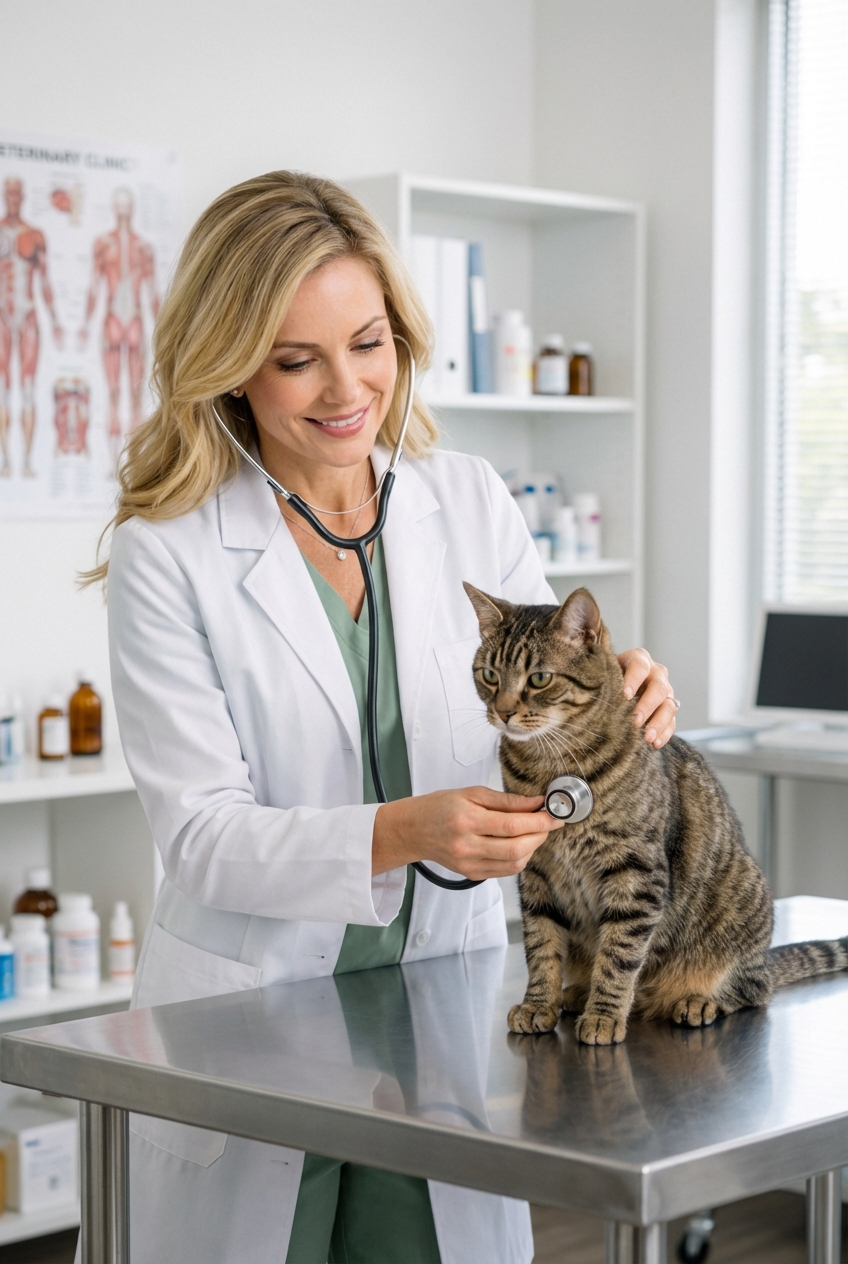
- Exam and vitals: listening to the chest, checking hydration, and taking a temperature.
- Supportive care: fluids if dehydrated, anti-nausea medication, or an appetite stimulant if your cat is not eating.
- Medications when appropriate: antibiotics for suspected secondary bacterial infection, and eye medications if there is conjunctivitis or corneal involvement.
- Testing or imaging: recommended if signs are severe, prolonged, or suggest lower airway disease or pneumonia.
- Contagiousness guidance: how to reduce spread in multi-cat homes and what to expect during recovery.
Comfort and isolation in multi-cat homes
Many feline respiratory viruses are contagious. If you have more than one cat, reducing exposure helps protect the group and lowers stress for the sick cat.
Practical steps
- Set up a quiet recovery room with food, water, litter box, and a cozy hideaway.
- Wash hands between cats, and do not share bowls during illness.
- Disinfect hard surfaces and wash bedding regularly.
- Keep the environment calm. Stress can trigger flare-ups, especially with feline herpesvirus, and some cats may have recurrent episodes.
Monitoring checklist
A simple daily check-in is often recommended. It keeps you grounded and gives your vet better information if your cat is not improving.
- Appetite: How much they ate in the last 24 hours?
- Water intake: Drinking normally, less, or not at all?
- Breathing: Quiet and easy, or labored and noisy? If your cat is resting and breathing faster than usual, especially above about 40 breaths per minute, call your vet.
- Energy: Alert at times, or mostly hiding and limp?
- Discharge: Clear vs thicker discharge, and is it getting worse?
- Eyes: Squinting, swelling, or stuck shut?
If you notice a downward trend for more than a day, that is your cue to call the vet.
Clever care tips
These are small, simple tweaks that often help sick cats feel better faster.
- Make a sniff station: Serve warmed wet food in a quiet spot, away from loud appliances and other pets.
- Elevate comfort: Some cats breathe easier resting with their chest slightly elevated on a folded blanket.
- Reduce irritants: Skip scented litter, candles, diffusers, smoke, and aerosol cleaners while your cat is sick.
- Keep routines predictable: Regular feeding times and gentle check-ins reduce stress.
- Use a timer for steam sessions: Short and consistent is better than long and stressful.
Prevention for next time
You cannot prevent every sniffle, but you can lower the odds of severe illness.
- Vaccination: Stay current on core vaccines as recommended by your veterinarian. Vaccines can reduce severity, but they do not always fully prevent infection.
- Nutrition: A complete, balanced diet supports overall health. If your cat is picky, talk with your vet before making big changes.
- Parasite control: Use vet-approved prevention to support overall health and reduce avoidable health burdens.
- New cat protocol: Quarantine new cats for a period recommended by your vet, especially in multi-cat homes.
Trust your instincts. If your cat seems not quite right, especially with breathing or appetite, it is always appropriate to call your veterinary clinic and ask what they recommend for your specific cat.