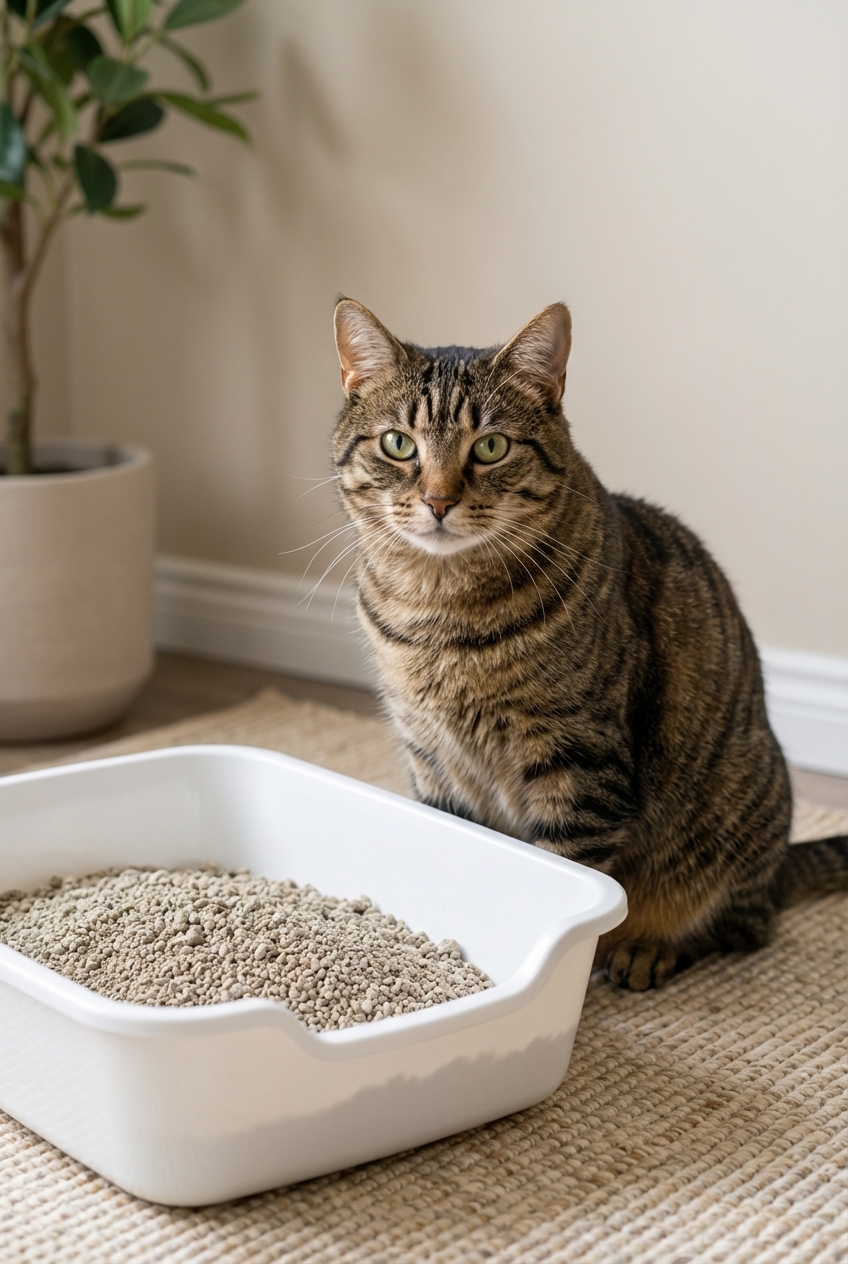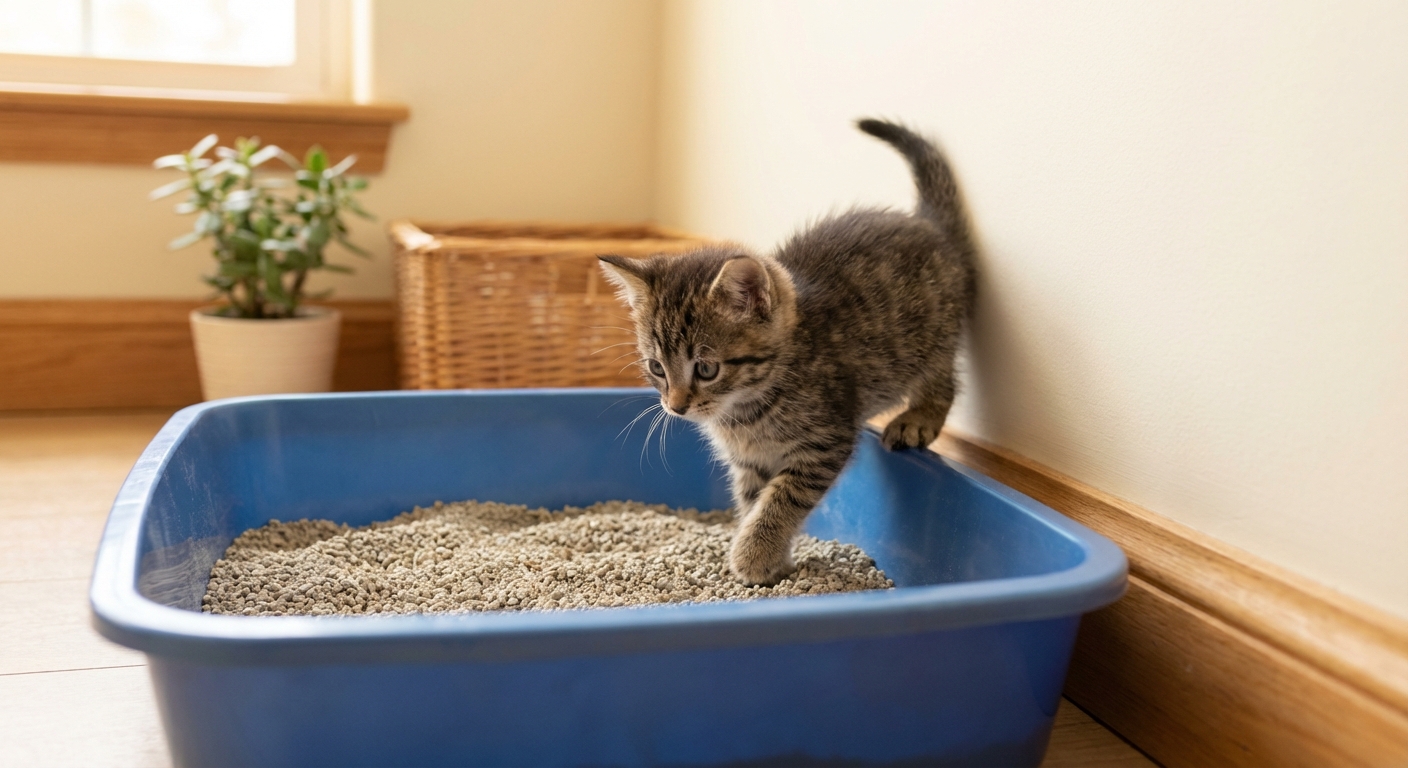
A practical, vet-informed guide to litter box training for kittens and retraining adult cats: box setup, litter depth, multi-cat tips, cleaning accidents, an...
Article
•
Designer Mixes
How to Train Your Cat to Use the Toilet

Shari Shidate
Designer Mixes contributor
Toilet training a cat is one of those topics that sounds a little wild at first, but it can be done for the right cat and the right household. As a veterinary assistant here in Frisco, Texas, I have seen the full spectrum of cat preferences. Some cats love routine and adapt quickly. Others take one look at a change and decide they are moving out.
The goal is simple: help your cat transition from a litter box to a toilet in a way that is safe, low-stress, and hygienic. The key is not forcing it. Instead, focus on tiny steps, steady positive reinforcement, and knowing when to stop.
Quick reality check: Many veterinarians and behaviorists discourage toilet training for a lot of cats because it can reduce natural behaviors like digging and burying, require awkward balance, and remove choice of substrate and location. If your cat seems even mildly stressed by the process, a great litter box setup is often the more welfare-friendly option.
First, is this a good idea?
Toilet training can be convenient for some people, but it is not automatically better for every cat. Before you begin, it helps to weigh the pros and cons like you would with any behavior change.
Potential benefits
- Less litter tracking around the home.
- Less daily scooping once your cat is fully trained.
- May reduce odor for some households, depending on ventilation, cleaning habits, and how quickly waste is flushed.
Real downsides to consider
- Many cats dislike change and may start avoiding the bathroom altogether.
- Stress can trigger litter box avoidance and accidents elsewhere.
- Less consistent health monitoring. With litter, you can spot changes in urine amount, stool consistency, or frequency more reliably. With a toilet, you may still notice issues sometimes, but you lose many easy, measurable clues that can flag kidney disease, diabetes, constipation, parasites, or urinary tract problems early.
- Senior or arthritic cats may find jumping and balancing painful or risky.
- Multi-cat homes often struggle because one toilet is not the same as multiple litter box stations.
- Loss of digging and burying. For many cats, scratching and covering waste is a comfort behavior. Removing that outlet can increase stress for some cats.
My evidence-based recommendation: If your cat is older, has mobility issues, has a history of urinary problems, or is anxious, keep the litter box. Convenience is never worth a cat feeling unsafe while toileting.
Environmental note
One important consideration that often gets missed: cat waste can carry Toxoplasma gondii. Many water treatment plants cannot reliably filter or kill it, and flushing cat waste has been linked to environmental contamination that can harm marine wildlife (including sea otters).
Because of that, a cautious, vet-minded approach is to check local guidance and regulations before toilet training, and understand that even a healthy indoor cat can potentially shed organisms at some point. If environmental impact is a concern where you live, sticking with a litter box and disposing of waste in the trash may be the better choice.
Fun facts about bathroom habits
- Cats are naturally fastidious. Many prefer a clean bathroom area, which is why they may refuse a dirty box.
- Texture matters. Cats often develop strong preferences for litter type, depth, and even box shape.
- Routine rules. Cats are creatures of habit, so gradual transitions tend to work better than big changes.
- Privacy is a big deal. A loud, busy bathroom can make some cats feel vulnerable.
Before you start
Set yourself up for success. Toilet training is much easier when the environment is calm and predictable.
- A healthy adult cat with no mobility limitations.
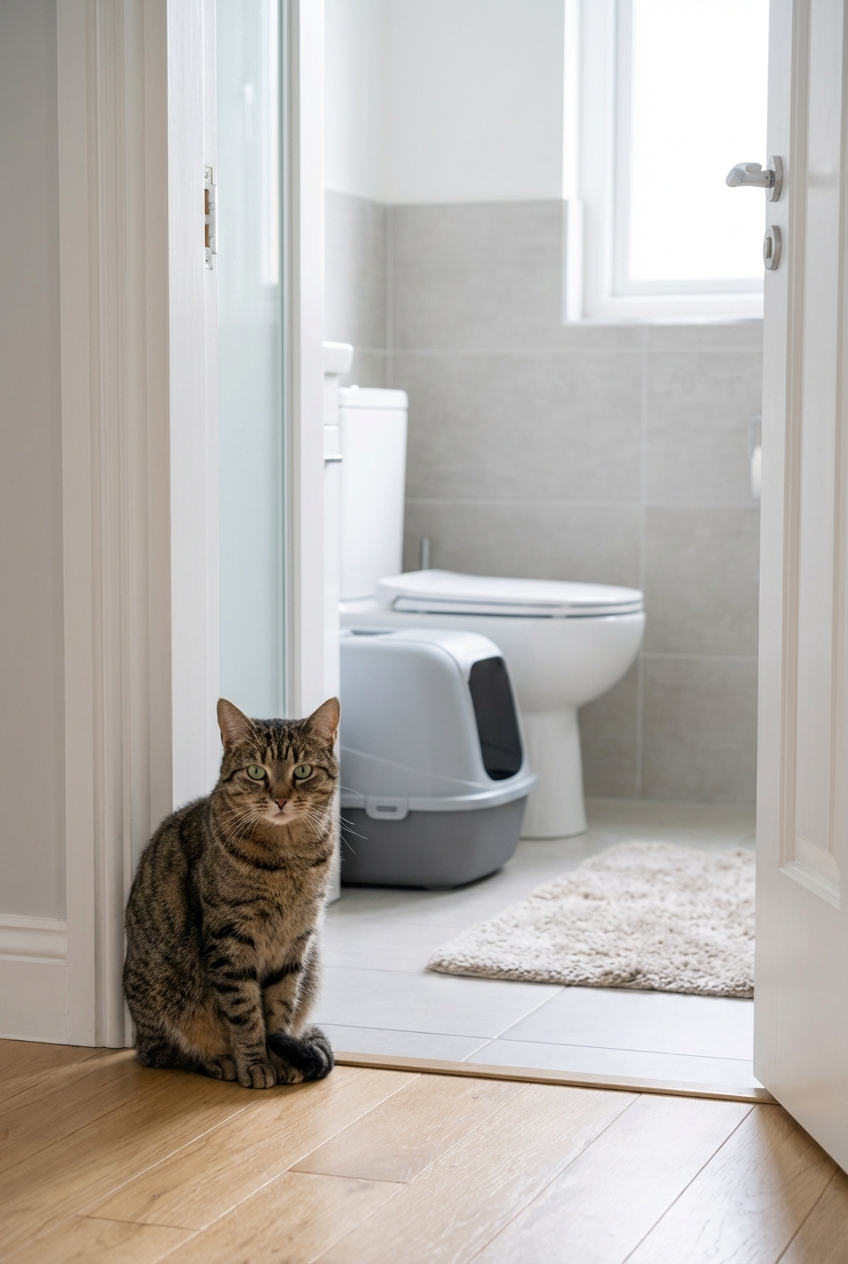
- One bathroom that can remain consistently accessible (door stays open).
- A toilet training kit or a DIY setup (more on that below).
- Patience. Expect several weeks to a few months, not days. Some cats never acclimate, and that is completely normal.
- Enzyme cleaner on hand in case of accidents (regular cleaners do not fully remove odor cues).
Important: Keep at least one regular litter box available during the earliest stages, especially in multi-cat homes. Sudden removal can create stress and accidents.
Do not try this if
- Your cat is a kitten, senior, or has arthritis or mobility limitations.
- Your cat has a history of urinary tract disease, constipation, or anxiety.
- You have multiple cats and limited bathroom access.
- Your cat is already inconsistent with box habits.
Step-by-step
Most toilet training methods follow the same progression: move the litter box closer to the toilet, raise it gradually, then transition to a seat insert.
Step 1: Move the litter box next to the toilet
Shift the litter box a little closer every day or two. If your cat hesitates, pause and let them build confidence before moving it again.
Step 2: Raise the litter box slowly
Once the box is beside the toilet, raise it in small increments using stable supports like a sturdy platform. The goal is for the box height to match the toilet seat over time.
- Raise by about 1 to 2 inches at a time.
- Hold each height for a few days until your cat is comfortable.
- Make sure nothing wobbles. Cats hate unstable footing.
Step 3: Introduce the toilet seat training insert
This is typically a special insert that sits under the toilet seat and holds a small amount of litter. Some kits have removable rings that gradually widen the center hole.
At first, keep the hole very small. You are building a new habit: stepping onto the seat and aiming downward.
Step 4: Reduce litter and widen the hole
Over time, you reduce the amount of litter while increasing the opening size. This is the phase where many cats drop out, and that is okay. It does not mean your cat is “bad.” It means your cat has a preference.
Step 5: Remove the insert
If your cat is reliably using the toilet opening with little or no litter, you can try removing the insert. Keep the bathroom quiet and accessible, and maintain a very consistent routine.
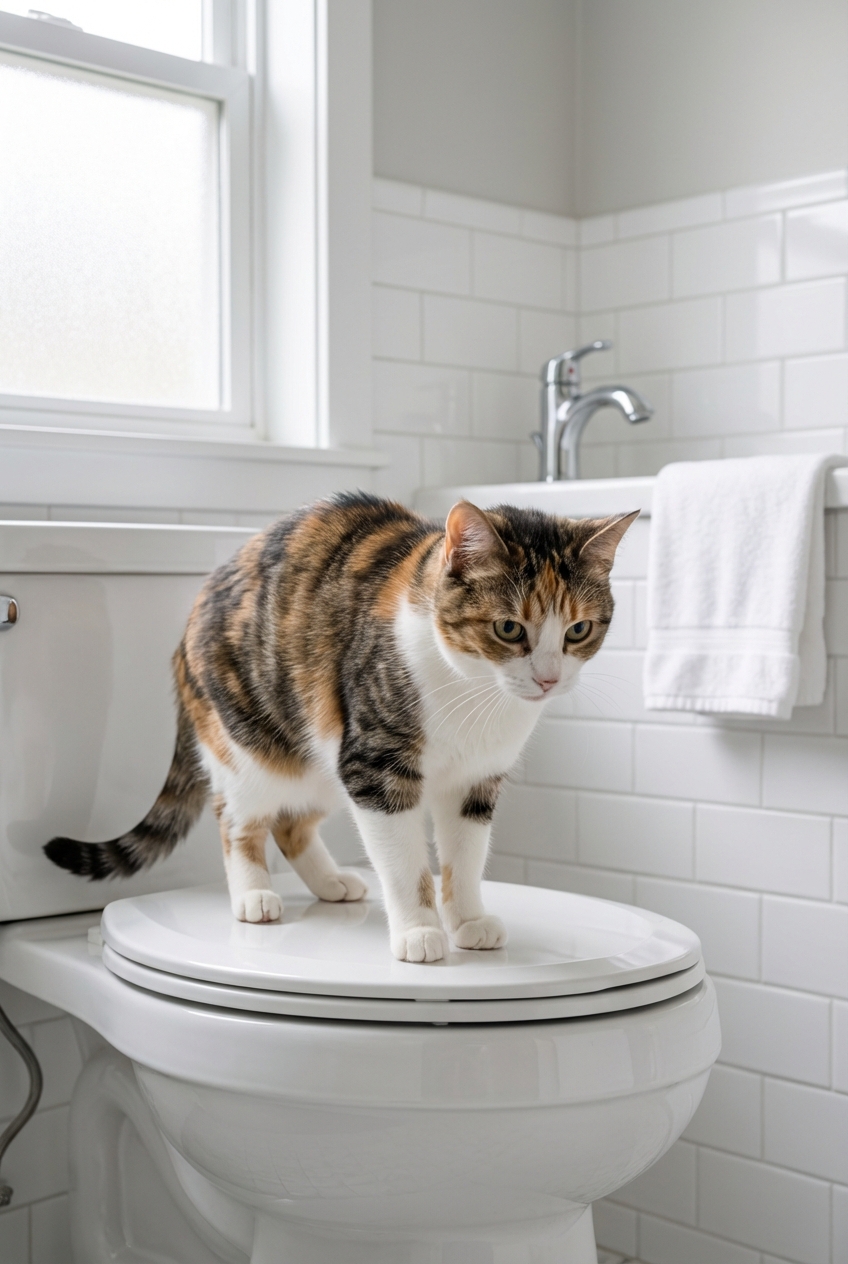
Progress should look boring. If you are moving fast enough to create drama, you are moving too fast.
Kits vs. DIY
Toilet training kits
Kits are popular because they are stable and designed to fit under most toilet seats. Many include a stepwise system so you can increase the opening gradually.
DIY approach
DIY can work, but the main risk is instability and messy cleanup. If you DIY, focus on safety:
- Ensure the insert cannot slide.
- Never create sharp edges.
- Use materials that can be cleaned thoroughly.
If your cat slips once, they may decide the toilet is “the scary place” forever.
Positive reinforcement
Most cats respond best to calm encouragement, not big reactions.
- Reward immediately after successful use with a treat your cat loves.
- Use gentle praise in a consistent tone.
- Keep the bathroom peaceful. No loud fans, no sudden noises, no teasing siblings popping in and out.
Avoid punishment. Punishing accidents increases stress and can worsen inappropriate elimination.
Common problems
Your cat refuses to jump up
- Lower the height and progress more slowly.
- Add a stable step stool nearby (not wobbly).
- Rule out pain, especially hip or knee discomfort.
Your cat starts having accidents
- Go back a step and stabilize the routine.
- Clean accidents with enzyme cleaner.
- Reduce household stressors (new pets, guests, construction noise).
Your cat seems scared of the toilet
- Pause training for several days.
- Offer treats in the bathroom without expecting toileting.
- Make sure the seat is dry, and the toilet is not flushing automatically.
- Avoid loud flushing during training, and do not slam the lid.
Your cat trains well, then suddenly stops
This is a big one. Sudden changes in bathroom habits can signal a medical issue, especially in cats.
Call your vet promptly if you notice:
- Straining to urinate or defecate
- Crying in the litter area or bathroom
- Blood in urine
- Frequent small urinations
- Urinating outside the box in a cat that used to be reliable
Safety and hygiene
- Keep the lid up and the seat down during training. The seat provides a safer, less slippery platform for most training kits. Balancing on the porcelain rim (seat up) is risky.
- Keep the bathroom setup consistent. Cats like predictable “rules” about where to step.
- Disable auto-flush during training. Many cats get spooked and refuse to return.
- Flush promptly and clean routinely. Hygiene depends on your cleaning habits, not the toilet itself.
- Do not use harsh cleaners right before your cat needs to go. Strong smells can repel cats, and some products can be irritating.
- Prevent falls by keeping the floor dry and offering stable footing nearby.
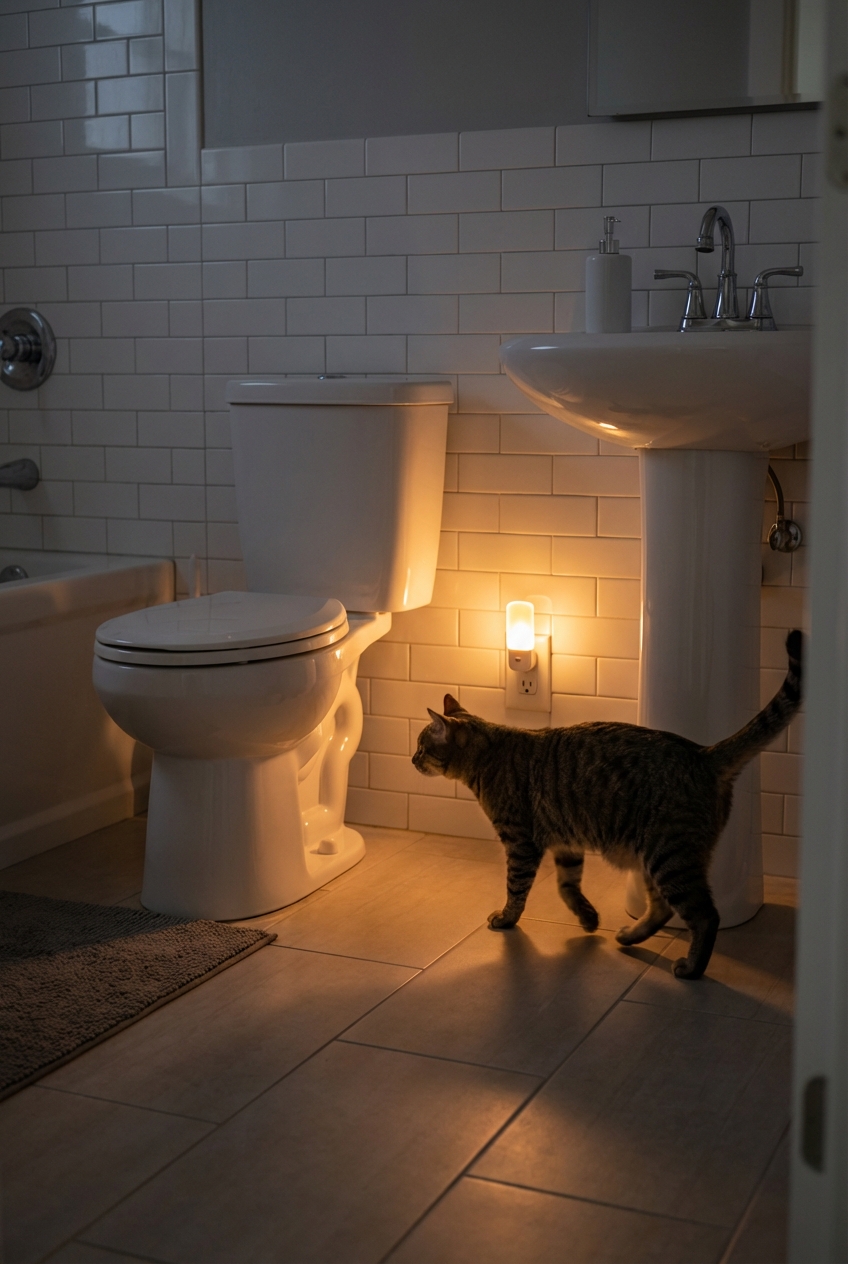
- Consider a night light for cats who toilet at night.
- When you are not actively training, consider closing the lid to discourage toilet drinking and reduce exposure to cleaning chemicals, especially in homes with kittens or small pets.
Low-mess alternatives
If your main goal is less litter on the floor, you can often get most of the benefit without changing your cat’s bathroom behavior.
- High-sided or top-entry litter box for enthusiastic kickers (not ideal for seniors).
- Litter mat outside the box to catch tracking.
- Bigger box and a deeper, consistent litter layer for better “aim” and comfort.
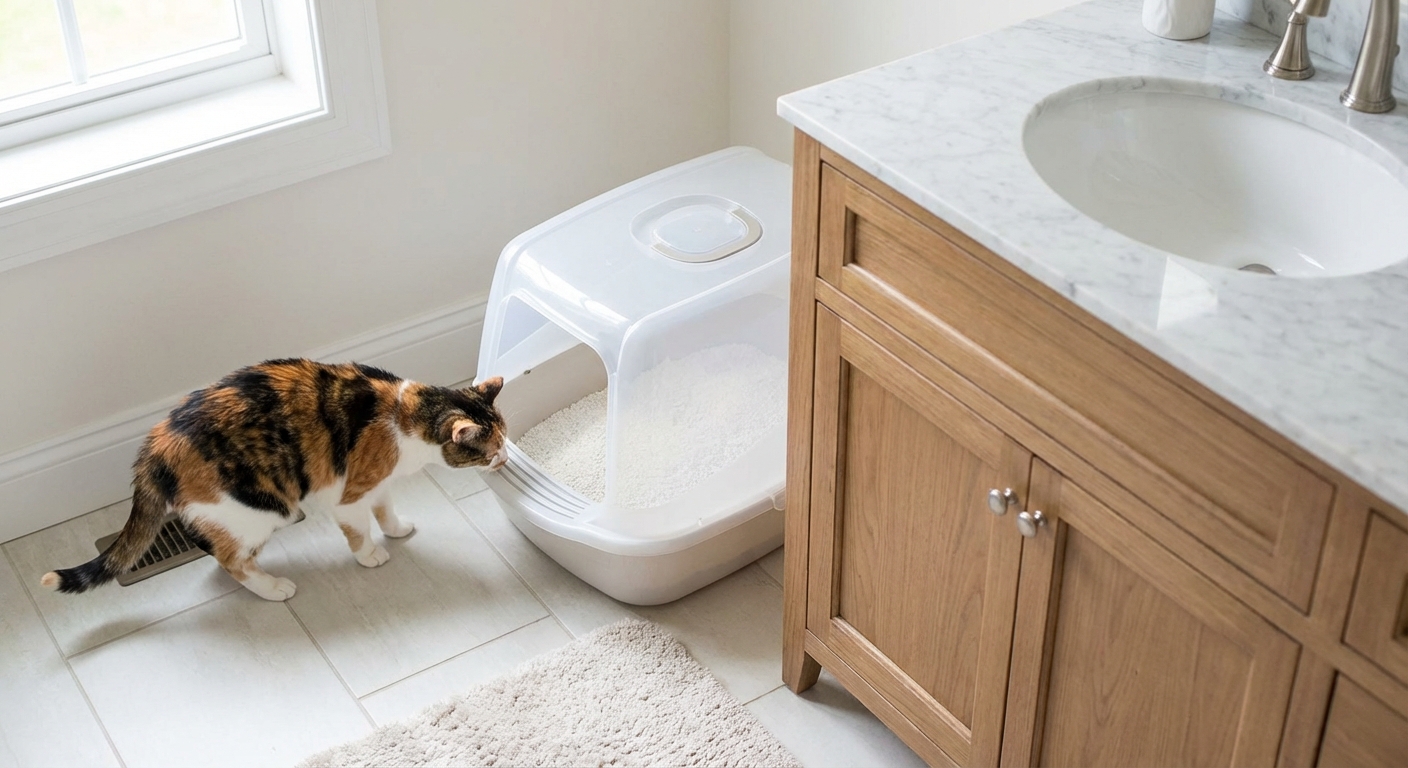
- Covered box with ventilation if your cat likes privacy (some cats hate covers, so let your cat vote).
- More frequent scooping plus the rule of thumb: one box per cat, plus one extra.
When the litter box is the better choice
There is absolutely nothing “less advanced” about a clean, well-managed litter box. In many cases it is the best, most cat-friendly option.
Stick with a litter box if:
- Your cat is a kitten, senior, or has arthritis.
- You have multiple cats and limited bathroom access.
- Your cat has a history of urinary tract disease, constipation, or anxiety.
- You want to monitor urine and stool easily.
- Your cat strongly prefers digging and burying (many do).
If convenience is the main goal, you can often get 80% of the benefit by upgrading your litter setup: larger box, better litter, more frequent scooping, and that classic box-per-cat rule above.
Quick recap
- Toilet training can work, but only for some cats, and many experts discourage it for welfare reasons.
- Go slowly and keep every step stable and predictable.
- Use positive reinforcement, not punishment.
- Watch closely for signs of stress or medical problems.
- Consider the environmental impact of flushing cat waste (Toxoplasma gondii) and check local guidance.
- If your cat votes “no,” listen. A happy, comfortable cat is the real win.
If you are on the fence, talk with your veterinarian first. A quick health check can save you weeks of frustration and keep your cat feeling their best.