Get your kitten using the litter box quickly with a fast-start checklist, ideal box and litter setup, a 3-day training routine, and simple accident fixes—p...
Article
•
Designer Mixes
How to Train Kittens to Use the Litter Box

Shari Shidate
Designer Mixes contributor
Bringing home a kitten is pure joy, until you find that little “surprise” behind the couch. The good news is that most kittens learn the litter box quickly because the instinct to dig and cover waste is already there. Your job is simply to set them up for success with the right box, the right litter, and a calm, consistent routine.
Before you start: set up a kitten-friendly litter area
The most common reasons kittens miss the box are simple: the box is hard to reach, the litter feels wrong, or the area is too noisy. Fix those three things first and training becomes much easier.
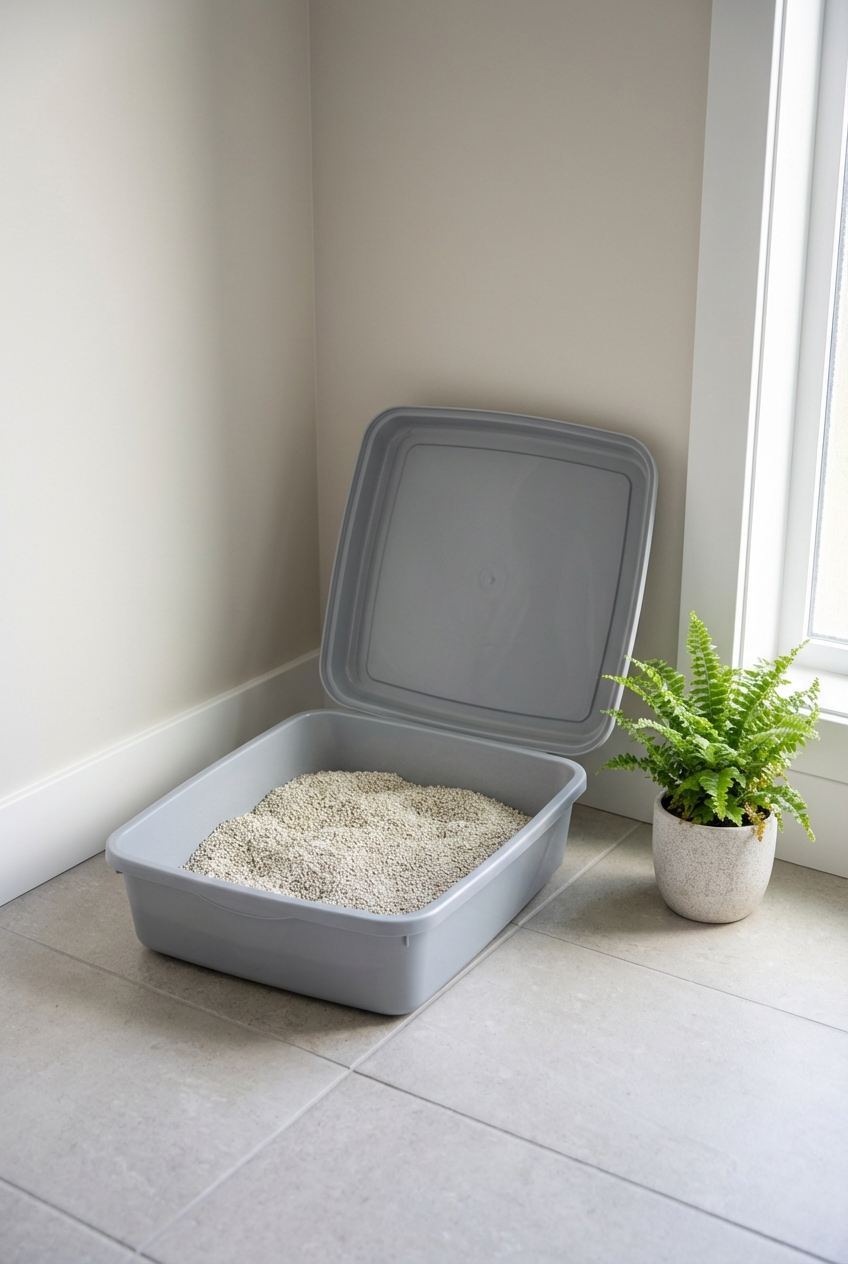
Choose the right litter box
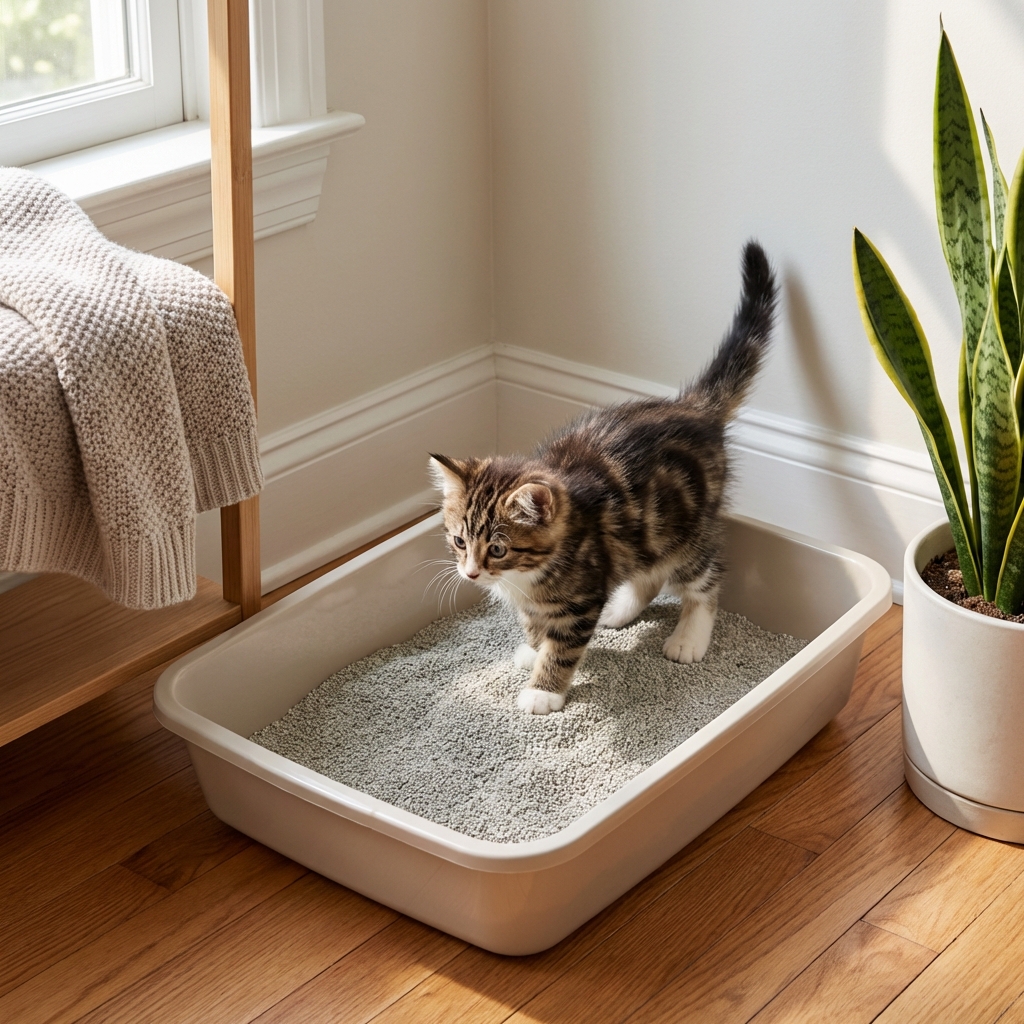
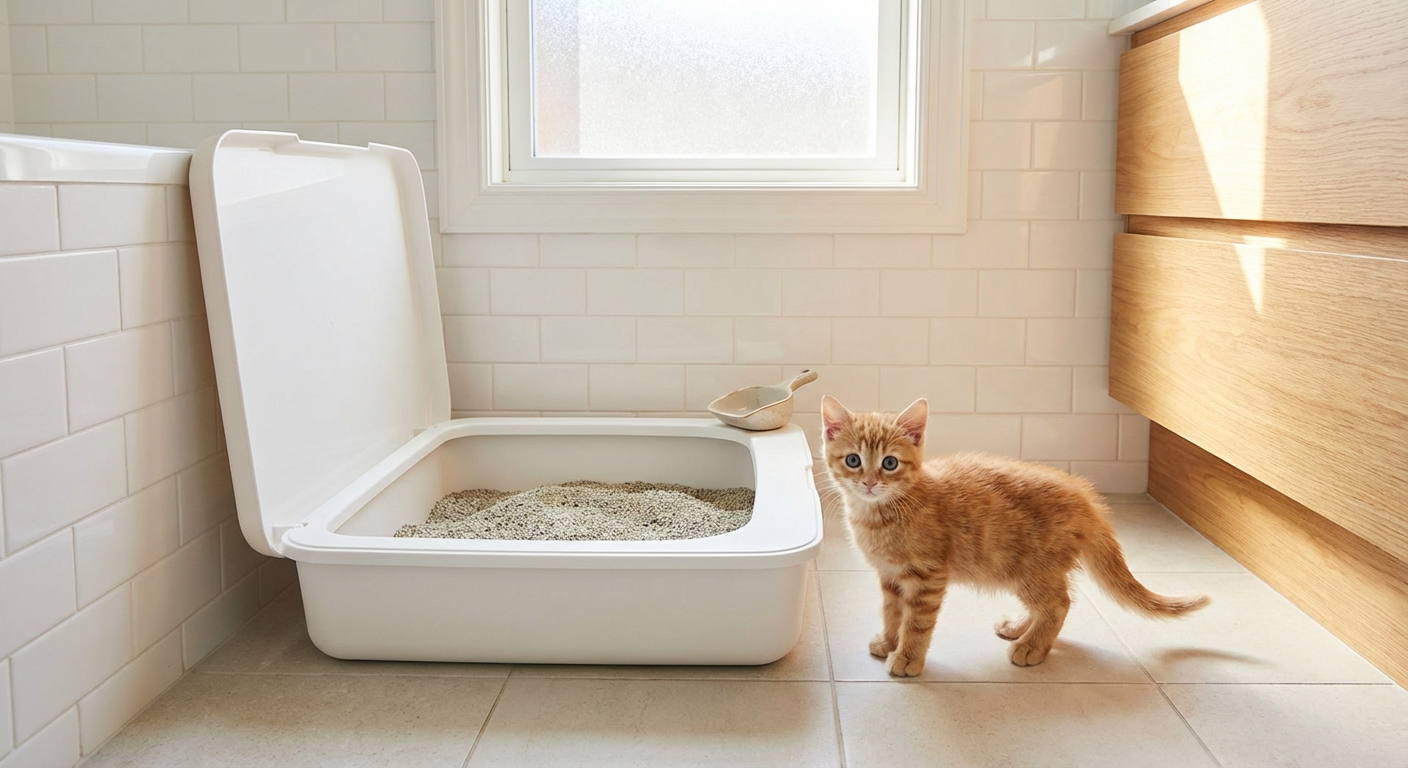
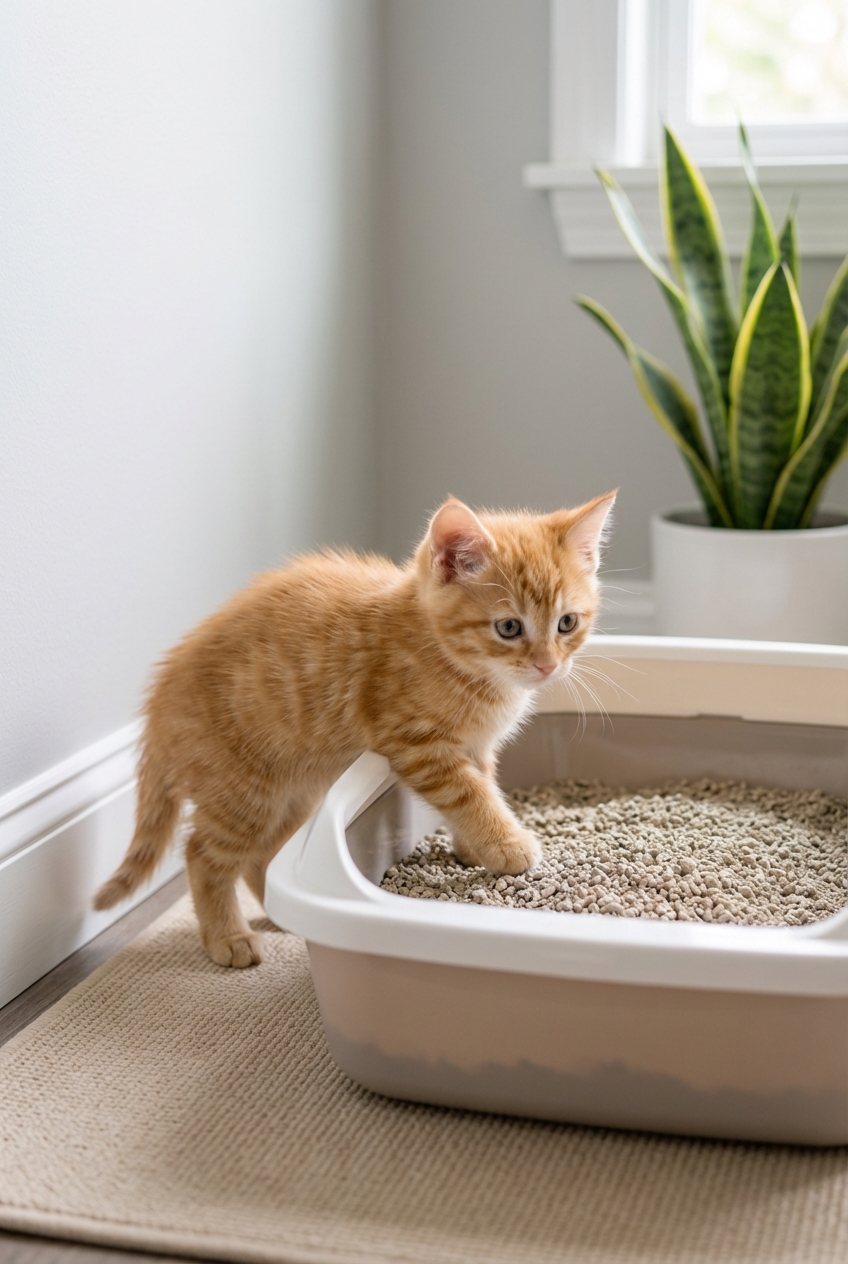
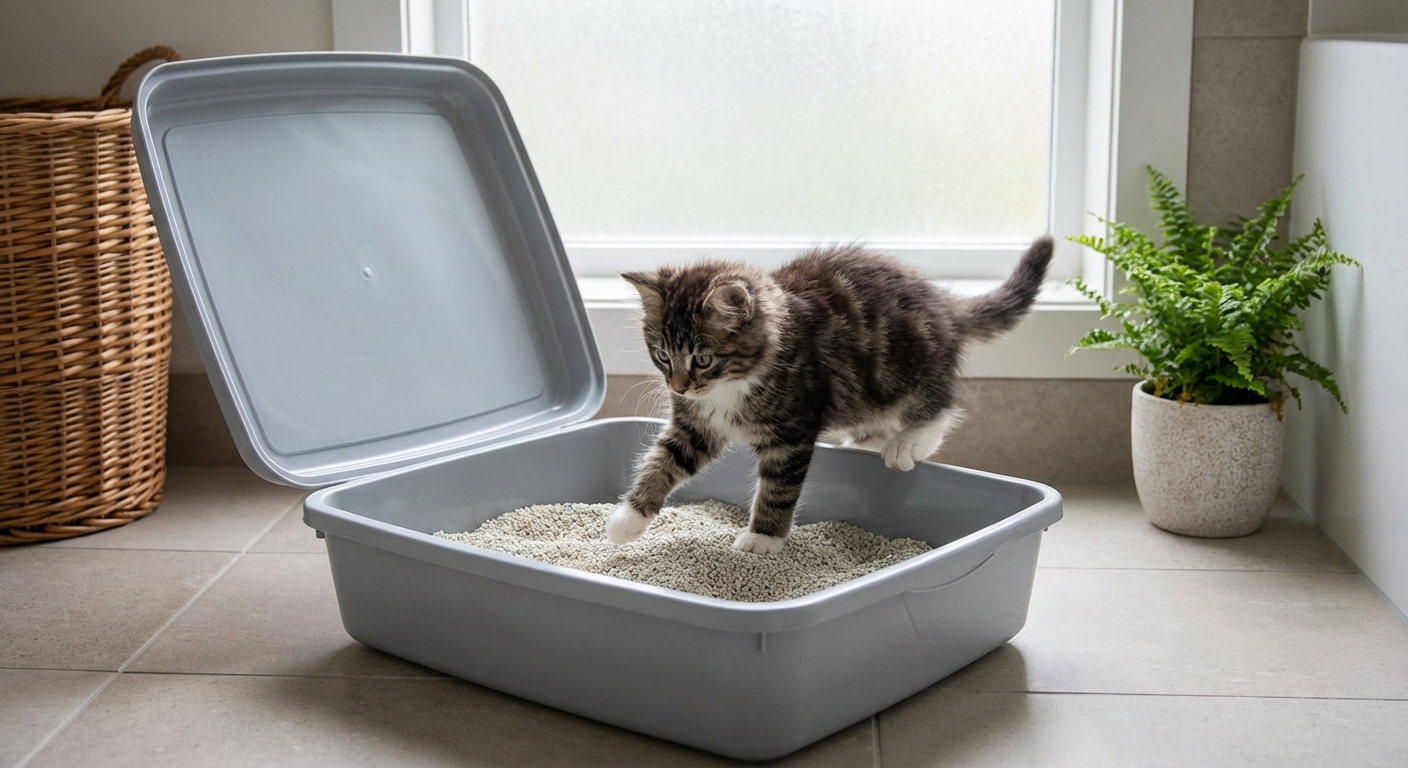
- Go low and open. For young kittens, pick a low-sided box they can step into easily. Covered boxes can feel cramped and can concentrate odor inside the box from your cat’s point of view.
- One box per cat, plus one extra. If you have one kitten, starting with two boxes in different spots can reduce accidents while they learn your home’s layout.
- Skip liners at first. Some kittens (and adult cats) dislike the crinkle under their paws and may avoid the box.
- Start with a “starter box” if needed. If your kitten is tiny, a shallow tray or low boot mat can work temporarily, then transition to a real box once entry is easy.
- Plan to size up. As your kitten grows, upgrade to a larger box. A helpful rule is a box about 1.5 times your cat’s body length (not counting the tail).
Pick a litter that feels safe
- Unscented clumping litter is often the easiest training option. It is soft, familiar underfoot for many cats, and makes scooping simple. That said, some kittens do better with non-clumping litters or fine-grain “kitten attract” style litters.
- Avoid strong fragrances. Cats have sensitive noses, and perfumed litter can drive them away.
- Be cautious with dusty litter. Dust can irritate kitten airways and eyes. Look for low-dust options.
- If your kitten is ingesting litter, pause clumping. Very young kittens and any kitten that is still mouthy enough to eat litter should be supervised and may need a safer temporary option. If you see litter eating, check in with your veterinarian for guidance.
Location matters more than most people think
- Quiet and low-traffic. A laundry room with a loud washer or a hallway with chasing kids can make a kitten feel unsafe.
- Always accessible. Do not put the only box behind a closed door or up or down stairs during early training.
- Not next to food and water. Cats prefer separation, and it can help reduce odor issues too.
Step-by-step: training your kitten to use the litter box
Many kittens learn in days, not weeks. Here is the simple routine I recommend for new kitten households.
Step 1: Show them where it is
When you bring your kitten home, place them gently in the litter box right away. Let them sniff. If they hop out, that is okay. Repeat calmly.
Step 2: Use timed trips for the first week
Kittens often need to go:
- Right after waking up
- Right after eating
- After energetic play
For the first several days, carry or guide your kitten to the box during these times. Quietly wait a minute or two. If they use it, praise warmly and offer a tiny treat.
Step 3: Keep their world small at first
If your home is large, start your kitten in a smaller safe room (like a bedroom or office) with:
- Litter box
- Food and water (across the room)
- A cozy bed
- A scratching post
Once litter box use is consistent, gradually open up more space and add extra litter boxes as needed.
Step 4: Reinforce success, never punish mistakes
Scolding or rubbing a kitten’s nose in an accident can create fear and make litter box avoidance worse. Instead, focus on:
- Rewards: gentle praise, a treat, or play after using the box
- Consistency: same box locations and same litter during training
- Calm cleanup: remove odor thoroughly so they do not return to the same spot
Cleanliness: the secret to long-term success
Cats are clean animals. If the box smells “off,” many will look for a cleaner option, and unfortunately that may be your rug.
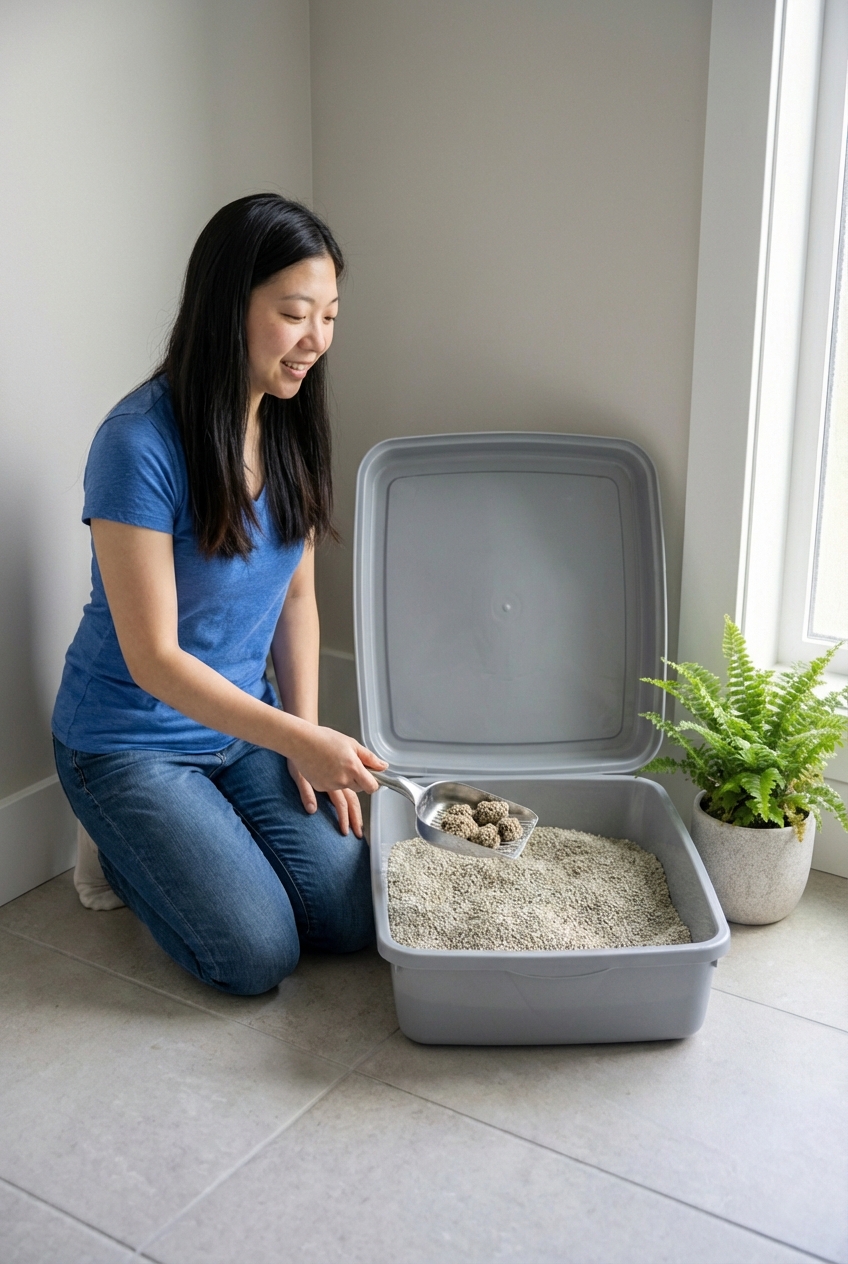
- Scoop at least once daily (twice is even better).
- Wash the box weekly with mild, unscented soap and warm water. Avoid harsh-smelling cleaners.
- Replace litter regularly based on the product and your kitten’s output.
- Keep enough litter depth for digging, often 2 to 3 inches. Adjust if your kitten seems to dislike deep litter or kicks it everywhere.
Common problems and simple fixes
Kittens peeing right next to the box
This often means the kitten is trying but something is “wrong” with the setup.
- Lower the box side, or use a shallow temporary tray.
- Try unscented litter if you are using scented.
- Scoop more often and make sure the box is not cramped.
Pooping outside the box, but peeing inside
This can be constipation, stress, or litter or box preference.
- Add a second box in a different location.
- Try a larger box or different litter texture.
- Call your veterinarian if stools are hard, your kitten strains, or goes less often than normal.
Accidents during playtime
Young kittens can get so busy playing they ignore body signals until it is urgent.
- Place an extra box closer to the play area.
- Pause play and do a quick litter break after meals and naps.
Your kitten avoids the box completely
If your kitten refuses the box, think environmental first, then medical.
- Environmental: a loud location, another pet guarding the box, strong smells, a covered box they dislike, or a texture that feels wrong under their paws.
- Medical: diarrhea, parasites, constipation, pain, or other health issues can cause avoidance. Urinary issues are also possible, especially if you see straining, frequent trips, crying, or blood.
If you see frequent trips to the box, crying, straining, blood in urine or stool, vomiting, or lethargy, contact your veterinarian promptly.
Clean accidents the right way
When accidents happen, the goal is to remove the scent completely so your kitten does not decide that spot is the new bathroom.
- Blot first, then clean. Soak up as much as you can before applying cleaner.
- Use an enzymatic cleaner. It breaks down the odor molecules that pets can still smell even when you cannot.
- Avoid ammonia-based cleaners. The smell can resemble urine and may encourage repeat marking or soiling.
Pet-friendly care tips that support training
Litter box training is easier when a kitten feels safe, relaxed, and healthy.
Make the box a safe zone
- Keep the box away from barking dogs, busy doorways, and noisy appliances.
- Give kittens escape routes so they never feel trapped while using the box.
- If you have multiple pets, consider boxes in separate areas.
Support good digestion
Sudden diet changes can cause diarrhea, which can lead to accidents and negative litter box associations. Transition food gradually over several days, keep fresh water available, and ask your veterinarian for guidance if your kitten has ongoing loose stools.
Trim stress, boost confidence
- Keep a predictable routine for meals and play.
- Offer vertical space (a cat tree) and hiding spots (a cozy covered bed).
- Use gentle play to help kittens burn energy and feel secure.
A quick kitten litter box checklist
- Low-sided open box for easy entry (or a temporary shallow tray for tiny kittens)
- Unscented, low-dust litter (clumping often works, but adjust to your kitten)
- At least two boxes for one kitten if possible
- Quiet locations with easy access
- Scoop daily and wash weekly
- Comfortable litter depth, then adjust to preference
- Timed trips after sleep and meals
- Reward success, never punish accidents
- Enzymatic cleaner for accidents, avoid ammonia-based cleaners
- Vet check if signs of pain, straining, blood, diarrhea, or sudden behavior change
Most litter box problems are solvable. When you match the box and litter to your kitten’s needs and keep things clean and calm, you are working with their instincts, not against them.