Apartment-friendly pee pad training made simple: set up the right station, build a schedule, add a cue, reward fast, troubleshoot accidents, and transition t...
Article
•
Designer Mixes
How to Train a Dog to Use a Potty Pad

Shari Shidate
Designer Mixes contributor
Potty pads can be a real lifesaver for apartment living, bad weather days, senior dogs with weaker bladders, and puppies who are not fully vaccinated yet. They can also be a helpful short-term option if your veterinarian recommends limiting exposure in high-risk areas (like places with heavy dog traffic). The key is to treat pad training like any other house-training plan: make the bathroom spot easy to find, reward the right choice every single time, and prevent accidents before they happen.
As a veterinary assistant here in Frisco, Texas, I also love potty pads for one extra reason: they may help you notice changes in your dog’s urine and stool sooner, like blood-tinged urine, mucus in stool, black or tarry stool, or a sudden increase in volume or frequency.
Before You Start
Pick the right pad setup
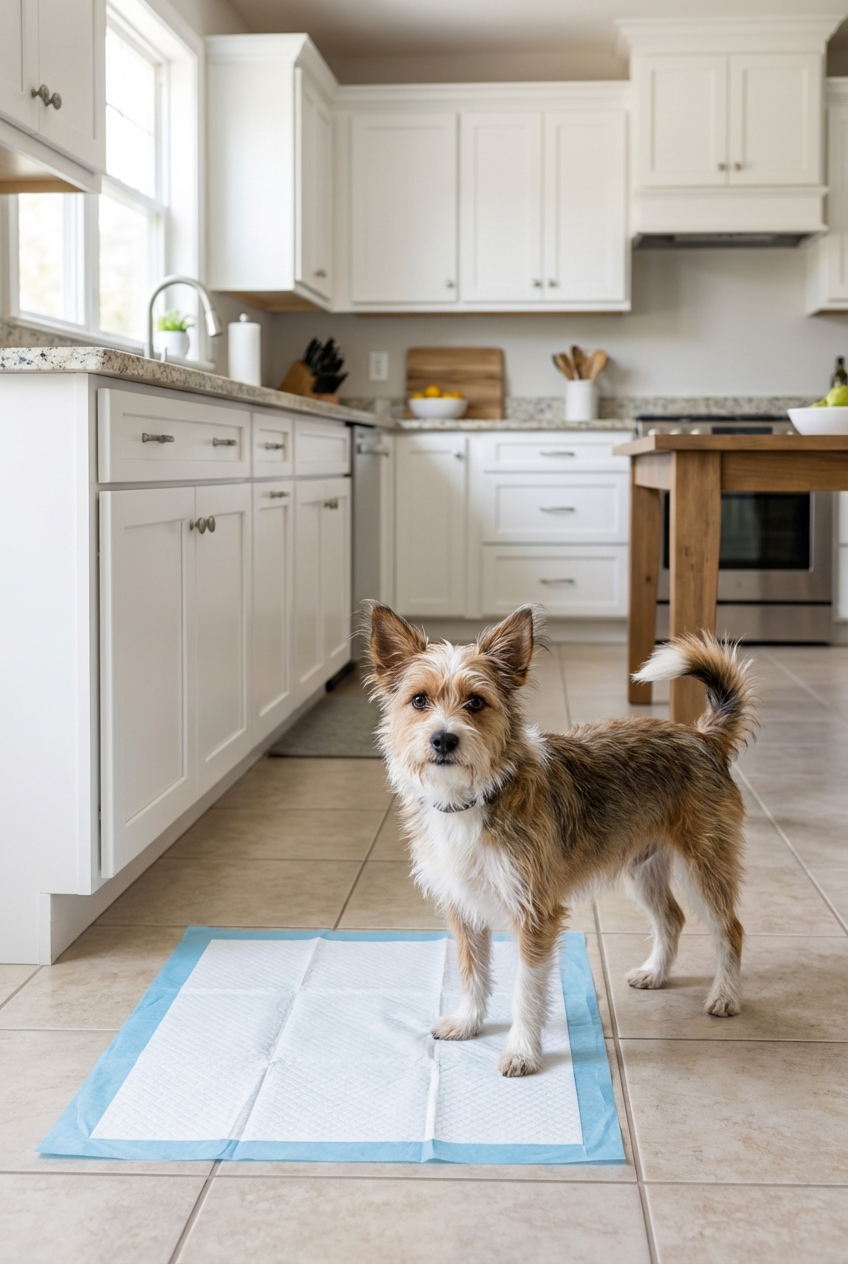
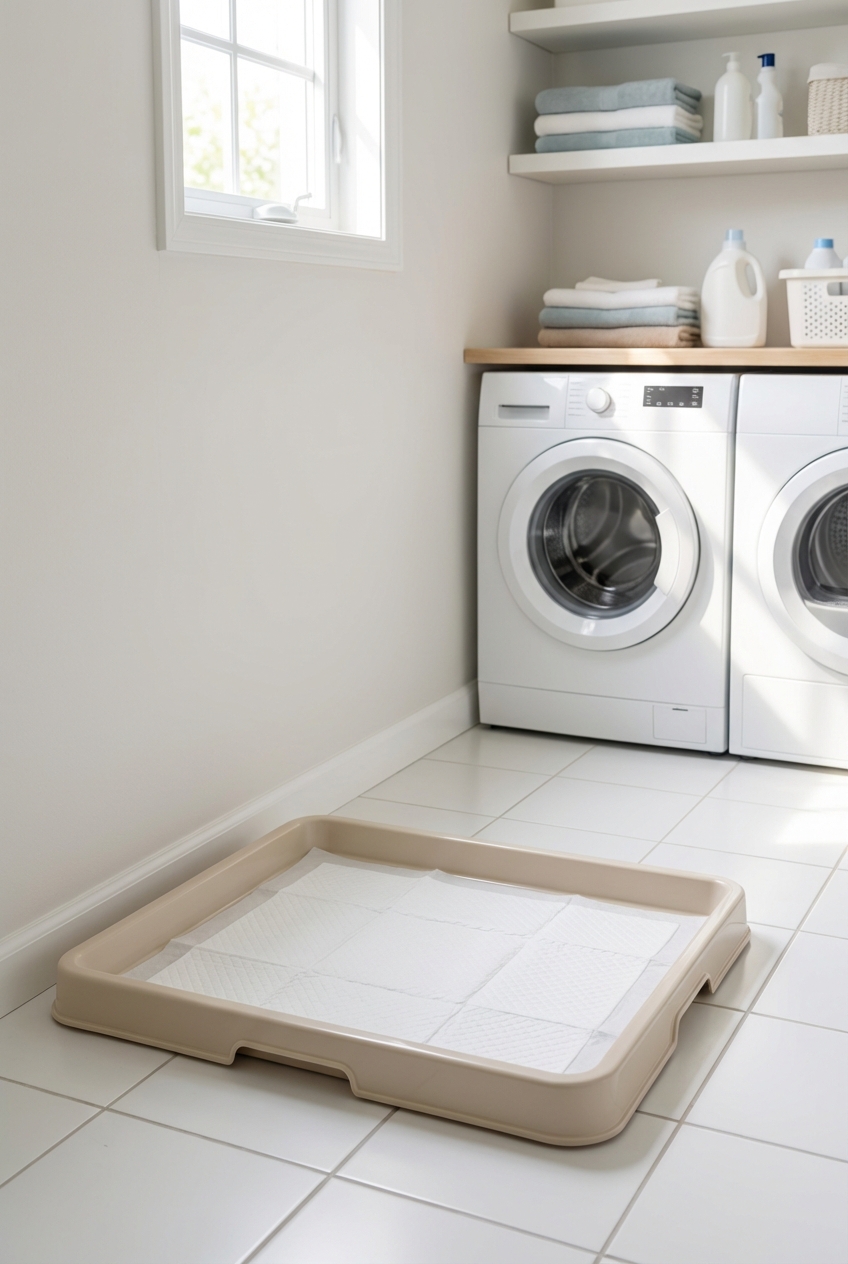
- Pad type: Absorbent, leak-proof pads are easiest for beginners. If your dog shreds pads, consider a heavier-duty pad, a washable pad, or a pad holder/tray.
- Size: Bigger is usually better at first, especially for small dogs who may circle.
- Location: Choose one spot and keep it consistent. A quiet corner away from food and water is ideal.
- Flooring: If possible, start on a surface that is easy to clean (tile or vinyl). Accidents are part of learning.
Know what is typical for timing
Many dogs need to potty:
- Right after waking up
- Within 5 to 30 minutes after eating or drinking (some puppies are faster)
- After play, excitement, or training
- Before bedtime
If you start by guiding your dog to the pad during these predictable windows, your success rate goes way up. Very young puppies may need even more frequent trips.
When pads may not be ideal
Pad training is not a perfect fit for every home. You may want a different plan if:
- Your dog starts confusing pads with rugs, bath mats, or other soft surfaces
- You want strict outdoor-only training as your end goal (pads can still work, but you will want a clear transition plan)
- You have a multi-dog household where indoor marking is becoming a habit
If you are unsure, ask your veterinarian or a qualified trainer to help you choose the cleanest, least confusing setup for your dog.
Step-by-Step Pad Training
Step 1: Introduce the pad calmly
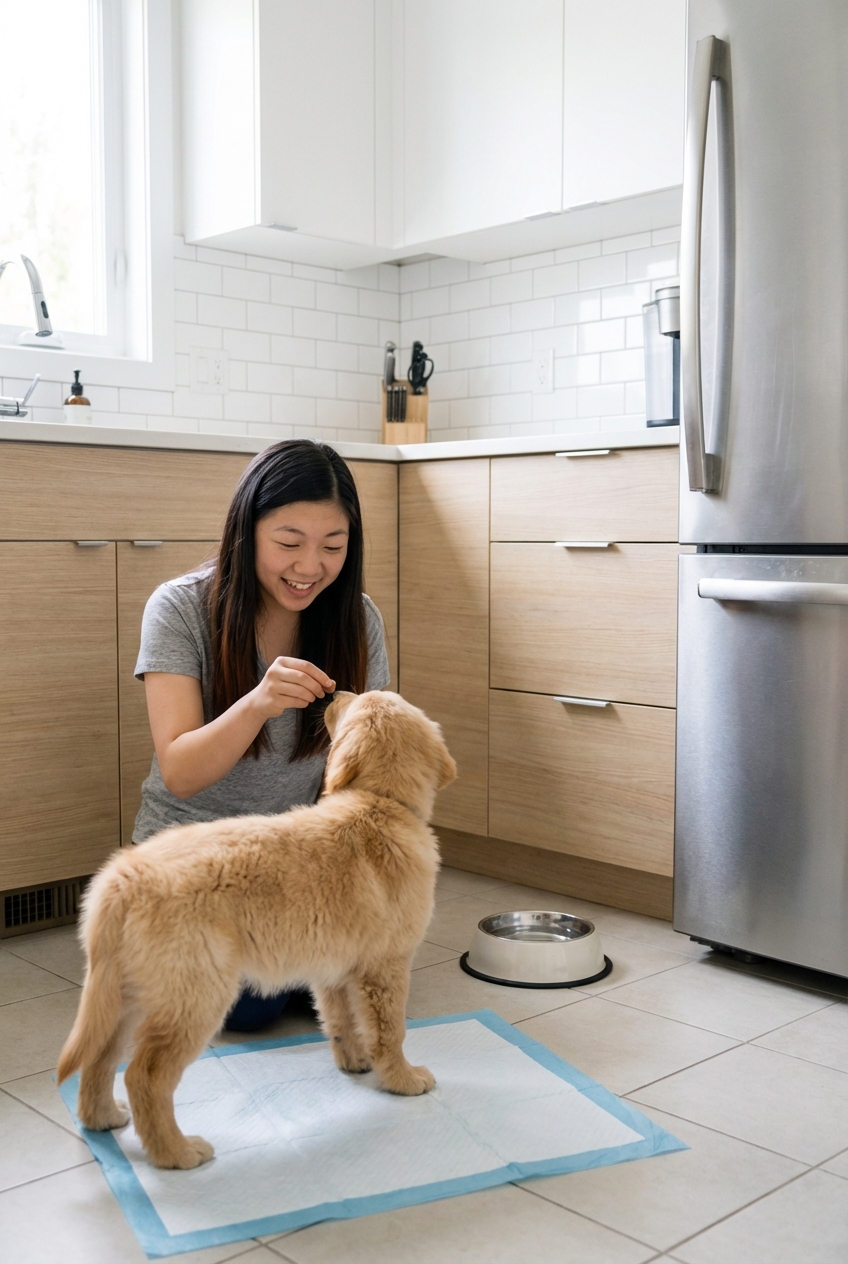
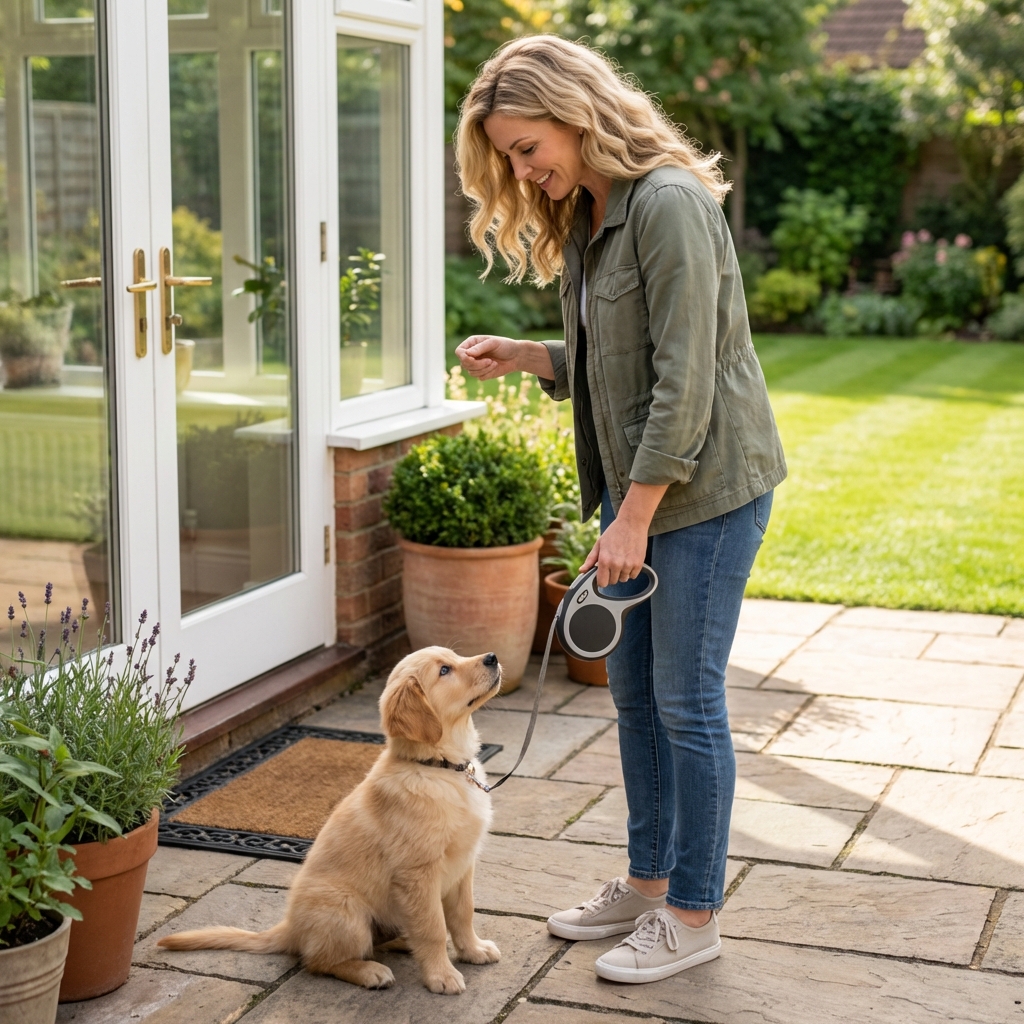
Bring your dog to the pad on leash, let them sniff, and praise gently. You are not asking them to go yet. You are simply making the pad feel safe and normal.
Step 2: Create a simple cue
Pick one phrase and stick with it, like “Go potty” or “Bathroom”. Say it when your dog is on the pad and showing signs they might go (sniffing, circling, squatting).
Step 3: Use a schedule, not guesswork
For the first week, rely on a schedule. Take your dog to the pad:
- Puppies: often every 1 to 2 hours while awake, plus after meals, naps, and play (very young puppies may need more)
- Adult dogs new to pads: often every 2 to 4 hours while awake, plus after meals and naps
- Seniors: as often as they need, usually more frequent than adults
Set phone reminders. Consistency is what teaches the habit.
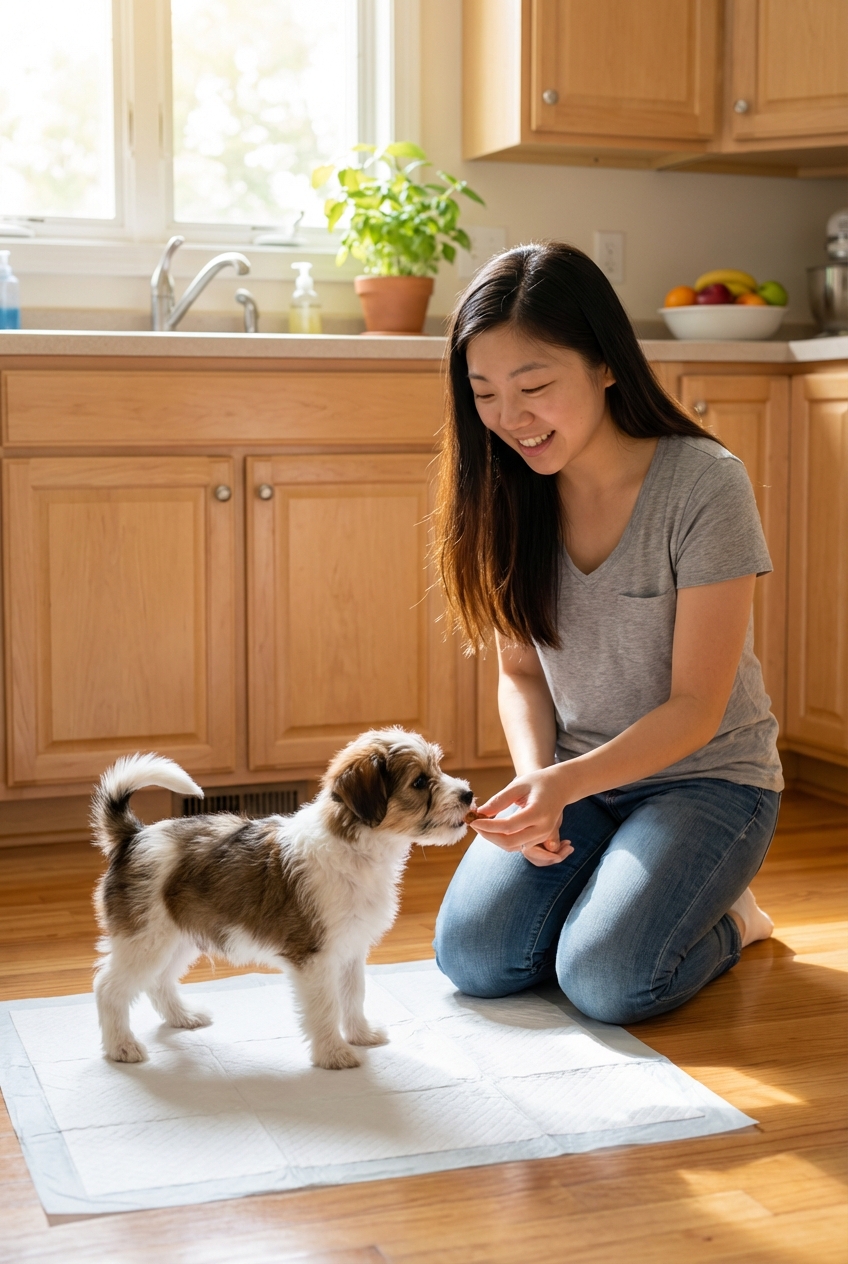
Step 4: Reward immediately and generously
The moment your dog finishes peeing or pooping on the pad, give:
- a high-value treat
- happy praise
- a brief play moment if your dog loves toys
Timing matters. Reward immediately, within a few seconds of finishing, so your dog clearly connects the pad with the good outcome.
Step 5: Prevent accidents with smart confinement
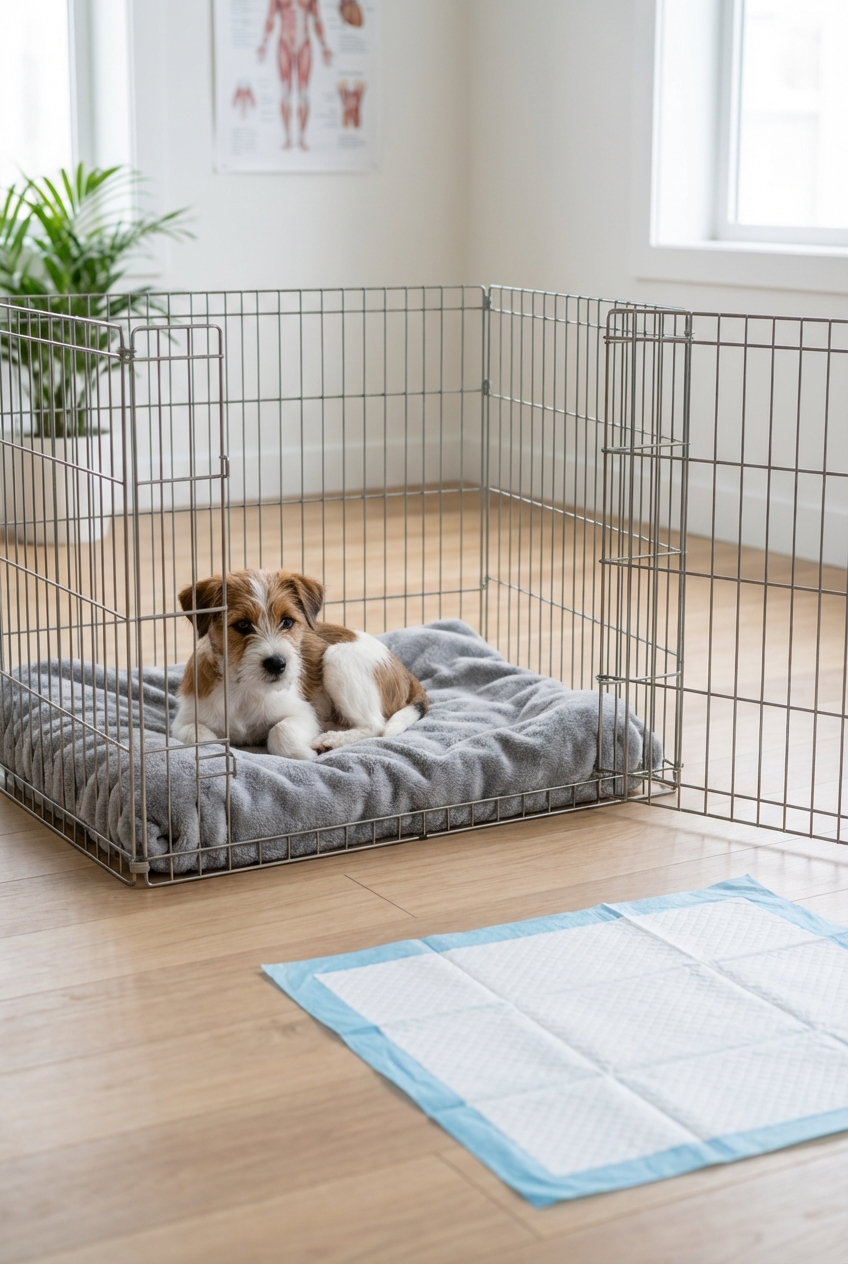
When you cannot actively supervise, use:
- a crate (for dogs already crate trained)
- a small exercise pen with the pad on one side
- a baby-gated puppy-proofed area
Too much freedom too soon is the biggest reason pad training stalls. A smaller area makes it easier for your dog to find and choose the pad.
Step 6: Clean accidents the right way
If your dog has an accident off the pad, clean it with an enzymatic cleaner made for pet urine. Regular soap can leave scent behind that tells your dog, “This is a bathroom spot.”
If you catch your dog mid-accident, stay calm. Gently interrupt (a soft “oops” is fine), guide them to the pad, and reward if they finish there. Avoid punishment. It can make dogs hide when they need to go, and it slows training.
Step 7: Gradually reduce help
Once your dog is hitting the pad reliably for several days in a row, you can:
- reduce how often you escort them (but keep routine times like after waking)
- increase freedom slowly
- move from constant supervision to check-ins
If accidents return, you moved too fast. That is not failure. It is feedback. Go back one step for a few days.
How Long Does Pad Training Take?
Many puppies start to understand pad training in 1 to 2 weeks, but reliability can take 4 to 8 weeks depending on age, consistency, and how closely the schedule is followed. Adult rescues may learn quickly, but some need extra time if they have a long history of going outdoors only.
Troubleshooting
“My dog goes next to the pad, not on it.”
- Use a larger pad or two pads side-by-side temporarily.
- Make sure the pad is not sliding. Try a tray or non-slip backing.
- Escort your dog to the pad more often so they are not rushing.
“My dog shreds the pad.”
- Switch to a pad holder/tray.
- Try washable pads that are harder to tear.
- Provide appropriate chew outlets and supervise more closely during the learning phase.
“My dog thinks the pad is a bed.”
- Move the pad farther from resting areas.
- Do not place pads near cozy rugs or blankets.
- Use a tray to make it feel less like a soft lounging spot.
“My dog only uses the pad when I am watching.”
- Reward more strongly when they choose the pad on their own.
- Practice short sessions where you stand farther away, then reward.
- Make sure the pad is easy to access and not blocked by furniture.
“My dog is having accidents even with training.”
If your dog suddenly urinates more often, strains, has blood-tinged urine, drinks excessively, or has diarrhea, please contact your veterinarian. Medical issues like urinary tract infections, bladder stones, diabetes, kidney disease, parasites, or diet sensitivities can look like a training problem.
Transitioning Outdoors
Yes. If your long-term goal is outdoors, pads can be a stepping stone. There are a couple of ways to do it.
- Option 1: Move the pad gradually: shift it a little closer to the door every few days. If your dog backslides, pause and keep the pad in one spot until they are solid again.
- Option 2: Keep the pad location stable: keep the indoor pad where it is, but add more outdoor potty trips at predictable times. Reward outdoor potty heavily and start treating the pad as a backup option.
- Use the same cue: use the same cue phrase indoors and outdoors for consistency.
Some dogs do great with a hybrid routine too, like outdoor during the day and pad access overnight.
Safety and Hygiene
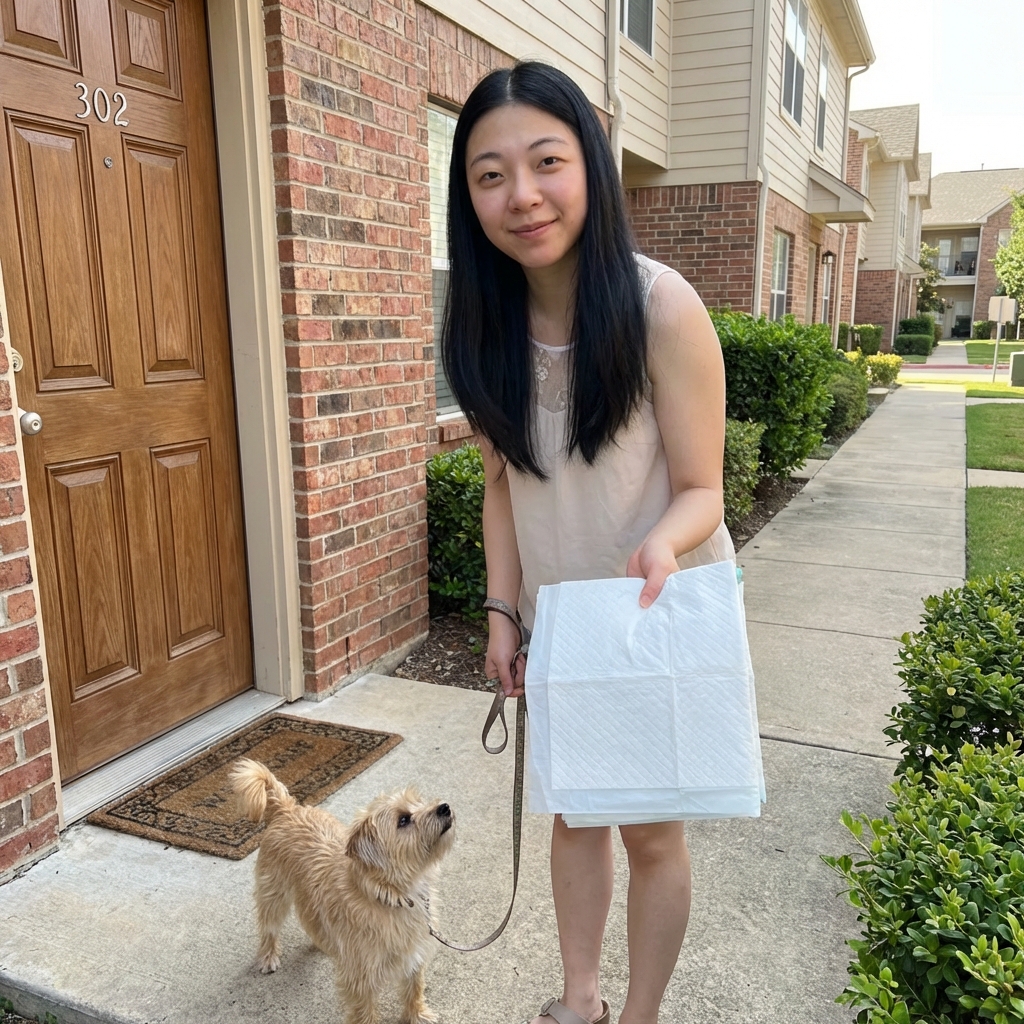
- Wash hands after handling used pads.
- Dispose of stool promptly to reduce odor and parasites.
- Use a sealed trash can (or bag used pads before tossing) to control odor.
- Change pads often enough that the area stays inviting and sanitary.
- Keep pads away from children’s play areas.
- If you use washable pads, wash them with hot water and pet-safe detergent, then dry thoroughly.
A clean pad area is more inviting to your dog and helps protect everyone in the home.
Tip on attractants: Some pads are scented or marketed as “attractant” pads. They can help some dogs, but if your dog is sensitive to smells or tries to chew the pad, stick with unscented.
Quick Routine
If you want a simple plan, here is a beginner-friendly routine:
- Morning: straight from sleep to pad, cue, reward
- After meals: pad within 10 to 20 minutes, cue, reward
- Every 1 to 2 hours (puppies): quick pad break (more often for very young puppies)
- After play: pad break
- Before bed: pad break
Pad training is not about perfection. It is about repeating the right pattern until it becomes your dog’s habit. Stay consistent, celebrate the wins, and do not hesitate to involve your veterinarian if anything about your dog’s potty habits feels off.