Potty pad training made simple: choose the best location, follow an age-based schedule, reward fast, prevent repeat accidents with enzyme cleaners, and trans...
Article
•
Designer Mixes
How to Train a Dog to Use a Pee Pad

Shari Shidate
Designer Mixes contributor
Pee pads can be a lifesaver for apartment living, puppies who are not fully vaccinated yet, seniors with mobility issues, and rainy Texas mornings when even the bravest pup thinks the yard is suspicious. The key is making the pad feel like the easiest, most rewarding bathroom choice and then slowly building a predictable routine.
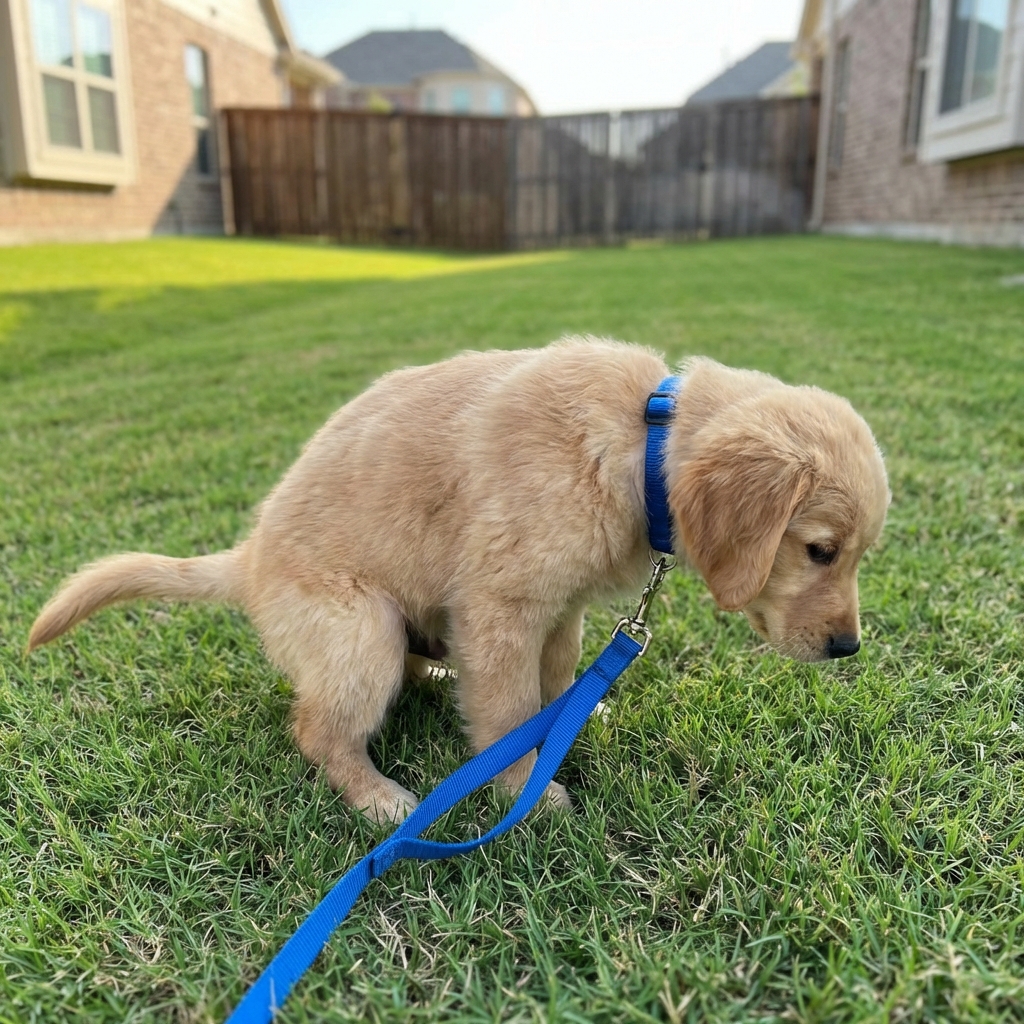
Quick note on puppies and going outside: many vets recommend avoiding high-traffic public dog areas (like busy parks and pet store sidewalks) until vaccines are complete. But some puppies can still safely potty outside in low-risk spots like your own private yard, patio, or a clean, low-dog-traffic area. When in doubt, ask your veterinarian what is appropriate for your area.
As a veterinary assistant, I also want to say this clearly: accidents are not your dog being stubborn or spiteful. Most training hiccups come down to timing, too much freedom, unclear cues, or a medical issue like a urinary tract infection. We will cover the practical steps, plus the common mistakes I see every week.
Set up the right pee pad station
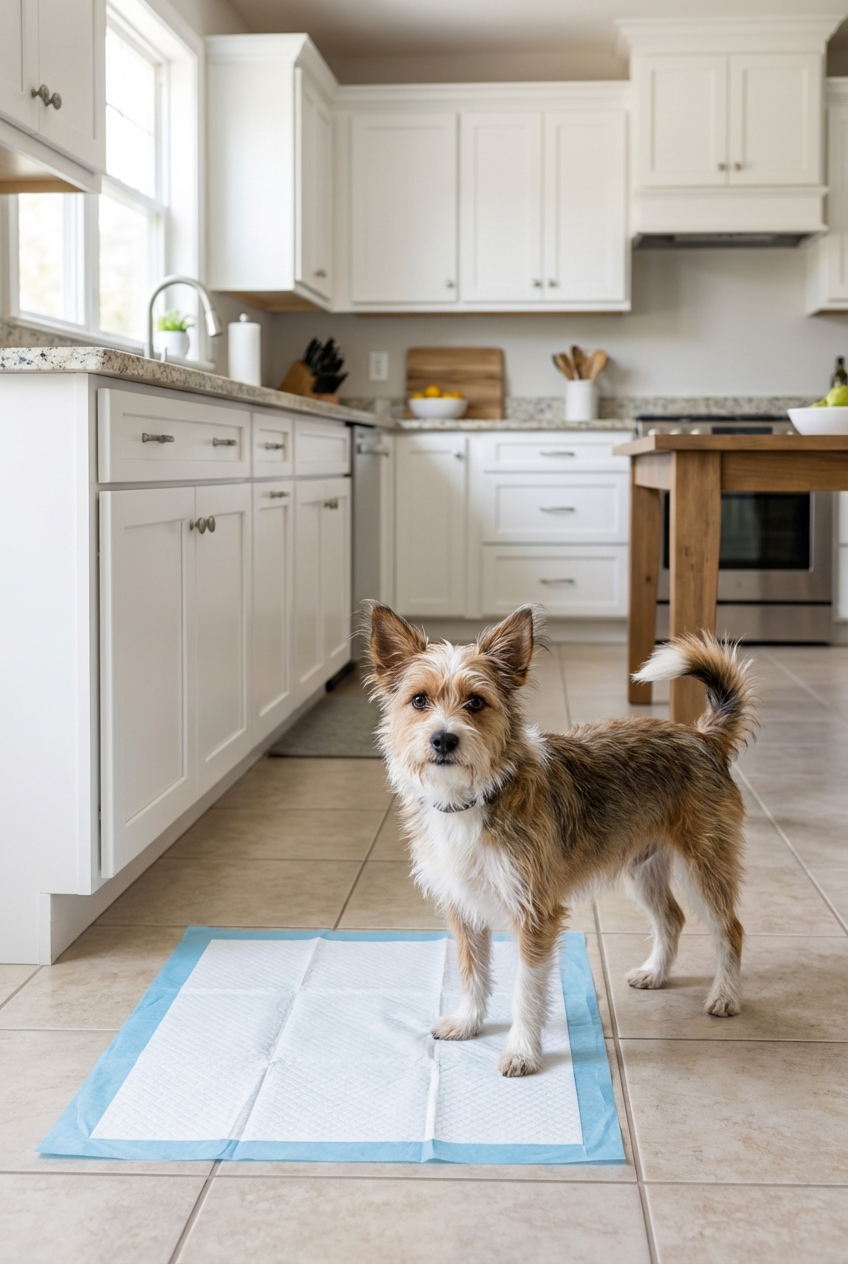
Your setup matters more than most people realize. Dogs learn location and surface preferences quickly, so we want a consistent bathroom spot that is easy to access and easy to keep clean.
- Choose one location with low foot traffic, away from food and water bowls.
- Use a holder or tray if possible. It prevents shredding, sliding, and that awful stepped-in-it-and-tracked-it moment.
- Start with enough pad space for your dog to comfortably stand and turn around. Tiny pads can confuse small dogs and frustrate larger ones.
- Place the pad on an easy-to-clean floor like tile or vinyl at first.
- Keep it consistent. Moving it around is one of the fastest ways to create accidents.
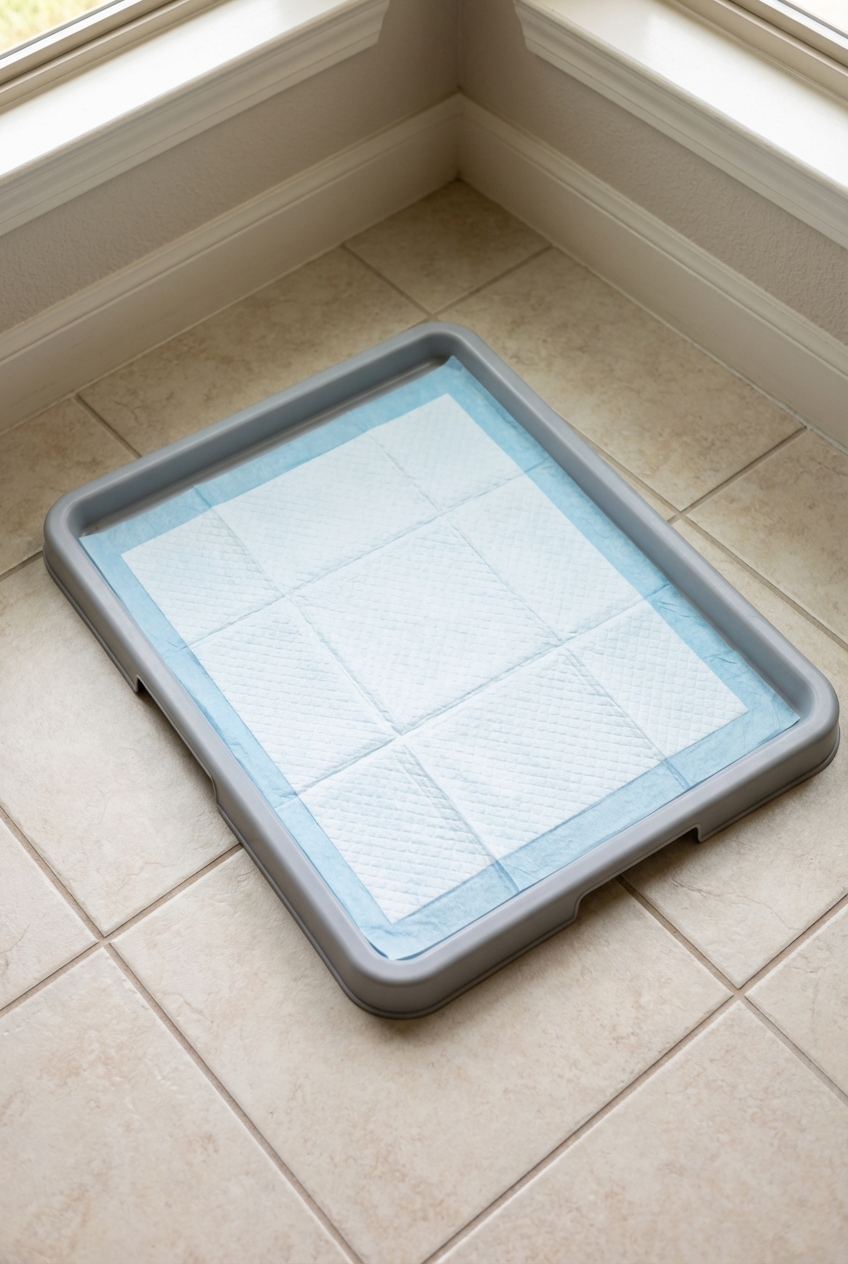
Helpful tip: If your dog is attracted to rugs, pick up nearby bath mats and runners during training. Many dogs see soft fabric as close enough to a pad.
Big homes or multi-dog households: you may need more than one station at first, especially on different floors. Once everyone is consistent, you can gradually reduce to the station(s) you want long-term.
Pick the right pad (and why it matters)
Not all pee pads are created equal, and the wrong choice can create mixed signals.
- Unscented pads are often best. Heavy fragrances can turn sensitive dogs off or encourage over-sniffing and play.
- Attractant pads can help if your dog is not connecting the pad with pottying yet. If your dog seems uninterested in the pad, switching to an attractant style is worth trying.
- High-absorbency pads reduce tracking and make it easier to keep the area sanitary.
- Texture consistency matters. Once you find a pad your dog gets, stick with it for a while.
If your dog chews pads, switch to a pad tray with a grate or use a washable cloth pad that is harder to shred. Chewing can also signal boredom or too much unsupervised access.
Safety note: If your dog swallows pad pieces, or you notice vomiting, lethargy, diarrhea, refusal to eat, or signs of abdominal pain, contact your veterinarian. Pad material can cause intestinal blockage in some dogs.
Build a simple schedule first
Training goes faster when your dog has many opportunities to succeed. For most dogs, success comes from timing, not willpower.
Best times to take your dog to the pad
- Immediately after waking up
- After eating
- After drinking a lot of water
- After playtime or zoomies
- After a nap
- Before bedtime
For young puppies, a good starting point is every 1 to 2 hours when they are awake, plus the moments listed above. Small breeds often need more frequent trips.
Step-by-step: How to teach pee pad use
1) Supervise and limit freedom
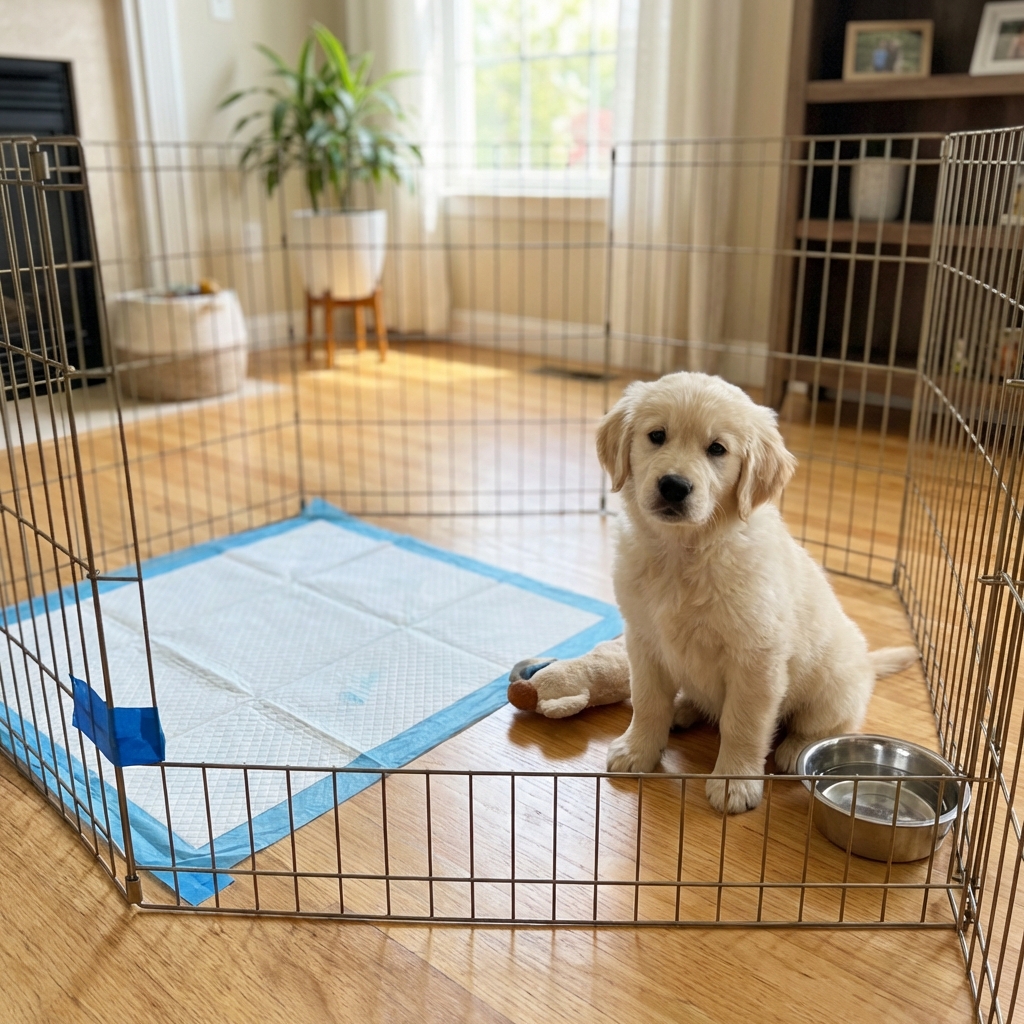
Until your dog is reliable, prevent roaming. Use a crate, playpen, or keep your pup on leash with you. Most accidents happen when dogs have too much space too soon.
2) Escort them to the pad
Walk your dog to the pad on schedule and after any accident or near-miss. Stand calmly, quietly wait 2 to 5 minutes, and avoid distracting chatter.
3) Add a cue
Say a simple cue like Go potty. In the beginning, it often works best to say it as your dog starts sniffing and circling so the words match what they are doing. Once your dog understands the routine, you can start saying the cue right before they go to help them do it on request.
4) Reward immediately
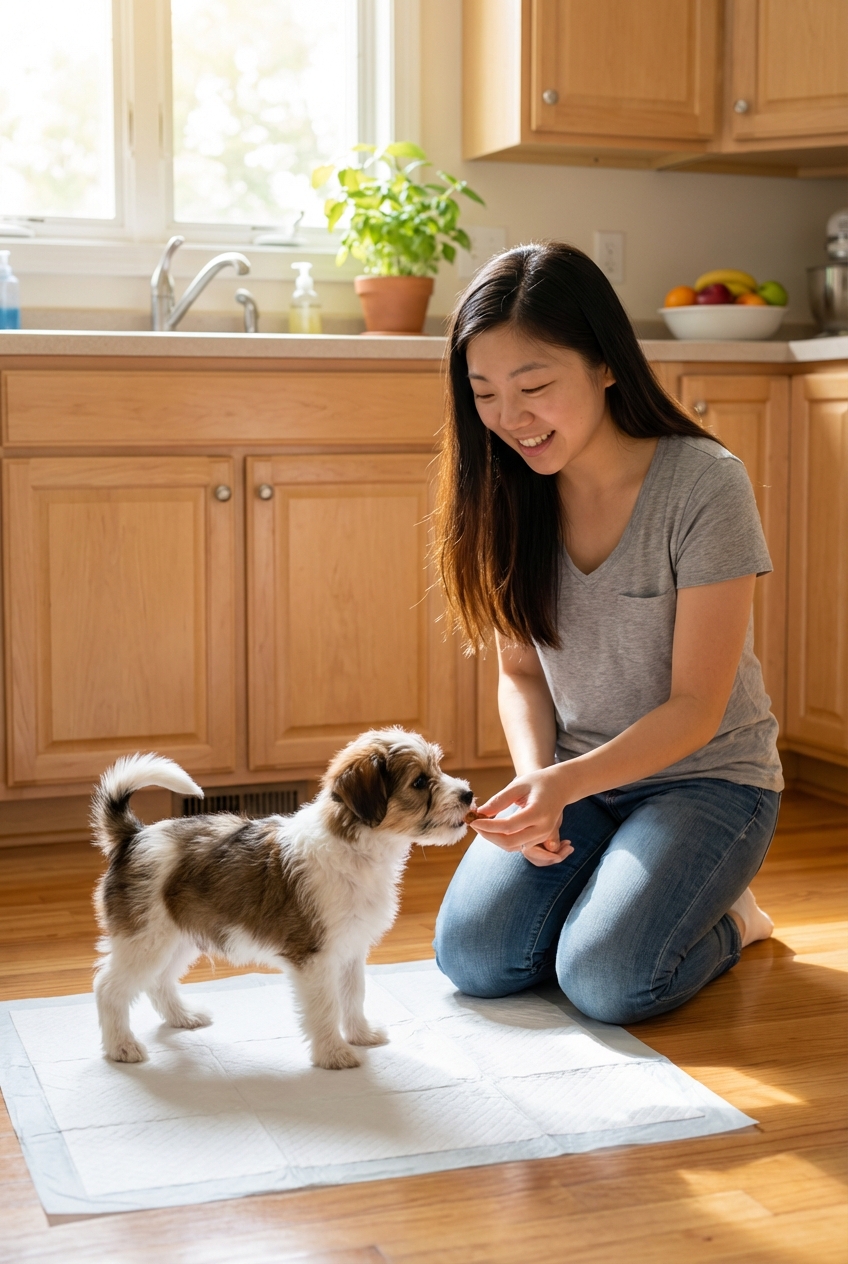
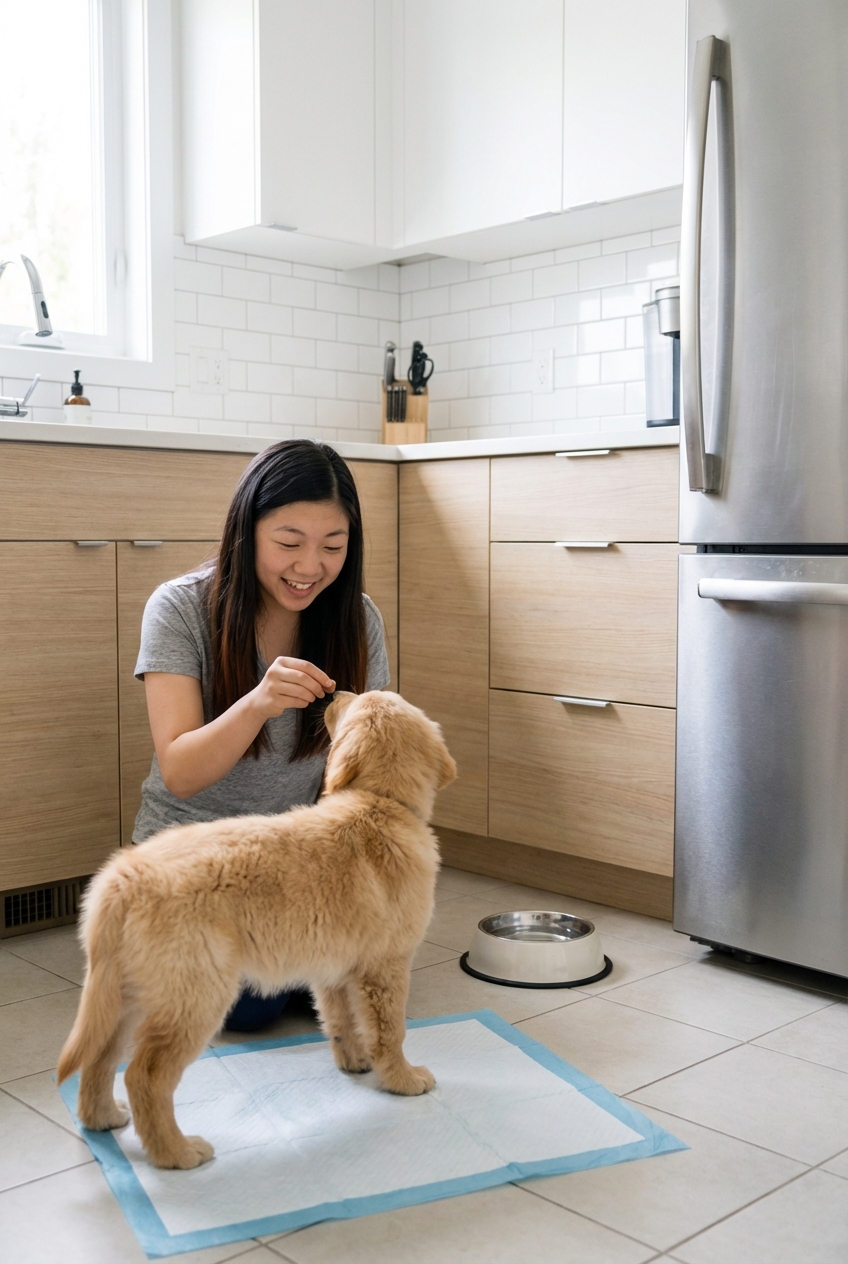
The reward is what locks the lesson in. The second your dog finishes on the pad, praise warmly and give a high-value treat. High-value usually means tiny, soft, extra-tasty options like chicken, cheese, or freeze-dried treats. This is not the time for a dry kibble crumb if your dog is not excited about it.
5) Repeat and track patterns
Many dogs develop predictable potty patterns within days to a couple of weeks. If accidents keep happening at the same time, adjust the schedule and offer the pad sooner.
Training is a numbers game. The more right place, right reward repetitions you create, the faster pad training clicks.
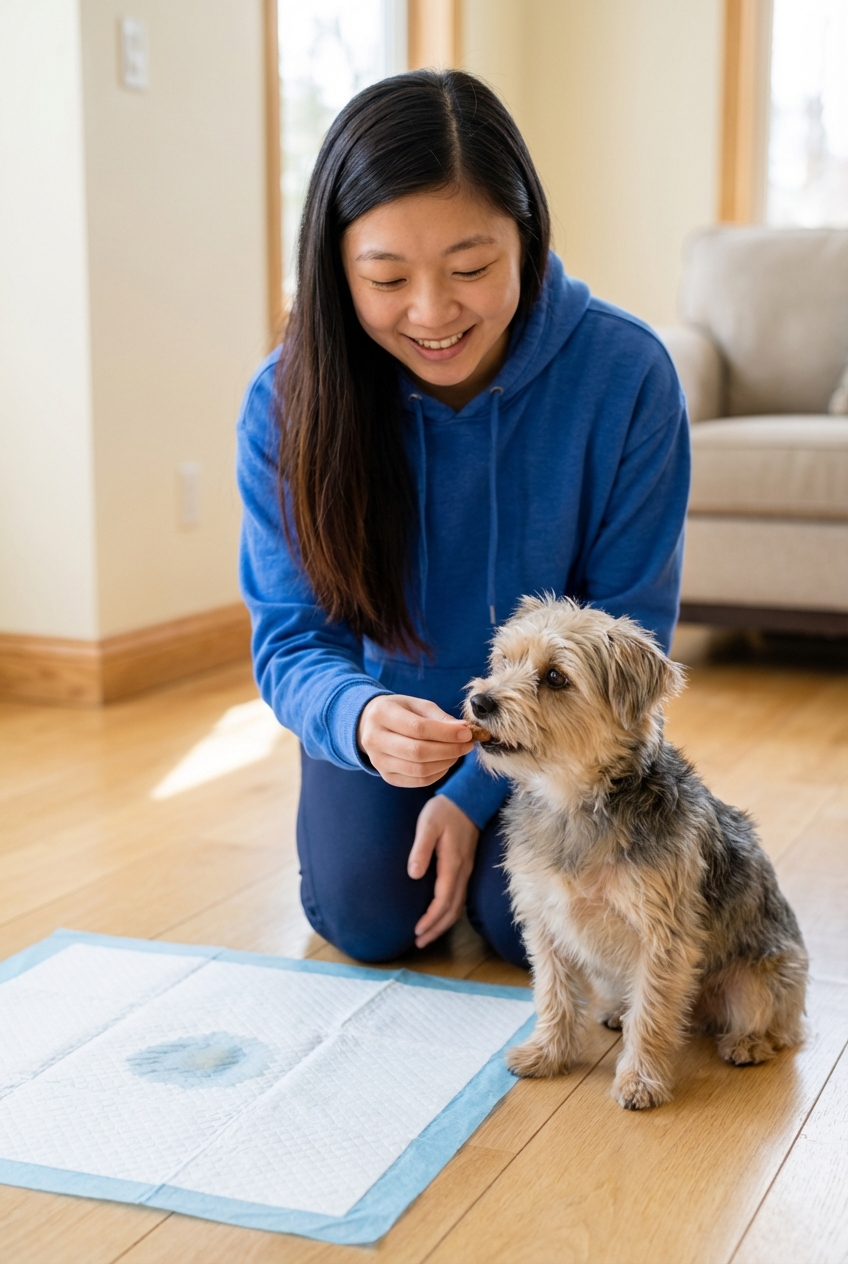
What to do if your dog has an accident
Accidents are information. They tell you your dog needed to go sooner, the pad was too far away, the cue is not clear yet, or your dog had too much freedom.
- If you catch them mid-accident: calmly interrupt with a gentle uh-oh, guide them to the pad, and reward if they finish there.
- If you find it later: do not scold. Clean it thoroughly and tighten your schedule.
- Clean with an enzymatic cleaner made for pet urine. Regular cleaners often leave behind scent markers your dog can still detect.
Scolding can make dogs hide to potty, which slows training and can create anxiety around elimination.
Common pad training problems and fixes
My dog pees next to the pad
- Use a larger pad or two pads overlapping for a week, then reduce to one.
- Switch to a pad tray to stop sliding.
- Make sure the pad is flat and not bunched up.
My dog shreds or plays with the pad
- Use a tray with a grate, or a washable pad.
- Increase exercise and enrichment. Many pad shredders are bored.
- Supervise more. If you cannot watch, use a pen with the pad secured (and remove loose pads that invite chewing).
My dog uses rugs instead
- Pick up rugs during training if you can.
- Use an enzymatic cleaner on any past accident spots.
- Choose pads with a texture that feels different than carpet.
My dog only uses the pad when I am watching
- Reward more consistently, even if it feels repetitive.
- Practice short potty trips to the pad, then calmly take a step back or turn slightly away while they sniff so they learn it is safe to go without an audience.
Pee pads for poop too
Most owners want both pee and poop on the pad. The good news is the approach is the same: schedule, escort, cue, and immediate reward. If poop accidents are the main issue, tighten supervision after meals, and clean with an enzymatic cleaner so the old spot does not keep calling them back.
Puppies, small breeds, and seniors
Puppies
Puppies do best with structure and quick rewards. Keep expectations realistic. Their bladder control is still developing. If your puppy is having frequent accidents despite a solid schedule, talk with your veterinarian to rule out parasites or urinary issues.
Small breeds
Many designer mixes and toy breeds have tiny bladders. They often succeed with more frequent pad access and a larger target area than you would expect.
Seniors
If your older dog suddenly starts having accidents, do not assume it is behavioral. Pain, arthritis, cognitive changes, kidney disease, diabetes, and urinary tract infections can all change bathroom habits. A quick veterinary check can save you a lot of stress and your dog a lot of discomfort.
How long does pee pad training take?
Many puppies show noticeable improvement in 1 to 2 weeks with consistent supervision and rewards. Some dogs take longer based on age, prior accident history, household schedule, and how consistent everyone is with management.
Progress is usually not perfectly linear. A growth spurt, a schedule change, guests visiting, or a new environment can cause a temporary setback. Go back to basics for a few days and you will typically get right back on track.
Fading treats (without losing progress)
Once your dog is reliably using the pad, start shifting to intermittent rewards. Praise every time, treat some of the time, and occasionally give a surprise jackpot reward. This keeps the habit strong while you slowly reduce food rewards.
Transitioning from pee pads to outside
Some families keep pads long-term. Others use them as a stepping stone. If you want outdoor pottying later, you can transition gradually.
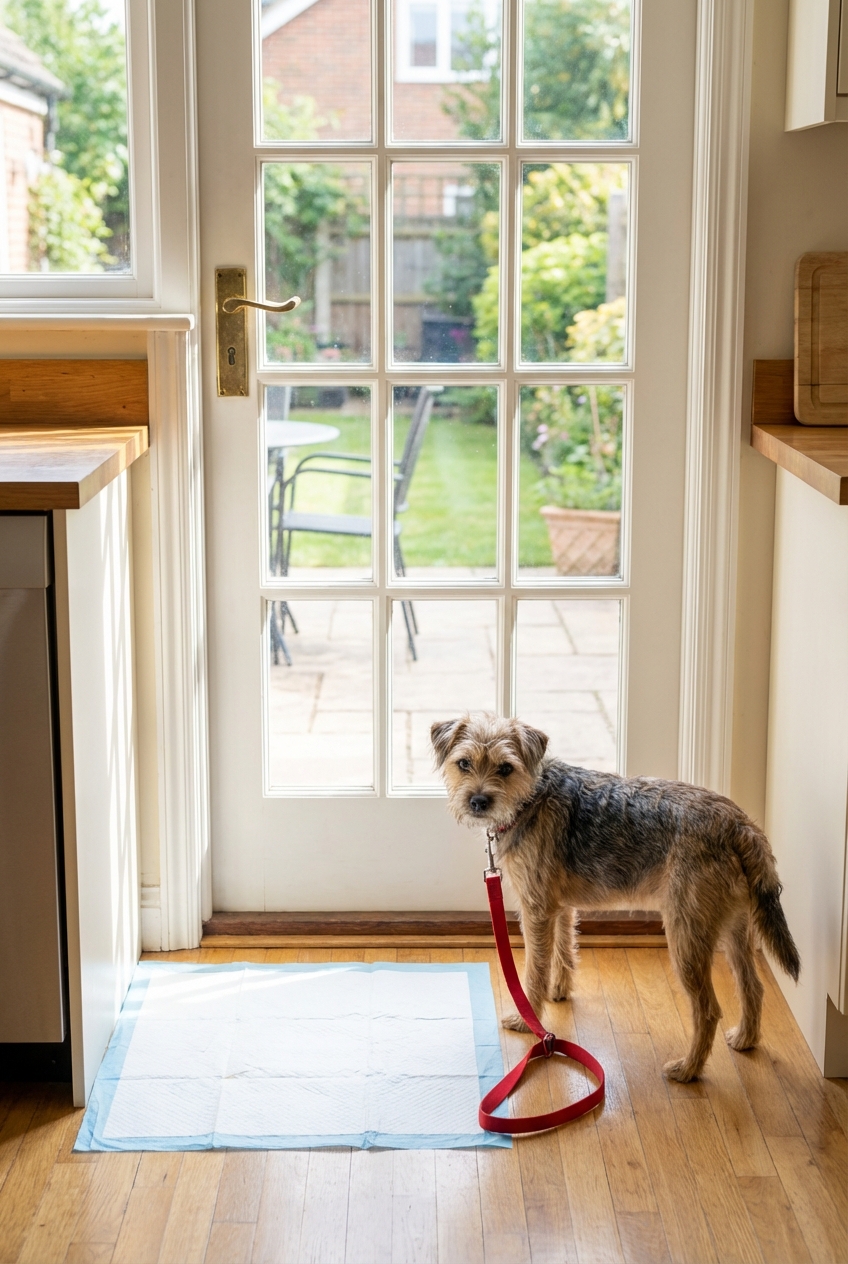
- Move the pad closer to the door over several days, not all at once.
- Start taking your dog outside at the same times you would offer the pad.
- Reward outdoor potty heavily so outside becomes the best deal.
- Keep one pad available during the transition for safety, especially for small dogs or bad weather days.
When to call your vet
If any of the following show up, it is worth a veterinary visit. These are common medical reasons a dog struggles with potty training.
- Sudden increase in urination frequency
- Straining to urinate or producing only small amounts
- Blood in urine
- Drinking much more water than usual
- Accidents that start suddenly in a previously trained dog
- Licking the genital area more than usual
Pad training should feel like a learning curve, not an ongoing mystery. If something feels off, trust your instincts.
Quick checklist for success
- One consistent pad location
- Pad tray or secured pad
- Frequent scheduled potty trips
- Supervision or confinement when unsupervised
- Immediate rewards after pad use
- Enzymatic cleaner for all accidents
- Patience and consistency for 1 to 2 weeks (or longer if your dog needs it)
If you take just one thing from this: reward the behavior you want, right when it happens, and set your dog up to succeed more often than they fail. That is how real training progress sticks.