Cats hide illness well. Learn the most reliable signs your cat may be sick—appetite, vomiting, litter box, breathing, pain, and behavior—plus urgent vs e...
Article
•
Designer Mixes
How to Tell When Your Cat Is Sick

Shari Shidate
Designer Mixes contributor
Cats are pros at hiding discomfort. It is a survival instinct, and it is one reason a “maybe” symptom can quietly turn into a real problem. The good news is you do not need to be a veterinarian to spot early clues. You just need to know your cat’s normal and watch for changes that stick around.
As a veterinary assistant, I always tell pet parents this: you are not overreacting when you notice something is “off.” You are collecting important health data your veterinarian can use to help your cat faster.
Quick baseline: what is normal?
Before we talk warning signs, get clear on your cat’s usual patterns. Cats vary a lot, so the best comparison is your cat yesterday, not your neighbor’s cat.
- Appetite and water intake: How excited are they for meals? Do they graze or finish quickly?
- Litter box habits: How often do they urinate and poop, and what does it typically look like?
- Energy and social behavior: Do they greet you, hide, play, nap in the open, or nap in tucked-away spots?
- Grooming: Most healthy cats groom daily and keep a fairly tidy coat.
- Breathing: Quiet, effortless breathing at rest.
Tip: A short weekly check-in helps. Take a quick photo of your cat’s body condition, note litter box output (like number and size of urine clumps and stool consistency), and weigh them if you can. Weight loss is one of the biggest early red flags in cats.
Early signs your cat may be sick
Many feline illnesses start with subtle changes. If you notice one sign for more than 24 to 48 hours, or several signs at once, it is worth calling your veterinarian.
1) Appetite changes (including picky eating)
Eating less is one of the most common “first symptoms” in cats. It can be caused by dental pain, nausea, kidney disease, hyperthyroidism, diabetes, infections, stress, and more.
- Skipping meals or eating much less than usual
- Walking up to food, sniffing, then leaving
- Chewing on one side, dropping kibble, or vocalizing while eating
Important: Cats that stop eating are at risk for hepatic lipidosis (fatty liver disease), especially if overweight. If your cat skips a full day of food, do not wait. Call your veterinarian the same day. Kittens, seniors, and cats with known health issues can decline faster.
2) Litter box changes
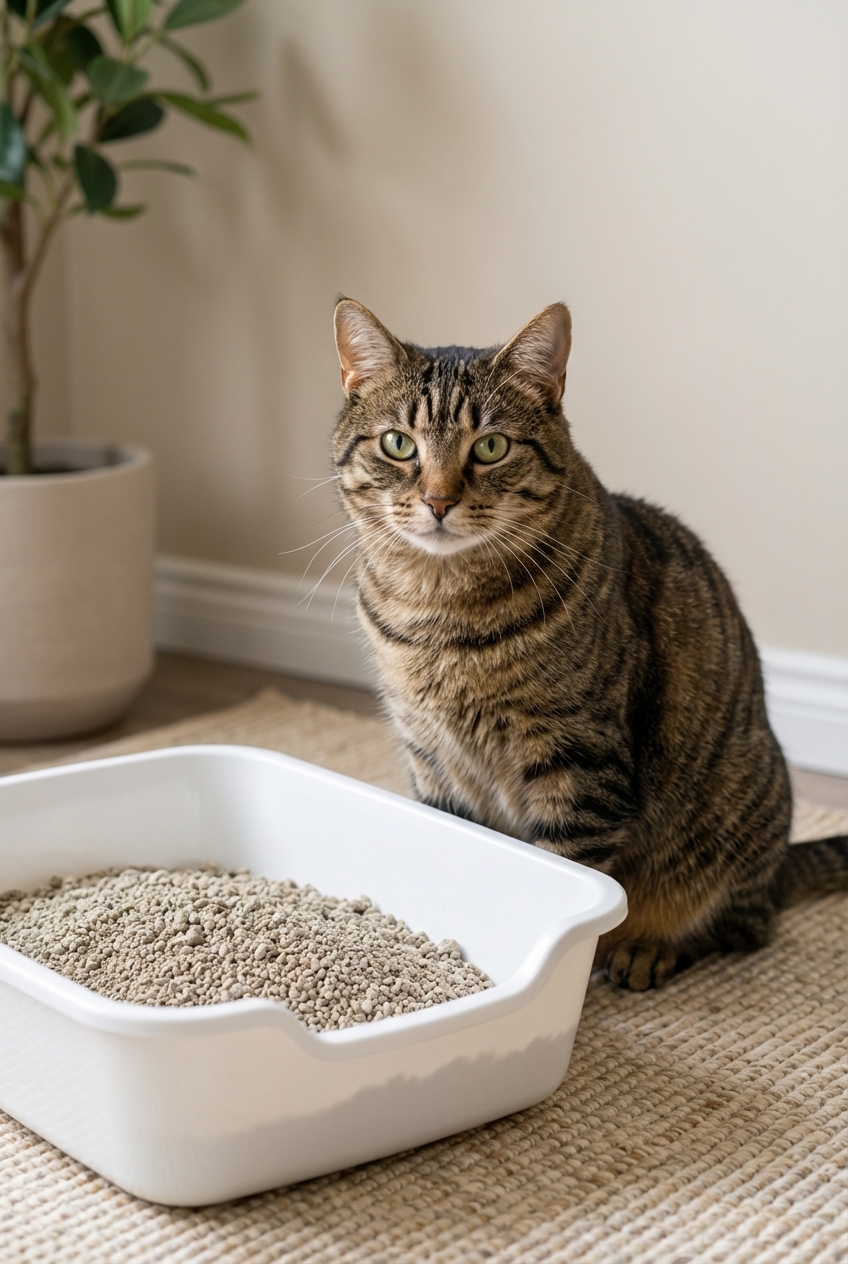
The litter box is one of your best health tools.
- Urinating more than usual: Can be kidney disease, diabetes, or hyperthyroidism.
- Urinating less than usual: Can be dehydration, pain, or urinary tract issues.
- Straining to urinate: This can be a medical emergency, especially in male cats, due to urinary blockage.
- Blood in urine: Always worth a prompt veterinary call.
- Diarrhea or constipation: Ongoing changes can signal parasites, diet issues, inflammatory bowel disease, obstruction, dehydration, or pain.
Call now symptoms
Some symptoms need immediate veterinary guidance. If you are unsure, it is always okay to call and ask what to do next.
- Open-mouth breathing, labored breathing, or breathing with a heaving belly
- Collapse, extreme weakness, or unresponsiveness
- Repeated vomiting, vomiting with blood, or inability to keep water down
- Suspected urinary blockage: frequent trips to the box with little or no urine, crying, straining, or licking the genital area
- Seizure activity
- Pale gums or blue-tinged gums
- Yellow gums, yellow skin, or yellow whites of the eyes (jaundice)
- Severe pain: yowling, hiding and growling when approached, hunched posture that will not relax
- Ingestion of toxins: lilies, antifreeze, rodent bait, human medications, some essential oils, chocolate, onions or garlic, xylitol
- Trauma: hit by car, fall, animal bite, or puncture wound
Safety note: If your cat is panicking or painful, use a towel to gently wrap them for transport. Avoid putting your hands near the mouth of a scared cat.
Body clues
Coat and grooming changes
A cat that suddenly looks unkempt is often not being “lazy.” They may feel nauseated, painful, arthritic, depressed, or simply too tired to groom.
- Greasy, clumped fur
- Dandruff increase
- Matting, especially over the back and hips
- Overgrooming, thinning fur, or bald patches
Eyes, nose, and mouth
- Eye discharge or squinting: Can be infection, injury, allergies, or corneal ulcers.
- Bad breath: Common with dental disease and may also be seen with kidney disease.
- Drooling: May indicate nausea, dental pain, an oral foreign body, toxin exposure, or mouth ulcers.
Behavior changes
Behavior is health information. Cats rarely “act out” for no reason.
- Hiding more than usual
- Not jumping up: can be arthritis, injury, or abdominal pain
- Sudden aggression or sensitivity to touch
- Sleeping much more: especially if paired with appetite changes
- Vocal changes: yowling, crying in the litter box, or unusual quietness
Actionable tip: If your cat is avoiding the litter box, do not assume it is “spite.” Take a step back and ask: are they straining, painful, or anxious? Medical issues are common causes.
Simple at-home checks
You do not need fancy equipment to gather helpful info for your veterinarian. Keep it calm, keep it brief, and reward your cat after.
1) Check breathing at rest
When your cat is sleeping or truly relaxed, watch the chest rise and fall.
- Count breaths for 15 seconds and multiply by 4.
- A typical resting respiratory rate is about 16 to 30 breaths per minute.
If your cat is consistently over 30 breaths per minute at rest, breathing looks strained, or you see open-mouth breathing, contact your veterinarian right away.
2) Look at gum color
Gums should generally look pink and moist. Pale, white, gray, blue, or yellow gums are urgent.
3) Feel for sudden weight loss
Run your hands along the ribs, spine, and hips once a week. If bones feel more prominent than usual, schedule an exam. Cats can lose weight even while still eating, especially with hyperthyroidism or diabetes.
4) Hairball or cough?
Many cat parents describe coughing as “trying to hack up a hairball.” If your cat is repeatedly crouching low with a neck stretch and a rhythmic, persistent cough (with no hairball produced), take a short video and call your veterinarian. It can matter for conditions like asthma or heart disease.
Quick note on fever: Warm ears are not a reliable way to check temperature. Do not try a thermometer unless you have been shown how to do it safely.
Common illnesses and patterns
These are patterns we frequently see in clinic. Only your veterinarian can diagnose, but recognizing the pattern helps you act sooner. Also, many serious conditions can look similar at first, including heart disease and cancer. When in doubt, get your cat checked.
Dental disease
- Bad breath, drooling, pawing at mouth
- Prefers soft food, eats slower, drops food
Chronic kidney disease
- Drinking more, peeing more
- Weight loss, vomiting, poor coat
Hyperthyroidism (more common in older cats)
- Weight loss with a big appetite
- Restlessness, vocalizing, increased thirst and urination
Urinary tract disease
- Frequent litter box trips, straining, blood in urine
- Urinating outside the box
Upper respiratory infections
- Sneezing, runny eyes, nasal discharge
- Less appetite due to reduced sense of smell
How to talk to your veterinarian
When you call, a few details can make triage much easier.
- Age, sex, and whether your cat is spayed or neutered
- How long the signs have been happening
- Eating and drinking changes (how much and since when)
- Vomiting or diarrhea frequency (bring a photo if you can)
- Litter box output and whether straining is present
- Any possible toxin exposure (plants, cleaners, medications)
- Current food, treats, supplements, and medications
Pro tip: Short videos are incredibly helpful, especially for breathing effort, coughing, gagging, limping, or unusual behavior.
Prevention tips that matter
I love “need-to-know” tips that are also easy to do at home. These are simple habits that can catch problems early and support a healthier life.
- Schedule routine wellness exams: yearly for most adults, and often every 6 months for seniors.
- Consider routine lab work: bloodwork and urine testing can catch kidney disease and diabetes earlier.
- Prioritize dental care: dental disease is extremely common and can affect the whole body.
- Reduce stress: provide hiding spots, consistent routines, and enough litter boxes (often 1 per cat plus 1 extra).
- Keep lilies out of the home: lilies are highly toxic to cats, even small exposures.
Trust your instincts. If your cat is acting different and you cannot explain it, that is a valid reason to call your veterinarian.