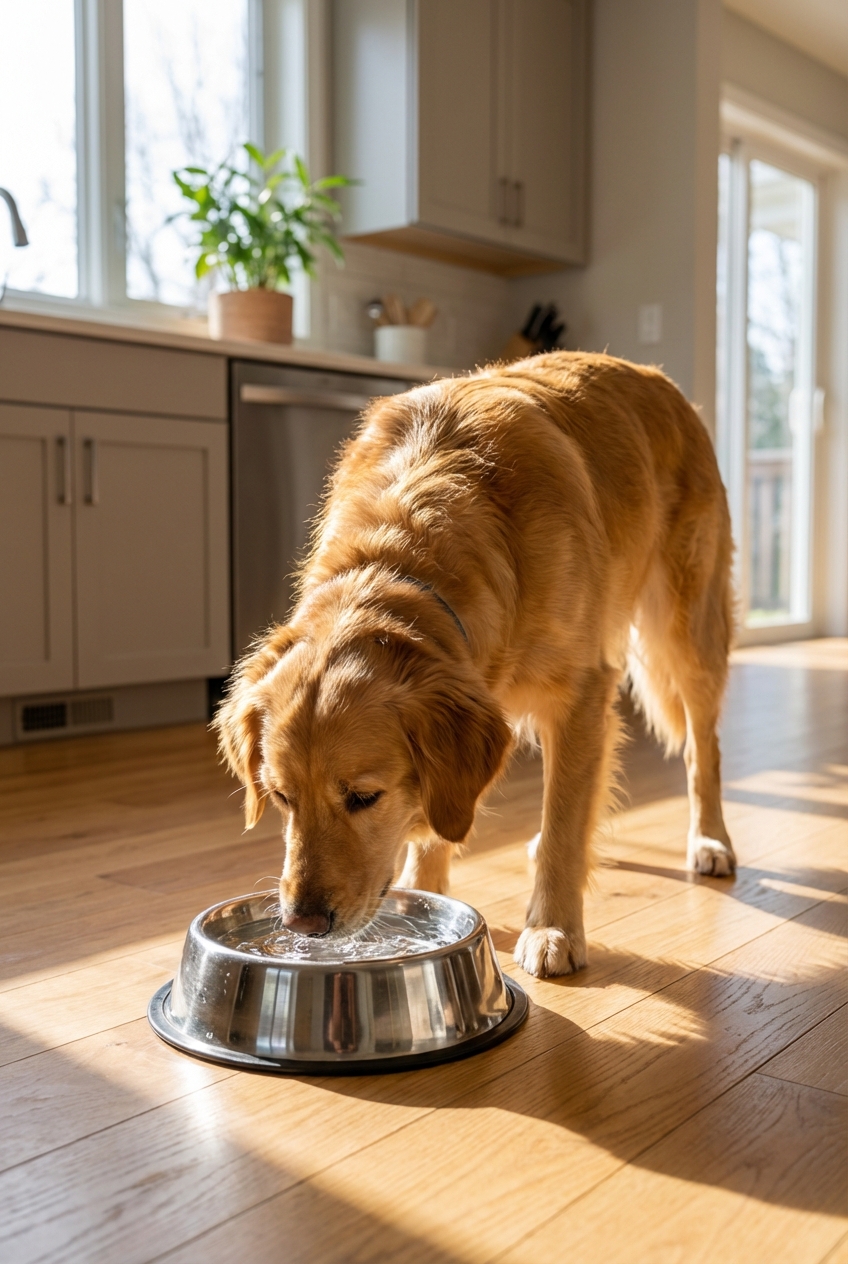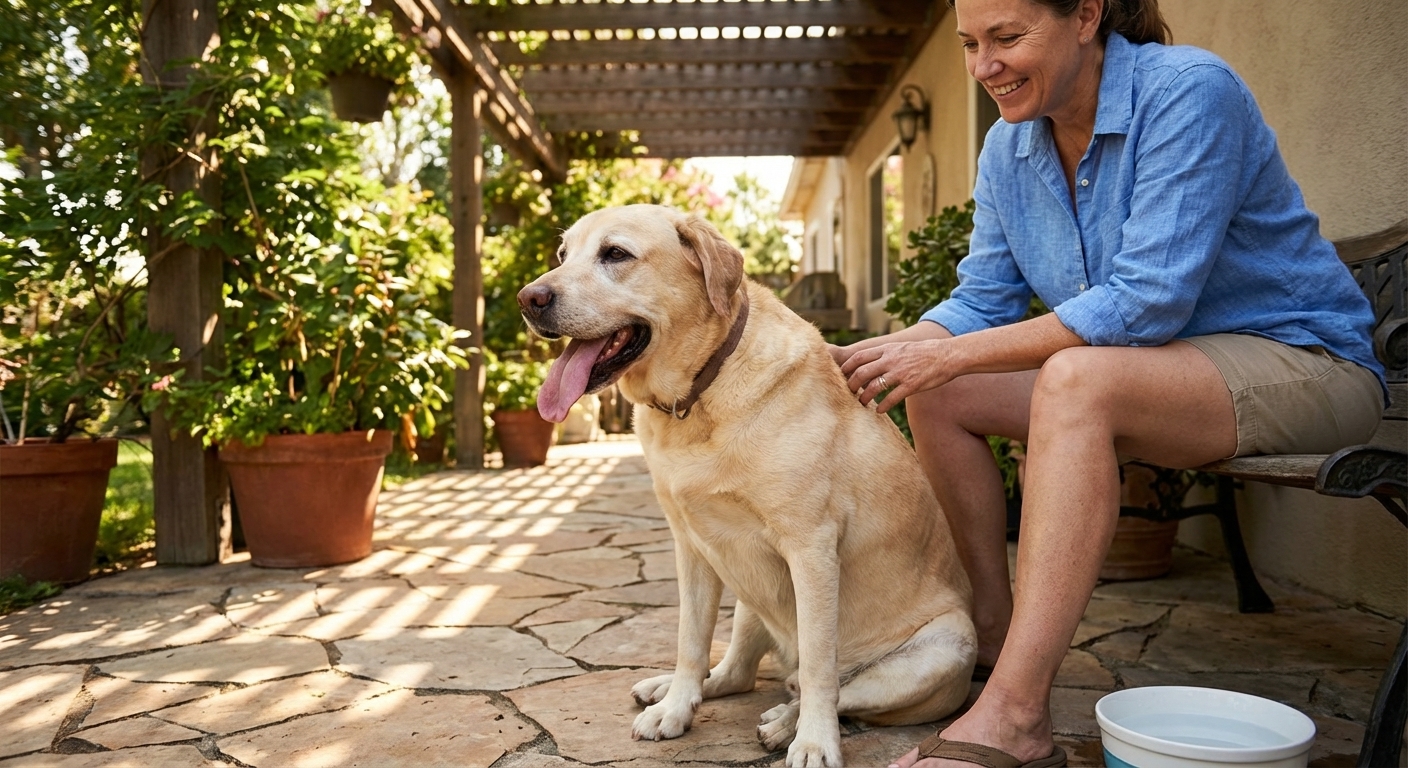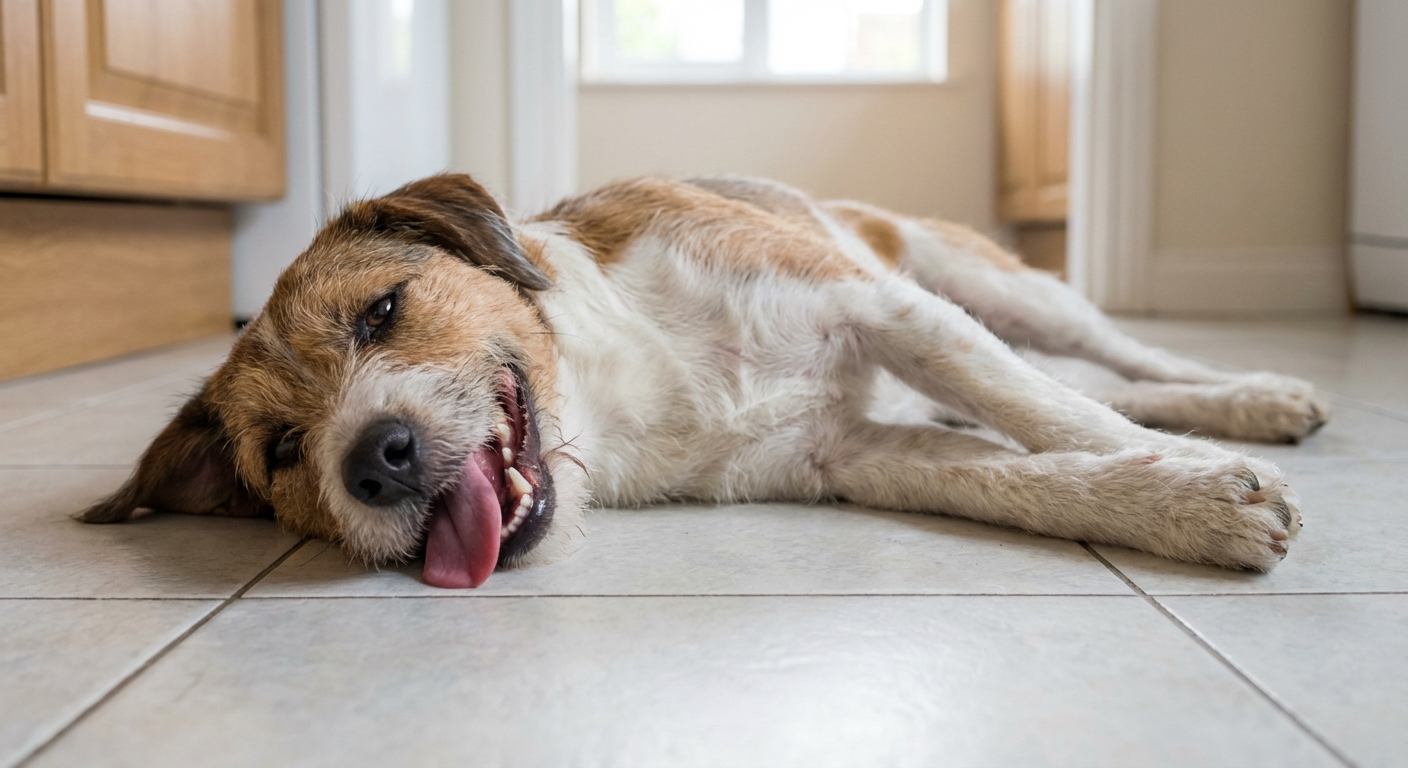
Heavy panting can be normal after play—or a warning sign. Learn common causes, how to spot respiratory distress and heatstroke, a 60-second home check, and...
Article
•
Designer Mixes
How to Tell If Your Dog Is Overheated

Shari Shidate
Designer Mixes contributor
As a veterinary assistant here in Frisco, Texas, I see heat-related emergencies every year, and they can move from “a little too warm” to life-threatening fast. The good news is that you can learn the early signs, know what to do in the moment, and prevent overheating before it starts.
Important note: If you think your dog may be in heatstroke, treat it like an emergency. Start cooling right away and contact your veterinarian or an emergency clinic while you cool your dog.
Quick disclaimer: This article is general education and is not a substitute for veterinary care. If you are worried, call a clinic.
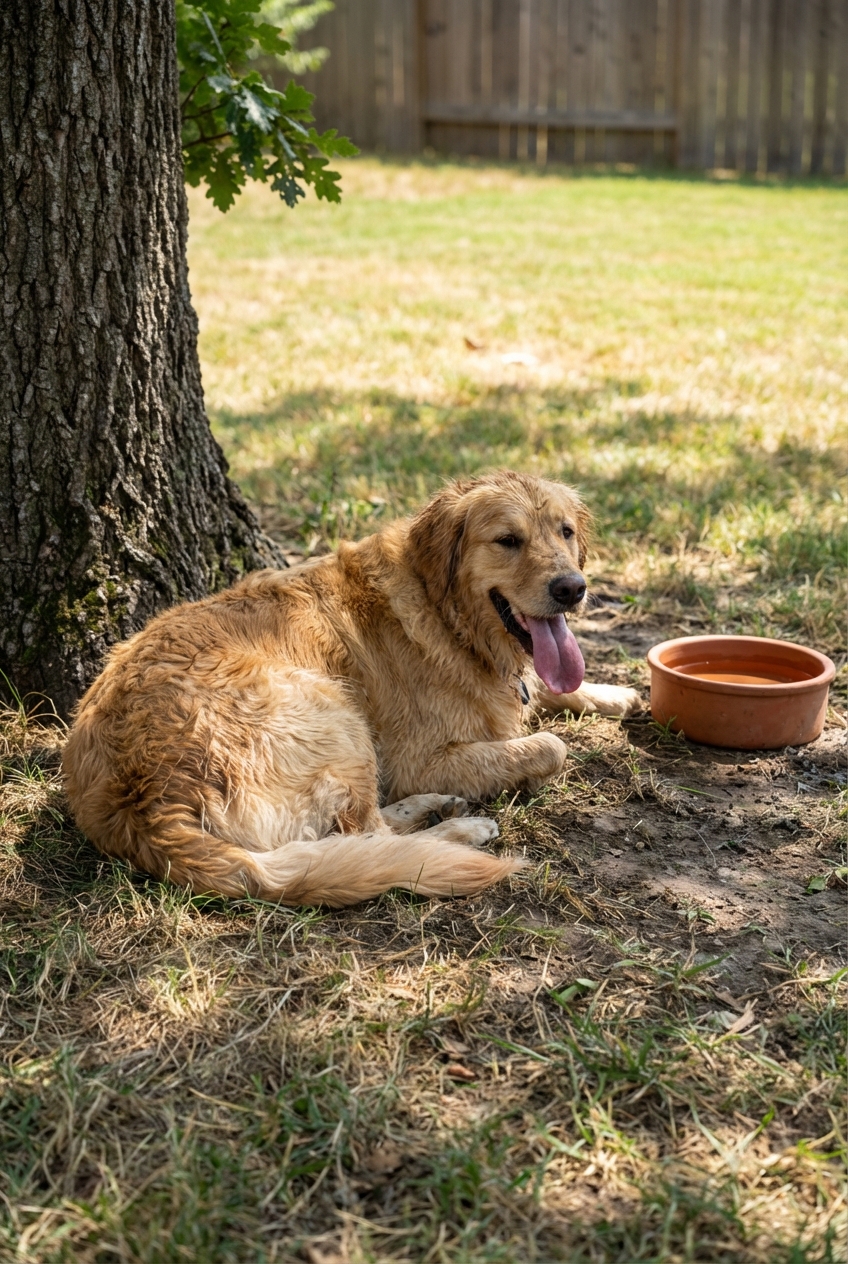
Overheated vs. heatstroke
Dogs do not sweat like we do. They release heat mainly through panting, with a smaller amount of heat loss through their paw pads and other less-furry areas. When the environment is hot, humid, or there is not enough airflow, that cooling system can fail.
- Overheated (heat stress): Your dog is struggling to cool down but may still recover quickly with rest, shade, water, and active cooling.
- Heatstroke: Your dog’s body temperature rises to dangerous levels and can start damaging organs. This can become fatal without urgent care.
Because it is hard to tell exactly where the line is at home, I recommend treating any moderate to severe signs as an emergency.
Early warning signs to watch for
These are the signs I want every dog parent to recognize early, before things spiral.
Breathing changes
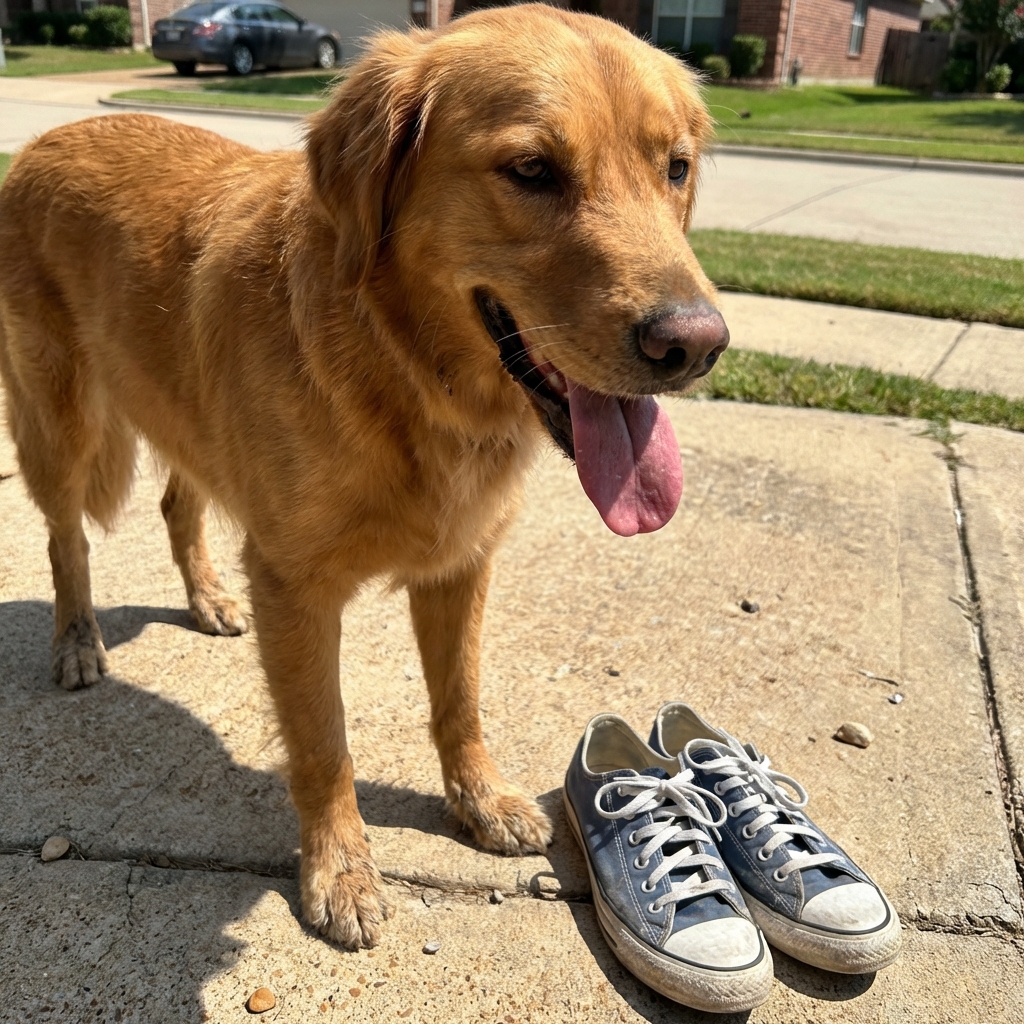
- Heavy, fast panting that does not slow down after a few minutes of rest
- Noisy breathing or increased effort to breathe
- Tongue extended far out, frantic panting
Drooling and gum changes
- Thick, ropey drool
- Gums that look bright red early on
- Gums that turn pale, gray, or bluish later on (very serious)
Behavior and movement
- Restlessness, agitation, or anxiety
- Seeking cool surfaces, trying to lie down repeatedly
- Weakness, wobbliness, or acting “drunk”
- Reluctance to keep walking on a warm day
GI upset
- Vomiting or diarrhea
- Drooling plus nausea signs like lip smacking
If your dog shows these signs, stop all activity and begin cooling right away.
Red-flag symptoms that mean emergency
If you see any of the symptoms below, assume heatstroke and get veterinary help immediately.
- Collapse or inability to stand
- Seizures or tremors
- Confusion, glassy eyes, unresponsiveness
- Vomiting repeatedly or vomiting blood
- Diarrhea with blood or tarry stool
- Very rapid heart rate
- Gums that are pale, blue, or gray
Do not “wait and see.” Heatstroke can lead to dangerous clotting issues and organ damage even after your dog seems to improve.
Extra caution for flat-faced dogs: French Bulldogs, Pugs, Boston Terriers, Boxers, and other short-muzzled mixes can deteriorate faster because their airways already work harder. If you have one of these dogs, seek care sooner rather than later.
How to check your dog fast
Do a 10-second head-to-toe check
- Breathing: Is panting intense and not easing with rest?
- Gums: Lift the lip. Are the gums bright red, very pale, or bluish?
- Energy: Is your dog alert or weak and wobbly?
- Drool: Is saliva thick and sticky?
If you have a rectal thermometer
A dog’s normal temperature is often around 100 to 102.5°F. Many vets consider 104°F or higher a major concern, and 106°F or higher a critical emergency.
If your dog is severely distressed, do not delay cooling just to get a number. Start cooling and call your clinic.
Tip if you are actively cooling with a thermometer: Once your dog’s temperature drops to about 103°F, you can slow or stop active cooling to reduce the risk of overcooling. Keep heading to the vet, because internal temperature can rebound and complications can show up later.
What to do right away
Here is a calm, practical plan you can follow.
Step 1: Stop activity and move to a cooler area
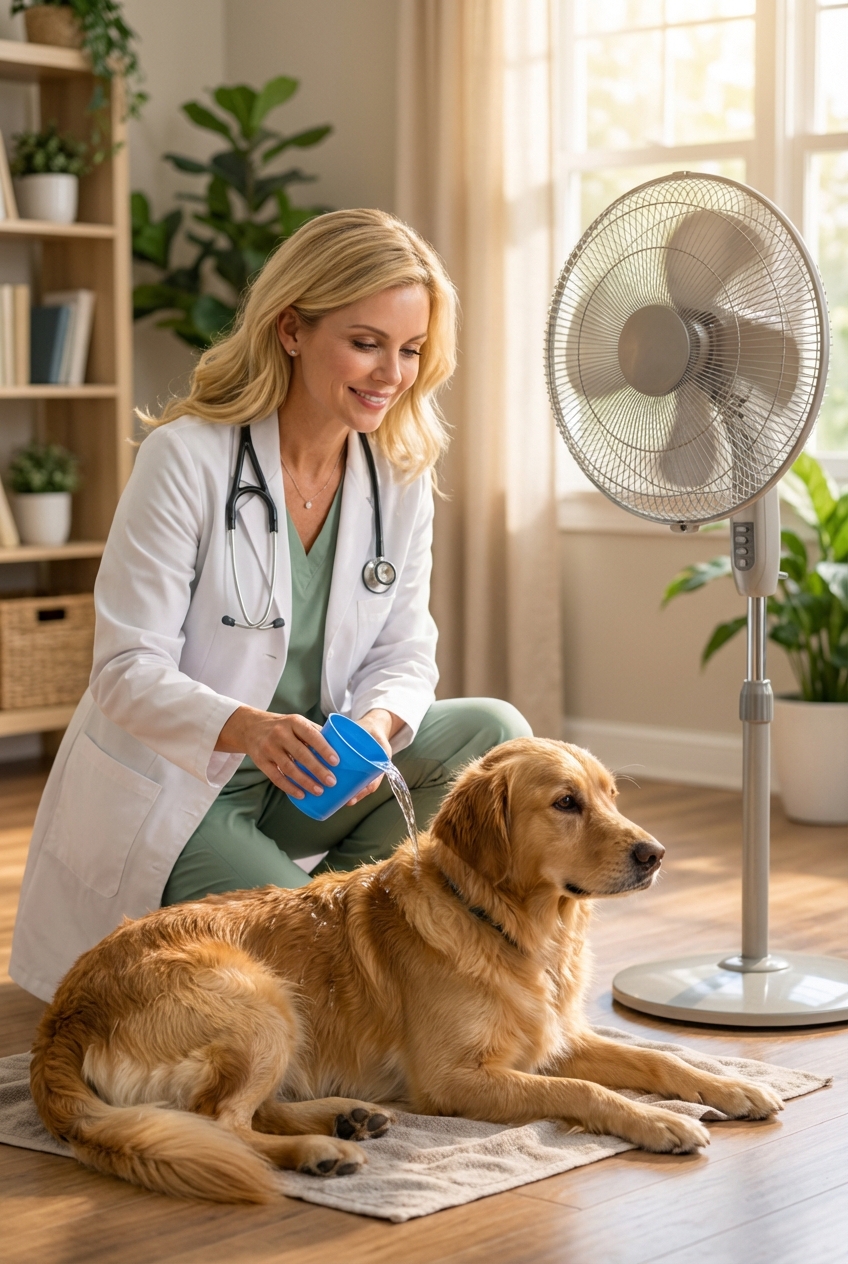
- Get into shade, air conditioning, or in front of a fan
- Remove any gear that holds heat like tight harnesses, especially on short-muzzled dogs
Step 2: Start active cooling
Active cooling means using cool water plus airflow to pull heat off the body quickly.
- Use cool to tepid (not ice-cold) water on the body, especially belly, chest, armpits, and paws
- Use wet towels and re-wet them often so they stay cool
- Fan your dog to increase evaporation
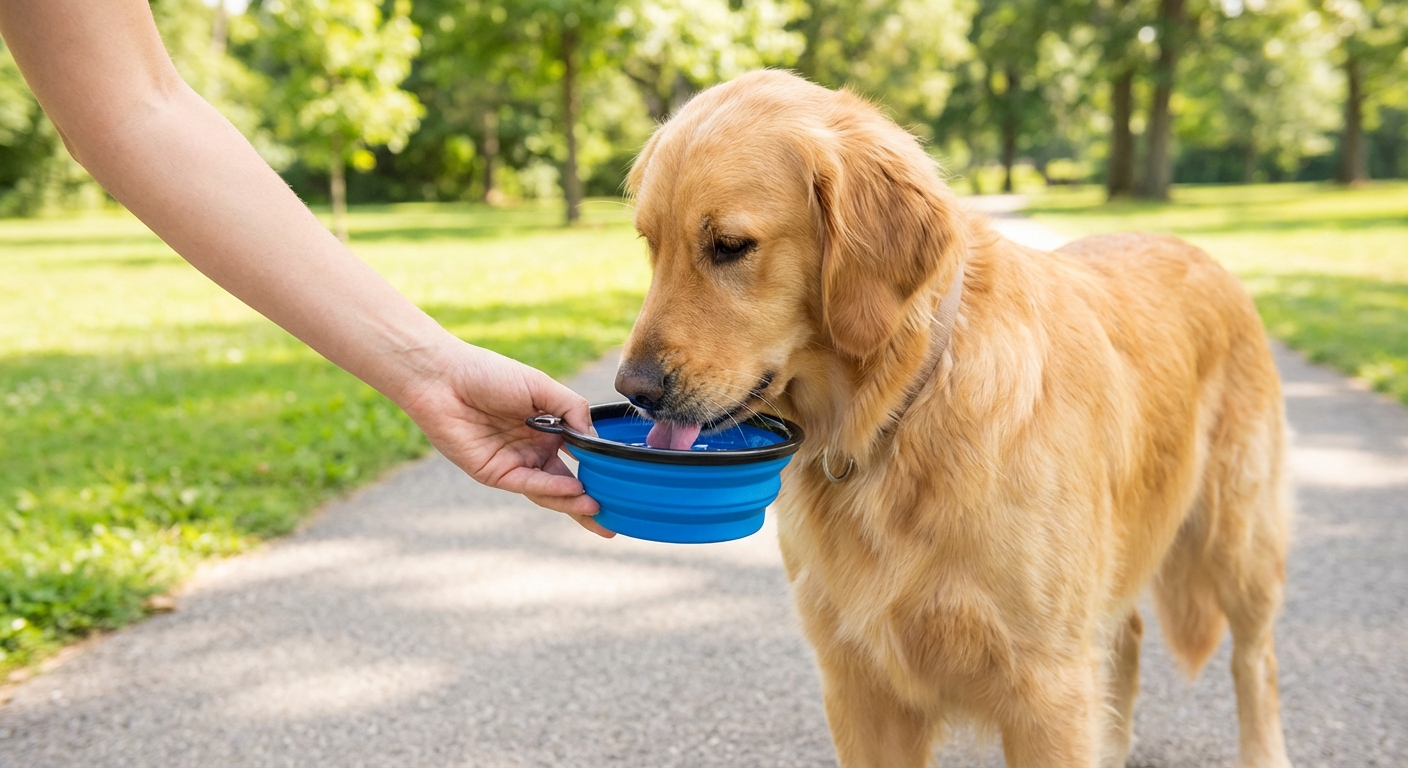
Step 3: Offer small amounts of water
- Let your dog drink small sips
- Do not force water into the mouth
Step 4: Call your veterinarian or emergency clinic
Call now and keep cooling. If you are told to come in, continue cooling while you travel.
Skip ice baths at home. For most situations, icy immersion is risky and can make cooling less effective by constricting blood vessels. Cool or tepid water plus airflow is usually safer and more effective while you are getting veterinary guidance.
On the way to the vet
If you are traveling to a clinic, these small choices can really help.
- Keep the car cool with AC and good airflow
- Continue evaporative cooling: dampen the coat (especially belly and chest) and keep air moving
- Do not wrap your dog tightly in towels or blankets, which can trap heat
- If your dog will tolerate it, a cool wet towel under the body is fine, just keep air moving
- Bring a quick timeline: when signs started, what you did, any vomiting or collapse, and any temperature reading
What not to do
- Do not leave your dog in a parked car, even with windows cracked. Temperatures rise fast.
- Do not use ice water or fully submerge a struggling dog in icy water.
- Do not push exercise because your dog “usually can handle it.” Heat tolerance changes with humidity, age, weight, and health.
- Do not muzzle a heavily panting dog unless a veterinary professional instructs you, because panting is vital for cooling.
Dogs at higher risk
Any dog can overheat, but some need extra caution:
- Flat-faced breeds (French Bulldogs, Pugs, Boston Terriers, Boxers) and mixes with short muzzles
- Double-coated dogs (Huskies, Malamutes, Chow Chows) and thick-coated mixes
- Puppies and seniors
- Overweight dogs
- Dogs with heart or lung disease
- Dogs not acclimated to heat, including newly adopted dogs and dogs traveling from cooler climates
If your dog falls into one of these groups, plan outdoor time like you would for a toddler on a hot day: shorter, slower, and with lots of shade and breaks.
Common heat traps
Humidity
Humidity makes panting less effective. A “not that hot” 85°F day can still be dangerous if the air is heavy.
Hot pavement
Sidewalks and asphalt can burn paw pads and also heat the body from below. A common safety check is the “hand test.” If you cannot comfortably hold your hand on the pavement for about 7 seconds, it is too hot for most dogs.
Still air
No breeze means less cooling. Dogs can overheat faster in backyards, patios, and enclosed dog runs even if there is shade.
Water play can be misleading
Some dogs overdo it while playing fetch in water. They still can overheat, especially if they are constantly running and retrieving.
Prevention that works
- Walk early or late: Aim for mornings and evenings during hot months.
- Shorten the route: Heat safety is about intensity and duration.
- Bring water: A small squeeze bottle and collapsible bowl are simple and effective.
- Use shade breaks: Stop every few minutes when it is warm.
- Choose grass over pavement: Cooler surfaces help.
- Groom wisely: Regular brushing improves airflow through the coat. Avoid shaving double-coated breeds unless your vet or groomer recommends it for a medical reason.
- Never leave dogs outdoors without escape from heat: Shade alone may not be enough without ventilation and cool water.
If you have a dog who loves being outside, set them up for success with a fan on a covered patio, a kiddie pool for supervised splashing, and plenty of fresh water.
When to see a vet
Call your veterinarian the same day if your dog had more than mild panting, or if you saw vomiting, diarrhea, weakness, or disorientation. Veterinary teams can check for dehydration, overheating complications, and ongoing temperature issues.
Seek urgent care immediately if symptoms were severe or if your dog does not return to normal within 30 to 60 minutes after cooling. Even if your dog seems better, heat illness can have delayed effects, so it is always worth getting guidance.
Quick checklist
- Stop activity
- Move to shade or AC
- Active cooling: cool water on belly, chest, paws
- Fan for airflow
- Offer small sips of water
- Call vet or emergency clinic
- Keep cooling while you travel, unless told otherwise
You do not need to be perfect. You just need to act fast and stay calm. In heat cases, minutes matter.