
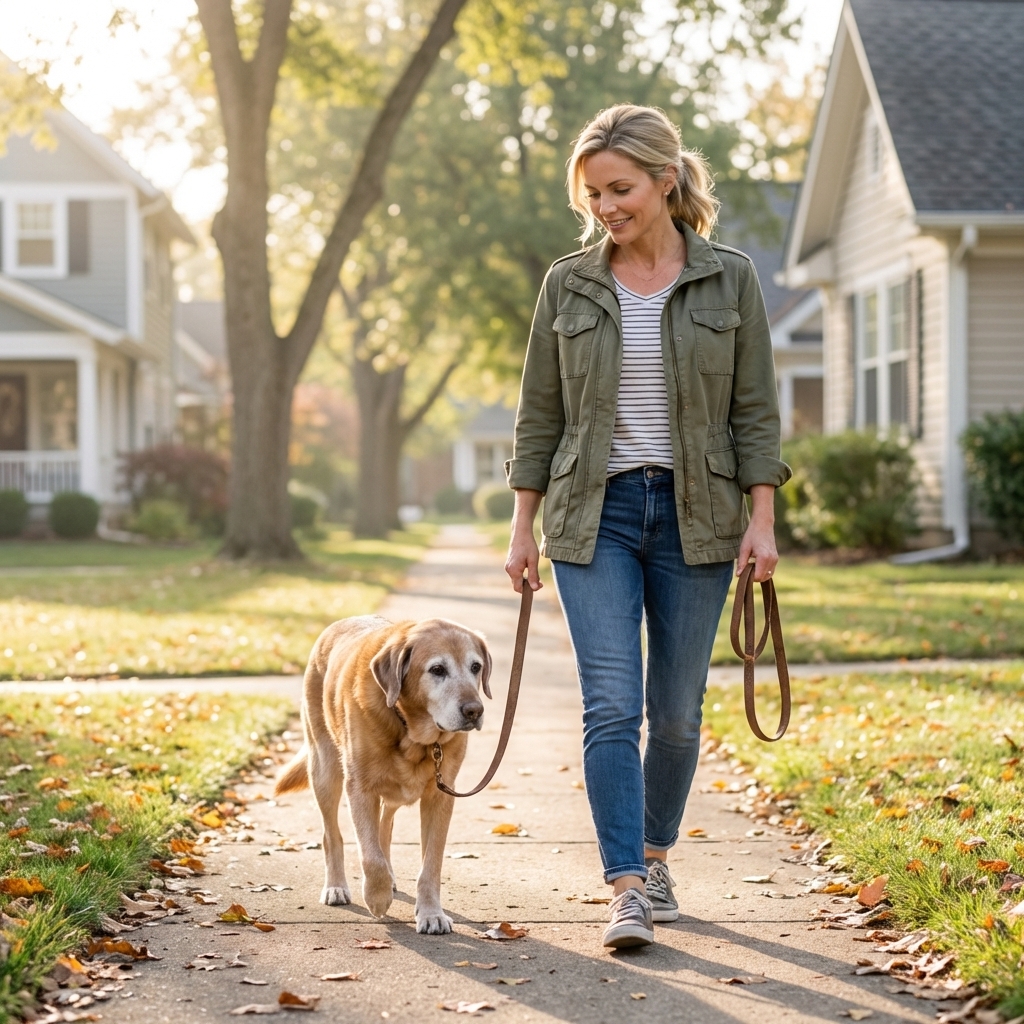
A practical, vet-informed guide to dog arthritis care: recognize signs, confirm diagnosis, improve traction and comfort at home, use joint supplements, and k...
Article
•
Designer Mixes
How to Tell If Your Dog Is in Pain

Shari Shidate
Designer Mixes contributor
Many dogs are surprisingly good at hiding pain. In the veterinary clinic, I have seen sweet, tail-wagging pups who still had a painful ear infection, sore teeth, or arthritis that made every step feel harder than it should. At the same time, some dogs are very vocal about discomfort. The good news is that most dogs do show us clues. We just have to know what to look for.
This guide walks you through vet-informed signs of pain, simple at-home checks, and what you can do today to help your dog feel better.
Quick note: This article is educational and not a substitute for a veterinary exam or diagnosis. If you are worried, call your veterinarian.
Quick signs your dog may be in pain
If you notice any of the changes below, it is worth paying closer attention and calling your veterinarian for guidance.
- Behavior changes: more clingy, hiding, avoiding touch, or seeming “off”
- Reduced activity: less interest in walks, play, or jumping on the couch
- Changes in appetite: eating less, dropping food, or suddenly not wanting treats
- Changes in drinking: not always pain-specific, but can be a red flag for illness, fever, nausea, or other problems that need a vet check
- Posture changes: hunched back, tucked abdomen, head held low, or a “praying position”
- Limping or stiffness: especially after rest or first thing in the morning
- Excess licking or chewing: paws, hips, belly, or a specific spot
- Vocalizing: whining, yelping, growling when touched, or unusual panting
- Sleep changes: restlessness, pacing, difficulty getting comfortable
One important note: panting is not always “just heat.” Dogs may pant when they hurt, feel nauseated, are anxious, or are running a fever. Look at the whole picture.
Body language: subtle pain signals
Veterinarians and vet teams watch body language closely because dogs often communicate discomfort without making a sound.
Face and head
- Squinting or holding one eye partially closed
- Furrowed brow or a tense “worried” expression
- Ears pinned back or held unusually stiff
- Head shy behavior when you reach toward the face (common with ear, eye, or dental pain)
Whole body
- Tense muscles or a “tight” belly
- Weight shifting off a limb, or standing with an odd stance
- Tail changes: tucked, low, or held stiffly (often uncomfortable, not just “sad”)
- Guarding: turning the head toward your hand, moving away, lip lifting, or growling when a sore spot is approached
Trust pattern changes. If your dog is normally social and suddenly does not want to be touched, that is information.

Pain can look like other problems
Many pain signs overlap with anxiety or general illness. Panting, pacing, hiding, appetite changes, and “acting weird” can have multiple causes. You do not have to figure it out alone. If the change is sudden, persistent, or worsening, call your veterinarian even if you do not see a limp.
Common pain situations
Arthritis or joint pain
- Slow to get up after naps
- Reluctant to do stairs, jump into the car, or hop onto furniture
- Limping that improves a little after warming up
- Less interest in longer walks
Dental pain
- Bad breath, drooling, or pawing at the mouth
- Chewing on one side
- Dropping kibble, eating slower, or refusing hard treats
- Head shy behavior, especially around the muzzle
Ear pain
- Head shaking, scratching, or rubbing the ear on the floor
- Ear held down or a head tilt
- Odor, redness, or discharge
Back or neck pain
- Stiff posture, reluctance to turn the head, or holding the head low
- Yelping when picked up or when jumping on and off furniture
- Shivering or trembling that does not match the temperature
- Reluctance to go for walks, especially if the leash or collar seems to bother them
Urinary pain
- Straining to pee or producing only small amounts
- Frequent trips outside with little urine
- Licking at the genital area
- Accidents in a previously house-trained dog
Stomach or abdominal pain
- Restlessness, pacing, inability to get comfortable
- Hunched posture or a “praying position” (this can be a sign of abdominal discomfort, especially when paired with other symptoms)
- Vomiting, diarrhea, or loss of appetite
- Guarding the belly
Skin pain or hot spots
- Sudden intense licking or chewing
- Moist, red patches of skin, hair loss, scabs
- Yelping when the area is touched
Eye pain
- Squinting, tearing, redness, or swelling
- Pawing at the eye or rubbing the face on the floor
- Cloudiness or sudden sensitivity to light
A simple at-home check
You do not need to “press hard” or try to find the exact spot. The goal is to notice changes and help your veterinarian with clear observations.
Step 1: Watch first
- Observe your dog walking on a flat surface.
- Notice sitting, standing, and lying down transitions.
- Look for head bobbing, limping, or hesitation.
Step 2: Gentle hands-on scan
- Start at the head and move slowly toward the tail.
- Use light pressure. Stop if your dog flinches, pulls away, stiffens, or growls.
- Compare left to right. Warmth, swelling, or sensitivity on one side matters.
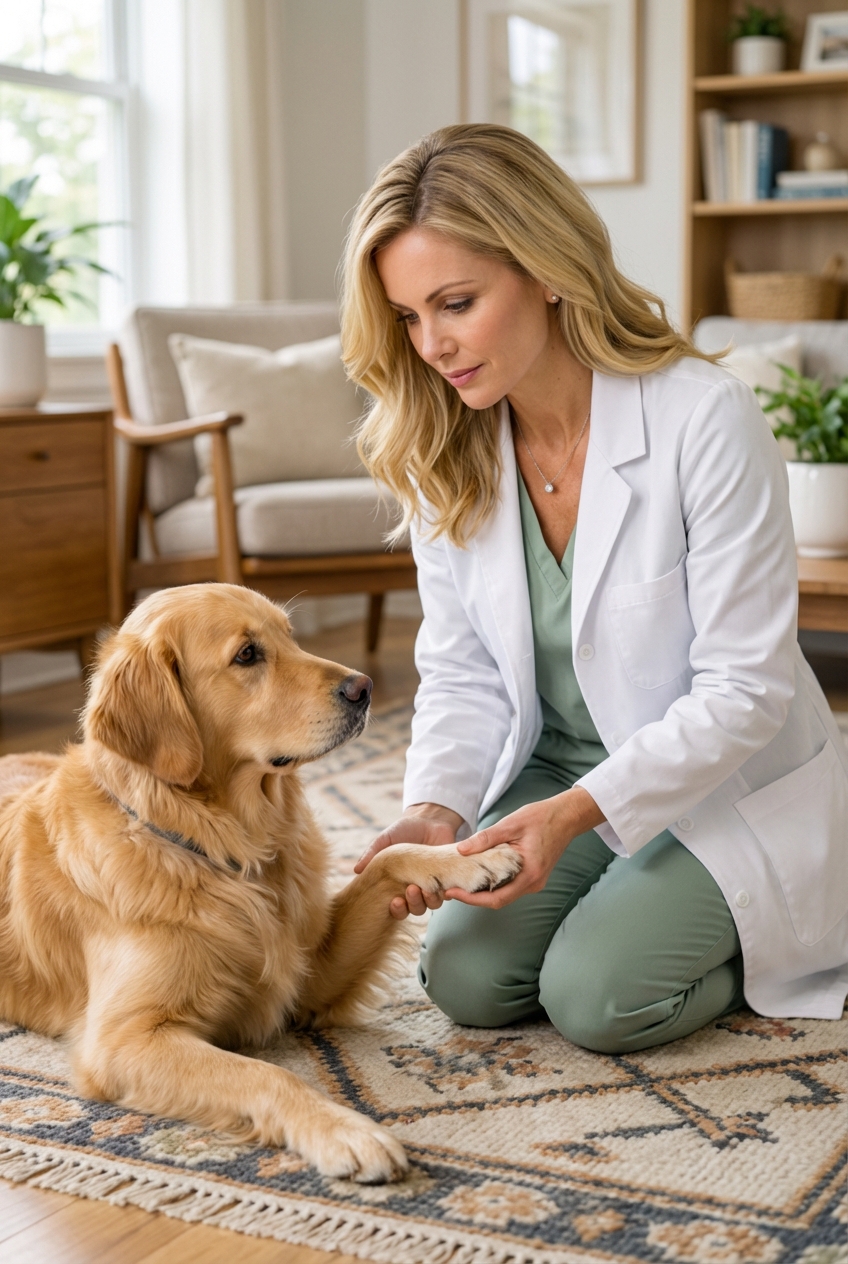
Step 3: Check paws and nails
- Look between toes for debris, redness, or broken nails.
- Smell can offer clues. Yeasty or infected paws may have a distinct odor, but odor alone is not a diagnosis.
Pro tip: Take a 10-second video of your dog walking, sitting, and standing. Videos are incredibly helpful for your vet, especially if your dog “acts normal” at the clinic.

When pain is an emergency
Some pain needs urgent care. If you see any of the following, contact an emergency veterinary hospital immediately.
- Difficulty breathing or blue, pale, or gray gums
- Bloated, hard abdomen, repeated unproductive retching, or sudden collapse (these can be signs of bloat, also called GDV)
- Unable to stand, dragging legs, or sudden severe weakness
- Uncontrolled bleeding or a suspected broken bone
- Seizures or severe disorientation
- Extreme pain with crying, aggression, or inability to settle
- Eye injury or sudden squinting with swelling or discharge
- Hit by car or major trauma, even if they seem okay initially
- Straining to urinate with little or no urine, especially in male dogs
If you are unsure, call. Veterinary teams would much rather talk you through it than have you wait and worry.
Care tips you can do today
1) Create a comfort station
- Use a supportive bed on a non-slip surface.
- Keep water nearby to reduce up and down trips.
- Block stairs if your dog is unstable or limping.
2) Reduce strain on joints
- Use rugs or yoga mats for traction.
- Try shorter, slower leash walks instead of one long walk.
- Consider a harness for better control and support.
3) Use cold or heat safely
- Cold pack: can help within the first 24 to 48 hours of a new injury or swelling. Wrap it in a towel and apply for about 10 to 15 minutes at a time. Always supervise and stop if your dog seems uncomfortable.
- Warm compress: can help chronic stiffness. It should feel warm, not hot. Use a barrier (like a towel) and limit sessions to about 10 to 15 minutes.
4) Track symptoms
Write down:
- When it started and what changed
- Eating, drinking, and bathroom habits
- Any vomiting, diarrhea, coughing, or licking
- Whether signs seem worse at night, in the morning, or after exercise
5) Do not give human pain medications
This is one of the most important safety points. Many over-the-counter human pain relievers are toxic to dogs or can cause serious stomach ulcers, kidney injury, or worse. Only give medications prescribed or approved by your veterinarian for your specific dog.
What your vet may recommend
Pain is not one-size-fits-all. Your veterinarian may suggest a plan that includes:
- Exam and diagnostics like X-rays, bloodwork, or an orthopedic evaluation
- Prescription pain relief tailored to your dog’s age, weight, and medical history
- Dental care if oral pain is suspected
- Physical rehab, laser therapy, or acupuncture for chronic pain cases
- Weight management because extra weight can worsen joint pain, and even modest weight loss may improve comfort and mobility
- Nutrition and supplements when appropriate, especially for arthritis support
If your dog has chronic pain, ask your vet about a long-term plan with regular check-ins. Pain management often works best when we combine approaches rather than relying on a single tool.
Help your dog feel safe
Pain can make even the gentlest dog grumpy. That is not “bad behavior,” it is self-protection. Give your dog space, keep kids from climbing on them, and move slowly when handling sore areas.
If your dog is snapping or growling, call your vet before trying to inspect the painful spot again. Your clinic can guide you on the safest next step.
Bottom line
You know your dog best. If something feels different, trust that instinct and investigate early. Catching pain sooner usually means a faster recovery, fewer complications, and a happier pup.
If you want, tell your veterinarian exactly what you are seeing, and bring a short video. Those small details can make a big difference in getting the right diagnosis and relief.