Worms are common and treatable. Learn the vet-approved plan: fecal testing, targeted dewormers, repeat doses, treating other pets, flea control, cleanup, and...
Article
•
Designer Mixes
How to Tell if Your Dog Has Worms

Shari Shidate
Designer Mixes contributor
As a veterinary assistant here in Frisco, Texas, I can tell you this: intestinal parasites are common, and they are not a sign you have done anything “wrong.” Dogs pick up parasites from contaminated soil, poop (stool), shared outdoor spaces, hunting rodents, fleas, and even from mom to puppies. Some parasites are true worms, and others (like Giardia or coccidia) are protozoa, but the signs at home can look very similar.
The key is knowing what to look for and when to loop your veterinarian in. The sooner you treat parasites, the sooner your dog feels like their normal self again, and the lower the risk of spread to other pets and people.

Common signs your dog might have worms
Some dogs show obvious symptoms, while others act totally normal. That is why routine fecal testing and prevention matter so much.
Signs you may notice at home
- Diarrhea (sometimes with mucus)
- Vomiting (occasionally you may see worms in the vomit)
- Soft stool or accidents in a previously house-trained dog
- Weight loss or trouble gaining weight, even with a good appetite
- Pot-bellied look, especially in puppies
- Dull coat or generally “run down” appearance
- Excessive scooting or licking the rear end
- Visible segments or worms near the anus, on bedding, or in stool
If your dog has bloody diarrhea, repeated vomiting, collapse, severe lethargy (especially in puppies), pale gums, or trouble breathing, treat that as urgent and contact a veterinarian or emergency clinic.
What worms can look like
Not all parasites are visible to the naked eye. In fact, many are diagnosed by microscope testing. Still, a few have a classic look at home.
Tapeworms
Tapeworm segments often look like small grains of rice or sesame seeds around the anus, on bedding, or in poop (stool). Seeing “rice” is a strong clue for tapeworm segments. Dogs commonly get tapeworms by swallowing an infected flea. If you see segments, plan on addressing both the worms and flea control.
Roundworms
Roundworms can look like spaghetti strands in vomit or stool. Puppies are especially prone due to transmission from their mother.
Hookworms and whipworms
These are usually not visible in stool. They are typically diagnosed by fecal testing. Hookworms can cause anemia, especially in puppies.
Heartworms (not intestinal worms)
Heartworms live in the heart and pulmonary vessels, not the intestines. You typically do not see them in stool. Heartworm disease can cause coughing, exercise intolerance, and fatigue, and it is preventable with monthly medication prescribed by your veterinarian.
How dogs get worms
Understanding transmission helps you prevent repeat infections.
- Fecal-oral exposure: sniffing or licking contaminated ground, poop, or paws
- Fleas: a common pathway for tapeworms
- Prey animals: hunting or scavenging rodents and rabbits
- Mother to puppies: roundworms and hookworms can pass during pregnancy or nursing
- Dog parks and shared spaces: higher exposure risk if many dogs use the area
- Standing water and puddles: more often linked to protozoal parasites like Giardia than to true worms
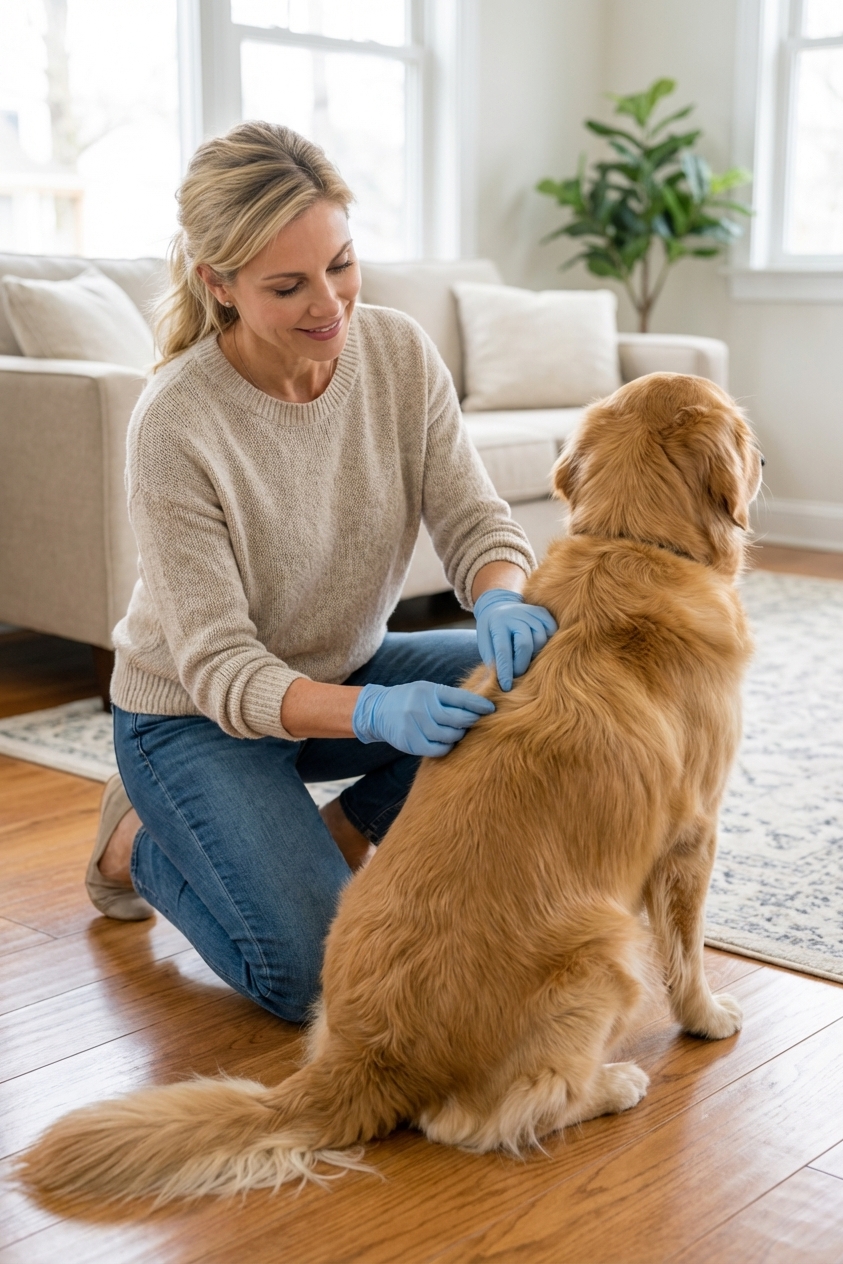
At-home check: simple steps
You do not need fancy tools. A calm, consistent check goes a long way.
1) Look at stool and under the tail
- Check for “rice-like” tapeworm segments.
- Note stool consistency, color, and any mucus or blood.
2) Watch appetite, weight, and energy
- Take note if your dog is suddenly hungrier than usual, losing weight, or acting tired.
- Puppies that stay pot-bellied despite deworming schedules deserve a recheck.
3) Check gums for paleness
Pale gums can be a sign of anemia, which can occur with hookworms. If gums look pale or your dog is weak, call your vet promptly.
4) Check rear-end behavior
Scooting is not always worms. It can also be allergies, anal gland issues, or irritation. Still, it is worth investigating, especially if you also see soft stool.
When to call the vet
If you suspect worms or another intestinal parasite, a veterinarian visit is the fastest path to the right treatment. Many dewormers are specific to certain parasites, and guessing can delay relief.
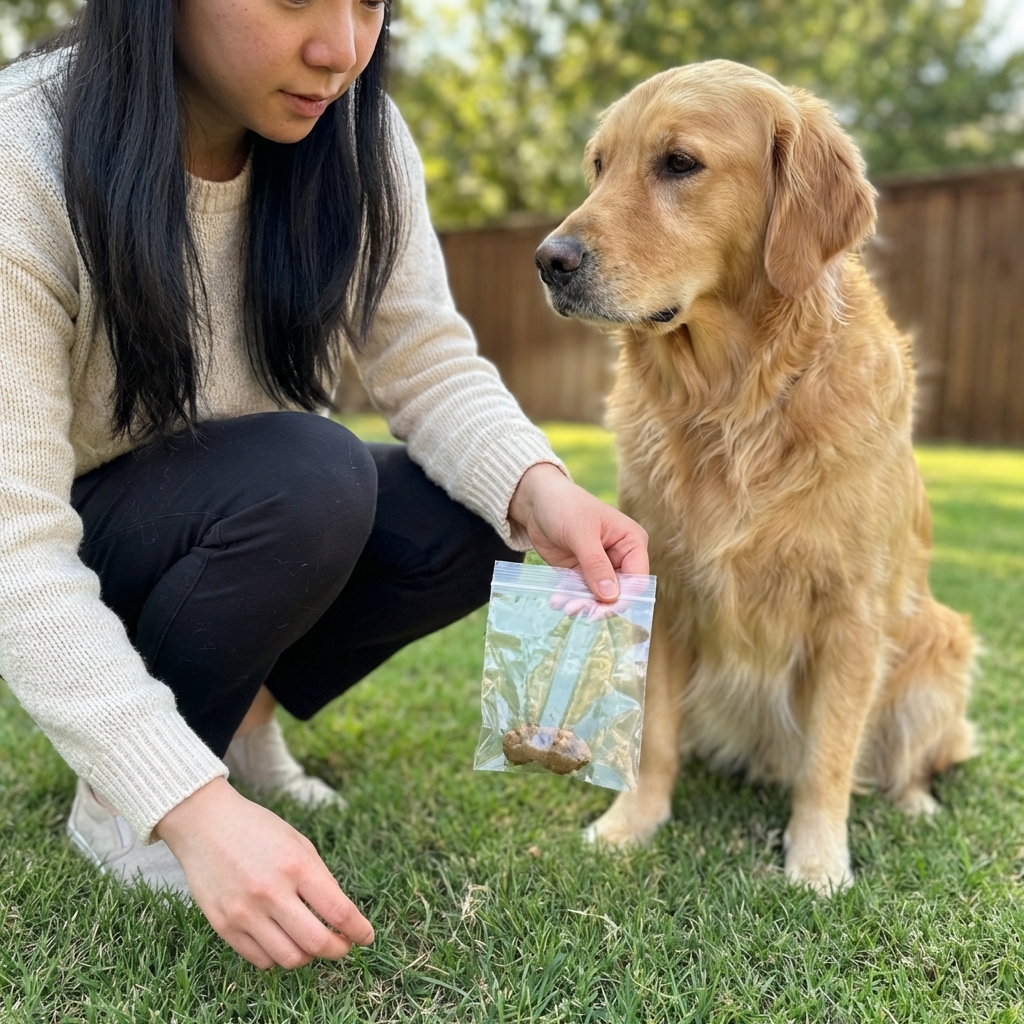
Bring a fresh stool sample
- Collect a sample that is fresh (same day is best).
- Keep it in a sealed bag or container.
- If you cannot get a fresh sample, call and ask your clinic what they prefer.
Expect testing and tailored treatment
Clinics commonly run a fecal flotation (microscope exam) and may use antigen tests for certain parasites such as Giardia. Testing options vary by clinic and by your dog’s symptoms.
Please do not use random leftover medications or internet “dewormers”. Some products are ineffective, and some can be unsafe for certain ages, weights, or breeds. Also, many over-the-counter dewormers do not cover tapeworms. Tapeworm treatment often requires specific medication (commonly praziquantel), along with flea control.
Puppies, seniors, and pregnant dogs
These groups deserve extra caution.
- Puppies: often dewormed on a schedule because they are high risk even without symptoms.
- Seniors or dogs with chronic illness: dehydration and weight loss can hit harder, faster.
- Pregnant or nursing dogs: deworming choices matter. Your veterinarian can pick the safest option.

Can people catch worms?
Some parasites are zoonotic, meaning they can affect humans. Roundworms and hookworms are the most common concern. People are more likely to be exposed through contaminated soil or sand (think yards, playgrounds, and gardens), and children are at higher risk because they play on the ground and may put hands in their mouths.
Simple ways to protect your household
- Pick up poop promptly in the yard and on walks.
- Wash hands after handling poop, gardening, or playing outdoors.
- Keep kids from playing in areas where dogs frequently potty.
- Use consistent flea prevention (important for tapeworm control).
- Follow your veterinarian’s parasite prevention plan year-round.
Prevention that works
The most “loving” approach is a routine that is easy to stick with.
- Year-round parasite prevention: many monthly preventatives cover multiple intestinal worms, and some also cover heartworms.
- Fecal testing: at least once a year for many adult dogs, more often for puppies and high-exposure dogs.
- Flea control: essential for preventing tapeworms.
- Clean routines: scoop daily, rinse paws after muddy dog-park days, and wash bedding regularly.
- Household pets: cats and other dogs can share some parasites and fleas. Ask your vet whether other pets should be tested or treated, especially if anyone has symptoms or is not on prevention.
If your dog has worms, you are not behind. You are paying attention, and that is what good pet parents do. With the right diagnosis and treatment, most dogs bounce back quickly.
Quick FAQ
Can a dog have worms with normal poop?
Yes. Some dogs have minimal symptoms. That is why fecal tests are so valuable.
How fast do dewormers work?
Many dogs improve within a few days, but full clearance can take longer and may require repeat doses. Your veterinarian will guide timing and rechecks.
Do I need to treat all pets in the home?
Sometimes, yes. This depends on the parasite, exposure risk, and whether other pets are on preventatives. Ask your vet what is best for your household.