Worms are common and treatable. Learn the vet-approved plan: fecal testing, targeted dewormers, repeat doses, treating other pets, flea control, cleanup, and...
Article
•
Designer Mixes
How to Tell If Your Dog Has Worms

Shari Shidate
Designer Mixes contributor
As a veterinary assistant here in Frisco, Texas, I can tell you this with confidence: worms are common, treatable, and often sneaky. Some dogs have obvious symptoms, but many look totally normal while intestinal parasites irritate the gut, steal nutrients, and sometimes spread to other pets or even people.
This overview will help you recognize the most likely signs, understand which worms cause which symptoms, and know when to call your veterinarian. This article is educational and not a substitute for a veterinary exam or diagnosis.
Common worms in dogs
When most people say “worms,” they usually mean intestinal parasites. The most common ones include:
- Roundworms: very common in puppies and can be passed from mom to pup.
- Hookworms: can cause blood loss and are especially risky for puppies.
- Whipworms: live in the large intestine and can cause ongoing digestive issues.
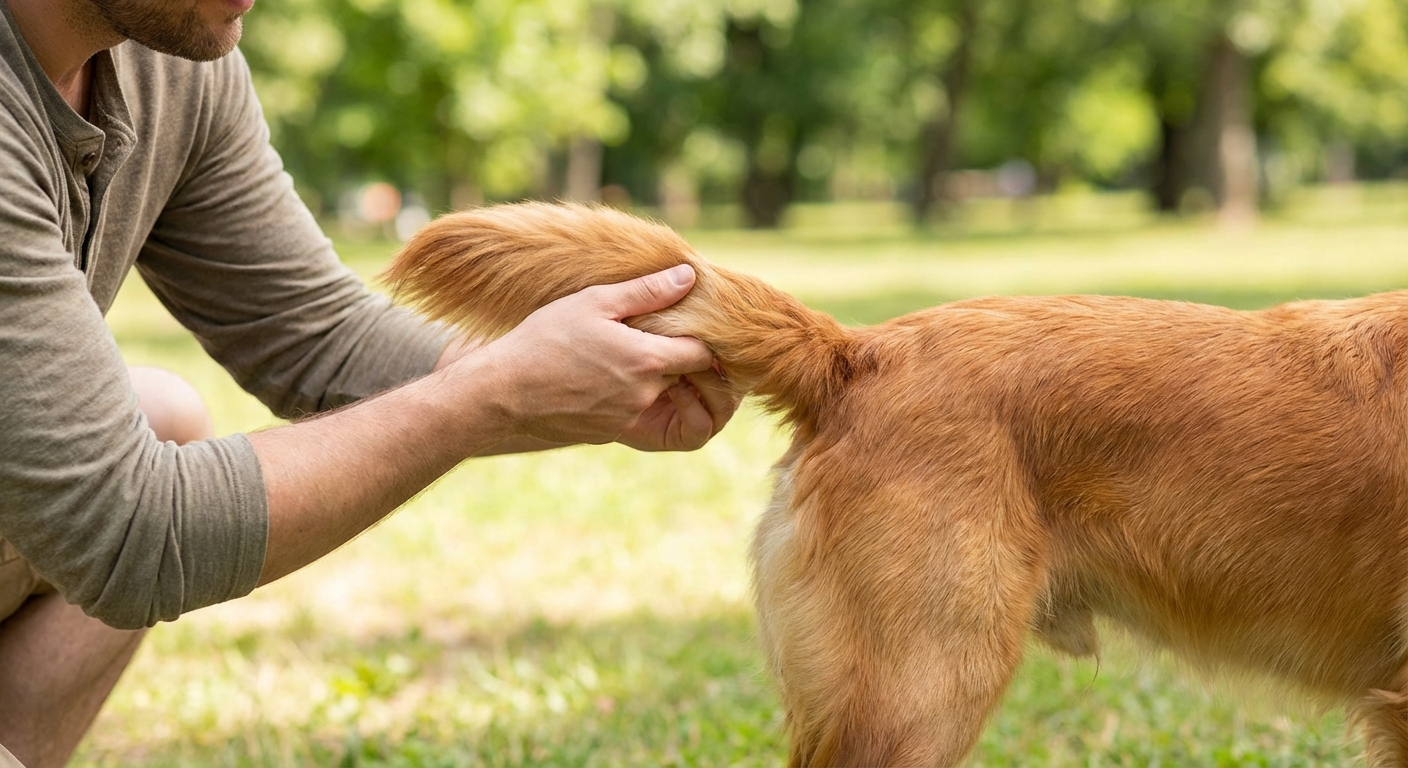
- Tapeworms: often connected to fleas, and segments may be seen near the tail.
There are also heartworms, which are not intestinal worms. Heartworms live in the heart and blood vessels and are transmitted by mosquitoes. They require different testing, prevention, and treatment.
Note: there are other parasites that can affect dogs (including some that affect the lungs). This article focuses on the most common intestinal worms and the heartworm distinction because that is what most families run into.
Signs your dog may have worms
Worm symptoms can range from subtle to dramatic. You might notice one sign or several at once. Keep in mind that diarrhea and vomiting can also be caused by things besides worms, like diet changes, stress, pancreatitis, infections, or (in puppies) parvovirus. If signs persist or your dog seems unwell, a vet visit is the safest move.
Digestive signs
- Diarrhea, sometimes with mucus
- Vomiting
- Soft stool that comes and goes
- Straining to poop or needing to go urgently
- Blood in stool (more common with hookworms or severe inflammation)
Body and behavior changes
- Weight loss or poor weight gain, even if appetite is normal
- Pot-bellied appearance (classic in puppies with roundworms)
- Dull coat or generally “not thriving”
- Lethargy or reduced stamina
- Increased appetite or sometimes decreased appetite
Signs around the rear end
- Scooting (dragging the rear on the floor)
- Licking the rear end more than usual
- Visible worm segments stuck to fur or on bedding
Important note: scooting is not always worms. Anal gland irritation, allergies, and skin issues can cause it too.
What worms look like
It is not always easy or pleasant, but a quick look can provide clues.
In poop
- Roundworms can look like pale, spaghetti-like strands.
- Tapeworms are less likely to show up as a long worm. You more often see small segments.
Near the tail or on bedding
Tapeworm segments often look like small grains of rice or sesame seeds. They may move when fresh and then dry up and look like tiny flakes. Sometimes lint, seeds, or debris can look similar, so if you are unsure, snap a clear photo and check with your vet.

In vomit
Occasionally, adult roundworms can be vomited up. If you see something that looks like spaghetti in vomit or stool, save a sample if you can and call your vet.
If you are ever unsure, take a clear photo and bring a stool sample to your clinic. You do not have to guess.
At-home checklist
If you suspect worms, here is what I recommend tracking for 24 to 72 hours while you arrange a vet visit or fecal test:
- Stool quality: watery, soft, formed, or alternating
- Frequency: more frequent trips outside or accidents
- Any blood: bright red streaks or darker, tar-like stool
- Appetite: normal, increased, picky, or not eating
- Energy level: playful or tired
- Vomiting: how often and what it looks like
- Exposure risks: dog parks, wildlife, shared yards, fleas, raw diets, new puppy, or recent rescue
These details help your vet choose the right tests and treatment faster.
How vets diagnose worms
The most common way to diagnose intestinal worms is a fecal test. Your clinic may perform:
- Fecal flotation to look for parasite eggs under a microscope
- Giardia testing (Giardia is a protozoa, not a worm, but causes similar diarrhea)
- Fecal antigen testing which can detect some infections even when eggs are not obvious
One important nuance: tapeworms are commonly missed on routine fecal tests because eggs are shed intermittently and often stay inside segments. Many tapeworm diagnoses are made by seeing rice-like segments near the tail, in stool, or on bedding.
Because some parasites shed eggs intermittently, your vet may recommend testing more than once if symptoms persist.
For heartworms, diagnosis is different: it requires a blood test, and most vets recommend yearly testing plus consistent monthly prevention.
When it is urgent
Please contact your veterinarian promptly or seek emergency care if you notice any of the following:
- Puppy with diarrhea, weakness, or a swollen belly
- Repeated vomiting or cannot keep water down
- Black, tarry stool or significant blood in stool
- Pale gums, collapse, or extreme lethargy (possible anemia)
- Suspected intestinal blockage (painful belly, straining without producing stool, repeated vomiting)
How dogs get worms
Understanding how worms spread helps you prevent repeat infections.
- From mom to puppies: roundworms and hookworms can pass during pregnancy or nursing.
- From contaminated soil or poop: eggs and larvae can survive in the environment.
- Eating prey: rodents and rabbits can carry some tapeworm species.
- Fleas: a dog can get tapeworms by swallowing an infected flea while grooming.
- Mosquitoes: transmit heartworms.
Dogs do not need to be “dirty” to get worms. One sniff of the wrong spot at the wrong time can do it.
Treatment basics
Most intestinal worms are treated with prescription dewormers, but the medication choice depends on the parasite.
- Roundworms and hookworms often require a dewormer given in repeated doses because the medication may target adult stages, not every immature stage.
- Whipworms can be stubborn and may require a specific medication and follow-up.
- Tapeworms require a particular dewormer, plus flea control to prevent reinfection.
Please avoid using random over-the-counter dewormers without guidance, especially for puppies, seniors, or dogs with other health conditions. Wrong product, wrong dose, or wrong parasite is a common reason symptoms drag on.
Prevention that sticks
My favorite prevention plans are the ones families can realistically follow week after week.
Simple steps at home
- Pick up poop promptly in your yard to reduce environmental contamination.
- Keep fleas under control year-round in Texas, since tapeworms love to follow fleas.
- Wash bedding regularly and vacuum if you are dealing with fleas.
- Discourage hunting of rodents and rabbits when possible.
- Practice good hygiene: wash hands after yard work and after handling poop.
Vet-recommended prevention
Some monthly heartworm preventives also protect against certain intestinal worms, but coverage varies by product. Many cover roundworms and hookworms, fewer cover whipworms, and tapeworms typically require a separate medication plus flea prevention. Your veterinarian can help you choose a product based on your dog’s age, weight, lifestyle, and local parasite risk.
Can humans catch worms?
Some parasites are zoonotic, meaning they can affect people. Roundworms and hookworms are the most common concern. The good news is that risk is greatly reduced with consistent veterinary prevention, prompt poop cleanup, and basic handwashing.
If someone in the home is immunocompromised, pregnant, or a young child who plays in the yard, ask your veterinarian about the best parasite prevention routine for your specific situation.
What to bring to the vet
If you can, bring a fresh stool sample in a sealed bag or container. Many clinics prefer a sample that is less than 12 to 24 hours old. If your dog has diarrhea, even a small amount helps.
Quick tips that make testing easier:
- Use a clean, leak-proof container or a tightly sealed bag.
- Label it with your dog’s name plus the date and time collected.
- If you cannot drop it off right away, refrigerate it. Do not freeze it.
If you saw anything suspicious, bring:
- A photo of what you saw
- A timeline of symptoms
- Your dog’s current diet and preventives (brand names and dates given)

Bottom line
If your dog has diarrhea, vomiting, weight loss, scooting, or you spot rice-like segments near the tail, worms should be on your short list. The most helpful next step is a fecal test and a vet-guided treatment plan. With the right medication and a prevention routine you can keep up with, most dogs bounce back quickly and feel so much better.
If you want one actionable step today: confirm your dog is on consistent flea prevention and schedule a fecal test if stool changes last more than 24 hours in puppies or 48 hours in adult dogs, or sooner if signs are severe.