Step-by-step home care for mild dog diarrhea and vomiting: short food break, small sips of water, bland diet, pumpkin, probiotics, dehydration checks, and ur...
Article
•
Designer Mixes
How to Tell If Your Dog Has Parvo

Shari Shidate
Designer Mixes contributor
Parvo is one of the scariest words in dog health, and for good reason. Canine parvovirus can make a dog dangerously sick very fast, especially puppies and unvaccinated dogs. The earlier you spot the warning signs and get veterinary care, the better your dog’s odds.
As a veterinary assistant in Frisco, Texas, I want you to feel informed, not panicked. Let’s walk through what parvo can look like, what to do right away, and how to protect the rest of your household.
What parvo is and why it spreads
Canine parvovirus attacks fast-growing cells, especially in the intestines. That is why it causes severe GI symptoms and dehydration. In very young puppies infected before birth or shortly after, it can also affect the heart, although this is uncommon today due to vaccination.
How dogs catch parvo
Parvo spreads through infected feces and contaminated environments. It is extremely hardy and can persist for months to years under the right conditions, especially in cool, shaded areas.
- Direct exposure: sniffing or licking infected stool
- Indirect exposure: paws, shoes, leashes, crates, floors, dog parks, pet stores, grooming facilities
- High-risk dogs: puppies, unvaccinated dogs, and dogs with an incomplete vaccine series
Important: A dog does not have to meet a sick dog to catch parvo. Contaminated ground or surfaces can be enough.
Incubation period
After exposure, signs most often show up in about 3 to 7 days, but timing can vary. That is why it is possible for a puppy to seem fine after an outing and then become ill days later.
Early signs: what you may notice first
Parvo often starts with “nonspecific” signs that can look like many other illnesses. Trust your instincts if your dog seems suddenly “off,” especially a puppy.
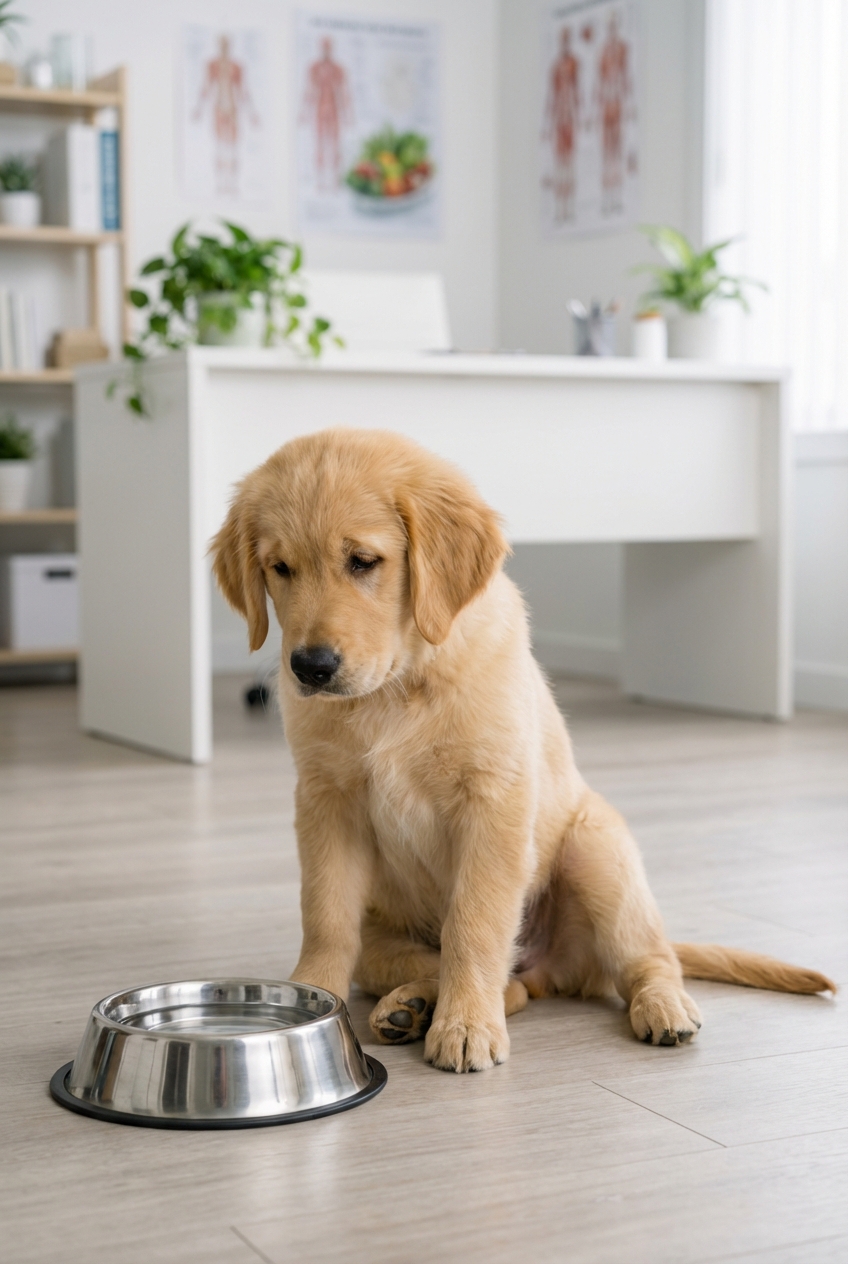
- Low energy or depression: not interested in play, hiding, sleeping more
- Loss of appetite: skipping meals, refusing treats
- Fever or low body temperature: either can happen as illness progresses
- Mild vomiting: may start as occasional and then ramp up quickly
These early signs can worsen quickly, sometimes over hours to a day.
Classic symptoms: red flags
If you see the symptoms below, treat it as urgent. Many dogs with parvo need immediate veterinary care to survive.
Most common symptoms
- Weakness, collapse, or inability to stand
- Rapid dehydration from fluid loss
- Repeated vomiting
- Severe diarrhea that is often watery and may become bloody
- Abdominal pain or hunched posture
- Very foul-smelling stool (often reported, but not specific to parvo)
Dehydration signs you can check at home
These checks do not diagnose parvo, but they can tell you if your dog may be getting dangerously dehydrated.
- Gums: tacky or dry gums can signal dehydration
- Skin tent test: gently lift skin over the shoulders. If it “tents” and is slow to snap back, dehydration is possible.
- Eyes: sunken appearance can be a late sign
If your dog is vomiting and has diarrhea, do not wait to “see if it passes.” Parvo and dehydration can become life-threatening quickly.
Parvo vs. upset stomach
Lots of things cause vomiting and diarrhea, including dietary indiscretion, parasites, pancreatitis, intestinal obstruction, and other viruses. So how do you tell when it might be parvo?
Parvo is more likely if:
- Your dog is a puppy or not fully vaccinated
- Symptoms are severe and escalating quickly
- There is bloody diarrhea
- Your dog is very lethargic and refusing food
- There was recent exposure to public pet areas like parks, sidewalks, pet stores, or training facilities
An upset stomach is more likely if:
- Your adult dog is fully vaccinated and otherwise bright and alert
- Symptoms are mild and improving
- Stool is soft but not profuse, watery, or bloody
Even then, if you are unsure, call your vet. A quick conversation can help you choose the safest next step.
How vets test for parvo
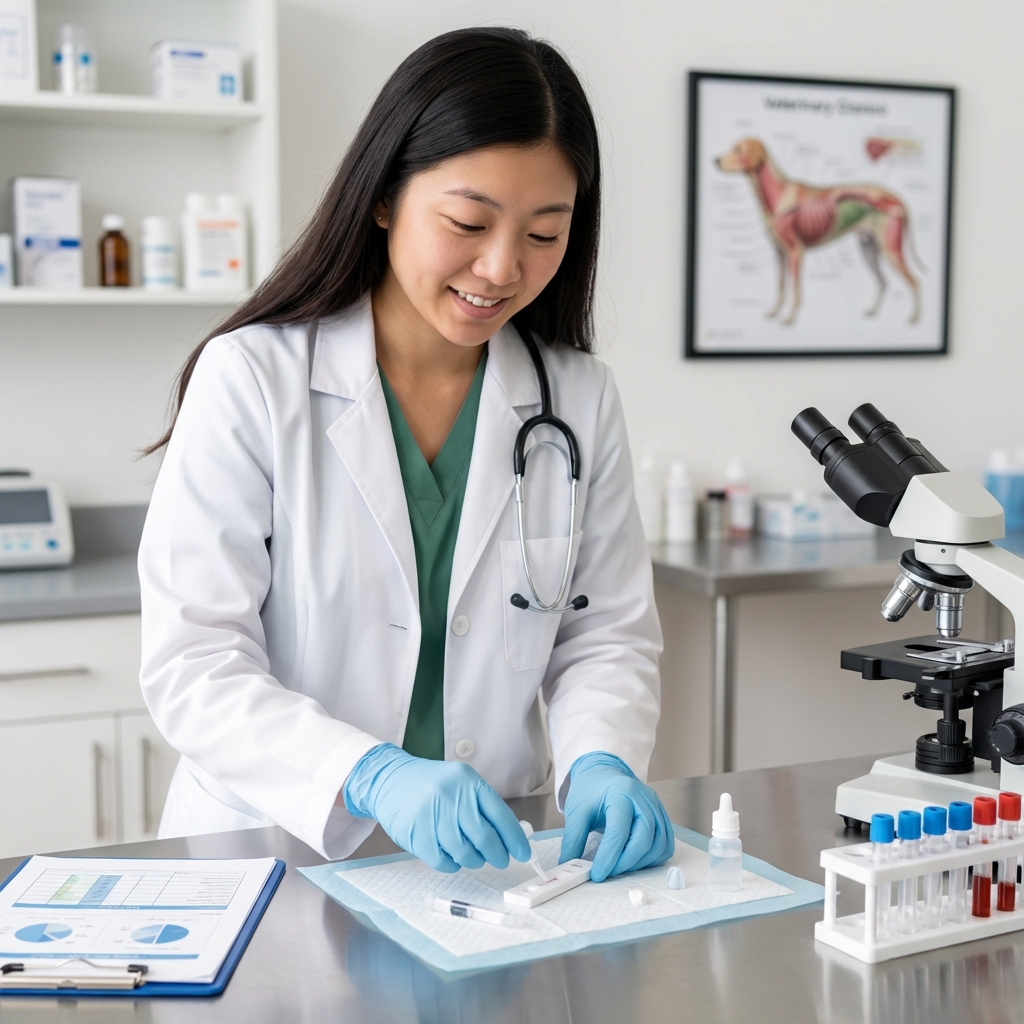
Most clinics use a fecal SNAP (ELISA) test that can give results quickly. Your veterinarian may also recommend:
- Bloodwork: many parvo dogs have a low white blood cell count
- Fecal testing: to check for parasites that can worsen symptoms
- X-rays or ultrasound: if there is concern for obstruction or other causes
Heads up: No test is perfect. Early infections can sometimes test negative. And in some cases, a recent parvo vaccine (modified-live) can cause a transient positive on certain fecal antigen tests. Your veterinarian will interpret results based on timing, vaccine history, and clinical signs.
What to do right now
If parvo is on your radar, fast action matters. Here is a safe, practical plan.
Step 1: Call your vet or ER
Tell them:
- Your dog’s age and weight
- Vaccination status (especially last DHPP vaccine date)
- When symptoms started
- Whether there is vomiting, diarrhea, or blood in stool
- Any known exposure to other dogs or high-traffic areas
Step 2: Isolate your dog
Keep them away from other dogs immediately. Use one easy-to-clean area, and take them out to one designated potty spot if possible.
Step 3: Avoid home treatments that delay care
- Do not give human medications like Pepto-Bismol, Imodium, aspirin, or ibuprofen unless a veterinarian specifically instructs you.
- Do not push large amounts of water if your dog is actively vomiting. It often worsens vomiting and they may not be able to keep fluids down.
- Do not wait overnight if symptoms are worsening.
Your vet will guide you on whether to pause food and water briefly or offer small, frequent sips. That advice changes based on the dog’s condition.
Why parvo is dangerous
Parvo damages the intestinal lining. That leads to massive fluid loss, poor absorption, and increased risk of bacteria entering the bloodstream. This is why many parvo patients need:
- IV fluids to correct dehydration and electrolyte imbalances
- Anti-nausea medications to stop vomiting
- Pain control
- Antibiotics to help prevent or treat secondary bacterial infection
- Nutritional support once vomiting is controlled
There is no medication that “kills” parvo directly. Treatment is supportive while the dog’s immune system clears the virus.
Can a dog survive parvo?
Many dogs do survive with prompt treatment. Outcomes depend on age, how quickly care begins, overall health, and how severe the dehydration and intestinal damage are.
In general, the biggest factor you can control is how fast you get help. If your dog is suspected of having parvo, the safest choice is to treat it like an emergency until proven otherwise.
Protecting your home and other dogs
If you have other dogs, prevention becomes urgent. Parvo is very contagious.
Separate and handle carefully
- Keep sick and healthy dogs completely separated
- Wash hands thoroughly after handling the sick dog
- Change clothes and shoes after cleaning accidents
How long is it contagious?
Dogs with parvo can shed virus in stool, and environmental contamination can linger. The exact timeline depends on the dog and the setting, so follow your veterinarian’s guidance closely. If you are considering bringing a new puppy or unvaccinated dog into the home after a parvo case, ask your vet for a safety timeline based on your household and cleaning plan.
Cleaning and disinfecting
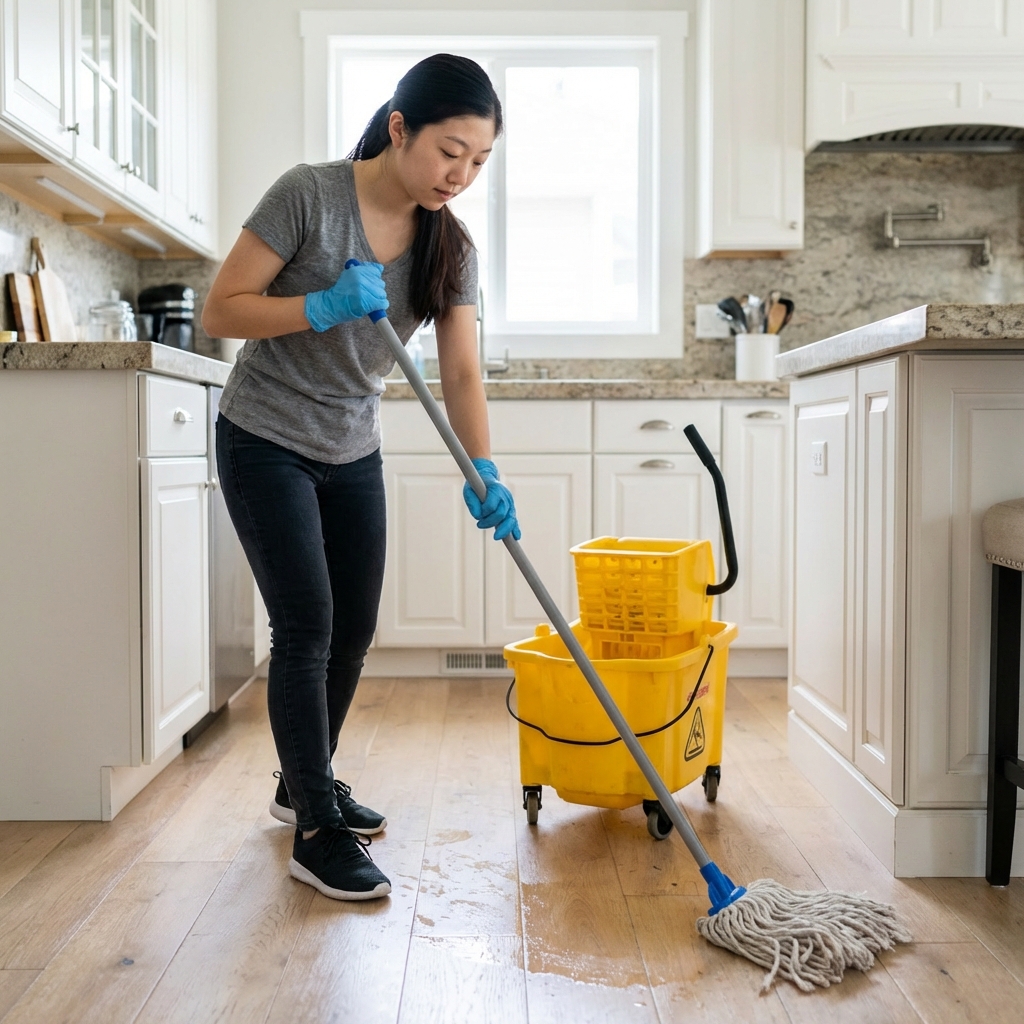
Parvo is tough. Many household cleaners do not kill it. A diluted bleach solution is commonly used for hard, non-porous surfaces.
- Remove organic material first (stool, vomit) before disinfecting, since disinfectants work poorly through debris
- Use the right dilution and contact time for the product you choose
- Be cautious with fabrics and carpets since they are harder to fully disinfect
Practical note: Many veterinary teams recommend a bleach dilution around 1:30 (about 1/2 cup of regular household bleach per gallon of water) on hard, non-porous surfaces, kept visibly wet for about 10 minutes, then rinsed and dried. Always follow product labels, use good ventilation, and confirm what your clinic recommends for your situation.
Prevention: vaccines and safer exposure
The best protection is vaccination. Puppies need a series of DHPP vaccines, and your vet will schedule them based on age and risk. A common approach is vaccines every 3 to 4 weeks until at least 16 weeks of age, followed by boosters on a veterinarian-recommended schedule.
Safer socialization for puppies
Socialization is important, but it has to be balanced with parvo risk. If your puppy is not fully vaccinated:
- Avoid dog parks and high-traffic public potty spots
- Choose controlled play with healthy, vaccinated dogs
- Consider puppy classes that require vaccination and disinfect properly
If you are unsure what is safe in your area, ask your local veterinarian. Regional risk can vary.
When to go to the ER
Go immediately if your dog has any of the following:
- Bloody diarrhea
- Repeated vomiting or cannot keep water down
- Marked lethargy, weakness, or collapse
- Signs of dehydration (dry gums, sunken eyes)
- A puppy with vomiting and diarrhea of any kind
- An unvaccinated or partially vaccinated dog with GI symptoms
It is always okay to be the “overly cautious” pet parent with parvo. In veterinary medicine, early intervention saves lives.
Quick checklist for the visit
- Vaccine records or approximate dates
- A list of symptoms and when they started
- Any recent exposures (park, boarding, grooming, new dog in home)
- A fresh stool sample if you can collect it safely
- Photos of stool or vomit if it helps explain what you are seeing
One last reminder: This article is general education and not a diagnosis. If parvo is possible, call your veterinarian or an emergency clinic right away.