Learn what “low fat” means for dogs, how vets set fat targets, the best lean proteins and carbs, what to avoid, and starter meal templates to review with...
Article
•
Designer Mixes
How to Tell If Your Dog Has Pancreatitis

Shari Shidate
Designer Mixes contributor
Pancreatitis can feel like it comes out of nowhere. One day your dog is begging for snacks, and the next they are vomiting, seeming painful, and refusing food. As a veterinary assistant here in Frisco, Texas, I can tell you this is one of those conditions where fast, calm action really matters. The good news is that many dogs recover well with prompt veterinary care and the right home support.
This article is educational and not a substitute for veterinary diagnosis or treatment. If you are worried about your dog, please call your veterinarian.
This guide will help you recognize common signs, understand what your veterinarian is looking for, and learn how to care for your dog during recovery.
What is pancreatitis?
The pancreas is an organ that helps with two big jobs: making digestive enzymes and supporting healthy blood sugar. With pancreatitis, the pancreas becomes inflamed and can start activating digestive enzymes too early. That can irritate surrounding tissues and make your dog feel extremely nauseous and painful.
Pancreatitis can be acute (sudden) or chronic (recurring or ongoing). Some dogs have one episode and never have another, while others need long-term diet management.
Common signs at home
Dogs do not always show pancreatitis the same way, but there are patterns I see over and over in clinic. Call your veterinarian if you notice a combination of the following, especially if symptoms are sudden.
GI and appetite changes
- Vomiting (one episode can happen for many reasons, but repeated vomiting is a red flag)
- Diarrhea or loose stool
- Not eating or eating much less than usual
- Dry heaving or repeated licking of lips from nausea
Pain and body language
- Belly pain or sensitivity when picked up
- Hunched posture or “praying position” (front end down, hind end up)
- Restlessness, pacing, or inability to get comfortable
Energy and hydration clues
- Lethargy and “not themselves” behavior
- Dehydration (dry gums, sunken-looking eyes, reduced urination)
- Weakness in more serious cases
Important: These signs are not unique to pancreatitis. Intestinal blockage, toxin exposure, parvovirus, Addison’s disease, stomach ulcers, GDV (bloat), and other problems can look similar. That is why veterinary evaluation is so important.
When it is an emergency
Please seek urgent veterinary care the same day if you notice any of the following:
- Repeated vomiting, especially if your dog cannot keep water down
- Repeated unproductive retching, a distended belly, or signs of severe abdominal pain
- Severe lethargy, collapse, or extreme weakness
- A swollen, very painful abdomen
- Blood in vomit or stool, or black tarry stool
- Pale gums or rapid breathing
- Your dog is diabetic, very small, very old, or has other health conditions and suddenly stops eating
If you are unsure, it is always okay to call your vet and describe what you are seeing. In my experience, pet parents never regret calling early, but many regret waiting.
What causes pancreatitis?
Sometimes we never find a single clear cause. But several factors are strongly associated with pancreatitis episodes:
- Fatty meals or sudden high-fat treats (think bacon grease, fried foods, rich table scraps)
- Obesity and sedentary lifestyle
- High triglycerides (more common in some breeds)
- Underlying disease such as diabetes, Cushing’s disease, or other digestive conditions
- Medications that may be linked to pancreatitis in some dogs (this is uncommon and can be hard to prove, but your vet will review current meds)
- Breed tendencies (Miniature Schnauzers are a classic example, but any dog can get it)
One practical takeaway: for many dogs, diet consistency and fat control are a big part of prevention.
How vets diagnose it
Pancreatitis is usually diagnosed using a mix of symptoms, exam findings, and testing. No single test is perfect, so your vet will put the whole story together.
Common diagnostics
- Physical exam (checking hydration, abdominal pain, temperature, heart rate)
- Bloodwork to evaluate dehydration, inflammation, electrolyte changes, liver values, and more
- Pancreas-specific tests such as canine pancreatic lipase (often called cPL or Spec cPL), which can support a pancreatitis diagnosis
- Abdominal ultrasound to look for pancreatic inflammation and help evaluate for other issues (for example gallbladder disease or signs that raise concern for obstruction)
- X-rays sometimes, especially if intestinal blockage or bloat is on the list
If your dog is very sick, your vet may also recommend hospitalization for IV fluids and monitoring. That can be lifesaving, especially because severe cases can cause dehydration, electrolyte imbalance, and widespread inflammation.
Treatment overview
Treatment depends on severity. Mild cases might be managed with medications and diet changes at home, while moderate to severe cases often need hospitalization.
Typical treatments
- Fluids (subcutaneous or IV) to correct dehydration and support circulation
- Anti-nausea medication to control vomiting and help your dog feel well enough to eat
- Pain control because pancreatitis can be very painful
- Appetite support if your dog will not eat
- Diet therapy (usually a highly digestible, low-fat diet)
- Antibiotics only when there is evidence of infection or specific complications
In the past, strict fasting was common. Today, many veterinarians aim to get dogs back to eating sooner once vomiting is controlled, using small, digestible meals. The exact plan is individualized, so follow your vet’s instructions closely.
Common take-home meds
Every case is different, but many dogs go home with some combination of anti-nausea medication, pain medication, gut protectants, and sometimes an appetite stimulant. Your vet will choose what fits your dog’s symptoms and health history. Do not give human medications unless your veterinarian specifically directs you.
Recovery timeline
Recovery can be quick or slow depending on severity. Many mild cases improve noticeably within a few days once nausea and pain are controlled. More serious cases may take a week or longer, and some dogs need a longer-term low-fat plan to prevent repeat flare-ups.
Ask your veterinarian when they want a recheck and whether follow-up bloodwork is recommended. If your dog’s appetite, energy, vomiting, or pain suddenly worsens during recovery, call right away.
Home care
Once your dog is stable enough to recover at home, your job is to keep things calm, consistent, and easy on the digestive system.
At-home checklist
- Give medications exactly as prescribed, even if your dog seems better.
- Offer small, frequent meals instead of one or two large meals.
- Stick to the recommended diet (usually low-fat, highly digestible). Sudden diet changes can set recovery back.
- Keep fresh water available. If your dog gulps and vomits, ask your vet how to offer small amounts more often (some dogs do better with small sips or ice chips).
- Limit activity until your vet clears normal exercise.
- Track symptoms (appetite, vomiting, stool, energy, and any pain signs). This helps your vet adjust the plan.
What to avoid
- No fatty treats (cheese, hot dogs, bacon, hamburger grease, fried foods).
- No sudden diet experiments during a flare-up without guidance. Even healthy foods can be too rich in fat for a recovering pancreas.
- No over-the-counter human meds unless your veterinarian specifically directs you. Some are dangerous to dogs.
- Do not force food or water if your dog is actively vomiting. Call your vet for a plan. Early anti-nausea meds often make a big difference.
What to feed
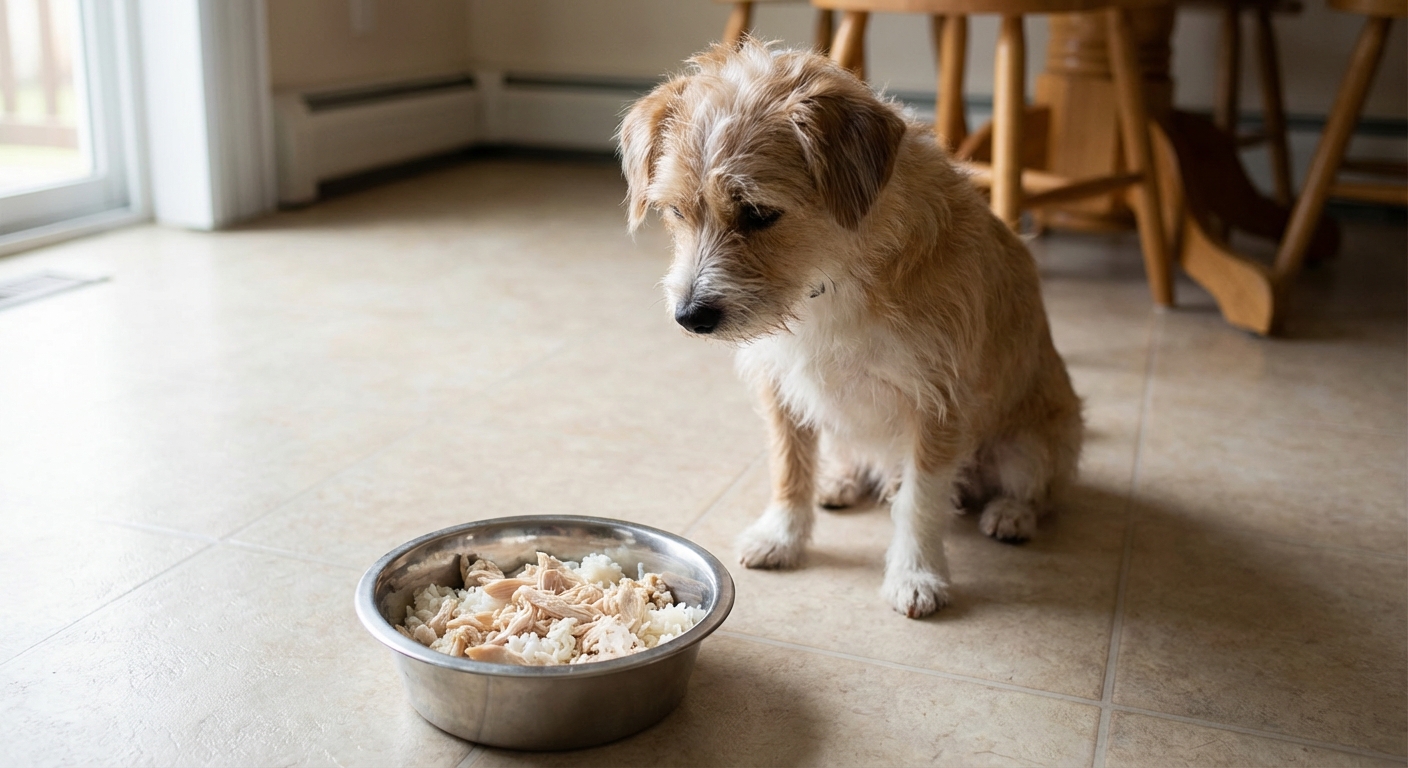
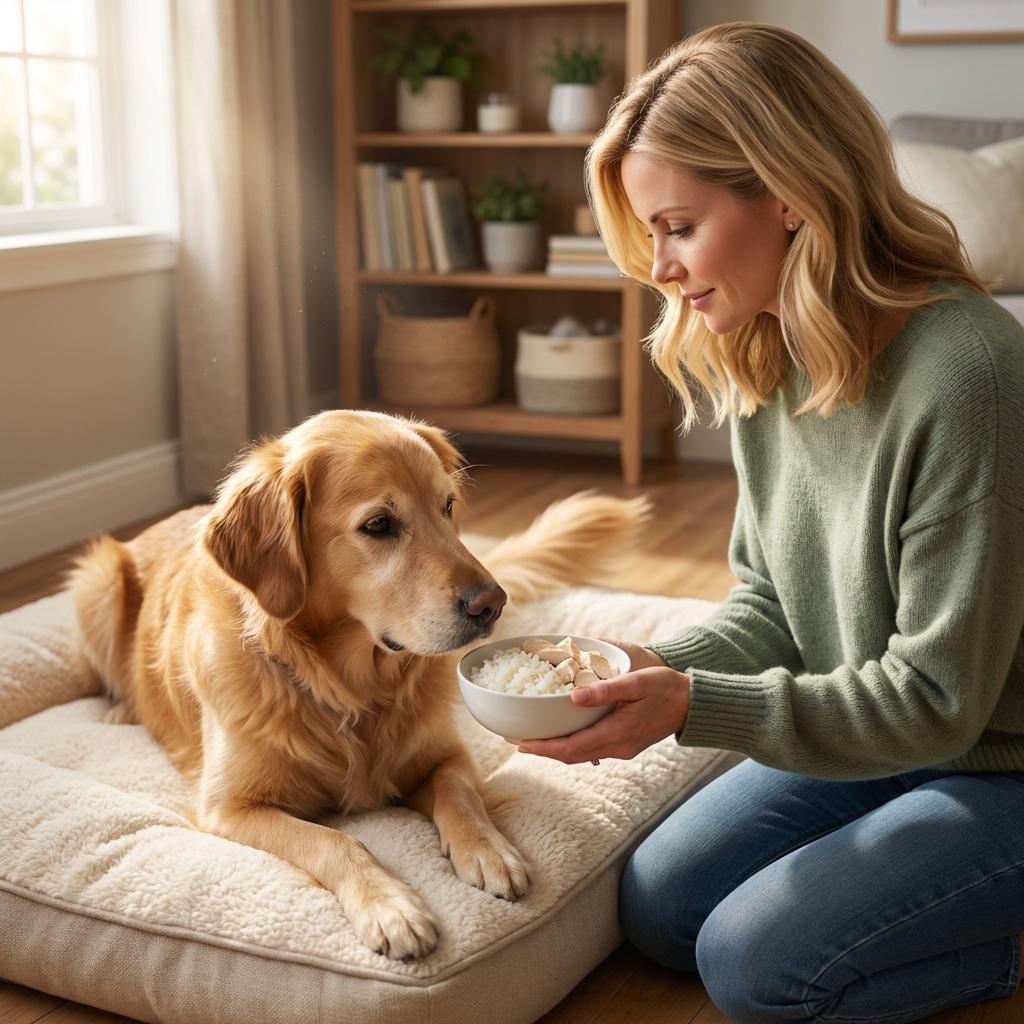
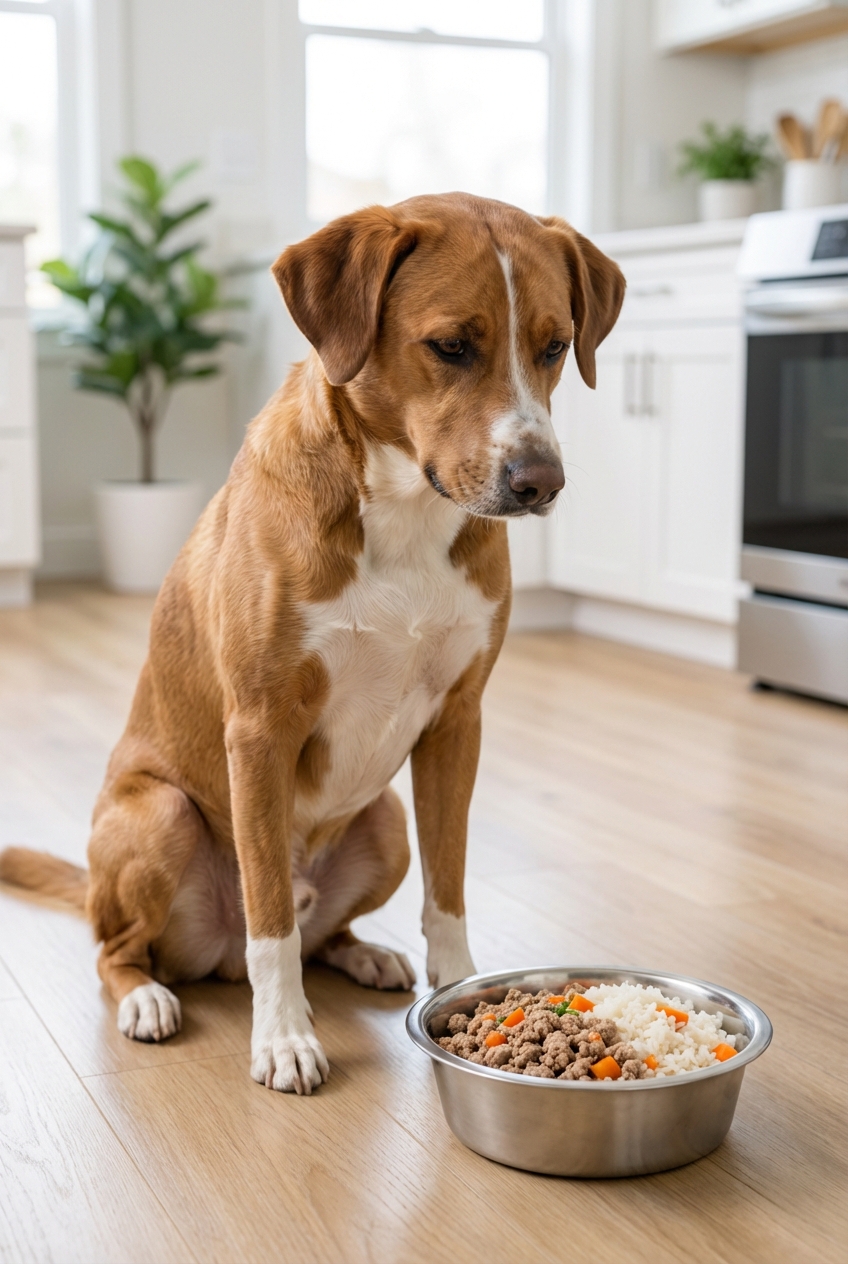
Nutrition is one of the most important parts of pancreatitis management. Most dogs do best with a low-fat, highly digestible diet. Your vet may prescribe a therapeutic diet, or they may guide you on a carefully balanced home-prepared option.
If you are interested in homemade food, I love that approach, but pancreatitis is the time to be extra careful. “Homemade” does not automatically mean “low-fat,” and it is easy to accidentally unbalance nutrients. Please work with your veterinarian or a board-certified veterinary nutritionist if you want a fully home-cooked plan.
Feeding tips
- Keep fat low and consistent day to day.
- Avoid rich meats and skin, and avoid adding oils or butter.
- Reintroduce any new foods slowly, one at a time.
Will it happen again?
Some dogs do. Recurrence risk is higher if there is an underlying trigger that is not addressed, such as high-fat treats, obesity, uncontrolled diabetes, or high triglycerides.
Prevention steps
- Maintain a healthy weight.
- Keep treats low-fat and portion-controlled.
- Prevent “trash raids” with secure lids and no access to greasy leftovers.
- Ask your vet about follow-up labs if your dog has had more than one episode.
- Choose a long-term diet that your dog tolerates well and that fits pancreatitis history.
Pancreatitis is not your fault. Many loving pet parents only realize the risk after one “special treat” or holiday meal. What matters most is what you do next: get help early, follow the plan, and keep the diet consistent.
Should I call the vet?
If your dog has vomiting plus any combination of belly pain, lethargy, not eating, or diarrhea, it is time to call. If vomiting is repeated, your dog cannot keep water down, has unproductive retching, or seems painful or weak, go in urgently.
With pancreatitis, early care can prevent dehydration, reduce pain, and help your dog feel better faster.