
Understand kennel cough (CIRDC), when symptoms need a vet visit, and supportive care that can ease coughing: humidity, honey guidance, saline, rest, hydratio...
Article
•
Designer Mixes
How to Tell If Your Dog Has Kennel Cough

Shari Shidate
Designer Mixes contributor
If your dog suddenly starts coughing, it can be scary, especially when it sounds like something is stuck in their throat. One common cause is kennel cough, a contagious respiratory illness dogs can pick up anywhere dogs gather. The good news is that most healthy dogs recover well with supportive care, but knowing what you are hearing and when to call your vet really matters.

What kennel cough is
Kennel cough is the everyday name for infectious tracheobronchitis, an infection that irritates a dog’s upper airway (trachea and bronchi). It is usually caused by a combination of viruses and bacteria. The most well-known bacterium is Bordetella bronchiseptica, and common viruses include canine parainfluenza, canine adenovirus, and others.
It spreads through respiratory droplets and shared airspace, especially in places like:
- boarding facilities and daycares
- dog parks
- groomers
- training classes and shelters
- vet waiting rooms
Even a quick hello nose-to-nose can be enough if one dog is shedding germs.
The classic signs you can spot at home
1) A honking, dry cough
The hallmark of kennel cough is a dry, frequent cough that many people describe as a “goose honk.” It often happens when your dog gets excited, pulls on the leash, or after drinking water.
2) Gagging or retching after coughing
Because the throat is irritated, some dogs will cough and then gag like they are trying to bring something up. You may see a little foamy saliva or clear fluid. That can look dramatic, but it is common with kennel cough.
3) Mild nasal discharge or watery eyes
Some dogs have a runny nose or mild eye watering, especially if a virus is involved.
4) Normal energy and appetite (often)
Many dogs with uncomplicated kennel cough still want to eat, play, and act mostly normal. That is one reason it can spread so easily.
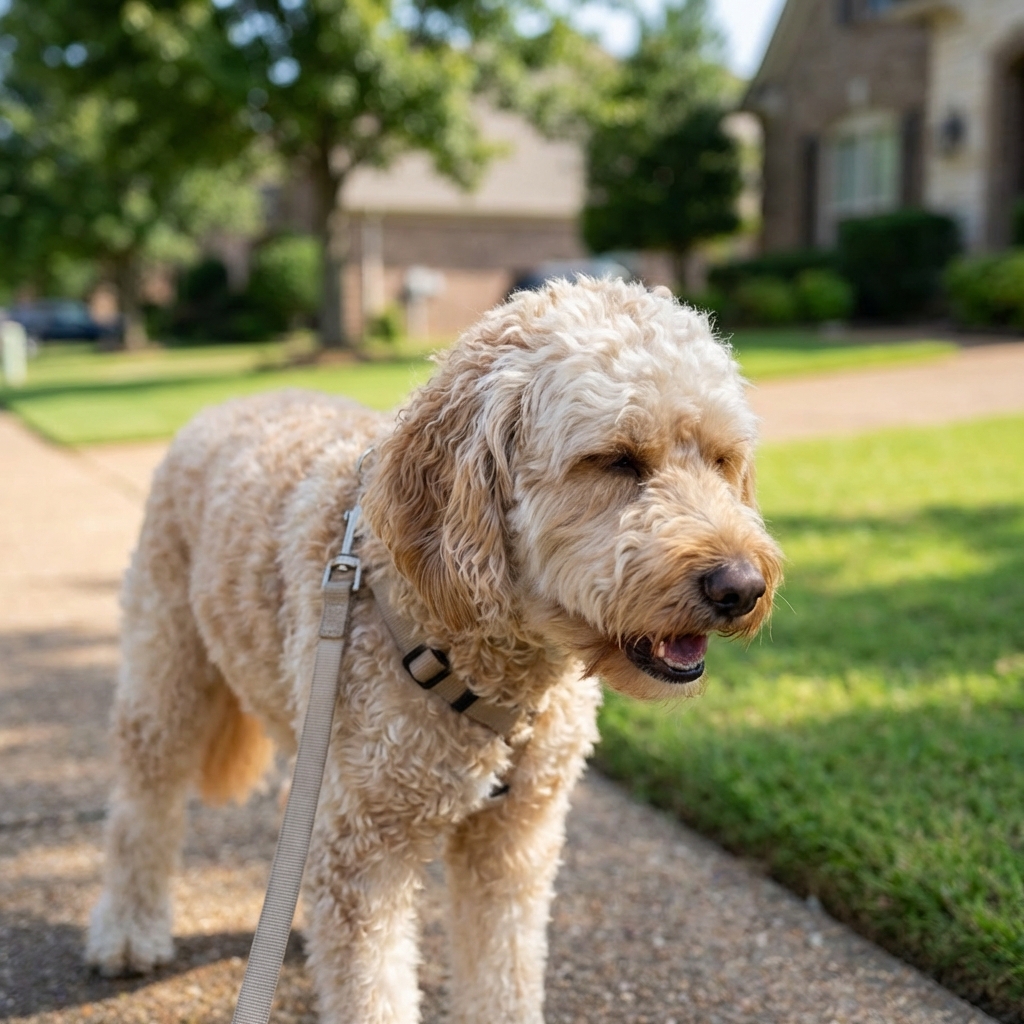
How kennel cough is different from other common issues
A cough can come from several causes. Here are a few clues that help you decide what you might be dealing with, and why your veterinarian’s guidance is so important.
Kennel cough vs. something stuck in the throat
- Kennel cough: often continues for days, may come in fits, may worsen with excitement.
- Foreign object: sudden onset, distress, pawing at the mouth, trouble swallowing, drooling, repeated gagging.
If you suspect your dog inhaled or swallowed something, treat it as urgent.
Kennel cough vs. allergies
- Kennel cough: contagious history is common (boarding, daycare, dog park).
- Allergies: more sneezing, itchy skin, ear issues, seasonal patterns.
Kennel cough vs. heart disease
- Kennel cough: typically dry and “honking,” often in younger or otherwise healthy dogs after exposure.
- Heart-related cough: may be worse at night or with rest, may come with exercise intolerance, fainting, or belly swelling.
Older dogs, small breeds prone to heart disease, and dogs with a new cough should be evaluated promptly.
Incubation period and how long it lasts
After exposure, signs often show up in about 2 to 14 days. Many uncomplicated cases improve within 1 to 3 weeks, but some dogs can cough longer, especially if their airway stays irritated.
Dogs can be contagious even if they seem fine at first. If your dog was recently boarded or went to daycare and then starts coughing, kennel cough is high on the list.
When you should call the vet right away
Kennel cough is often mild, but it can become serious, especially in puppies, seniors, or dogs with other health concerns. Call your veterinarian promptly if you notice:
- lethargy (your dog seems wiped out)
- loss of appetite or not drinking
- fever (warm ears and belly can be a clue, but a rectal temp is needed to confirm)
- rapid breathing, labored breathing, or open-mouth breathing at rest
- persistent coughing that is worsening or disrupting sleep
- thick yellow or green nasal discharge
- blue or pale gums (emergency)
- puppies, senior dogs, or immune-compromised dogs with any cough
These can be signs of pneumonia or another condition that needs treatment quickly.
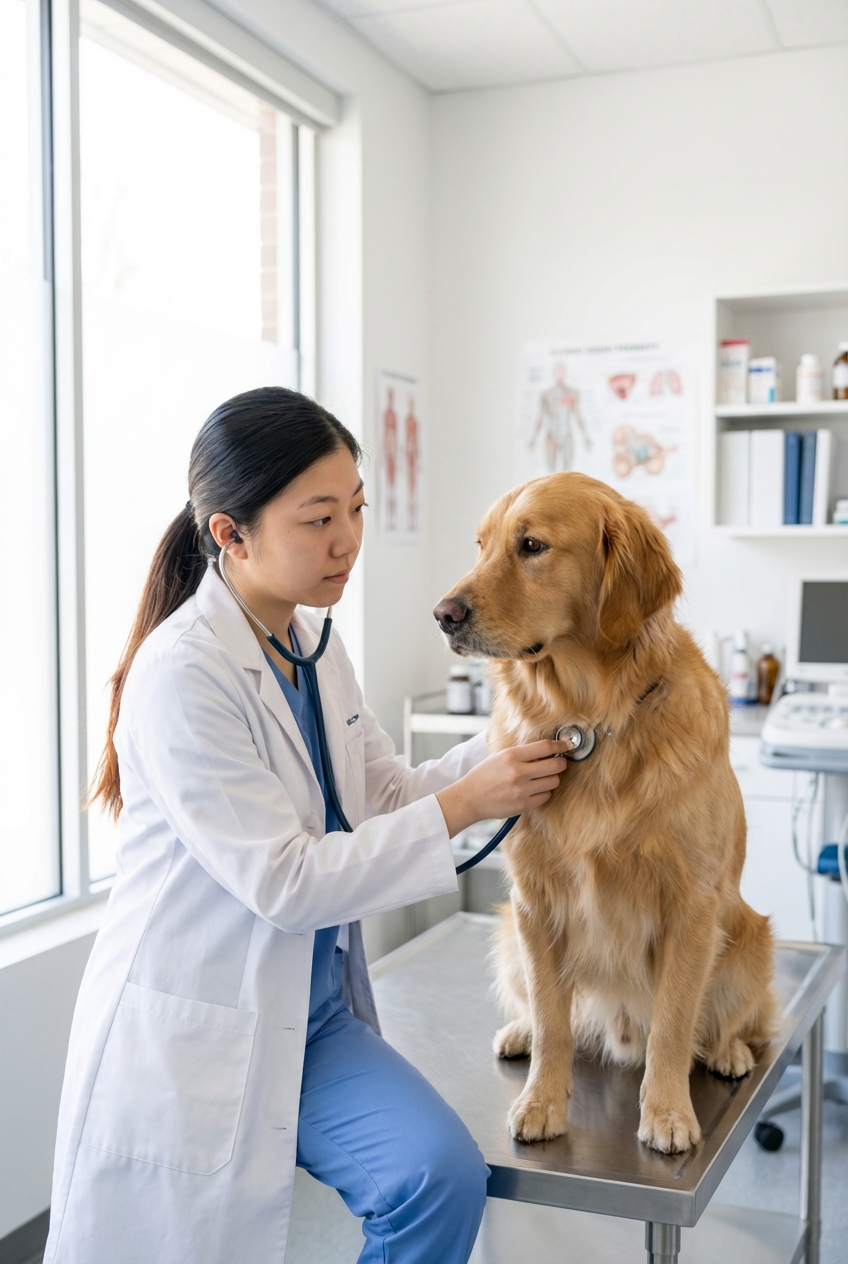
What your vet may do
Your veterinarian will listen to your dog’s heart and lungs, check temperature, and review recent exposures. Depending on severity, they may recommend:
- supportive care for mild cases
- cough suppressants if the cough is non-productive and keeping your dog from resting
- antibiotics if bacterial involvement is likely or if your dog is higher risk
- chest X-rays if pneumonia is a concern
- respiratory testing in certain outbreaks or persistent cases
One important note from the clinic side: many coughs are contagious, so call ahead before walking into the lobby. Your vet may bring you straight into a room to reduce exposure to other pets.
At-home care that can help (and what to avoid)
If your veterinarian confirms your dog is stable and safe to recover at home, these steps can make your dog more comfortable.
Helpful supportive care
- Rest and reduce excitement: leash walks only, no rough play.
- Use a harness instead of a collar: collars can irritate the trachea and trigger coughing fits.
- Keep air moist: a humidifier can soothe an irritated airway.
- Offer plenty of water: hydration supports mucus clearance.
- Keep appetite up: warm, aromatic food can help if your dog is picky due to congestion.
What not to do
- Do not use human cough medicines unless your veterinarian specifically tells you what to use and how much. Many human products are unsafe for dogs.
- Do not force exercise to “work it out.” Heavy activity can worsen airway irritation.
- Do not send your dog to daycare, grooming, or the dog park until cleared. Even if your dog seems better, they may still be contagious.
How long to isolate your dog
Because kennel cough is contagious, keep your dog away from other dogs during illness and for a period after recovery. Many veterinarians recommend isolating for at least 10 to 14 days after symptoms start, and sometimes longer depending on the suspected organism and your dog’s course. Your clinic can give you the best timeline for your situation.
Prevention: vaccines and smart habits
No prevention plan is perfect, but you can lower risk significantly.
Bordetella and canine influenza vaccines
The Bordetella vaccine can reduce the severity and spread of kennel cough. It does not guarantee your dog will never cough, but it often makes illness shorter and milder. In some regions and facilities, canine influenza vaccination is also recommended.
If your dog boards, goes to daycare, or attends group training, ask your vet which vaccines fit your area and your dog’s lifestyle.
Everyday prevention tips
- Avoid high-traffic dog areas during known outbreaks.
- Choose facilities with good ventilation and cleaning protocols.
- Keep your dog’s immune system supported with quality nutrition, sleep, and stress reduction.
- When your dog is sick, keep them home. It protects the whole community.
A quick self-check: does this sound like kennel cough?
Consider kennel cough likely if your dog has:
- a sudden dry, honking cough
- gagging after coughing
- recent contact with unfamiliar dogs
- otherwise normal appetite and energy
Even if it checks all the boxes, it is still worth a call to your veterinarian. Coughing is one of those symptoms that can look similar across very different illnesses, and your dog deserves the safest plan.
If you are unsure, trust your instincts. I would always rather you call your vet and be told it is mild than wait too long and miss a more serious respiratory infection.