A practical, vet-informed guide to dog arthritis care: recognize signs, confirm diagnosis, improve traction and comfort at home, use joint supplements, and k...
Article
•
Designer Mixes
How to Tell If Your Dog Has Dementia

Shari Shidate
Designer Mixes contributor
As a veterinary assistant here in Frisco, Texas, I have talked with many families who say the same thing: “My dog is getting older… but something feels different.” If you are noticing new confusion, anxiety, or behavior changes in your senior pup, you might be seeing signs of canine cognitive dysfunction (CCD), often called “dog dementia.”
The good news is that CCD is something we can often manage and support with a thoughtful plan. The sooner you recognize a consistent pattern, the sooner you can help your dog feel safer, more comfortable, and more like themselves.
Quick orientation: CCD is most common in senior and geriatric dogs, and the likelihood increases with age. Some dogs show subtle changes first, while others feel like they “change overnight,” which is one reason a vet visit matters.
What dog dementia is (and what it is not)
Canine cognitive dysfunction is an age-related decline in brain function. It can affect memory, learning, awareness, sleep patterns, and social behavior. It is somewhat similar to Alzheimer’s disease in people, although the conditions are not identical.
Just as important, many medical problems can look like dementia, including pain, arthritis, hearing loss, vision loss, thyroid disease, liver or kidney disease, urinary tract infections, and even brain tumors. So before assuming it is “just old age,” it is worth getting a veterinary evaluation.
Common signs: the DISHA pattern
Veterinary teams often use a simple framework called DISHA (sometimes written as DISHAA) to group common cognitive dysfunction signs. These signs are suggestive, not “proof,” because CCD is typically a diagnosis of exclusion. You do not need every sign for CCD to be possible. Many dogs start with just one or two subtle changes.
D: Disorientation
- Gets “stuck” in corners or behind furniture
- Seems lost in familiar rooms or the backyard
- Stares at walls or into space more than usual
- Has trouble finding the door they have used for years
I: Changes in social interactions
- Less interested in greeting people
- More clingy, anxious, or needy than before
- Withdraws or seems “not themselves”
- New irritability, especially when startled or touched
S: Sleep-wake cycle changes
- Wanders at night, paces, or cannot settle
- Sleeps more during the day, awake more at night
- Vocalizes in the evening or overnight
H: House soiling (loss of previously learned habits)
- Accidents indoors after being reliably house trained
- Seems to forget how to signal to go outside
- Urinates or defecates soon after coming inside
A: Activity and anxiety changes
- Repetitive pacing, circling, licking, or restlessness
- New separation anxiety, especially in older dogs
- Reduced interest in play, walks, or favorite routines
Tip: Keep a simple weekly notes list. CCD often shows up as a consistent pattern over time, not a one-time “weird day.”
When to call your vet
If you notice any of the following, it is time to schedule an appointment. Some causes are treatable, and even CCD benefits from early support.
- Sudden behavior changes (over days or a couple of weeks)
- Nighttime pacing with distress or persistent vocalizing
- New house accidents in a previously reliable dog
- Getting stuck, falling, or seeming unaware of surroundings
- Changes in appetite, thirst, weight, or energy
- Any seizures, collapse, head tilt, or severe imbalance
Urgent note: Sudden, severe confusion can be an emergency. Toxins, vestibular events, severe pain, metabolic problems, and neurologic disease can all look like “dementia” at first. If your dog seems acutely distressed, cannot stand, has repeated vomiting, collapses, has seizures, or you suspect toxin exposure, seek prompt veterinary care.
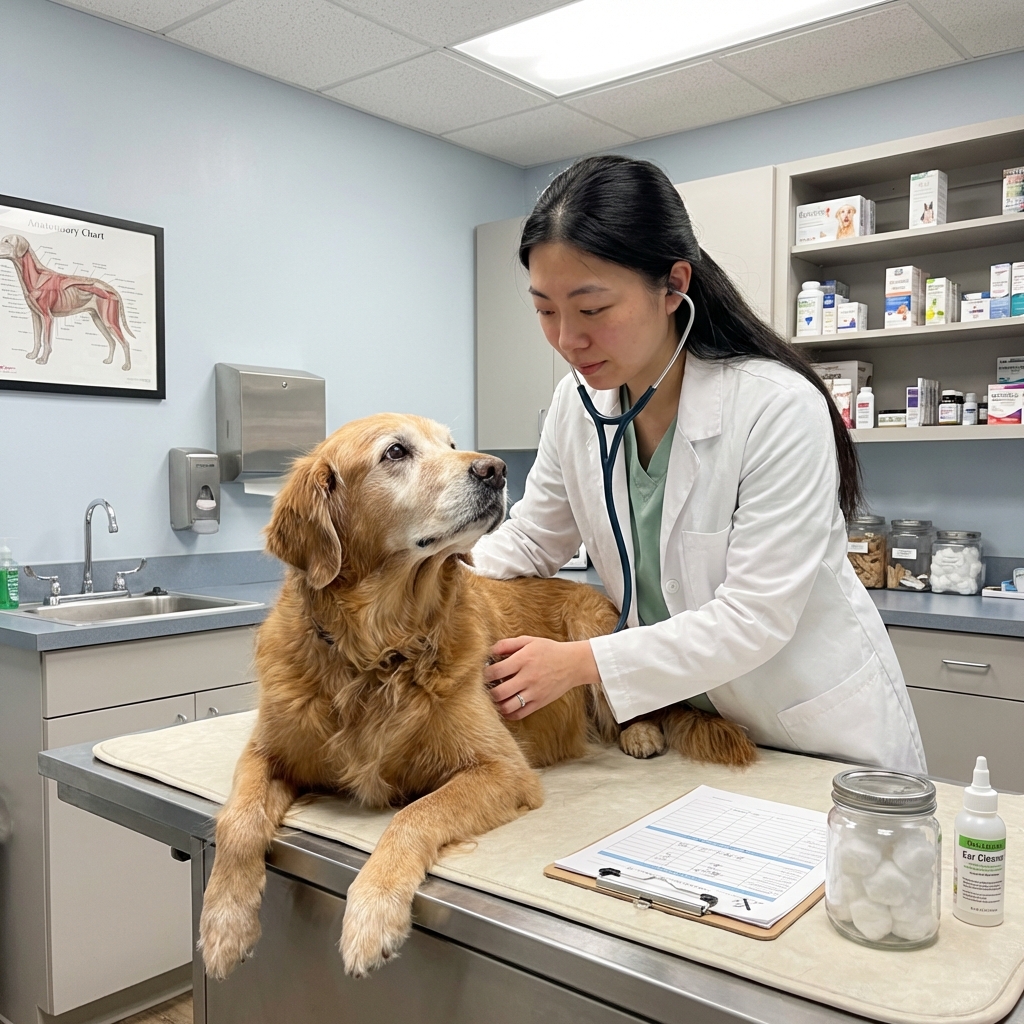
At the visit, your veterinarian may recommend a physical exam, neurologic check, bloodwork, urine testing, blood pressure check, and possibly imaging. This is not “overdoing it.” It is how we rule out common problems that can mimic dementia.
How dementia is diagnosed
There is not one single test that confirms CCD. Diagnosis is usually made by:
- History: what changes you are seeing at home and when they started
- Ruling out medical causes: pain, infection, endocrine disease, organ disease, sensory loss
- Behavior pattern: signs that fit DISHA and progress gradually
If neuro deficits are present, signs progress rapidly, seizures occur, or there is concern for intracranial disease, your veterinarian may discuss advanced imaging (MRI or CT) or referral to a neurologist.
That is why your observations matter so much. You live with your dog. You see the little details a clinic visit cannot capture.
What to bring to the vet visit
- A short timeline of when changes started and how often they happen
- Videos of pacing, staring, vocalizing, “getting stuck,” or nighttime restlessness
- A list of current medications, supplements, and preventatives
- Notes about appetite, thirst, accidents, sleep, and any new anxiety
Helping a dog with dementia at home
CCD support is often most successful when you combine medical guidance with daily-life adjustments. Here are practical, evidence-informed ways to help.
Make the home easier to navigate
- Keep furniture layout consistent
- Use night lights in hallways and near stairs
- Add rugs or non-slip runners for traction
- Block off stairs if vision or balance is declining
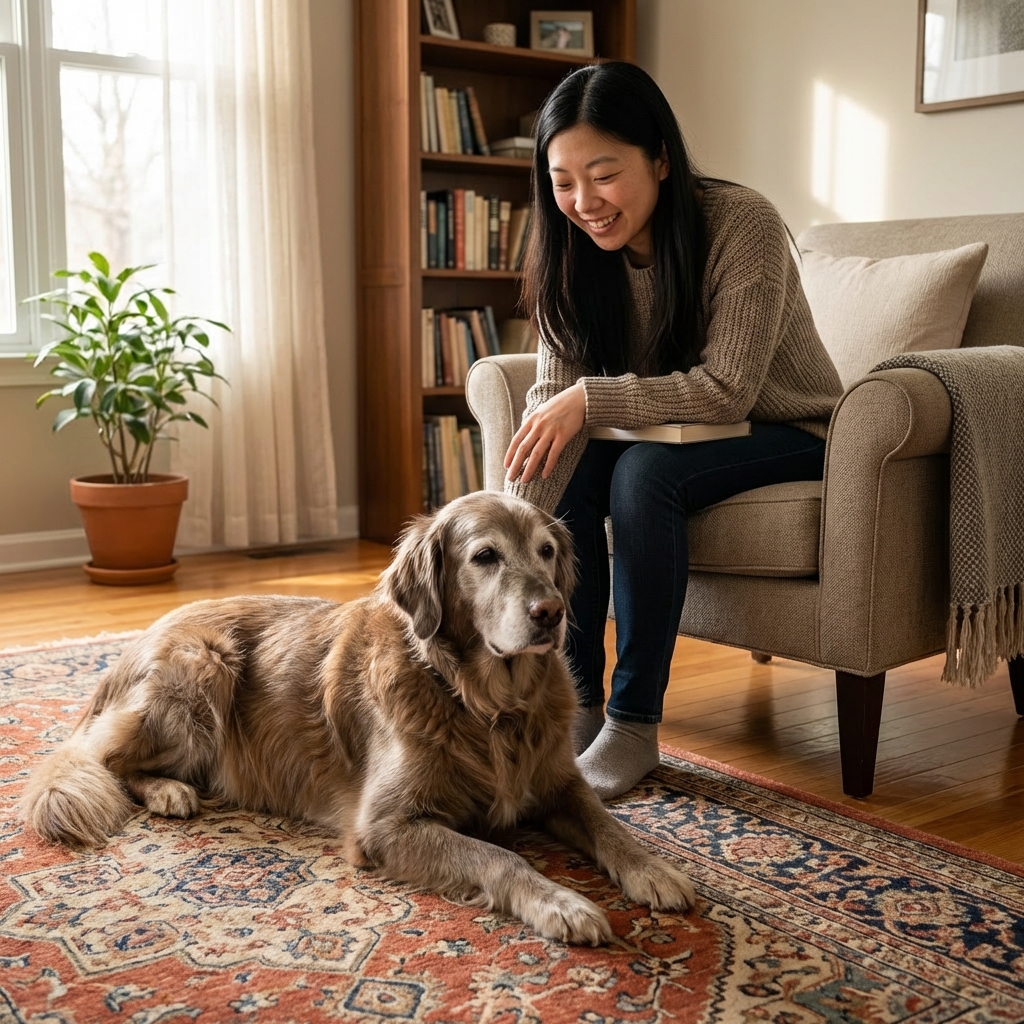
- Create a cozy “safe zone” bed in a quiet area
Protect sleep
- Offer a calming bedtime routine at the same time nightly
- Increase daytime enrichment to reduce long boredom naps
- Ask your vet about safe options if nighttime anxiety is severe
Support bathroom success
- More frequent potty breaks, especially before bed
- Consider a predictable schedule: wake up, after meals, mid-day, evening, bedtime
- Use washable pads in a consistent location if needed
- Reward outdoor potty like they are a puppy again
Keep the brain engaged, gently
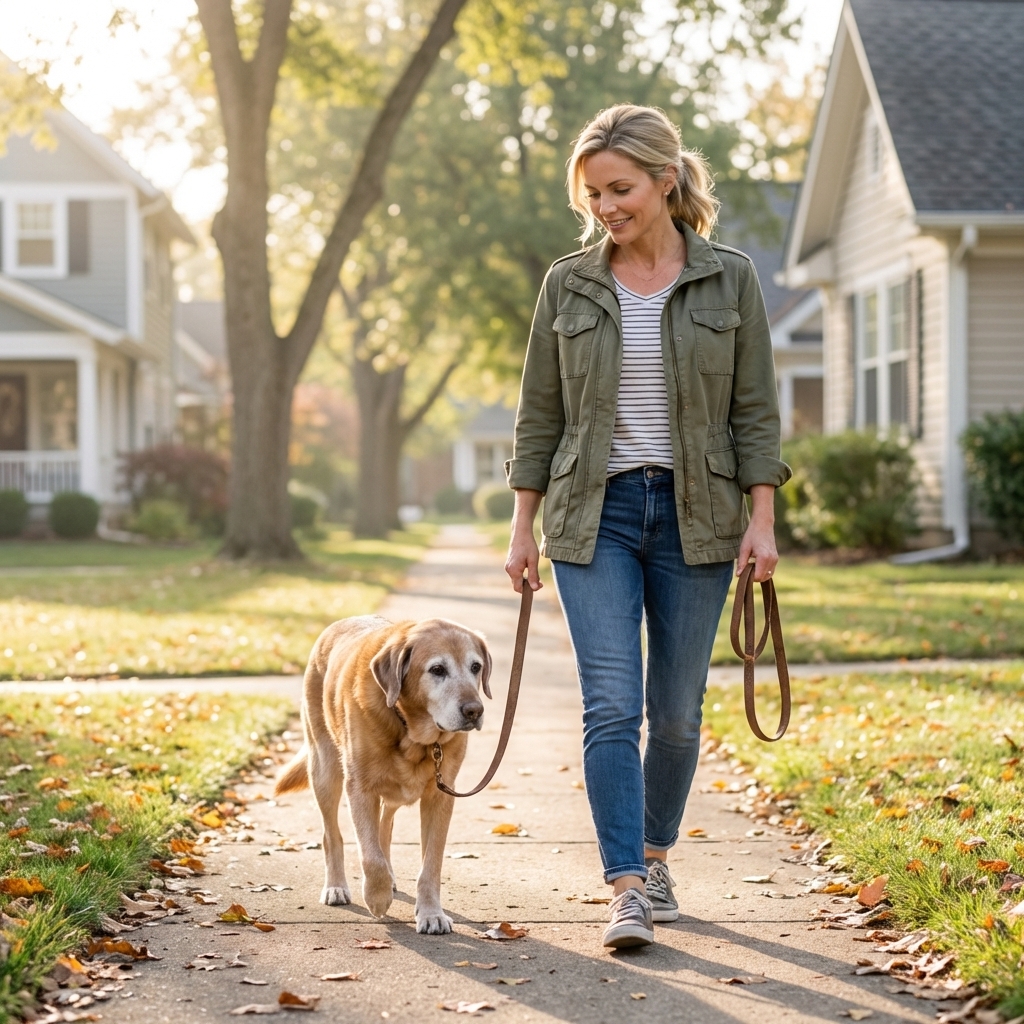
- Short sniff walks are wonderful “brain exercise”
- Food puzzles that are easy to solve (avoid frustration)
- Simple cues your dog knows well: sit, touch, find it
- Massage and calm handling can help many dogs relax
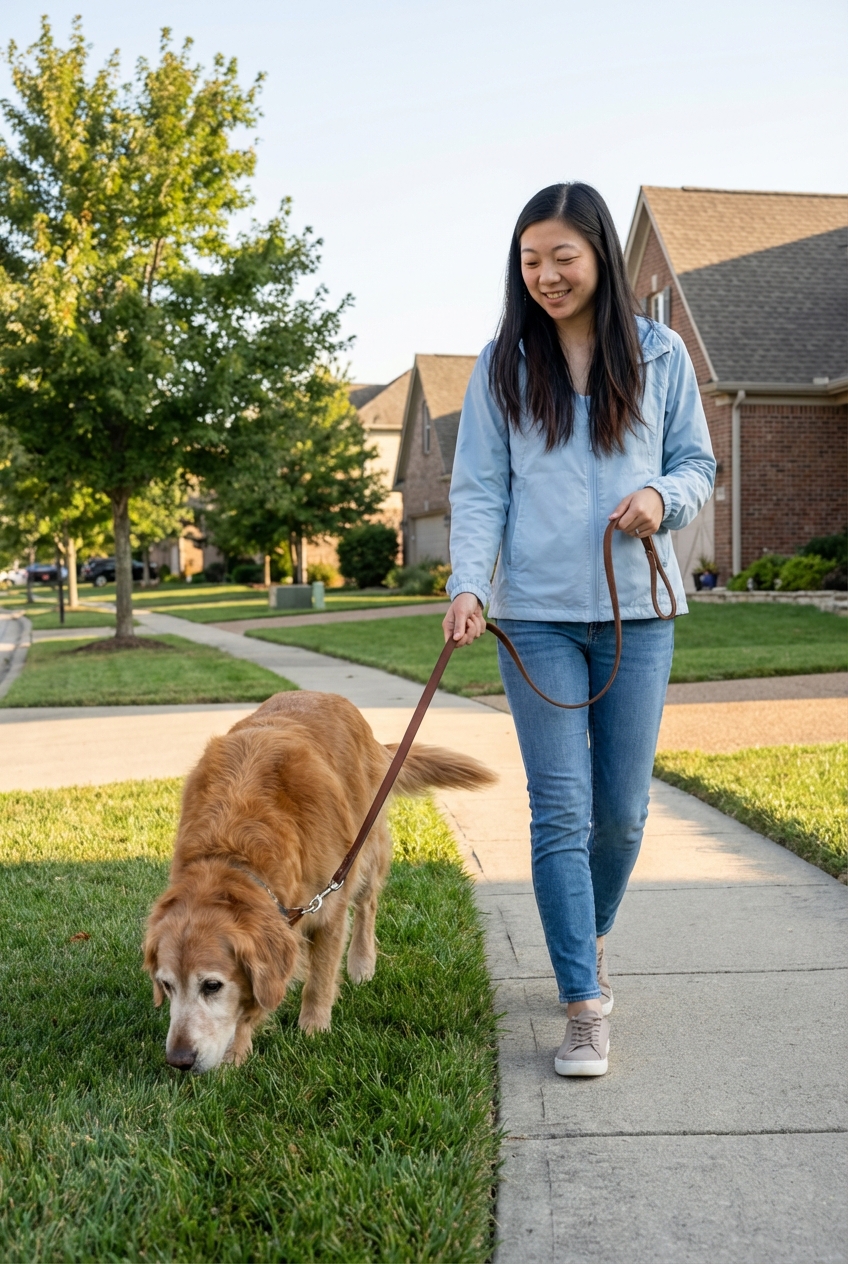
One note from experience: If your dog seems more anxious, doing less can be more. Choose enrichment that soothes, not challenges.
Nutrition and supplements to discuss
Nutrition will not “cure” dementia, but diet can support overall brain health and help some dogs function better. Benefits depend on the whole diet, the individual dog, and the specific product and dose. Talk with your veterinarian before adding supplements, especially if your dog is on other medications or has a history of pancreatitis.
Diet strategies often recommended
- Consistent, high-quality protein to support muscle and overall health
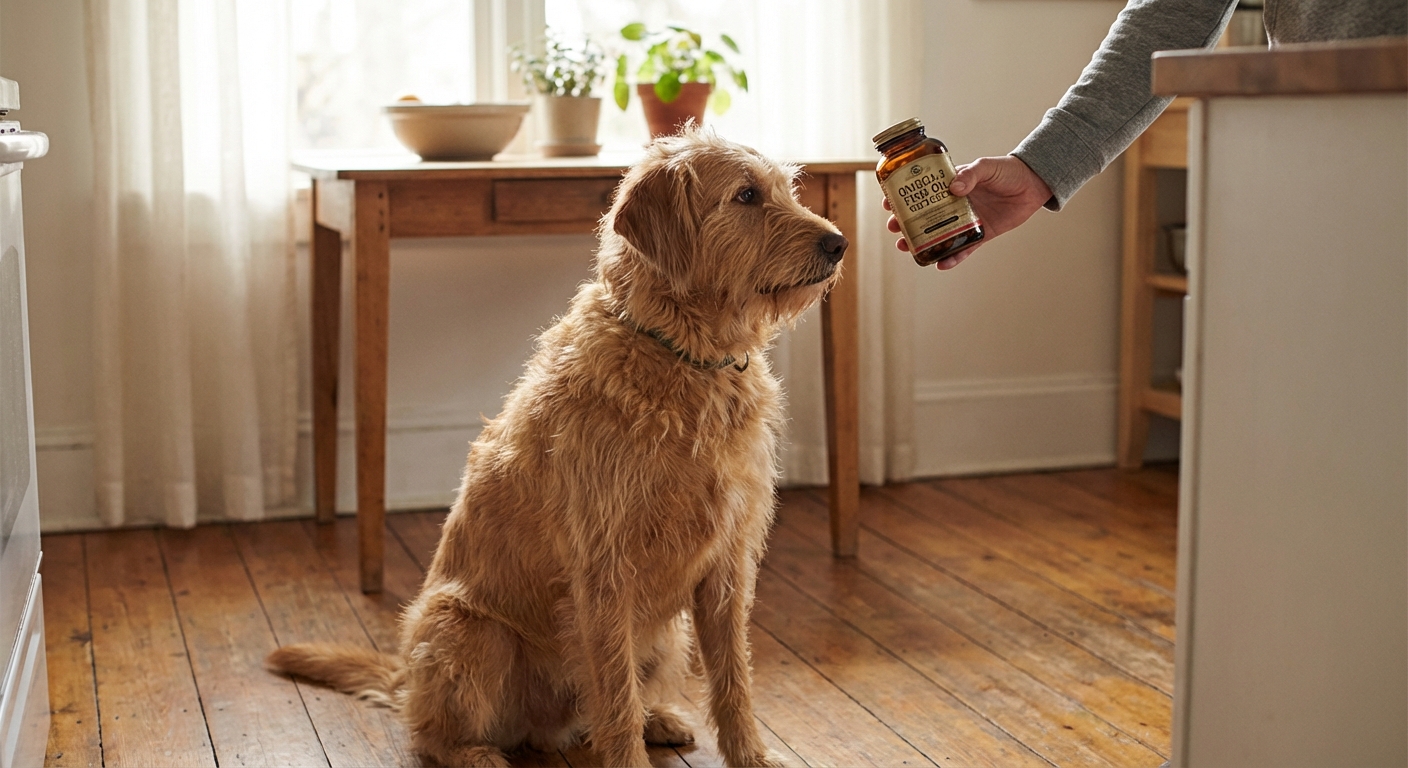
- Healthy fats, including omega-3 fatty acids (DHA and EPA), which may support brain health
- Antioxidant support through a complete and balanced diet (some prescription senior or cognitive-support diets are formulated for this)
- Weight management because excess weight can worsen mobility and inflammation
If you are curious about adding fresh, whole foods, start slowly and keep it simple. Not all “healthy” human foods are safe for dogs. Avoid grapes and raisins, onions, garlic, and anything sweetened with xylitol. If you are using fish oil, ask your vet about the right product and dose, since too much can cause GI upset and can be risky for some dogs.
Medications and veterinary options
Your veterinarian may recommend prescription options that are used to support cognitive function, anxiety, sleep, or secondary issues like pain. Pain control is a big one. A dog in pain can look confused, withdrawn, or restless, especially at night.
Common options you may hear about include selegiline (a classic CCD medication), prescription cognitive-support diets, and targeted supplements such as SAMe or omega-3s. For sleep or nighttime restlessness, your vet may discuss options like melatonin or anxiety medications when appropriate. What fits depends on your dog’s health history and other medications.
If you suspect dementia, do not wait until quality of life is clearly declining. Early support often gives families the best results.
How to track changes
CCD can progress slowly, so it helps to measure what matters. Pick 3 to 5 behaviors and track them weekly.
- Night waking: how many nights per week
- Accidents: number per week
- Pacing episodes: how often and how long
- Appetite: normal, decreased, increased
- Social interest: seeks affection, neutral, avoids
Bring this log to your veterinary visits. It helps your care team adjust the plan based on real data, not just memory.
Quality of life
This is the hardest part for loving families. If your dog is frequently distressed, cannot rest, seems constantly lost, or has uncontrolled pain or anxiety, it is time for a compassionate quality-of-life conversation with your veterinarian.
Needing that conversation does not mean you failed. It means you are advocating for comfort.
Senior dogs do not need a perfect day every day, but they do deserve more good days than hard ones.
If you are seeing possible signs of dementia, you are already doing the right thing by paying attention. With the right support, many dogs can enjoy comfort, connection, and routines for months or even years.