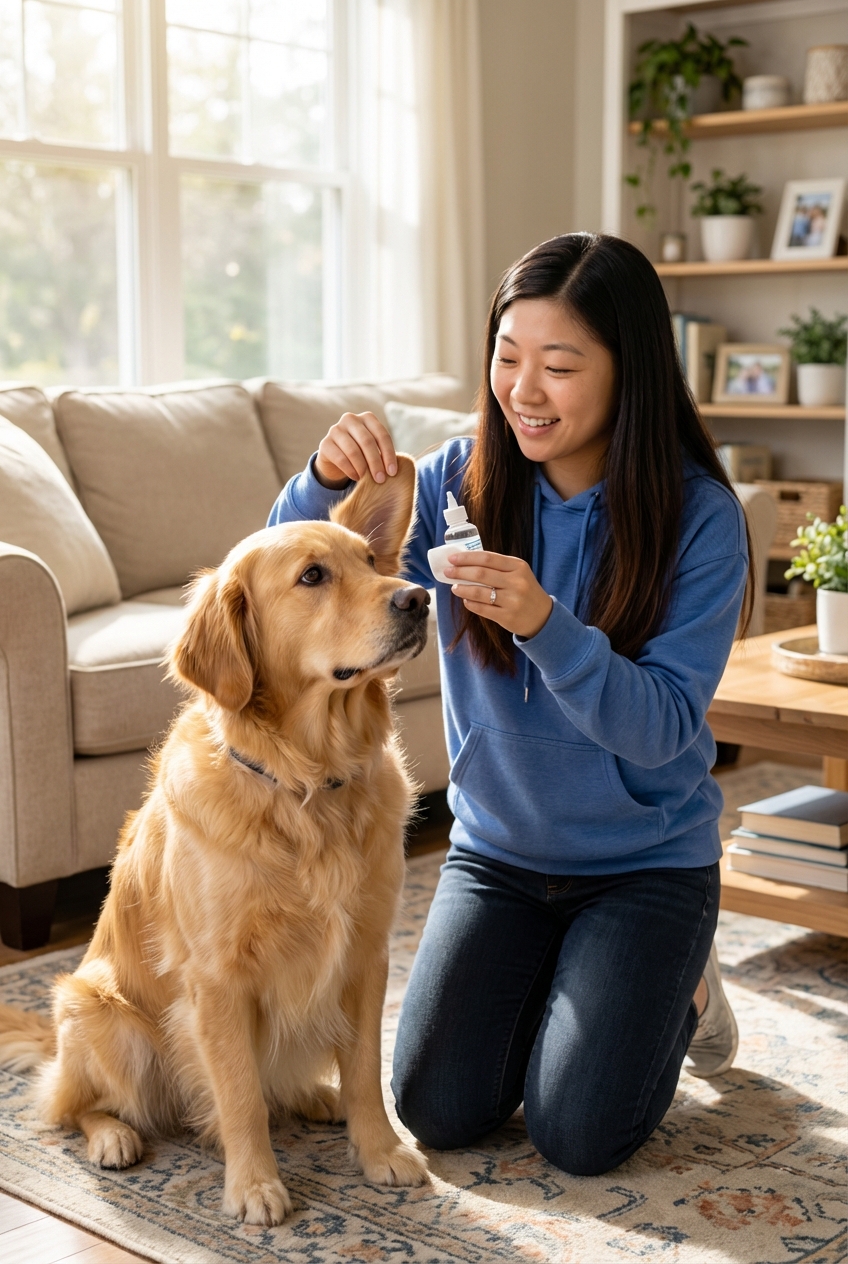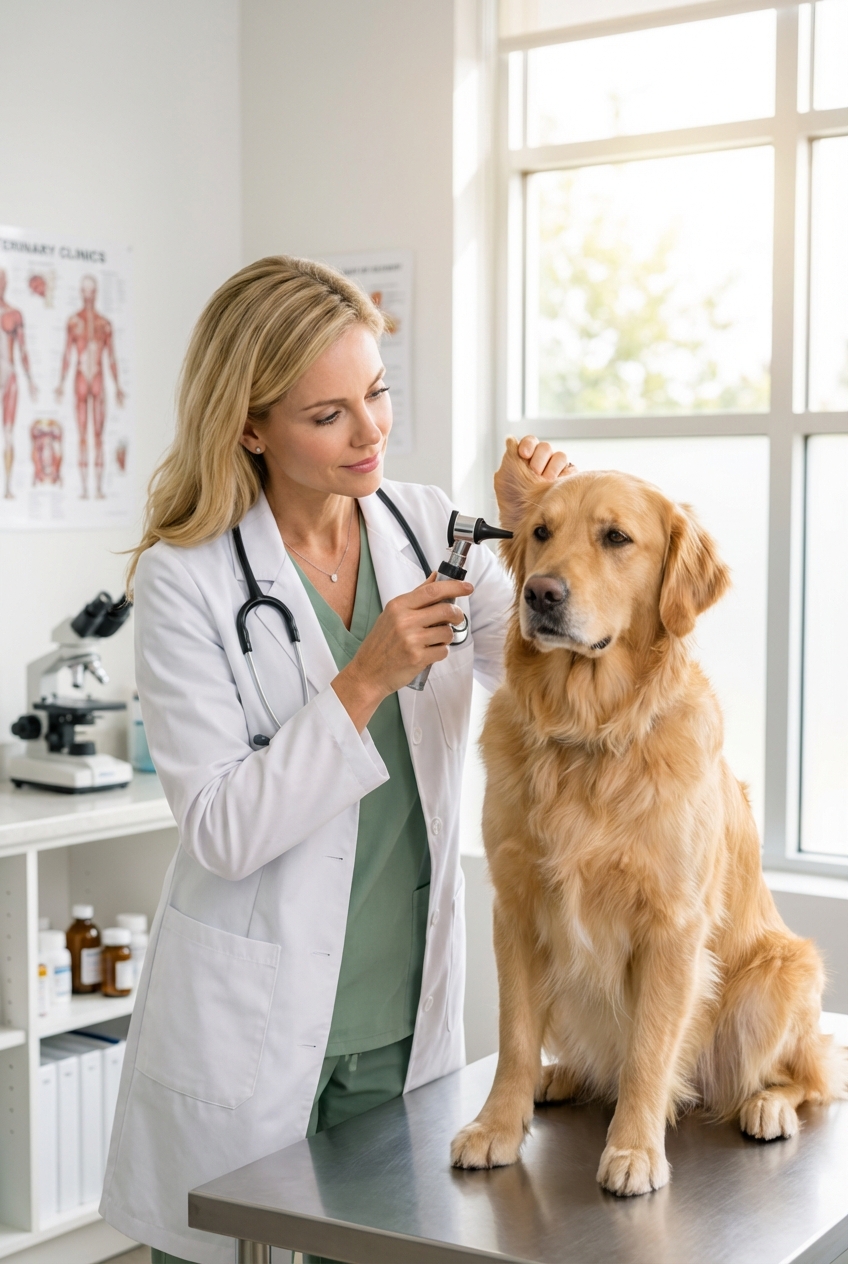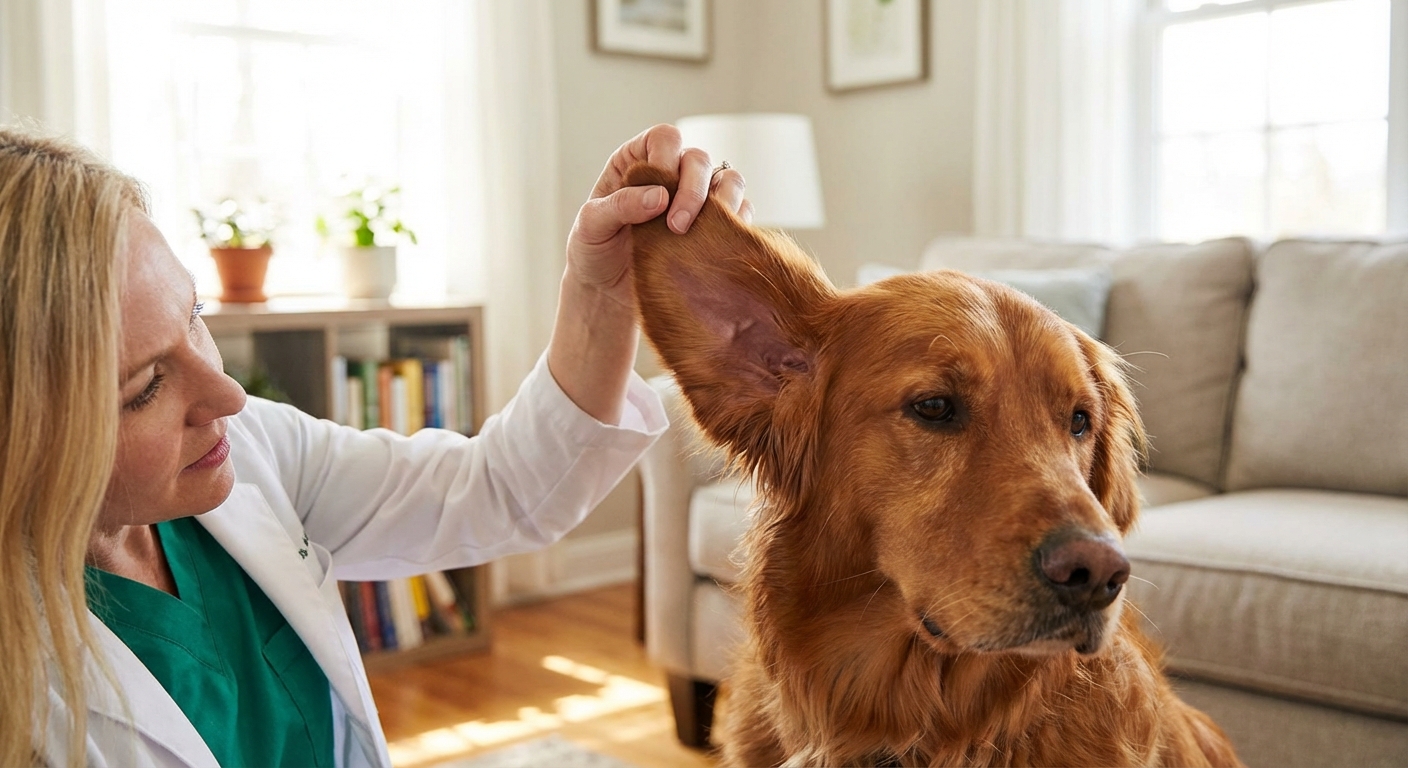
Vet-assistant guide to cleaning your dog’s ears safely. Learn what to use, what to avoid, step-by-step instructions, how often to clean, and red flags to c...
Article
•
Designer Mixes
How to Tell If Your Dog Has an Ear Infection

Shari Shidate
Designer Mixes contributor
If your dog suddenly has itchy ears, a funky smell, or they yelp when you touch their head, an ear infection might be brewing. Ear problems are common, especially in floppy-eared mixes and dogs with allergies, but the good news is that when you catch the signs early, treatment is usually straightforward.
As a veterinary assistant, I always tell families this: ears are a little like skin folds. They are warm, dark, and sometimes moist, and that combination can invite bacteria or yeast to overgrow. It can get painful fast.
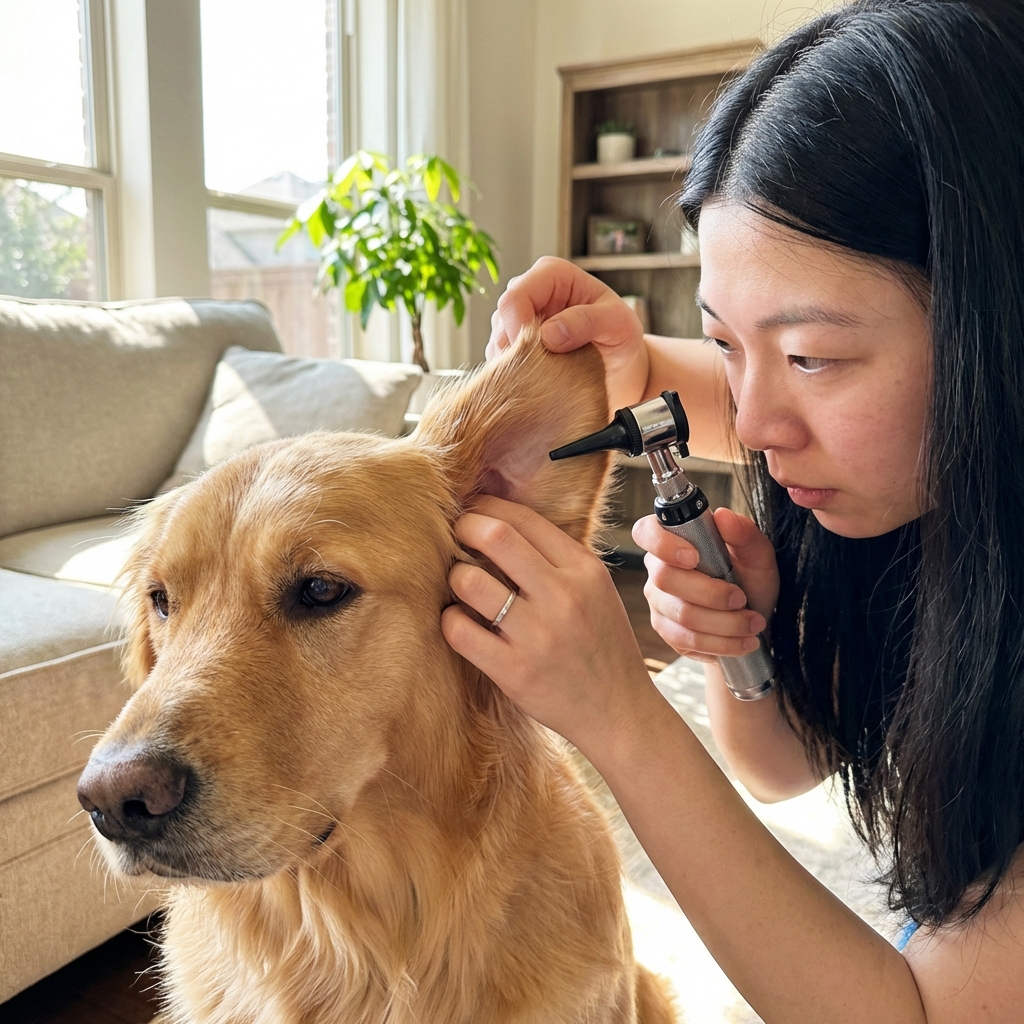
Quick ear anatomy
Dogs have an ear canal that is more L-shaped than a human’s. The shape can vary a bit by breed, but the big takeaway is the same: debris and moisture can get trapped more easily than in people. When the ear canal gets inflamed, it can swell, trap more wax and discharge, and create a cycle of discomfort.
Also, an ear infection is often a symptom, not the root cause. Many dogs get recurring infections from allergies, moisture from swimming, ear mites, a foreign body (like a foxtail), or trapped hair and wax.
Common signs
Not every dog shows every sign, but these are the big ones to watch for.
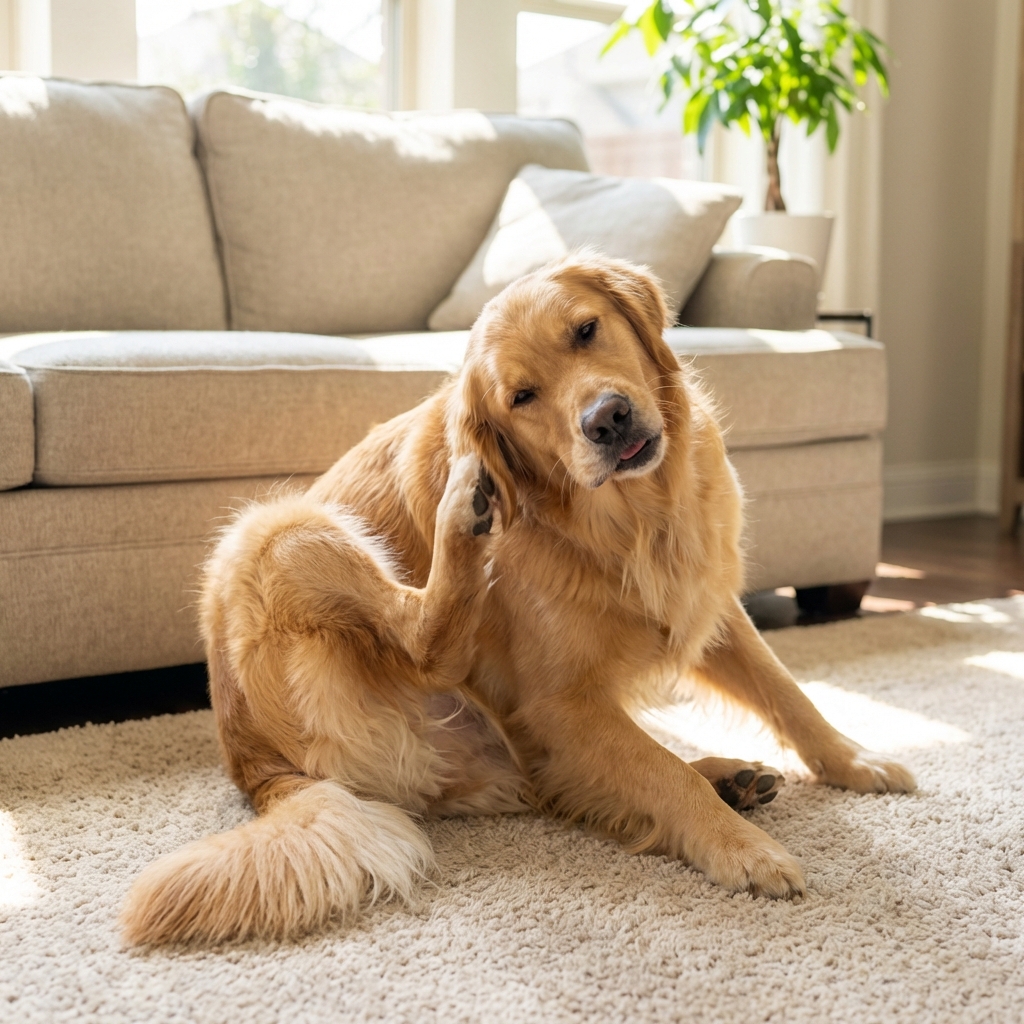
- Head shaking or frequent ear scratching
- Redness inside the ear flap or at the ear opening
- Odor that smells yeasty, sour, or just off
- Discharge that may be brown, yellow, green, creamy, or waxy
- Swelling or thickened ear tissue
- Pain when you touch the ear or head, or your dog pulls away
- Crusts or scabs around the ear opening
- Behavior changes like irritability, less play, or avoiding petting
- Balance issues, head tilt, or walking a little drunk (more urgent)
Yeast vs bacteria vs mites
You cannot diagnose the exact cause by sight alone, but there are some helpful patterns. Your vet will usually confirm what is going on with an ear cytology (a quick microscope check of the debris) and, if mites are suspected, an otoscope exam and/or a mite check (often a direct smear with mineral oil). Mites can show up on cytology sometimes, but they can be missed.
Possible yeast overgrowth
- Often smells like musty corn chips or bread dough
- Brown, waxy discharge
- Common in dogs with allergies
Possible bacterial infection
- Discharge may be yellow, green, or creamy
- Can smell sharp, foul, or infected
- Often looks more inflamed and can be more painful
Possible ear mites (more common in puppies and multi-pet homes)
- Dark, crumbly debris that can resemble coffee grounds
- Very itchy, often both ears involved
- May spread to other pets
Even if you suspect mites, skip the over-the-counter guessing game. Some ear products can irritate an already inflamed ear canal, and some are unsafe if the eardrum is damaged.
Outer vs deeper infections
Most everyday ear infections in dogs start in the outer ear canal (otitis externa). When inflammation and infection move deeper into the middle or inner ear, that is when you may see head tilt, balance trouble, nausea, or unusual eye movements. Those signs are a same-day vet situation.
At-home ear check
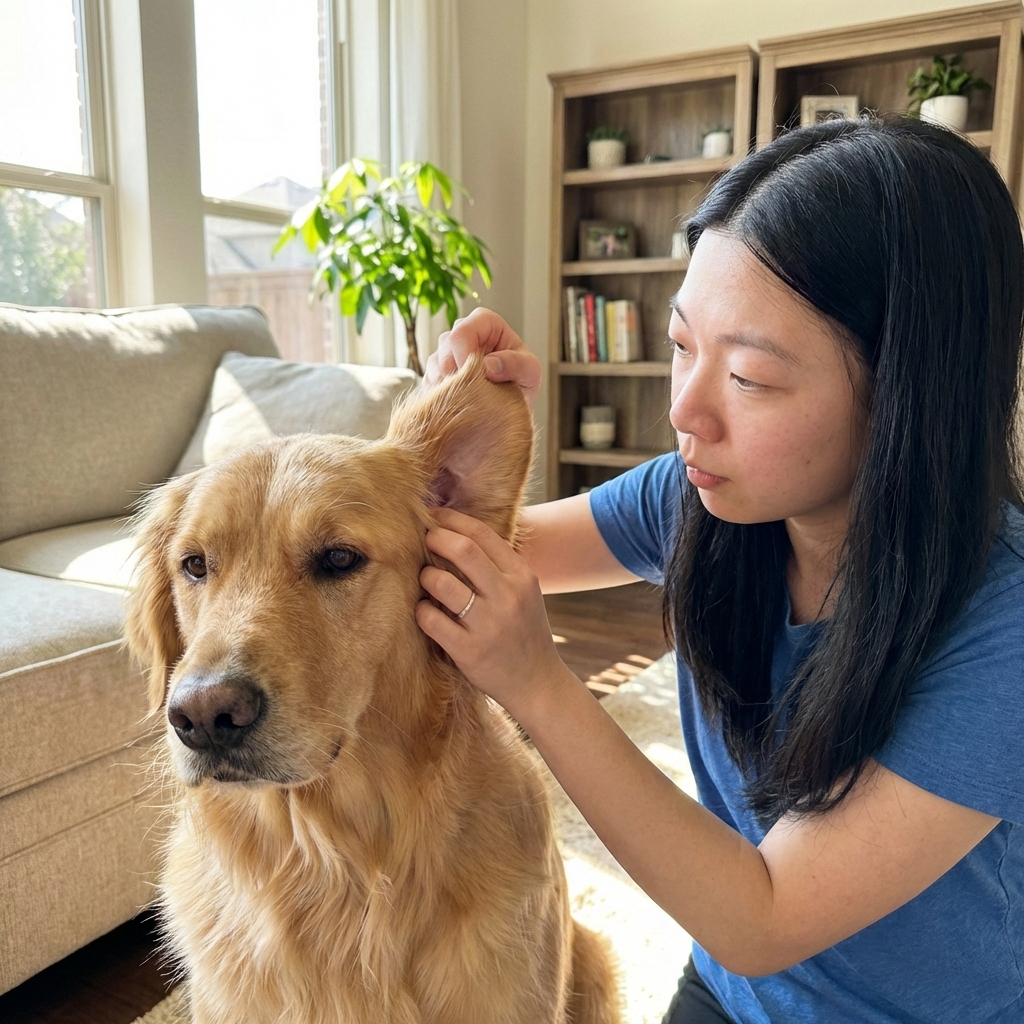
You do not need tools or a deep look to get useful information. A gentle check once a week can help you catch problems early, especially for dogs prone to ear issues.
What to do
- Look: Lift the ear flap. The skin should be a healthy pale pink, not angry red.
- Smell: A strong odor is a common early warning sign.
- Notice the wax: A little wax is normal. Thick, sticky, colored discharge is not.
- Watch their reaction: Flinching or pulling away suggests tenderness.
What not to do
- Do not insert cotton swabs into the ear canal.
- Do not pour in hydrogen peroxide, vinegar mixes, or essential oils unless your vet specifically instructs you.
- Do not start leftover ear meds from a previous infection. The cause may be different this time.
- Do not flush an ear that is very painful or very swollen. If the eardrum is ruptured (or close to it), the wrong product can cause more irritation and, in some cases, harm.
When to call the vet
If your dog has mild itching and only a small amount of wax, you can call your vet for guidance and likely schedule an appointment soon. But some signs should move to the top of your priority list.
Call within 24 to 48 hours if:
- Your dog is shaking their head repeatedly
- There is odor, redness, or discharge
- Your dog seems uncomfortable when you touch the ear
- The ear looks swollen
Go in today if:
- Your dog has a head tilt, loss of balance, nausea, or abnormal eye movements
- The ear is bleeding or severely swollen
- Your dog cries out in pain or cannot settle
- You suspect a foreign body like a foxtail, seed, or insect
Deeper ear involvement can affect balance and is not something to wait out.
What your vet may do
Most ear infection visits are quick but very specific. Here is the typical flow:
- Ear exam with an otoscope to check the canal and eardrum
- Ear cytology (microscope check) to identify yeast, bacteria, and inflammation
- Mite check if the history and debris pattern fits
- Cleaning in clinic if the ear is very gunky (sometimes sedation is needed for painful ears)
- Prescription ear medication tailored to what is actually in the ear
- Plan for the underlying cause if allergies or chronic inflammation are suspected
If infections keep returning or do not improve as expected, your vet may recommend a culture and sensitivity (to pick the right antibiotic), allergy testing or diet trials, and in some cases imaging to look for middle ear disease, polyps, or masses.
This targeted approach matters because treating yeast like bacteria, or vice versa, can drag the problem out and make it more uncomfortable for your dog.
Helpful facts
- Floppy ears are adorable and higher maintenance. Less airflow can mean more trapped moisture.
- Allergies can show up in the ears. Some dogs show ear issues early, while others start with itchy skin or feet.
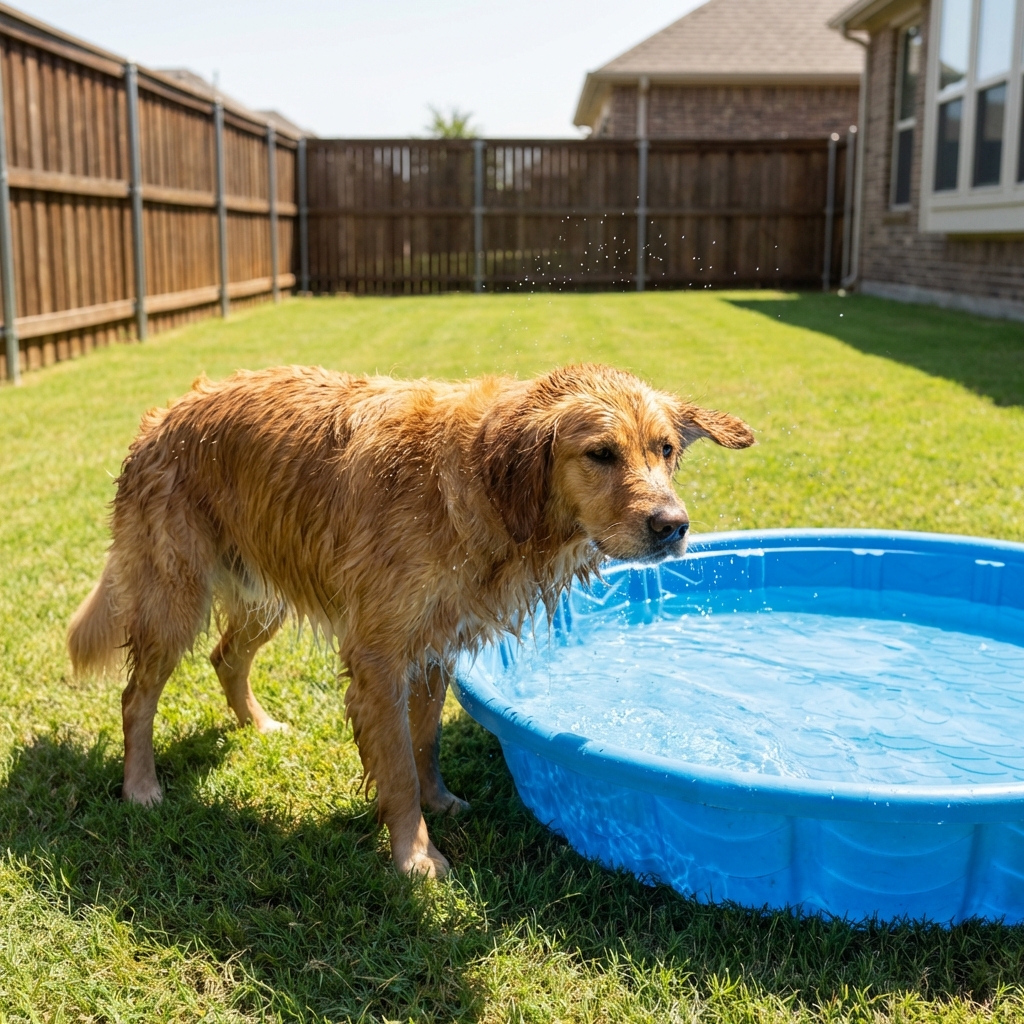
- Swimming is a common trigger. Moisture left in the canal can kick off inflammation and overgrowth.
- Head shaking can cause an aural hematoma. That is a painful blood pocket in the ear flap that often needs a veterinary procedure and sometimes surgery.
Prevention tips
Prevention is all about controlling moisture, wax buildup, and inflammation. Start small and stay consistent.
Simple habits that help
- Dry ears after baths and swimming using a soft towel on the ear flap and outer opening.
- Use a vet-recommended ear cleaner if your dog is prone to wax or yeast. Ask your clinic which formula fits your dog and how often to use it.
- Keep grooming on schedule, especially for poodle mixes and long-haired dogs that trap moisture and debris.
- Address allergies with your vet. Ear infections that keep coming back often need an allergy plan, not just another ear drop.
- Ask about food triggers if infections are chronic. Food allergy is a real driver for some dogs with recurring ear disease, and your vet can guide a proper diet trial.
- Support overall health with regular checkups and weight management. It will not prevent every ear infection, but it can help your dog stay more comfortable and resilient overall.
A gentle cleaning rhythm
For many infection-prone dogs, cleaning once weekly can help. For dogs with healthy ears, less is usually more. Over-cleaning can irritate the ear canal. Your veterinarian can recommend a schedule based on your dog’s history.
If your dog’s ear is very painful, very swollen, or has heavy discharge, skip home cleaning and get to the vet. Cleaning can be uncomfortable, and you do not want to push debris deeper into the canal.
Bottom line
If you notice odor, redness, discharge, or lots of head shaking, trust your instincts and get your pup checked. Ear infections are common, but they are not no big deal. They can be painful, they can worsen quickly, and repeated infections often mean an underlying issue like allergies, a foreign body, or chronic inflammation that deserves attention.
Your dog does not have to tough it out, and neither do you. With the right diagnosis and a little prevention routine, most dogs get comfortable again fast.