Dog UTI symptoms can mimic stones or other issues. Learn the full treatment plan: urinalysis and culture, correct antibiotics, pain control, hydration, home ...
Article
•
Designer Mixes
How to Tell If Your Dog Has a UTI

Shari Shidate
Designer Mixes contributor
When a dog has a urinary tract infection (UTI), the signs can be surprisingly easy to miss at first. I see it often in veterinary settings: a dog who seems mostly fine, but is suddenly having accidents, asking to go out more, or licking the genital area more than usual. Some dogs are also very stoic and show only subtle changes, like slightly increased drinking, mild restlessness, or a change in how long they squat.
The good news is that UTIs are very treatable, and catching them early can prevent a lot of pain and bigger complications.
What a UTI is (and what it is not)
Most canine UTIs are bacterial and involve the bladder (cystitis). People often use “UTI” as a catch-all, but several different issues can look similar from the outside.
- Bladder infection (bacterial cystitis): Infection and inflammation in the bladder.
- Urinary crystals or bladder stones: Can cause straining and blood in the urine, with or without infection.
- Sterile inflammation: Bladder irritation without bacteria.
- Incontinence: Leaking urine, often while resting, without pain or straining.
- More serious concerns: Kidney infection, prostate disease (males), or tumors can also mimic UTI signs.
Because these conditions overlap so much, there is not a reliable at-home test. Your veterinarian needs to check a urine sample.
Common signs your dog may have a UTI
Some dogs show classic symptoms, and others are subtle. Here are the most common things I want pet parents to watch for:
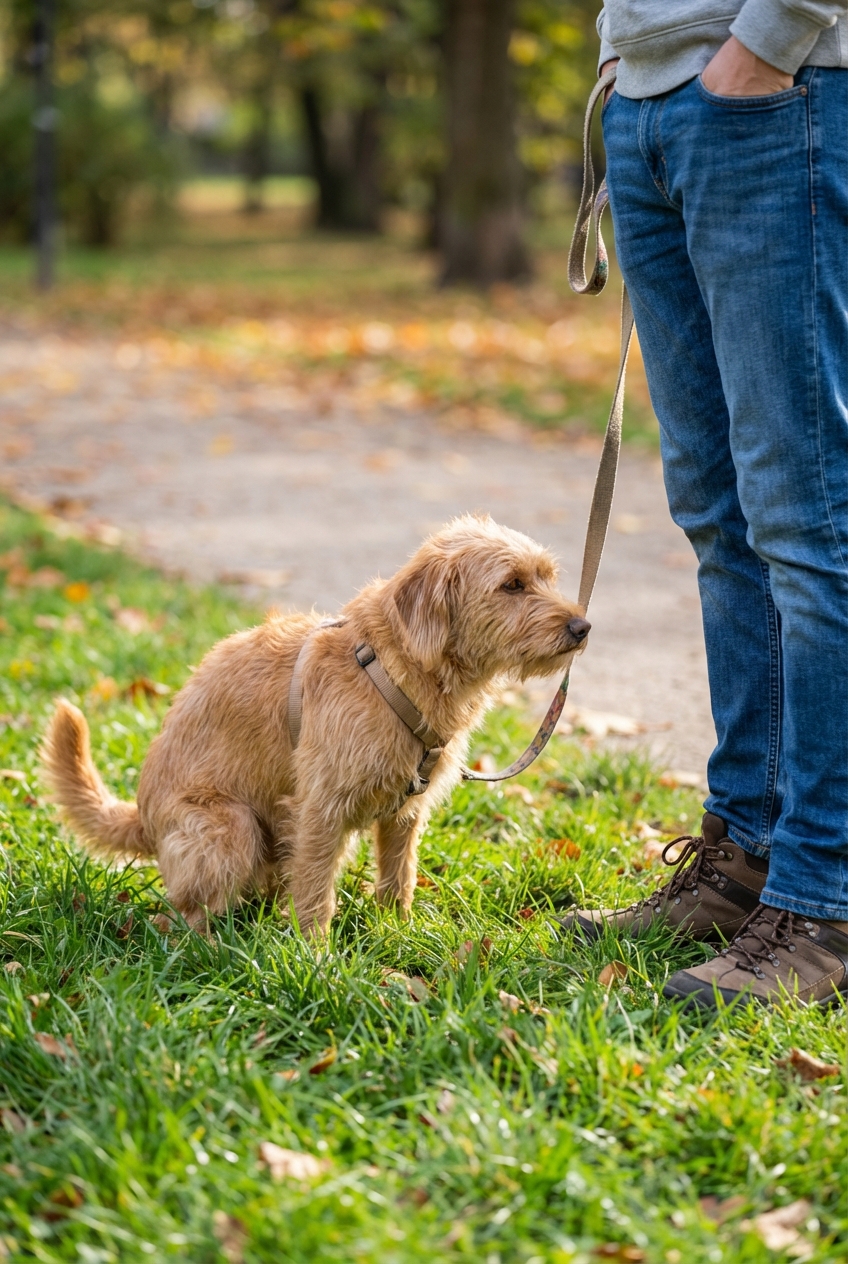
- Frequent urination: Asking to go outside more often, or squatting many times on a walk.
- Straining to urinate: Trying hard to pee, taking longer than usual, or only passing small amounts.
- Accidents in the house: Especially in a previously house-trained adult dog.
- Blood-tinged urine: Pink, red, or rust-colored urine.
- Strong odor or cloudy urine: Not always present, but can be a clue.
- Licking the vulva or penis: Excessive licking can signal irritation.
- Discomfort: Whining, restlessness, hunched posture, or avoiding being touched around the belly.
- Low energy or decreased appetite: This can happen, especially if the infection is progressing.
Risk factors
UTIs can happen to any dog, but I tend to see them more often when a dog has one or more risk factors, including:
- Female dogs (shorter urethra can make infections easier)
- Senior dogs
- Diabetes or Cushing’s disease
- Bladder stones or crystals
- Anatomical or conformation issues (including recessed vulva in some females)
- History of recurrent UTIs
When it is an emergency
Some urinary symptoms need same-day veterinary care because they can be dangerous quickly.
Go to an emergency vet now if:
- Your dog is straining but not producing urine (or only dribbling a few drops).
- Your dog has a distended, painful abdomen.
- You see vomiting, severe lethargy, fever, or your dog seems off in a big way.
- Your dog suddenly cannot urinate, especially if they are male (blockage risk is higher, but obstruction can happen in females too).
Urinary blockage is not a wait and see situation. If you are unsure, call an ER clinic and describe what you are seeing.
What to do at home
You can support your dog’s comfort and help your veterinarian by gathering good information.
1) Encourage safe hydration
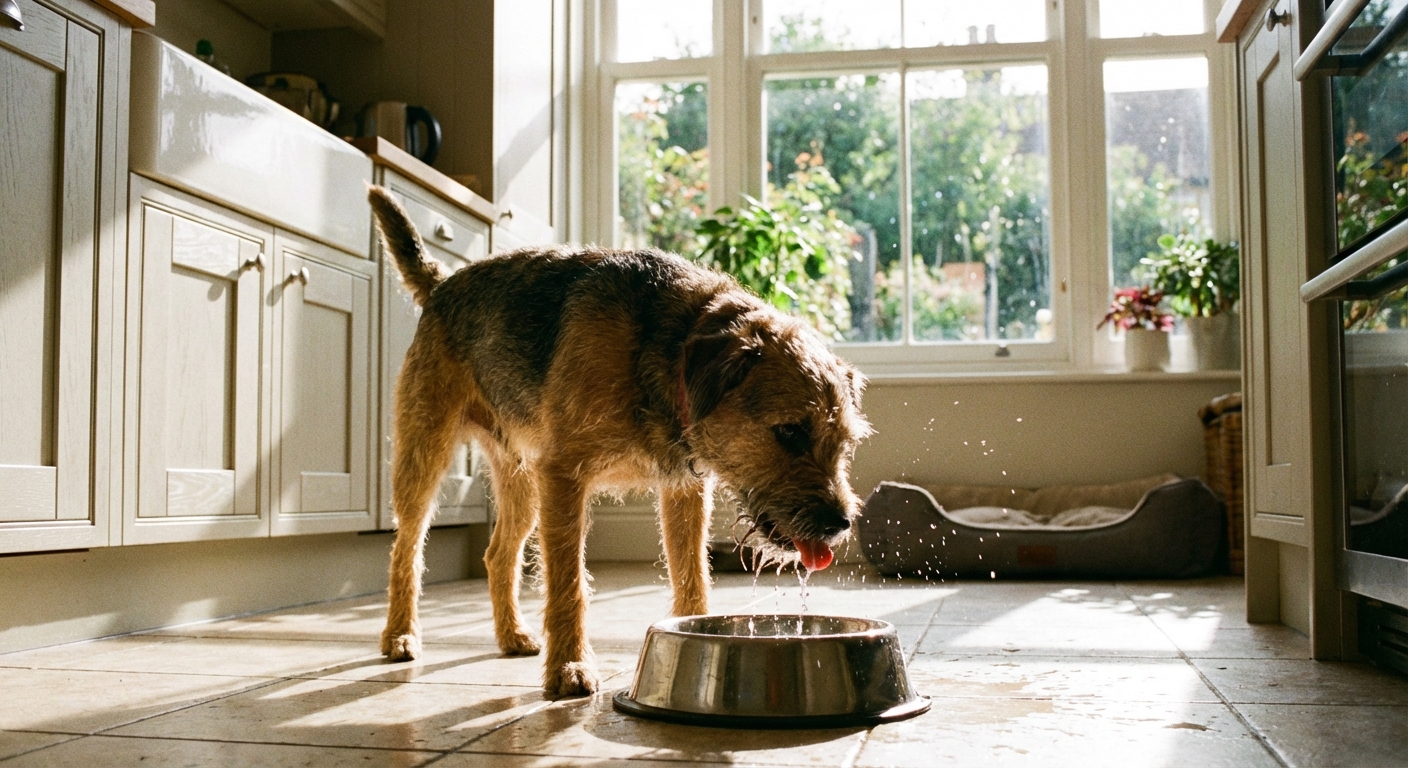
- Offer fresh water in multiple locations.
- If your vet has not restricted fluids for another condition, you can add a splash of water to meals or offer a little low-sodium broth made for pets.
2) Take your dog out more often
Frequent potty breaks can help reduce discomfort and accidents. Do not scold your dog for accidents. A UTI is not a training problem.
3) Track symptoms
- How often your dog tries to urinate
- Whether urine is produced each time
- Any blood seen
- Appetite, energy, drinking changes
- New medications or diet changes
4) Avoid common mistakes
- Do not give leftover human antibiotics.
- Do not give human pain medications (including ibuprofen, naproxen, or acetaminophen) unless your veterinarian specifically tells you to.
- Do not use human UTI products without your vet’s guidance. This includes cranberry pills formulated for people. Evidence in dogs is mixed, and some products are not appropriate for pets.
- Do not restrict water to prevent accidents.
If you are collecting a urine sample
If your clinic asks you to bring a free-catch sample, handling matters. Use a clean container, collect midstream if possible, and keep it cool.
- Use a clean, dry cup with a lid (your clinic may provide one).
- Bring it to the clinic as soon as you can, ideally within 1 to 2 hours.
- If there is a delay, refrigerate it and let your clinic know when it was collected.
If your dog is in pain, cannot urinate, or you are unsure, skip home collection and go in.
How vets diagnose a UTI
A true UTI diagnosis is based on urine testing, not symptoms alone.
Urinalysis
This checks urine concentration, pH, blood, protein, and looks under the microscope for white blood cells, bacteria, and crystals.
Urine culture and sensitivity
This identifies the specific bacteria and which antibiotics are most effective. Culture is especially important for recurrent UTIs, complicated cases, or if symptoms do not clear quickly.
How the urine sample is collected matters
- Cystocentesis: A sterile needle sample from the bladder. This is often preferred because it reduces contamination.
- Free catch: Collected while your dog urinates. Helpful, but can be contaminated by skin or fur bacteria.
Treatment: what most dogs need
Most uncomplicated UTIs are treated successfully with veterinarian-prescribed antibiotics. Your vet may also recommend pain relief or anti-inflammatory support if your dog is uncomfortable. The best antibiotic and the length of treatment can vary depending on whether the infection is uncomplicated or complicated, and whether a culture is performed.
- Give all medication exactly as directed, even if your dog seems normal after a day or two.
- Follow-up testing may be recommended, especially for recurrent infections or if a culture was performed.
- Address underlying triggers if present, like bladder stones, diabetes, Cushing’s disease, or anatomical issues.
A quick improvement is wonderful, but it does not always mean the infection is fully gone. Finishing the prescribed course helps prevent relapse and antibiotic resistance.
When your dog should improve
Many dogs start to feel better within 24 to 48 hours of starting the right treatment. If your dog is worsening, still straining, seems painful, or is not improving within that window, call your veterinarian right away. And if your dog cannot pass urine, treat it as an emergency.
Care tips to help prevent UTIs
Not every UTI is preventable, but these simple habits can lower risk and support urinary health.
Support healthy bathroom habits
- Provide regular potty breaks. Holding urine too long may contribute to bladder irritation in some dogs.
- For dogs prone to UTIs, add a midday break when possible.
Keep the back end clean
- Trim long hair around the vulva or penis if urine tends to stick to fur.
- For dogs with recurrent issues, gentle pet-safe wipes after potty breaks can help.
Prioritize hydration
- Water intake supports dilution and more frequent flushing of the bladder.
- Wet food or adding water to food may help some dogs drink more, depending on your vet’s recommendations.
Feed for urinary health when needed
If your dog has crystals or stones, diet is not optional. It is part of medical management. Work with your veterinarian on the right plan rather than choosing a urinary product on your own.
UTIs that keep coming back
Recurring urinary issues are a signal to look deeper. If your dog has repeated UTIs, ask your veterinarian about:
- Urine culture (if not already done)
- Bladder stones or crystals
- Vulvar conformation issues in females
- Prostate disease in males
- Diabetes, Cushing’s disease, kidney disease
- Imaging such as X-rays or ultrasound
Many dogs do great once the underlying cause is identified and managed.
Quick checklist: should I call today?
Call your vet within 24 hours if you notice:
- Increased frequency of urination
- Straining, discomfort, or vocalizing while urinating
- Accidents in a house-trained dog
- Blood in the urine
- Excessive licking of the genital area
If your dog cannot pass urine, treat it as an emergency.
A gentle note from a vet assistant
If you are worried you missed the signs, please be kind to yourself. UTIs can come on quickly, and dogs are very good at hiding discomfort. The most important thing is what you are doing now: paying attention, acting early, and getting help when your dog needs it.
Medical disclaimer: This article is for general education and is not a substitute for veterinary diagnosis or treatment. If you suspect a urinary problem, contact your veterinarian promptly.