Sneezing, runny nose, watery eyes or a mild cough? Learn what a dog “cold” looks like, common causes, safe home care, timelines, isolation tips, and when...
Article
•
Designer Mixes
How to Tell If Your Dog Has a Cold

Shari Shidate
Designer Mixes contributor
If your dog is sneezing, sniffling, or coughing a little, it is natural to wonder: Is this just a simple cold, or could it be something more serious? The tricky part is that dogs can get mild upper respiratory infections that look like a cold, but those same symptoms can overlap with allergies, kennel cough, canine influenza, or even heart and lung conditions.
As a veterinary assistant, I always tell families the same thing: watch the whole dog, not just one symptom. The good news is that many mild cases can be supported at home with smart, gentle care, as long as you know the red flags.
Can dogs get colds?
Dogs do not usually catch the same cold viruses that make people sick. Instead, they can pick up different respiratory viruses and bacteria that cause cold-like signs. These infections often spread through close contact with other dogs, especially at:
- Dog daycare and boarding facilities
- Dog parks
- Groomers
- Training classes and shelters
Many mild infections improve with supportive care, but some need veterinary treatment, especially in puppies, seniors, very small dogs, flat-faced breeds, and dogs with chronic health issues.
Common signs of a mild cold
A mild, cold-like illness in dogs often shows up as a mix of these symptoms:
- Sneezing or a runny nose
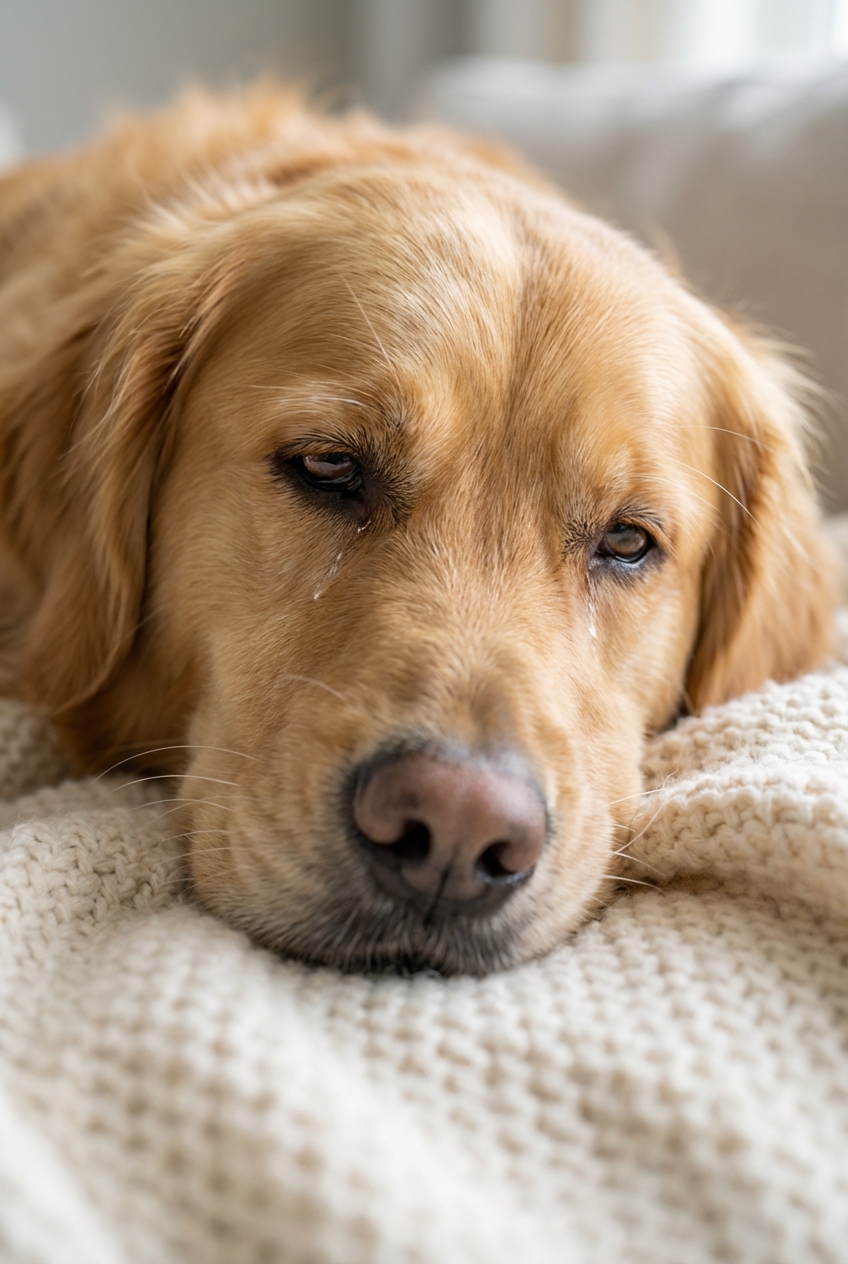
- Watery eyes or mild eye discharge
- Soft cough or occasional hacking
- New or worse noisy breathing (especially when congested)
- Low energy or seeming “a little off”
- Decreased appetite (but still drinking)
- Fever (not always obvious at home)
If your dog is still bright-eyed, willing to drink water, and resting comfortably, you may be dealing with a mild infection. If you are seeing worsening symptoms, thick discharge, or breathing trouble, it is time to call your vet.
What it could be instead
This is where being observant really matters. Several conditions can mimic a “cold,” and some are contagious or need different treatment. When in doubt, your vet can help you sort it out quickly and safely.
Allergies
Allergies often cause sneezing, watery eyes, and licking paws, but usually no fever. Symptoms may come and go with seasons, dust, or grass exposure.
Kennel cough
Kennel cough (infectious tracheobronchitis) often causes a dry cough that can sound honking in some dogs, but not all. It may flare up after excitement, barking, or pulling on a leash, and it spreads easily among dogs.
Canine influenza
Dog flu can look like a cold at first, then progress to a deeper cough, lethargy, and fever. Some dogs develop pneumonia. This is one reason we take coughing seriously, especially if your dog was recently around many other dogs.
Something stuck in the nose
A foxtail or small piece of debris can cause sudden sneezing fits, pawing at the nose, or one-sided nasal discharge. That situation needs veterinary attention.
Heart or lung problems
Coughing is not always infectious. If your dog has a persistent cough, exercise intolerance, fainting episodes, or a belly that looks swollen, that is a concerning sign and your vet should evaluate them to rule out heart, lung, and other causes.
Serious infections in unvaccinated dogs
I do not say this to scare you, but it is important: if an unvaccinated dog has respiratory signs plus vomiting, diarrhea, thick eye discharge, or any neurologic signs (tremors, stumbling, seizures), they need urgent veterinary care to rule out serious illnesses like distemper.
Quick at-home check
- How is their energy? Are they still interested in normal activities, just a bit slower?
- Are they eating and drinking? Skipping one meal can happen, but refusing food and water is more concerning.
- How is their breathing? Are they breathing comfortably at rest, or working harder than usual?
- What does the discharge look like? Clear and watery is often more mild. Yellow or green discharge can happen with irritation, but if it is thick, foul-smelling, bloody, or your dog seems unwell, call your vet.
- Any recent dog exposure? Boarding, daycare, grooming, dog parks, or a new dog in the home increases the chance of contagious illness.
Home care for mild symptoms
If symptoms are mild and your dog is breathing comfortably, here are supportive steps that can help them feel better while their immune system does its job.
1) Rest and reduce stress
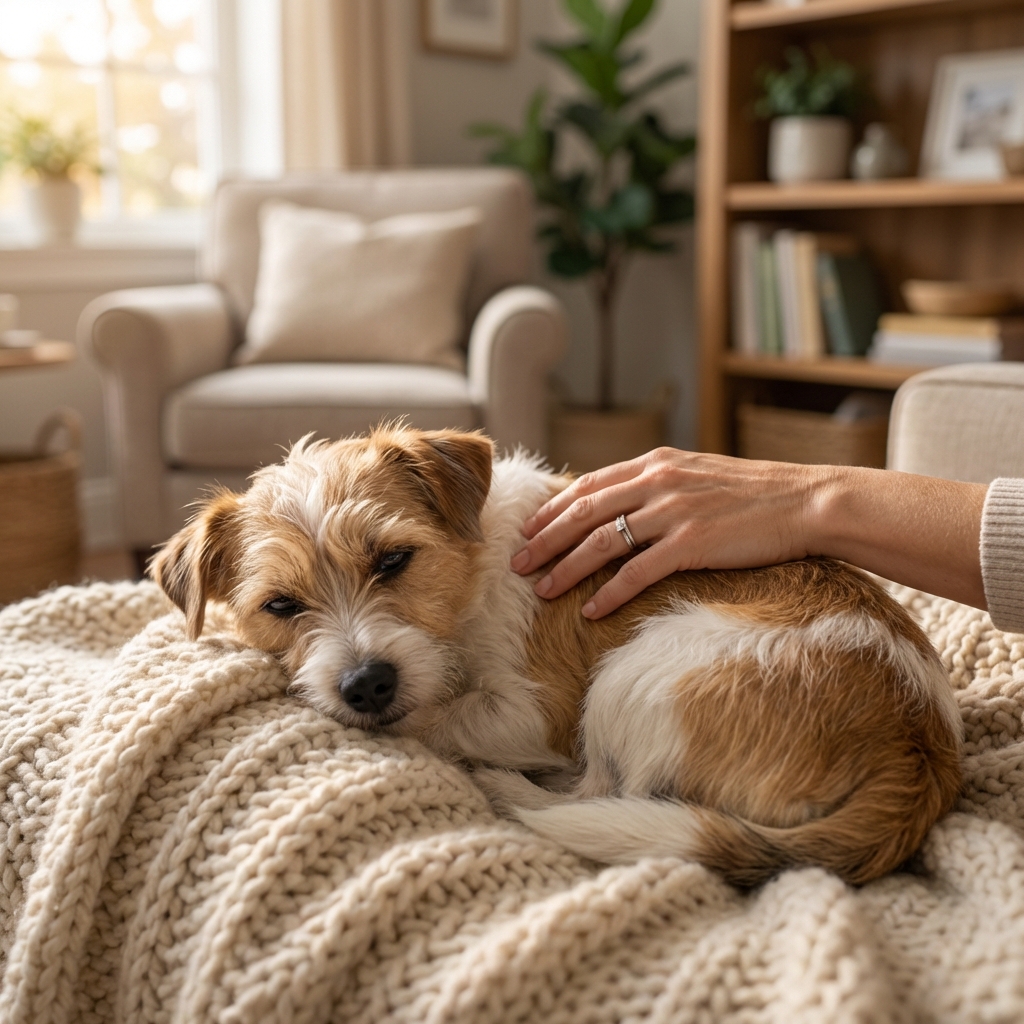
Keep exercise gentle. Short potty breaks are perfect. Skip the dog park and playdates until they are fully better.
2) Limit contact with other dogs
As a rule of thumb, treat coughing and sneezing as contagious until proven otherwise. Keep your dog away from other dogs and shared water bowls until symptoms are gone. Many respiratory bugs can spread for days, and some dogs remain contagious even as they start to act better.
3) Keep them hydrated
Offer fresh water frequently. If your dog is not excited about drinking, you can offer:
- Water mixed with a little low-sodium broth (no onion or garlic)
- Wet food or adding warm water to meals
4) Help with congestion safely
Steam can loosen mucus. Sit with your dog in a bathroom with a hot shower running for 10 to 15 minutes (do not put them in the shower). Keep it calm, warm, and supervised.
Important: Skip steam sessions for flat-faced breeds (like pugs and bulldogs) or any dog that already struggles to breathe, and never allow overheating. If your dog seems stressed or breathes harder, stop and call your vet.
5) Tempt their appetite
A congested dog may not smell their food well, and smell is a big part of appetite. Try warming their food slightly to increase aroma. Simple, vet-approved bland options may include plain cooked chicken and rice for a short time, depending on your dog’s needs.
6) Gentle nose and eye cleaning
Use a soft, damp cloth to wipe discharge. If the discharge becomes thick, sticky, foul-smelling, or colored and your dog seems worse, call your veterinarian.
7) Avoid human cold medications
Please do not give over-the-counter human cold or cough medicines unless your veterinarian specifically instructs you. Many contain ingredients that are unsafe for dogs, such as pseudoephedrine (a decongestant) and acetaminophen, and dosing mistakes are common.
When to call the vet
Trust your instincts. If your dog looks uncomfortable, it is always okay to call. Seek veterinary care urgently if you notice:
- Labored breathing, open-mouth breathing at rest, or blue or pale gums
- Persistent or worsening cough, especially a harsh, frequent, or “can’t settle” cough
- Fever or your dog feels very hot and is lethargic
- Refusing water or signs of dehydration (tacky gums, weakness)
- Thick discharge from the nose or eyes, especially if foul-smelling or bloody
- Vomiting, diarrhea, or severe lethargy alongside respiratory signs
- Puppies, seniors, flat-faced breeds, or dogs with heart or lung disease showing any respiratory symptoms
- No improvement within 48 to 72 hours, or symptoms that persist beyond about 7 to 10 days
A simple viral cold should trend at least a little better over a few days. If your dog is trending worse, not better, that is your sign to get help.
About temperature and fever
A normal dog temperature is often around 101 to 102.5°F (about 38.3 to 39.2°C). A true fever is typically over 103°F (39.4°C).
Most people cannot accurately check a dog’s temperature without a rectal thermometer, and not every dog will tolerate that safely at home. If you suspect fever, call your vet for guidance.
What your vet may do
At the clinic, your veterinarian may listen to the heart and lungs, check temperature, and look at nasal and eye discharge. Depending on symptoms and exposure history, they might recommend:
- Respiratory testing for common contagious pathogens
- Chest X-rays if pneumonia is a concern
- Supportive medications to reduce coughing and inflammation, when appropriate
- Antibiotics if a secondary bacterial infection is suspected
Not every cough needs antibiotics. The right plan depends on what your dog has and how severe it is.
Preventing future sniffles
You cannot prevent every sniffle, but you can reduce risk and protect your dog’s immune system.
Smart prevention steps
- Vaccines: Ask your vet about Bordetella, canine influenza, and other respiratory vaccines based on your dog’s lifestyle.
- Limit exposure during outbreaks: If your area has a kennel cough or flu spike, skip crowded dog spaces.
- Good ventilation: Boarding and daycare facilities with solid ventilation and cleaning protocols help reduce spread.
- Support overall health: Consistent sleep, healthy weight, parasite control, and good nutrition all matter.
Takeaway
If your dog has mild sneezing, a little runny nose, and low energy, a cold-like illness is possible. Focus on rest, hydration, and comfort, and avoid exposing other dogs while symptoms are present.
If you are ever unsure, call your veterinarian. It is one of the kindest things we can do for our dogs, and it gives you peace of mind too.