A calm, family-friendly guide to stroke-like symptoms in dogs: warning signs, what to do right away, what to avoid, safe transport tips, and how to help kids...
Article
•
Designer Mixes
How to Tell If Your Dog Had a Stroke

Shari Shidate
Designer Mixes contributor
If your dog suddenly seems “not like themselves,” it can be scary and confusing. One minute they are fine, and the next they are wobbling, falling, or acting disoriented. As a veterinary assistant, I want you to know two things can be true at once: these signs can be urgent, and many dogs do recover well with prompt care.
In this article, I’ll walk you through the most common stroke warning signs in dogs, what else can look like a stroke, and exactly what to do at home while you’re on your way to the vet.
Can dogs have strokes?
Yes. Dogs can have strokes, which are typically caused by either a blockage of blood flow to part of the brain (ischemic stroke) or bleeding in the brain (hemorrhagic stroke). Both can cause rapid neurologic changes.
That said, “stroke” is not the only explanation for sudden balance problems or head tilt. Vestibular disease, seizures, toxin exposure, severe ear infections, and brain inflammation can look very similar. That is why the safest approach is to treat new neurologic signs as urgent until proven otherwise.
Also, some neurologic signs can come and go. Even if your dog seems “better now,” a brief episode of wobbliness, odd eye movements, or confusion still deserves a prompt call to your veterinarian.
Common stroke signs
Stroke signs often come on quickly and may look dramatic. Some dogs improve within hours to days, while others need longer-term support. Here are the symptoms owners most commonly notice:
- Loss of balance (wobbling, stumbling, falling over)
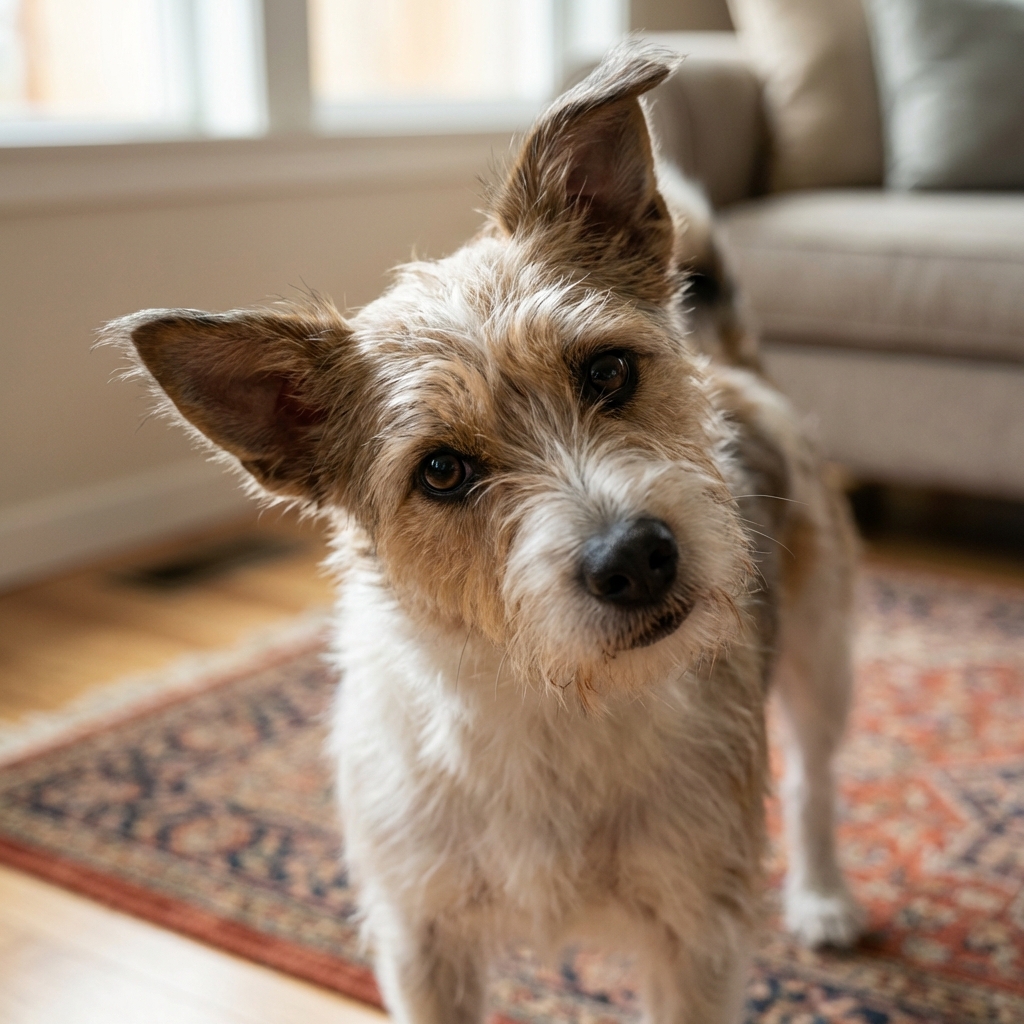
- Head tilt that appeared quickly
- Circling in one direction
- Abnormal eye movements (rapid side-to-side or up-and-down, called nystagmus)
- Weakness on one side of the body or face
- Confusion or disorientation (staring, getting stuck in corners)
- Difficulty standing or walking
- Vision changes (bumping into objects, acting startled)
- Seizures (can happen with strokes, but also many other conditions)
- Behavior changes (restlessness, unusual vocalizing, seeming “checked out”)
Important: Not every dog will have all of these signs. Even one new neurologic change is enough to call your veterinarian or an emergency clinic right away.
Stroke vs vestibular disease
One of the most common “stroke look-alikes” is vestibular disease, which affects balance and can be caused by inner ear issues or age-related changes. Dogs with vestibular disease can look awful at first, sometimes with head tilt, nausea, and wobbling, but many improve significantly within a few days.
Here is the tricky part: you cannot reliably tell stroke vs vestibular disease from home. Both can cause:
- Head tilt
- Loss of balance
- Nystagmus
- Rapid onset
This is why the goal is not to diagnose at home. The goal is to recognize red flags quickly and get your dog evaluated. Even “old dog vestibular” should be checked, because inner ear infection, neurologic disease, or other causes may need treatment.
Red flags: go now
If you see any of the following, treat it as urgent:
- Signs start quickly within minutes or hours
- Collapse or inability to stand
- Repeated vomiting or severe nausea along with neurologic signs
- Seizure activity, especially repeated seizures or a seizure lasting more than 5 minutes
- Severe confusion or unresponsiveness
- Trouble breathing
- Known toxin exposure (marijuana, xylitol, rodent bait, human meds, pesticides)
If you are unsure, it is still appropriate to call an emergency vet and describe exactly what you’re seeing.
What to do right away
When your dog is neurologically unstable, your actions matter. Here’s what I recommend:
1) Make things safe and keep them contained
- Move your dog away from stairs, pools, or sharp furniture edges.
- Dim lights and reduce noise if they seem disoriented.
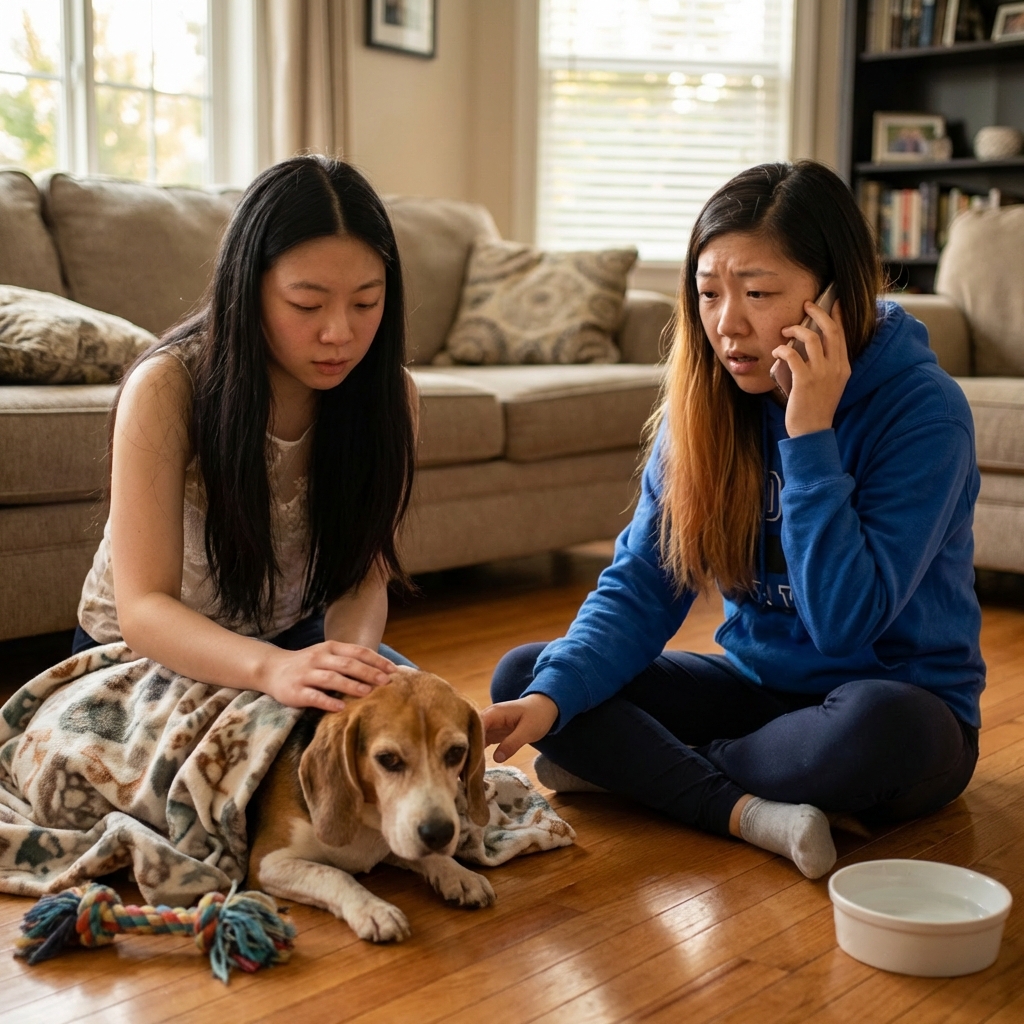
- Keep other pets and children back to reduce stress and prevent accidental injury.
2) Food and water: be cautious
Avoid offering food, treats, or large amounts of water if your dog is vomiting, very lethargic, extremely uncoordinated, or seems unable to swallow normally. Dogs with neurologic issues can aspirate (inhale) food or water into the lungs. If your dog is fully alert and swallowing normally, many can take a small sip of water, but it is safest to ask the clinic what they want you to do.
3) Note the timing
This is very helpful for your veterinary team. If you did not see the moment it began, estimate the last time your dog was normal.
4) Record a short video
A 10 to 20 second video of the walking, eye movements, or head tilt can be extremely useful, especially if signs change on the way to the clinic.
5) Transport carefully
- Use a leash or a towel sling under the belly for support.
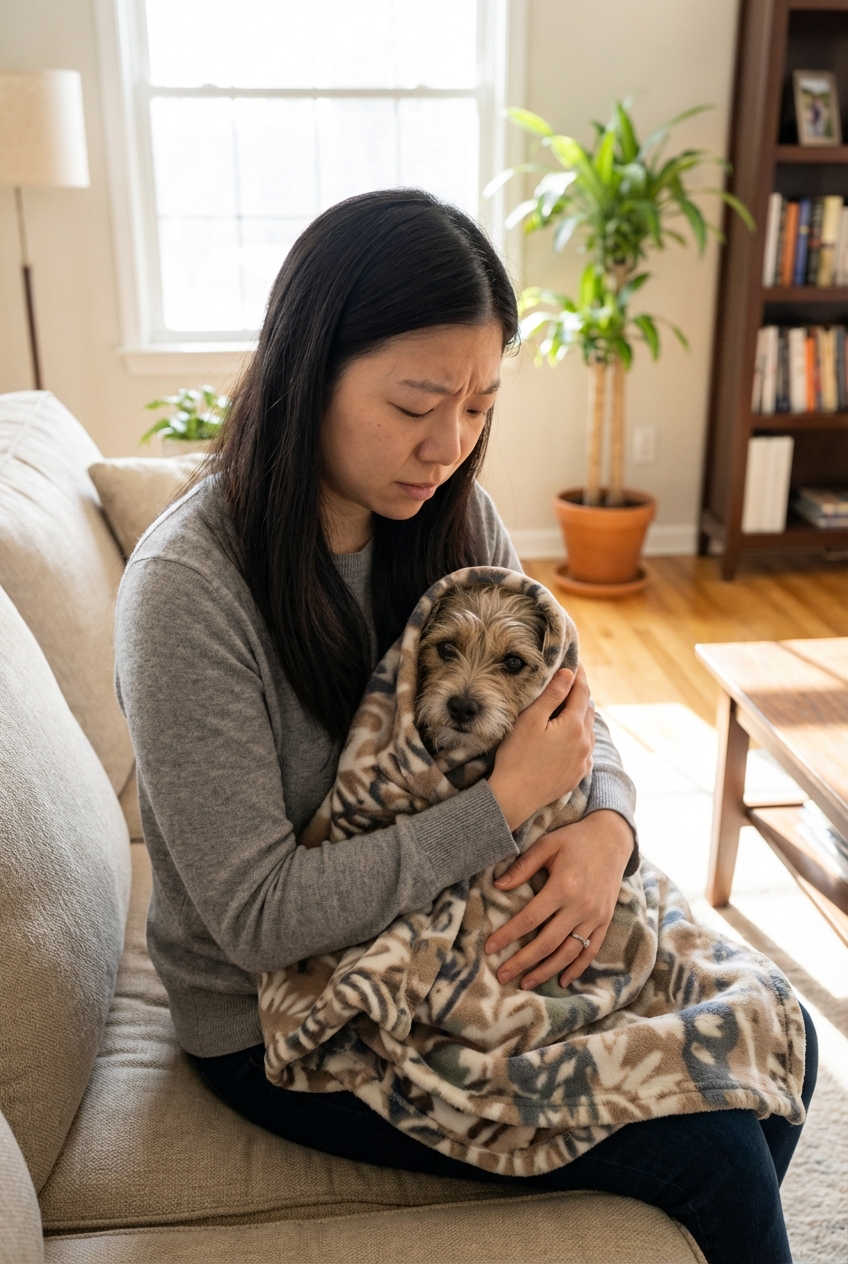
- For small dogs, carry them in a secure blanket “taco” to prevent sudden rolling. Support the head and neck, and do not wrap tightly around the chest.
- Keep your dog warm and as calm as possible during the ride.
6) What not to do
- Do not give human medications (including aspirin, ibuprofen, naproxen, acetaminophen) unless a veterinarian specifically tells you to.
- Do not force food or water if swallowing seems off.
- Do not induce vomiting unless you are instructed to (this can be dangerous with neurologic signs).
- Do not “wait and see” if signs are severe, worsening, or repeating.

What the vet may do
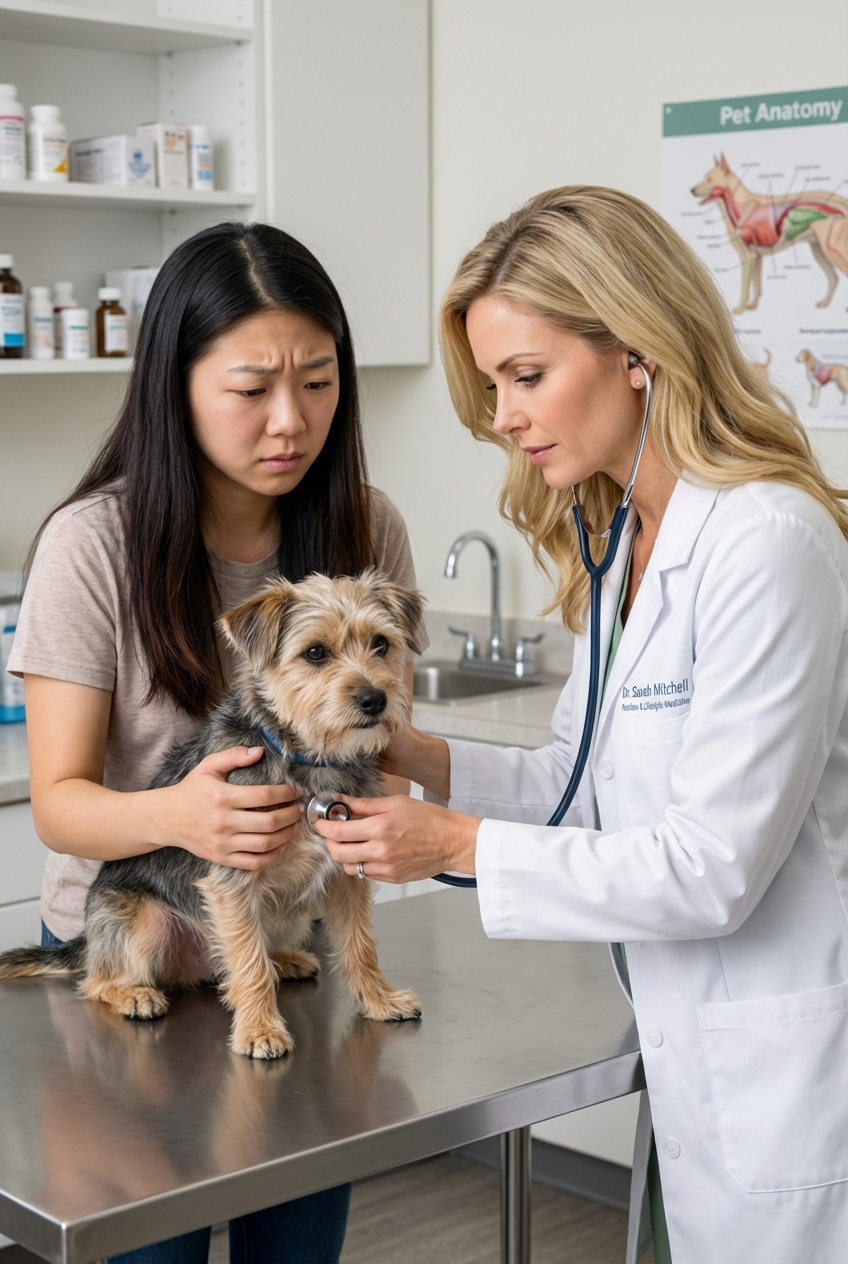
At the clinic, your veterinarian will focus on stabilizing your dog and narrowing down the cause. Depending on signs, age, and medical history, they may recommend:
- Neurologic exam to assess brain and nerve function
- Bloodwork to look for infection, metabolic issues, clotting problems, and organ function
- Blood pressure check because high blood pressure can contribute to brain events
- Ear exam and possibly ear imaging if vestibular disease is suspected
- Advanced imaging (especially MRI; CT may be used in some cases) which is usually needed to confirm a stroke
- Supportive care such as anti-nausea medication, fluids, oxygen, and careful nursing
Many cases are treated with supportive care while the body heals. If an underlying cause is found, treating that cause is a big part of preventing another episode.
Risk factors
Strokes can happen in any dog, but certain health issues may increase risk. Your vet might look for (or ask about):
- High blood pressure
- Cushing’s disease (hyperadrenocorticism)
- Kidney disease
- Diabetes
- Heart disease
- Clotting disorders
- Cancer
- Recent surgery or conditions that affect clotting
If your dog has one of these diagnoses, it is worth discussing routine monitoring with your veterinarian, especially blood pressure checks.
Recovery at home
Recovery depends on what caused the neurologic signs and what part of the brain was affected. Dogs with vestibular disease often improve within 24 to 72 hours (though the head tilt can linger). With a true stroke, improvement may still happen quickly, but recovery can be more variable and may take weeks.
Home care tips
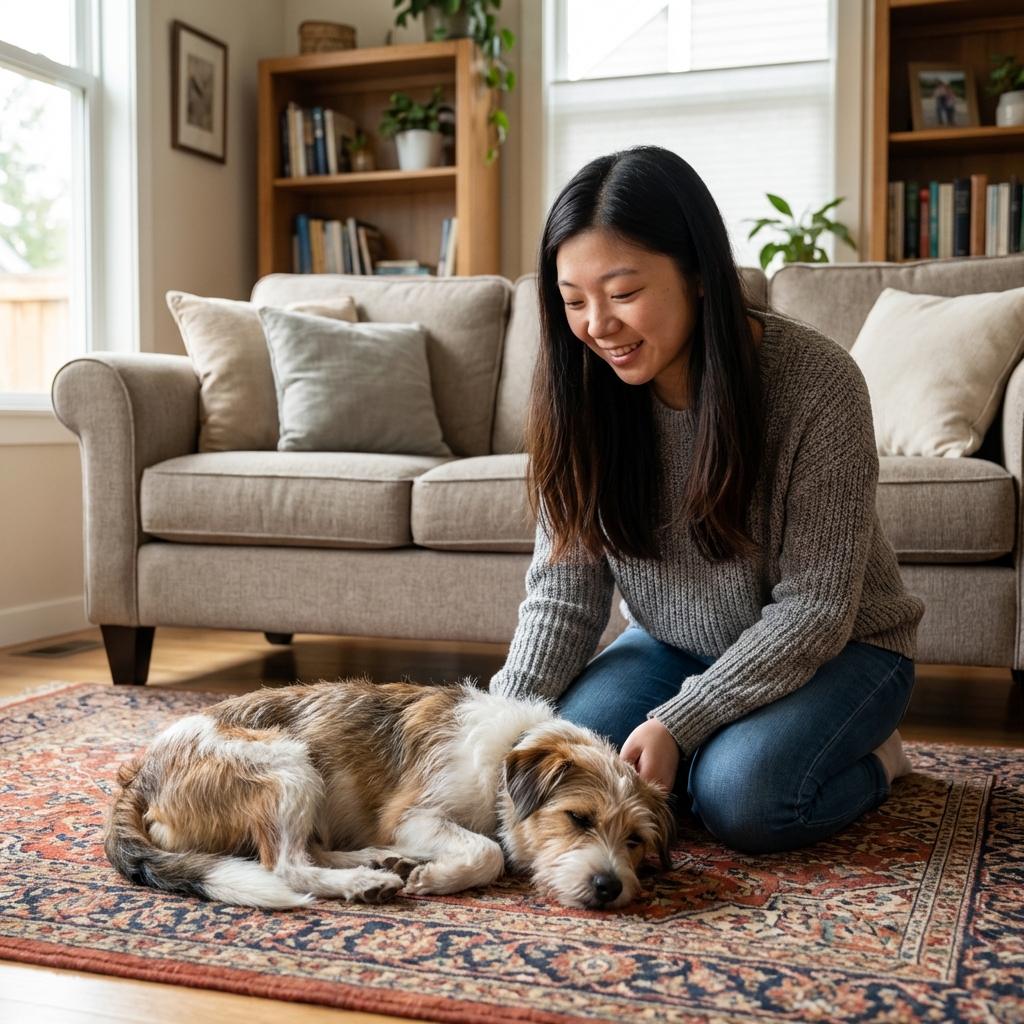
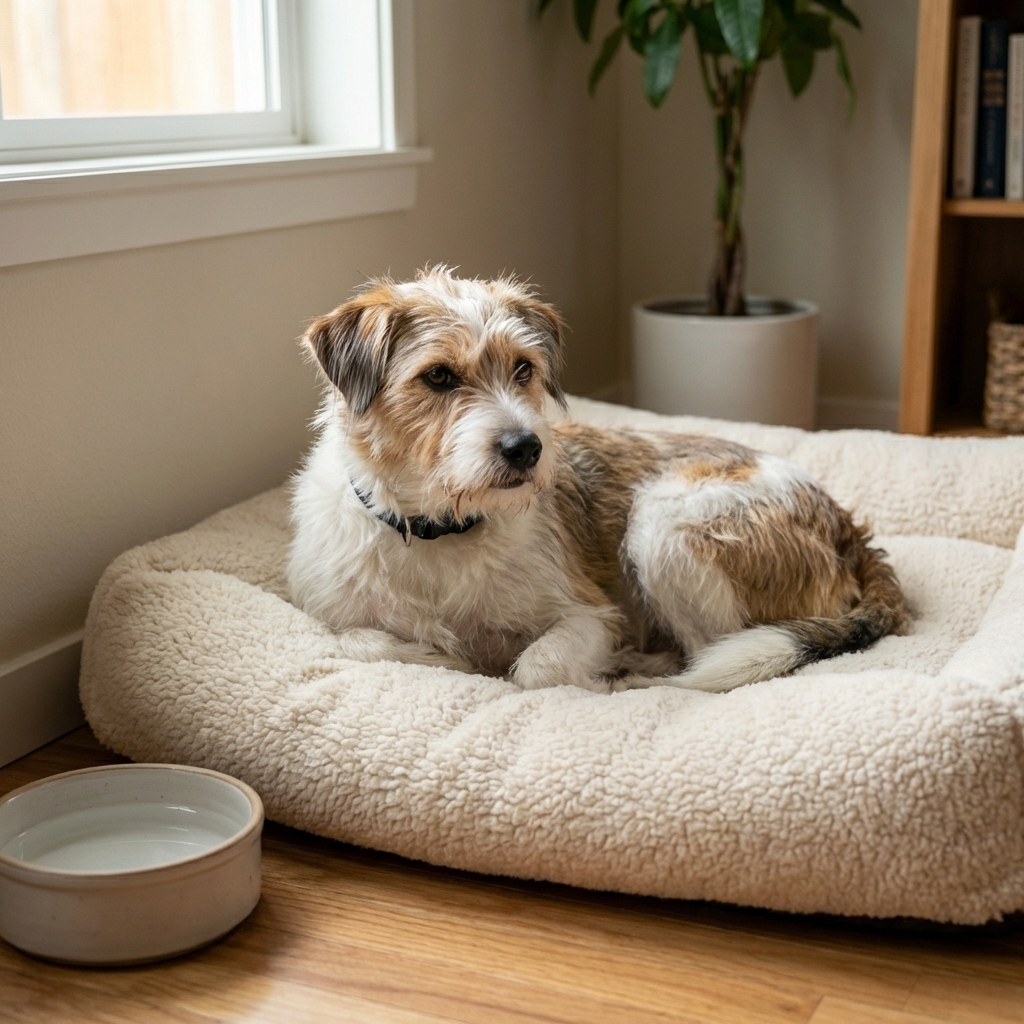
- Create a safe recovery zone with rugs or yoga mats for traction.
- Use barriers to block stairs and slippery floors.
- Assist with bathroom breaks using a harness or towel sling.
- Stick to medications exactly as prescribed.
- Keep activity calm and controlled until your vet clears more exercise.
- Track changes daily like appetite, vomiting, walking ability, and eye movements.
If your dog stops improving, or worsens again, that is a reason to call your vet immediately.
Can strokes be prevented?
You cannot prevent every stroke, but you can reduce risk by keeping chronic conditions well-controlled and staying alert to warning signs.
- Schedule regular wellness exams, especially for senior dogs.
- Ask about blood pressure screening if your dog is older or has kidney, heart, or endocrine disease.
- Maintain a healthy weight and consistent exercise plan.
- Use parasite prevention and follow your vet’s recommendations for testing. Some infectious and vector-borne diseases can affect clotting and blood vessels, so prevention matters for overall risk reduction.
- Avoid toxins by storing human medications, rodent bait, and xylitol-containing products securely.
Nutrition matters too. Feeding a complete and balanced diet appropriate for your dog’s life stage supports overall health, including the organs that influence blood pressure, inflammation, and circulation. If you are considering homemade food, work with your veterinarian or a board-certified veterinary nutritionist so your dog’s meals are complete and balanced.
Quick check in 60 seconds
This is not a diagnosis, but it can help you describe what you see:
- Balance: Are they stumbling, leaning, or falling?
- Head position: Any new tilt?
- Eyes: Do the eyes flick rapidly?
- Face: Any droop or uneven blinking?
- Limbs: Weakness on one side?
- Awareness: Do they seem confused or not recognizing you?
- Time: When did it start, and has it happened more than once?
If any of these are abnormal, call your veterinarian or go to an emergency hospital.
When in doubt
You know your dog’s normal better than anyone. If something looks suddenly “off,” especially balance, eyes, or awareness, it is always worth getting help quickly. Many neurologic conditions have better outcomes when treated early.
If you are seeing wobbliness, head tilt, abnormal eye movements, collapse, or seizures, call your veterinarian or an emergency clinic right away. Take a short video, note when it began, and focus on safe transport.