Cats hide pain. Learn the key signs—behavior shifts, stiffness, grooming and appetite changes, litter box clues—and the red flags that mean call your vet...
Article
•
Designer Mixes
How to Tell If Your Cat Is in Pain

Shari Shidate
Designer Mixes contributor
Cats are often experts at hiding pain. In the veterinary clinic, I have met many loving pet parents who did not realize their cat was hurting until the problem became severe. This is not anyone’s fault. Cats are both predators and prey in nature, so many are wired to mask weakness. That said, some cats do limp, cry, or vocalize, so obvious signs can happen too.
The good news is that pain leaves clues. Once you know what to look for, you can act sooner, ease your cat’s discomfort, and often prevent a small issue from becoming a big one.
Quick signs your cat may be in pain
Pain does not always look like crying or limping. Many cats show quiet changes first.
- Increased hiding or choosing hard-to-reach spots
- Decreased socialization, less cuddling, or new irritability
- Reduced grooming or a dull, unkempt coat
- Overgrooming of one area, licking a spot repeatedly
- Appetite changes, eating less or refusing favorite treats
- Litter box changes, peeing outside the box, straining, constipation, or not going as usual
- Decreased mobility, stiffness, reluctance to jump, or moving slowly
- Posture changes, hunched back, tucked abdomen, or a tight loaf (front paws tucked, body tense, head low)
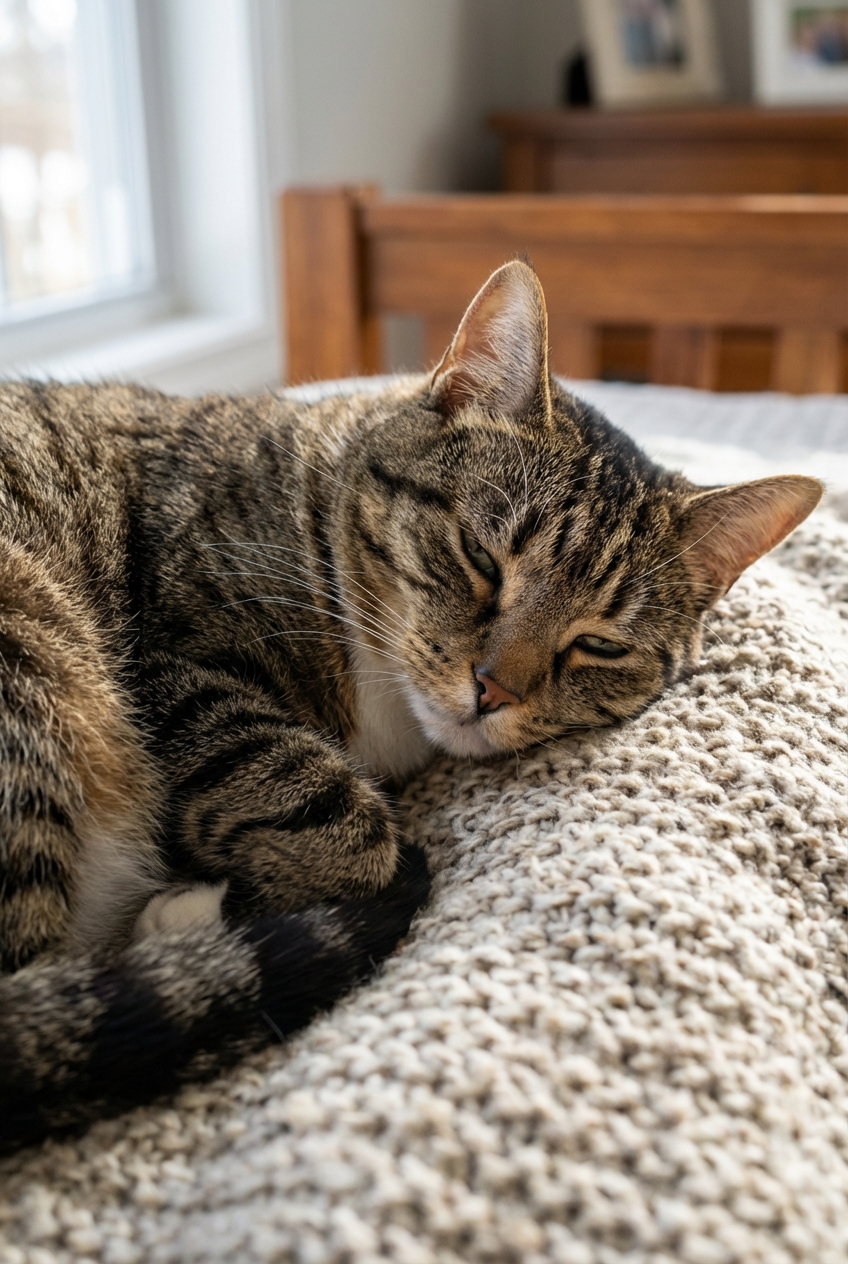
- Facial changes, squinted eyes, ears turned sideways, tense muzzle
- Vocal changes, more growling, hissing, yowling, or unusual quiet
- Touch sensitivity, sudden aggression when handled, or guarding a body part
Important myth to know: purring does not always mean a cat is comfortable. Some cats purr to self-soothe when they are stressed, sick, or in pain.
Common types of pain and what they look like
1) Joint and muscle pain (arthritis, injuries)
This is one of the most common hidden problems, especially in adult and senior cats. Arthritis can be easy to miss because cats often stop doing activities rather than limp dramatically.
- Hesitating before jumping onto counters, beds, or cat trees
- Jumping up but not down, or using furniture like “steps”
- Stiffness after resting, especially in the morning
- Less play, fewer zoomies, less climbing
- Accidents outside the litter box because climbing in hurts
2) Dental and mouth pain
Dental disease is very common in cats. A painful mouth can make a cat eat less, act cranky, or swallow oddly.
- Drooling, pawing at the mouth, or bad breath
- Chewing on one side or dropping food
- Dry food suddenly avoided
- Teeth grinding, or reluctance to be petted near the face
3) Belly pain (GI upset, pancreatitis, constipation)
With belly pain, cats often look withdrawn and uncomfortable. Constipation can also make the litter box a stressful place.
- Hunched posture, tense belly, or guarding the abdomen
- Reluctance to lie down, growling when picked up, or seeming uncomfortable when carried
- Vomiting, nausea signs (lip licking, drooling)
- Diarrhea or constipation
- Straining in the litter box or frequent trips with little output
4) Urinary pain (cystitis, crystals, blockage)
This category is urgent, especially for male cats. A urinary blockage can become life-threatening quickly. Also, many “UTI-like” signs in cats are not caused by bacteria. In young and middle-aged cats, stress-related inflammation (often called feline idiopathic cystitis) is common. Either way, you still need a veterinarian to sort out the cause and rule out blockage.
- Straining to urinate
- Small, frequent urinations
- Crying in the litter box or licking the genital area
- Blood in urine
- Urinating outside the box
If your cat is straining and producing little or no urine, treat it as an emergency and seek veterinary care immediately.
5) Skin and ear pain (allergies, infections, wounds)
- Head shaking, ear scratching, sensitivity when you touch the head
- Redness, odor, discharge, scabs, or hair loss
- New hiding or swatting when petted in a specific spot
A simple at-home pain check you can do today
You do not need special tools. What you need is a calm moment and a good baseline of “normal.” Try this quick routine:
Step 1: Watch before you touch
- Is your cat moving smoothly or stiffly?
- Are they resting with a relaxed body or tightly tucked?
- Are the eyes open and curious, or squinty and tired?
Step 2: Check daily habits
- Eating and drinking normally?
- Urinating normally?
- Pooping normally?
- Grooming normally?
- Sleeping more, hiding more, or playing less?
Step 3: Gentle hands-on scan
Only do this if your cat is comfortable with handling. Stop if they tense, growl, or try to leave.
- Run your hands lightly down the back and sides. Note any flinching.
- Feel for heat, swelling, or a new lump.
- Check paws for broken nails or tender pads.
- Look inside ears for redness or debris.
Tip: A short video of your cat walking, jumping, eating, purring while tense, or using the litter box can be incredibly helpful for your veterinarian, especially if symptoms come and go.
Cat pain face and body language
Veterinary medicine recognizes that cats can show pain through subtle facial and posture changes. You do not need to memorize a scoring system, but these clues matter:
- Eyes: squinting, half-closed, “tight” expression
- Ears: rotated outward or flattened more often
- Whiskers: pulled back or held stiffly forward
- Head position: lowered, less head-butting or rubbing
- Body: tense loaf, hunched, reluctance to stretch out
- Breathing and purring: purring can be self-soothing, and faster breathing at rest can be a concern
If you notice several of these together, pain should be on your radar even if your cat is still eating. And remember, behavior changes can have medical causes even when pain is not obvious.
When to call the vet right away
Some signs should never be “wait and see.” Contact your veterinarian or an emergency clinic if you notice:
- Straining to urinate or no urine produced
- Open-mouth breathing, labored breathing, or blue or gray gums
- Sudden inability to walk, severe weakness, collapse, or seizure
- Uncontrolled bleeding or suspected toxin exposure
- Repeated vomiting, especially with lethargy or belly pain
- Crying out in pain, extreme agitation, or rapid worsening
- Not eating for 24 hours, or sooner for kittens, seniors, or cats with other symptoms (especially overweight cats)
What not to do for cat pain
This is a big one, because it is so tempting to “try something” at home.
- Do not give human pain medications like ibuprofen, naproxen, aspirin, or acetaminophen unless your veterinarian specifically instructs you. Many are toxic to cats.
- Do not use leftover pet medications from another pet or an old prescription. Doses and conditions differ.
- Do not force movement if your cat is stiff or limping. Rest is helpful until you get guidance.
The safest pain plan is always one tailored by your veterinarian after an exam. Cats metabolize medications differently than dogs and humans.
How to comfort a cat in pain while you wait for care
You can do a lot to reduce stress and prevent worsening, even before treatment begins.
Create a recovery corner
- Quiet room, dim light, cozy bed
- Food, water, and litter box nearby to limit jumping and walking
- Keep other pets and young children separated if your cat is irritable
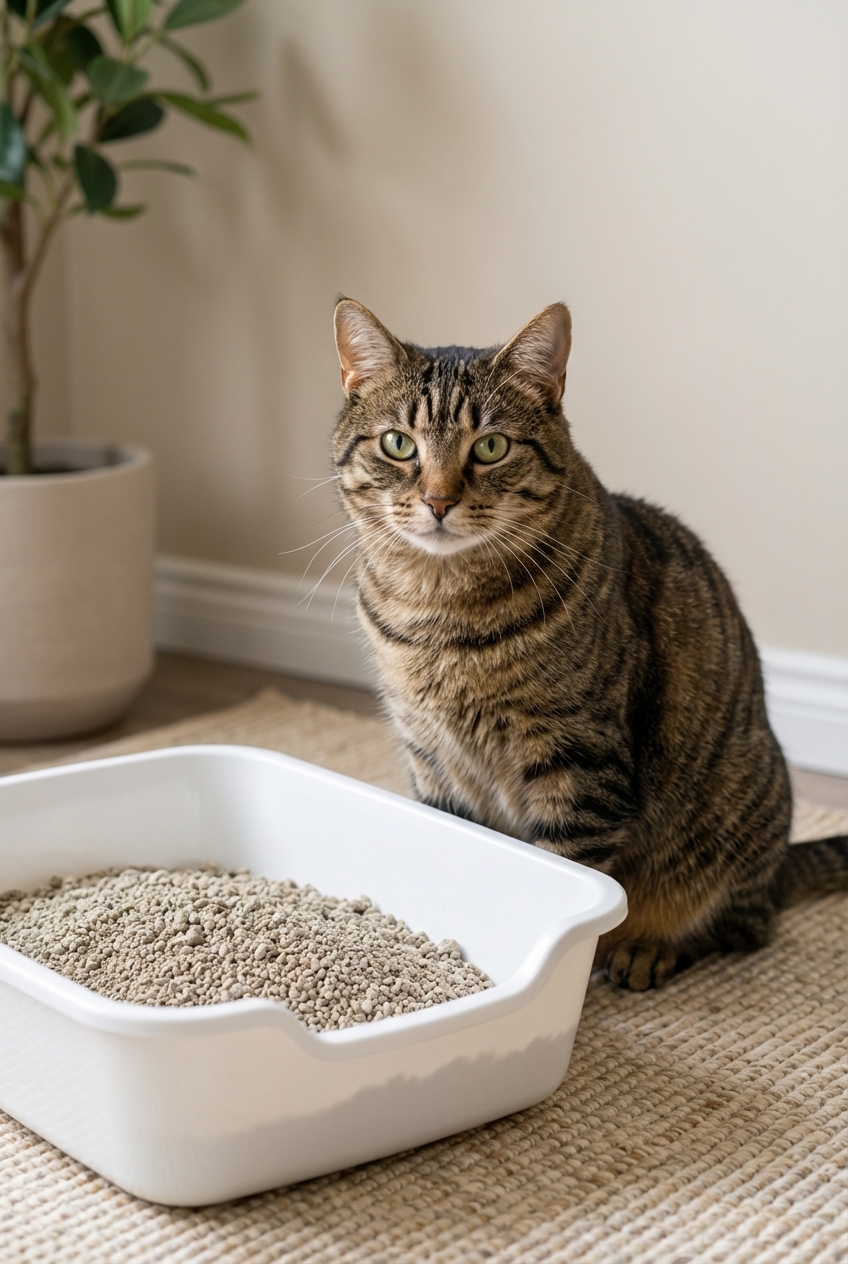
Make the litter box easier
- Use a low-entry box or remove a high lid temporarily
- Keep it very clean so your cat feels safe using it
Help with mobility
- Add a step stool or ottoman near favorite spots
- Use non-slip rugs on slick floors
- Block access to high jumps if your cat is determined but sore
Gentle note: If your cat is normally sweet but suddenly swats or bites, assume pain or fear first. Give space and avoid forcing contact.
What your veterinarian may do
Knowing what to expect can make the visit less stressful.
- History review: appetite, litter box habits (urine and stool), mobility, behavior changes
- Physical exam: mouth, abdomen, joints, skin, temperature
- Diagnostics: urinalysis, bloodwork, X-rays, dental exam, ultrasound depending on symptoms
- Pain control plan: cat-safe analgesics, anti-inflammatories when appropriate, antibiotics if infection is present, fluids, or supportive care
- Long-term management: weight support, joint supplements, dental care, diet changes, environmental modifications, and newer options for chronic pain when appropriate
If you are worried about cost, ask what the most important first steps are. Many clinics can prioritize diagnostics and build a staged plan.
A quick checklist to bring to your appointment
- When the change started and whether it is getting worse
- Video of walking, jumping, breathing, purring while tense, or litter box behavior
- Any vomiting, diarrhea, or constipation details
- What food, treats, and supplements your cat gets
- Any recent stressors (move, new pet, schedule change)
- Indoor or outdoor access and any possible injury risk
You know your cat best. If something feels “off,” trust that instinct and reach out for help. Catching pain early is one of the kindest things we can do for our cats.