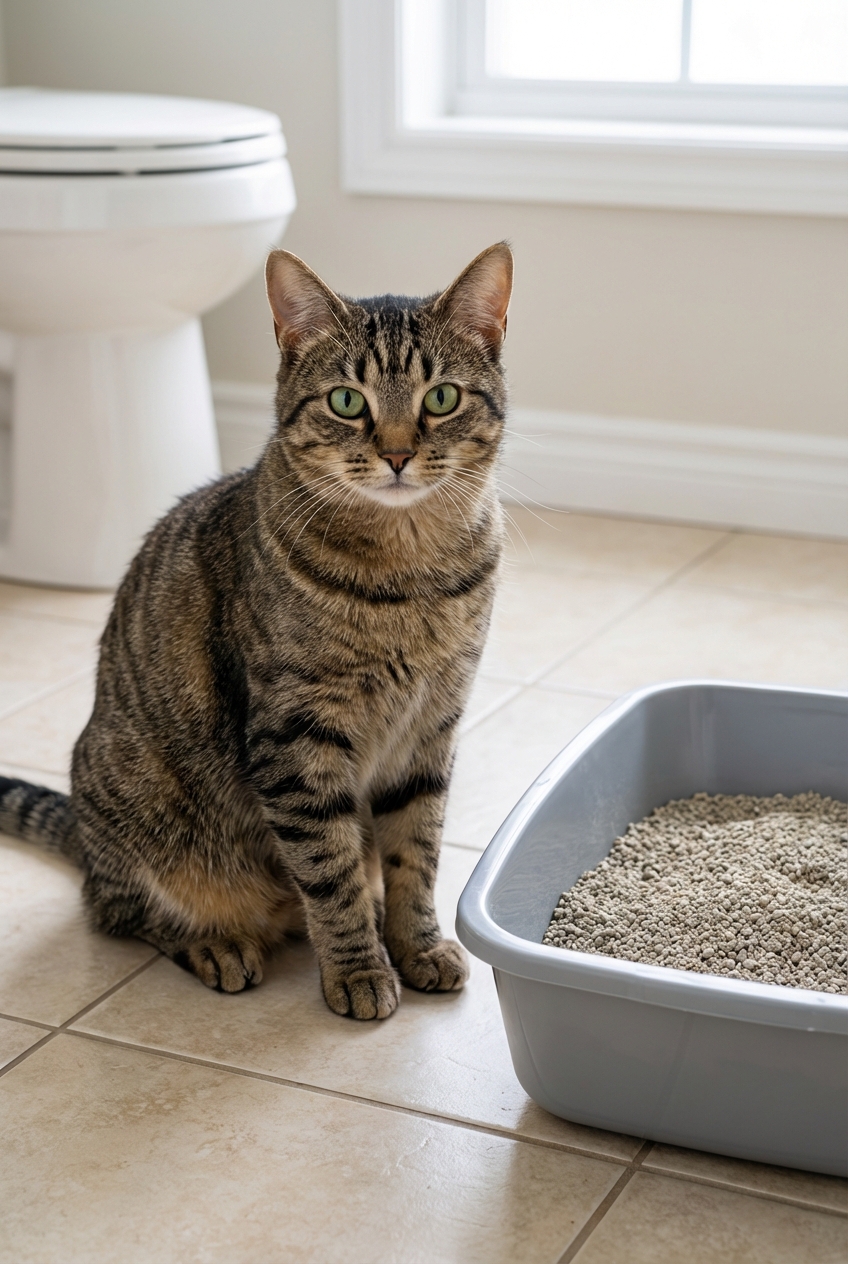
Roundworms are common in cats and kittens. Learn how they spread, symptoms to watch for, fecal testing, effective deworming, home cleaning, and prevention to...
Article
•
Designer Mixes
How to Tell If Your Cat Has Worms

Shari Shidate
Designer Mixes contributor
As a veterinary assistant, I can tell you this is a very common, fixable issue I see: a cat with intestinal parasites (worms). The tricky part is that cats can have worms and look mostly “fine” at first. Also, many tummy troubles can look like worms, so symptoms alone are not a diagnosis. The good news is that once you know what to watch for and when to call your veterinarian, you can get your cat comfortable quickly and protect everyone in the home.
One small “real life” note from the clinic: a lot of owners come in worried because their cat is acting normal, and then the fecal test still comes back positive. It happens all the time.
Common worms in cats
Different parasites cause different signs. Knowing the usual suspects helps you and your vet choose the right test and treatment.
- Roundworms: Very common, especially in kittens. Can be passed from a mother cat to kittens (classically through nursing, depending on species). Sometimes you may see spaghetti-like worms in vomit or stool.
- Tapeworms: Often linked to fleas. You might see rice-like segments around the anus, on bedding, or in the litter box.
- Hookworms: Feed on blood and can cause anemia, weakness, and dark stool. More serious in kittens and small cats. Some hookworms can be passed from mother to kittens, depending on species and region.
- Whipworms: Rare in cats in many areas and may vary by geography. If present, they can contribute to chronic diarrhea and weight loss.
- Protozoa (not worms, but similar symptoms): Giardia and coccidia can cause diarrhea and poor weight gain, especially in kittens, shelters, and multi-cat homes.
Your vet may use “worms” as a catch-all, but the exact parasite matters because treatments are not one-size-fits-all.
Signs your cat may have worms
Some signs are obvious, but many are subtle. If you notice two or more of the following, it is worth a call to your veterinarian and a fecal test.
Changes you can see at home
- Diarrhea (sometimes with mucus)
- Vomiting, occasionally containing visible worms
- Weight loss or poor muscle tone despite normal eating
- Pot-bellied appearance, especially in kittens
- Dull coat or overall “unkempt” look
- Scooting or excessive licking under the tail
- “Rice grains” stuck to fur near the rear end (classic tapeworm clue)
Signs that can be easy to miss
- Increased appetite (some cats seem constantly hungry)
- Decreased appetite (others feel nauseated and eat less)
- Low energy or hiding more than usual
- Soft stool that comes and goes
More serious red flags
These warrant prompt veterinary attention, especially for kittens.
- Pale gums (possible anemia, seen with hookworms)
- Black, tarry stool (digested blood)
- Dehydration (dry gums, sunken eyes, weakness)
- Vomiting repeatedly or inability to keep food down
Can you see worms in the litter box?
Sometimes, yes. But many cats with parasites will have a normal-looking stool, and eggs are microscopic. Here is what owners most often report:
- Roundworms: Long, pale, spaghetti-like worms in stool or vomit.
- Tapeworms: Tiny segments that look like rice grains or sesame seeds. They may move briefly when fresh.
- Hookworms: Rarely seen with the naked eye. Signs are more about diarrhea, weakness, and anemia.
If you see anything suspicious, take a clear photo and, if possible, bring a fresh stool sample to your vet.
How cats get worms
Worms are not a sign you have done something “wrong.” Many cats pick them up through everyday cat life. Even indoor-only cats can be exposed through fleas, other pets in the home, contaminated soil tracked in on shoes, or a new cat or kitten joining the household.
Common routes include:
- Fleas (tapeworms are a big reason we take flea control seriously)
- Hunting rodents, birds, lizards, or eating raw prey
- Contaminated soil or shared litter areas (eggs can persist in the environment)
- From mother to kittens (roundworms are especially common, and transmission routes vary by parasite)
- Crowded settings like shelters, rescues, and multi-cat households
What your veterinarian will do
Most of the time, diagnosis is straightforward.
- History and exam: Your vet will ask about appetite, stool changes, flea exposure, hunting, and deworming history.
- Fecal testing: A fecal flotation looks for eggs. For certain protozoa, your vet may add specific tests such as a Giardia antigen test or PCR. Some parasites shed intermittently, so a single test can miss them. Many clinics recommend bringing samples from 1 to 3 bowel movements or repeating testing if signs persist.
- Treatment plan: The dewormer depends on which parasite is suspected or confirmed. Some cats need repeated doses 2 to 4 weeks apart, especially kittens.
A key point: not all over-the-counter products cover all worms, and some are unsafe if used incorrectly. Evidence-based care means matching the medication to the parasite and the cat’s age, weight, and health status.
Is it contagious to people or other pets?
Some parasites can affect other pets, and some have zoonotic potential (meaning people can be infected). Risk varies by parasite and by household habits.
- Roundworms: Eggs in contaminated soil or litter can pose a risk, especially to young children who play outside and put hands in their mouth.
- Hookworms: Larvae can sometimes penetrate skin in contaminated environments.
- Tapeworms: People typically do not get common cat tapeworms directly from touching a cat. For Dipylidium caninum, infection usually requires accidentally swallowing an infected flea. This is why flea control is so important.
Practical prevention goes a long way: scoop litter daily, wash hands after cleaning the box, keep nails short, and keep your cat on veterinarian-recommended parasite prevention.
At-home steps you can take today
If you suspect worms, you do not need to panic. Use this simple checklist:
- Check the rear end and bedding for rice-like segments.
- Monitor stool and vomiting. Take photos if you see anything unusual.
- Collect a stool sample (fresh is best). Many clinics prefer a teaspoon-sized amount in a clean container or bag. If you can, collect samples from 1 to 3 bowel movements to improve the odds of detection.
- Start or update flea control if your vet agrees, since fleas are tied to tapeworms.
- Clean smart: scoop litter daily, dispose of feces promptly, wash bedding, vacuum, and wash hands after litter duties. If your cat is being treated for Giardia or coccidia, ask your vet about home disinfection because it can be more involved.
Please avoid giving leftover dog dewormer or “natural” parasite cleanses without veterinary guidance. Cats are sensitive to certain ingredients, and an ineffective product can delay proper treatment.
When to call the vet now
Seek prompt veterinary care if your cat is a kitten, elderly, pregnant, or has any chronic illness, or if you see:
- Repeated vomiting or inability to keep water down
- Bloody diarrhea or black, tarry stool
- Pale gums, weakness, collapse, or rapid breathing
- Signs of dehydration or severe lethargy
Parasites are very treatable, but complications like dehydration and anemia can escalate quickly.
Prevention that works
Long-term prevention is a combination of routine vet care and simple home habits. Plans vary by lifestyle and region, so your veterinarian can help you choose what makes sense for your cat.
- Year-round parasite prevention recommended by your veterinarian for your cat’s lifestyle.
- Flea control for every pet in the home, not just the itchy one.
- Routine fecal testing, especially for kittens and newly adopted cats.
- Litter box hygiene: scoop daily and wash boxes regularly.
- Limit hunting and scavenging when possible.
- Prompt feces disposal in yards or outdoor runs to reduce environmental contamination and reinfection.
If you remember one thing, let it be this: the fastest path to relief is a fecal test and the right dewormer, plus flea control when indicated.