Support steadier glucose with high-protein, low-carb homemade meals. Get macro targets, safe ingredients, what to avoid, portion guidance, and 4 simple recip...
Article
•
Designer Mixes
How to Tell If Your Cat Has Diabetes

Shari Shidate
Designer Mixes contributor
If your cat has been drinking more water, peeing outside the litter box, or losing weight even though they seem hungry, it is normal to feel worried. From my work as a veterinary assistant (and as someone who cares deeply about keeping pets comfortable at home), I can tell you this: feline diabetes is a fairly common condition, especially in older or overweight cats, it is treatable, and the sooner you catch it, the better your cat tends to do.
This article walks you through the most reliable signs, what is actually happening in the body, what your veterinarian will test for, and what you can do today while you schedule an appointment. It is not a substitute for veterinary care, but it can help you know what to watch for and what to do next.
Quick daily clues
Many families notice diabetes through everyday changes, not dramatic emergencies. Also, keep in mind that increased thirst and urination can have several causes (kidney disease, hyperthyroidism, urinary tract issues, and more), so the goal is to notice patterns and get the right tests, not to guess.
Common early signs
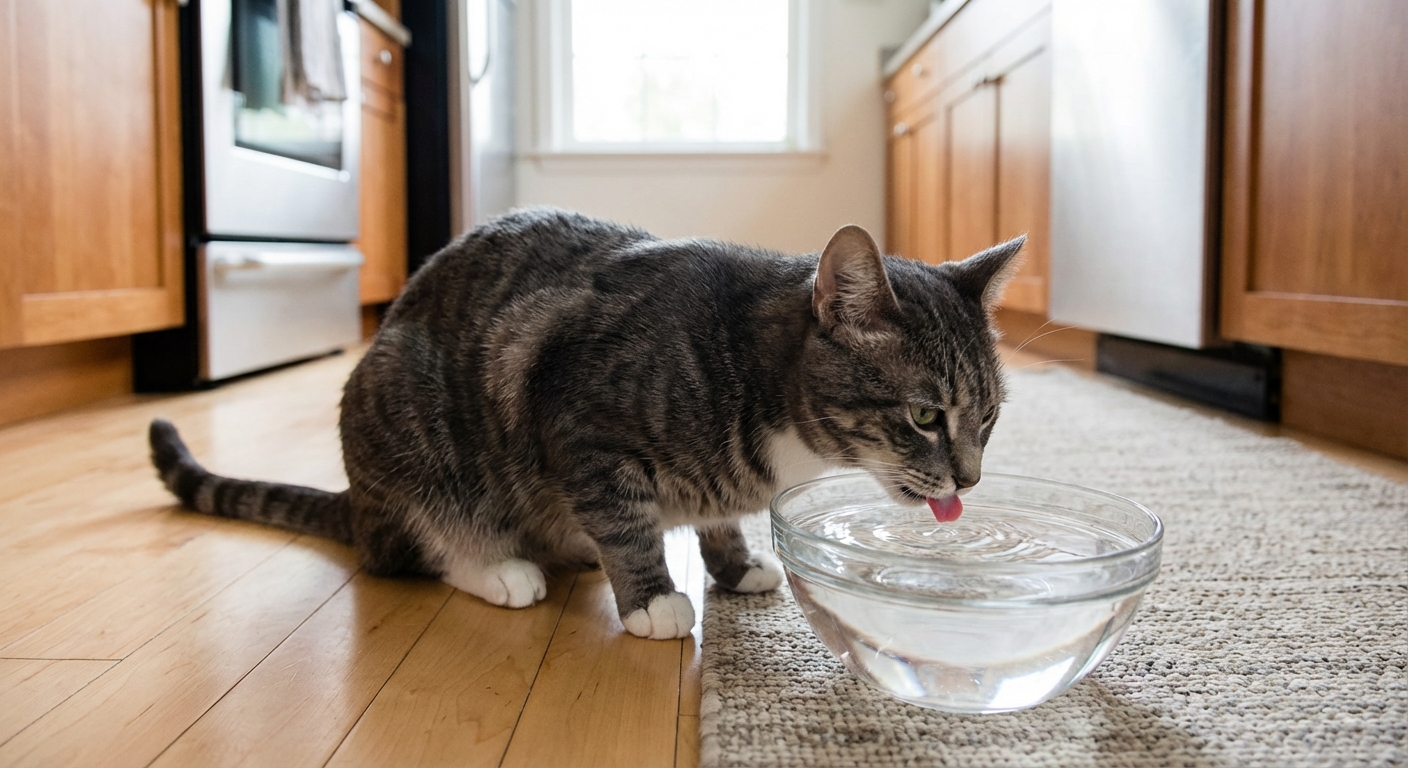
- Drinking more water than usual (you may find yourself refilling bowls more often)
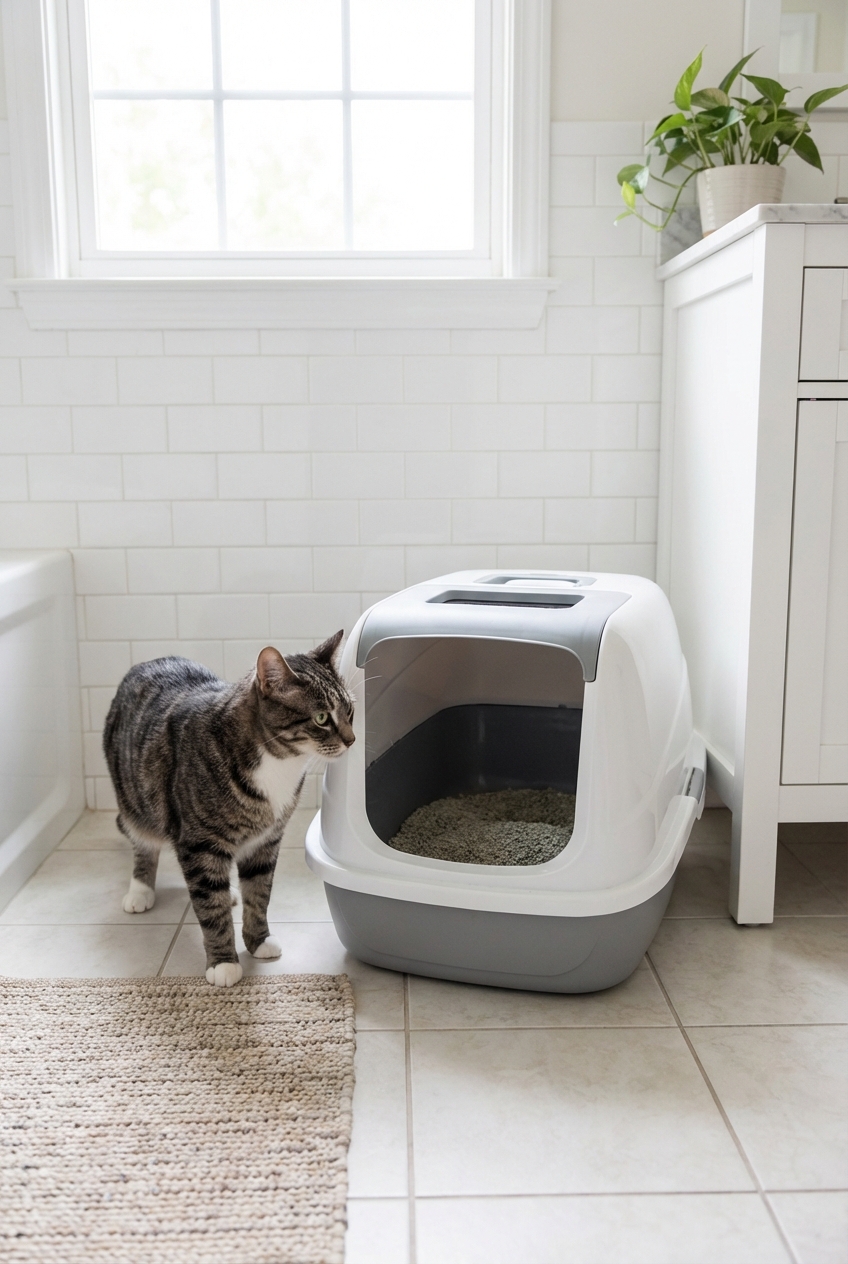
- Urinating more, larger clumps in the litter box, or accidents outside the box
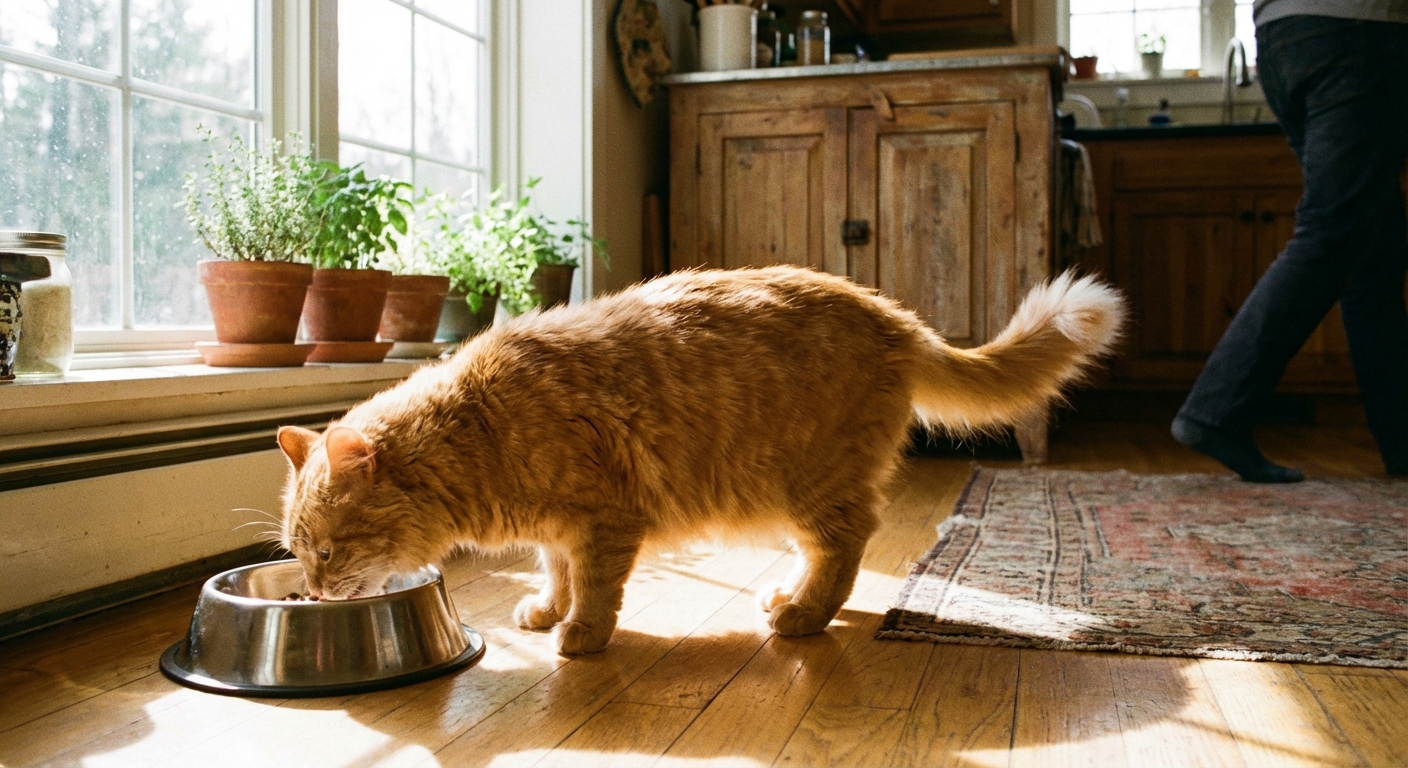
- Increased appetite with weight loss (or body condition changes that feel unexplained)
- Less energy, more sleeping, less interest in play
- Dull coat or reduced grooming
- Hind-leg weakness or walking “down on the hocks” (a complication called diabetic neuropathy)
Red flags: call today
These can indicate severe diabetes complications and should be treated urgently.
- Not eating or eating much less than normal
- Vomiting, dehydration, or marked lethargy
- Deep, rapid breathing or a fruity or acetone-like breath odor
- Sudden collapse or extreme weakness
If you see these urgent signs, ask your clinic about same-day care or an emergency hospital. One serious complication is diabetic ketoacidosis (DKA), and it needs prompt treatment.
Why symptoms happen
Diabetes mellitus in cats usually involves the hormone insulin, which helps move glucose (sugar) from the bloodstream into the body’s cells for energy. When insulin is not working well, glucose builds up in the blood. The body tries to flush the extra glucose out through urine.
- High blood sugar leads to more urination.
- More urination causes more thirst.
- Because cells cannot use glucose properly, the body may break down fat and muscle for energy, leading to weight loss.
- The brain senses low usable energy, which can trigger increased hunger.
Risk factors to know
Any cat can develop diabetes, but these factors raise suspicion and are worth mentioning to your vet:
- Middle-aged to senior age
- Overweight or low activity (often indoor-only)
- Male cats (seen a bit more often)
- History of steroid medications (glucocorticoids) or certain hormone disorders
- Other conditions that affect insulin function, such as pancreatitis, infections, or dental disease
At-home tracking in 5 minutes
You do not need special equipment to gather helpful information for your veterinarian. A simple 7-day log can make your appointment more productive.
What to write down
- Water intake changes: Are bowls empty faster? Are you seeing more interest in sinks, tubs, or toilets?
- Litter box output: Bigger clumps, more frequent clumps, or accidents
- Appetite: Normal, increased, picky, or decreased
- Weight: If you have a baby scale, great. If not, note body shape changes, spine or hip feel, or “looser” collar or harness fit.
- Energy and mobility: Jumping less, weakness, walking low in the back legs
A simple daily checklist
- Did my cat drink more than usual today?
- Were there larger or more frequent urine clumps?
- Any vomiting, diarrhea, or not eating?
- Any changes in gait or back-leg strength?
- Any unusual behavior like hiding, irritability, or confusion?
Example log (two lines)
Mon: Water bowl empty by afternoon, 4 large clumps, appetite up, down 0.2 lb, normal energy.
Tue: Drinking from sink, accident outside box, very hungry, seems a little wobbly in back legs.
Bring this log to your appointment. It helps your vet see trends, not just one day’s snapshot.
How vets confirm diabetes
Diabetes cannot be diagnosed by symptoms alone because kidney disease, hyperthyroidism, urinary tract infections, and stress can look similar in cats. Your veterinarian will typically confirm diabetes with a combination of lab tests and clinical signs.
Common diagnostic tests
- Blood glucose: Elevated levels can suggest diabetes, but stress in cats can temporarily raise glucose too.
- Urinalysis: Glucose in the urine is a key clue. Your vet will also look for ketones and infection.
- Fructosamine: A blood test that reflects average glucose over the past 1 to 2 weeks, helpful for sorting out stress hyperglycemia versus true diabetes.
- Blood chemistry and CBC: Checks liver, kidney values, hydration, and other body systems.
If diabetes is confirmed, your vet may also screen for issues that make regulation harder, such as pancreatitis, dental disease, obesity, arthritis (which affects activity), medication effects, or infections.

Life after diagnosis
The word “diabetes” can sound overwhelming, but many cats do very well with a steady routine. Most treatment plans include:
- Insulin (often twice daily, depending on the type)
- Diet changes (often higher-protein, lower-carbohydrate, but always individualized, especially if your cat has other conditions like kidney disease)
- Monitoring (weight checks, appetite notes, and periodic blood glucose curves or at-home glucose monitoring if recommended)
Some cats, especially if caught early and managed consistently, can go into diabetic remission. Remission still requires follow-up and good habits, and diabetes can relapse, so ongoing monitoring matters even when things look great.
Low blood sugar warning
Once a cat is on insulin, low blood sugar (hypoglycemia) is one of the most important emergencies to recognize.
- Signs: sudden weakness, wobbliness, tremors, unusual sleepiness, confusion, seizures
- What to do: If your vet has instructed you to, rub a small amount of corn syrup or glucose gel on the gums (do not force it down the throat), then seek emergency care right away.
If you are ever unsure, call an emergency clinic. It is always safer to ask.
What not to do
These are very common, very understandable mistakes I see pet parents make when they are trying to help quickly.
- Do not restrict water. Increased thirst is a symptom, and limiting water can worsen dehydration.
- Do not start insulin without veterinary guidance. The wrong dose can cause life-threatening hypoglycemia.
- Do not drastically change diet overnight if your cat is not eating well. Cats that stop eating are at risk for hepatic lipidosis (fatty liver).
- Do not assume litter box accidents are behavioral. Increased urination is often medical.
If your cat is acting sick (not eating, vomiting, very lethargic), treat it as urgent and seek care right away.
FAQ
Can a cat have diabetes without being overweight?
Yes. Obesity is a major risk factor, but cats of any body type can develop diabetes, especially older cats or those with other medical conditions.
Is peeing outside the litter box always diabetes?
No. Urinary tract infection, bladder inflammation, kidney disease, stress, and litter box issues can also cause accidents. The key is not to guess. Get a urinalysis and bloodwork.
Can I test my cat at home?
Some owners use pet glucose meters or urine glucose strips, but results can be misleading without context. Home testing is best used after diagnosis, with your veterinarian’s coaching.
The bottom line
If you notice increased thirst, increased urination, and weight loss, your cat deserves a diabetes check. The most helpful next step is to schedule a veterinary visit for bloodwork and a urinalysis, and bring a short log of what you have observed at home.
You are not overreacting by asking questions early. In feline diabetes, time and consistency are truly your best friends.