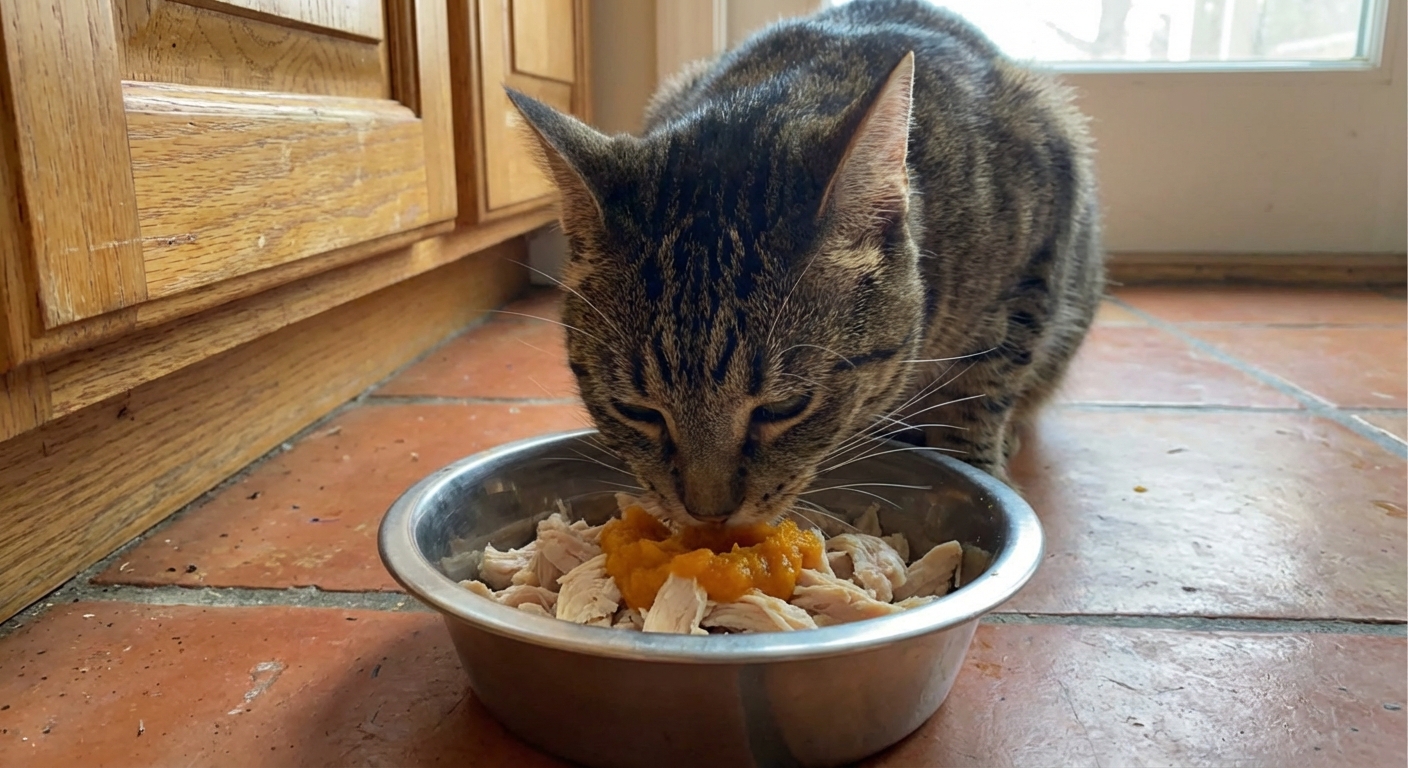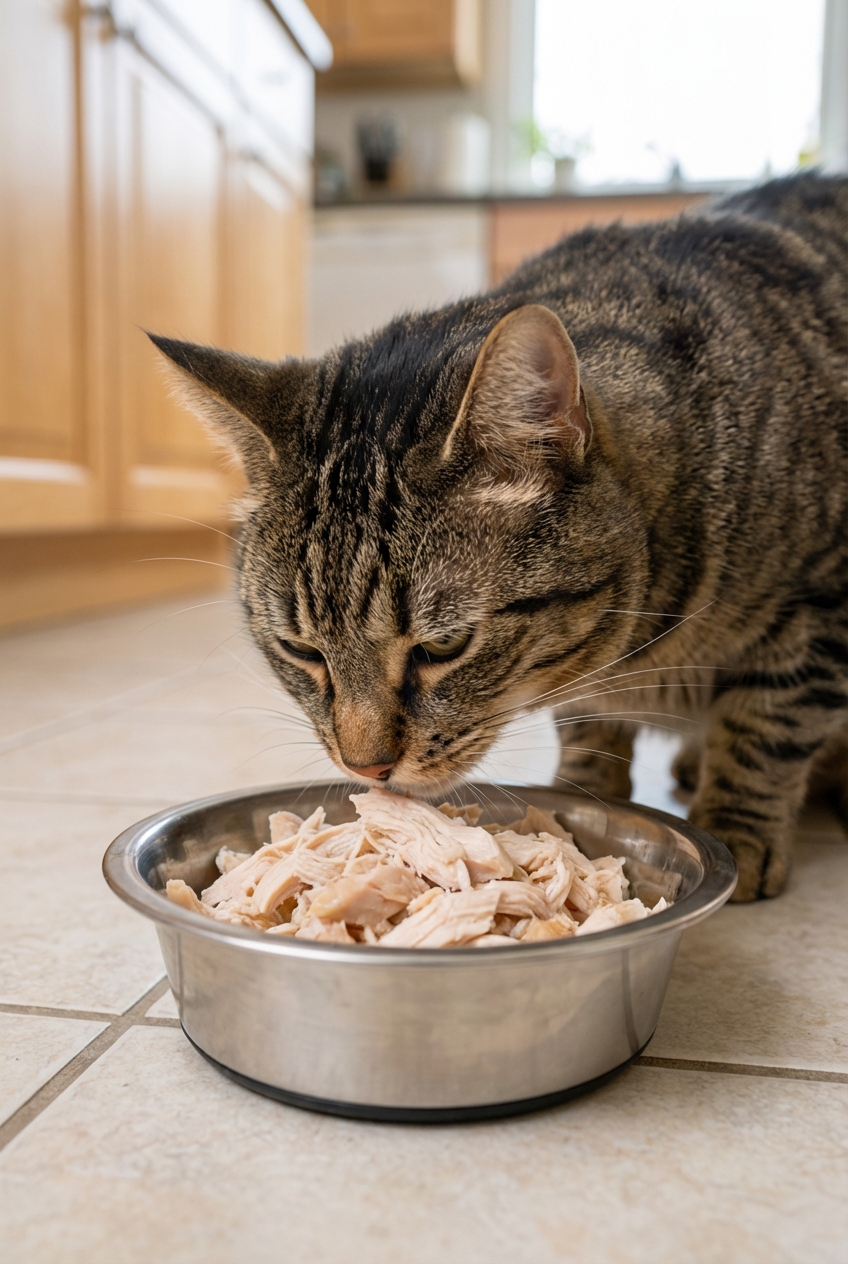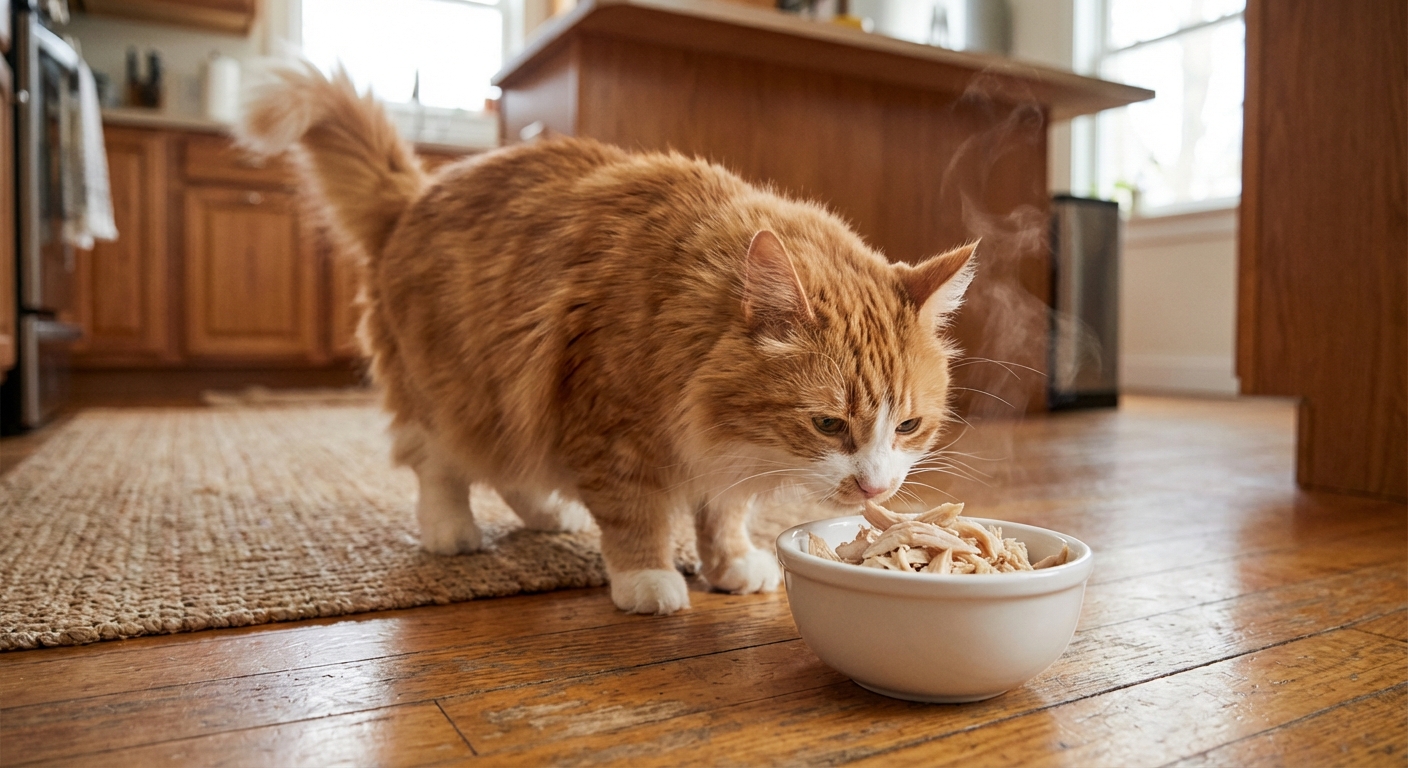
Picky cat refusing meals? Try this vet-approved warm shredded chicken and broth topper. Learn the simple recipe, how to use it safely, and when appetite chan...
Article
•
Designer Mixes
How to Tell If a Cat Is Dehydrated

Shari Shidate
Designer Mixes contributor
Dehydration in cats can sneak up on you, especially in seniors, cats with vomiting or diarrhea, and cats with chronic conditions like kidney disease. It can also be harder to notice in cats who eat only dry food, because they often take in less total water from their diet. The tricky part is that many cats hide symptoms until they feel quite ill. The good news is that you can spot possible dehydration early with a few simple checks at home and know when it is time to contact your veterinarian.
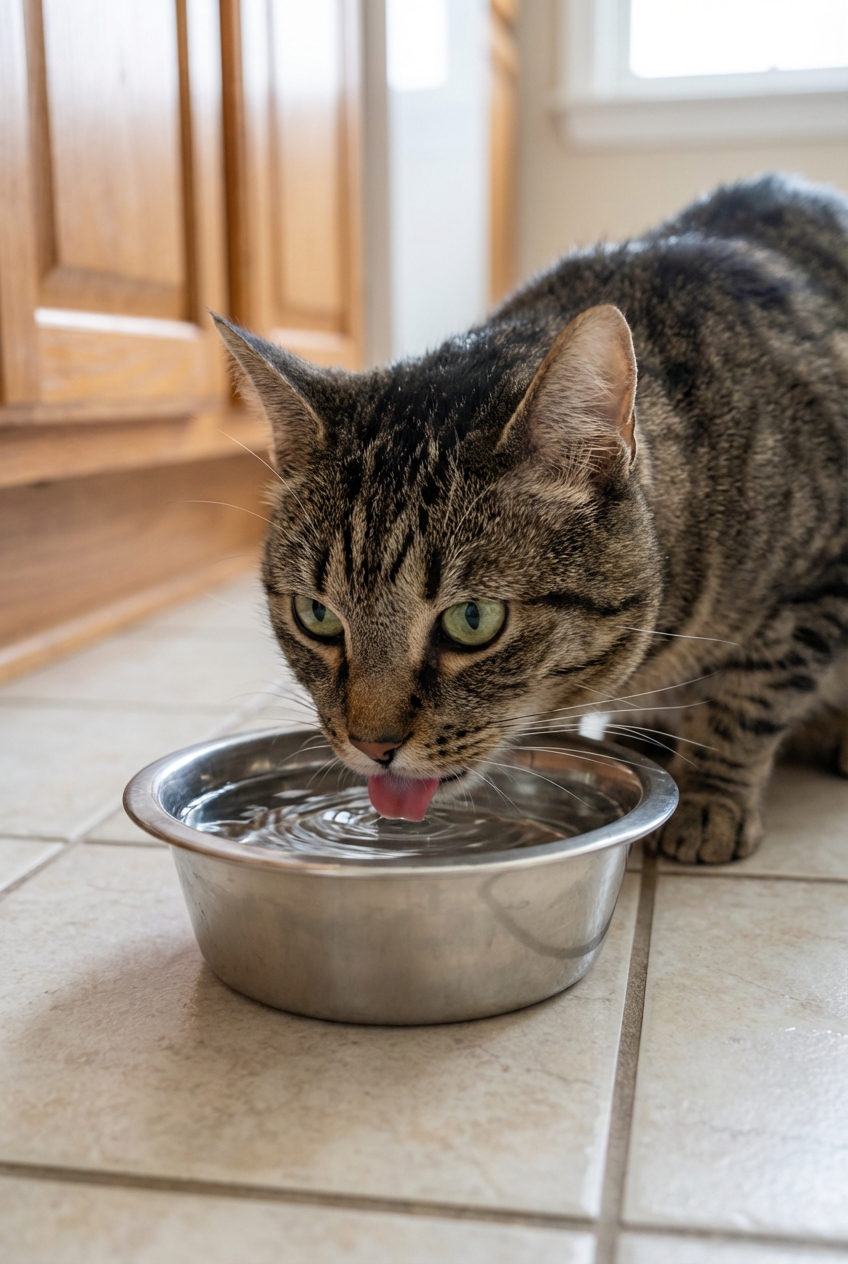
What dehydration means
Dehydration happens when your cat loses more fluid than they take in. Water supports healthy blood circulation, digestion, temperature regulation, and kidney function. Even mild dehydration can make a cat feel tired and nauseated. More serious dehydration can become an emergency, or signal a serious underlying problem.
Important note: If your cat is very lethargic, breathing fast, has pale gums, collapses, cannot keep water down, seems painful, or is not peeing, skip the home checks and call an emergency vet right away.
Quick signs at home
Some signs are subtle, but a pattern matters. If you notice several of these together, dehydration becomes more likely:
- Dry or tacky gums (instead of slippery and wet)
- Low energy, hiding, or acting “off”
- Reduced appetite
- Sunken-looking eyes
- Panting or faster breathing than usual (cats do not usually pant, although brief panting after stress, heat, or hard play can happen)
- Constipation or small, hard stools
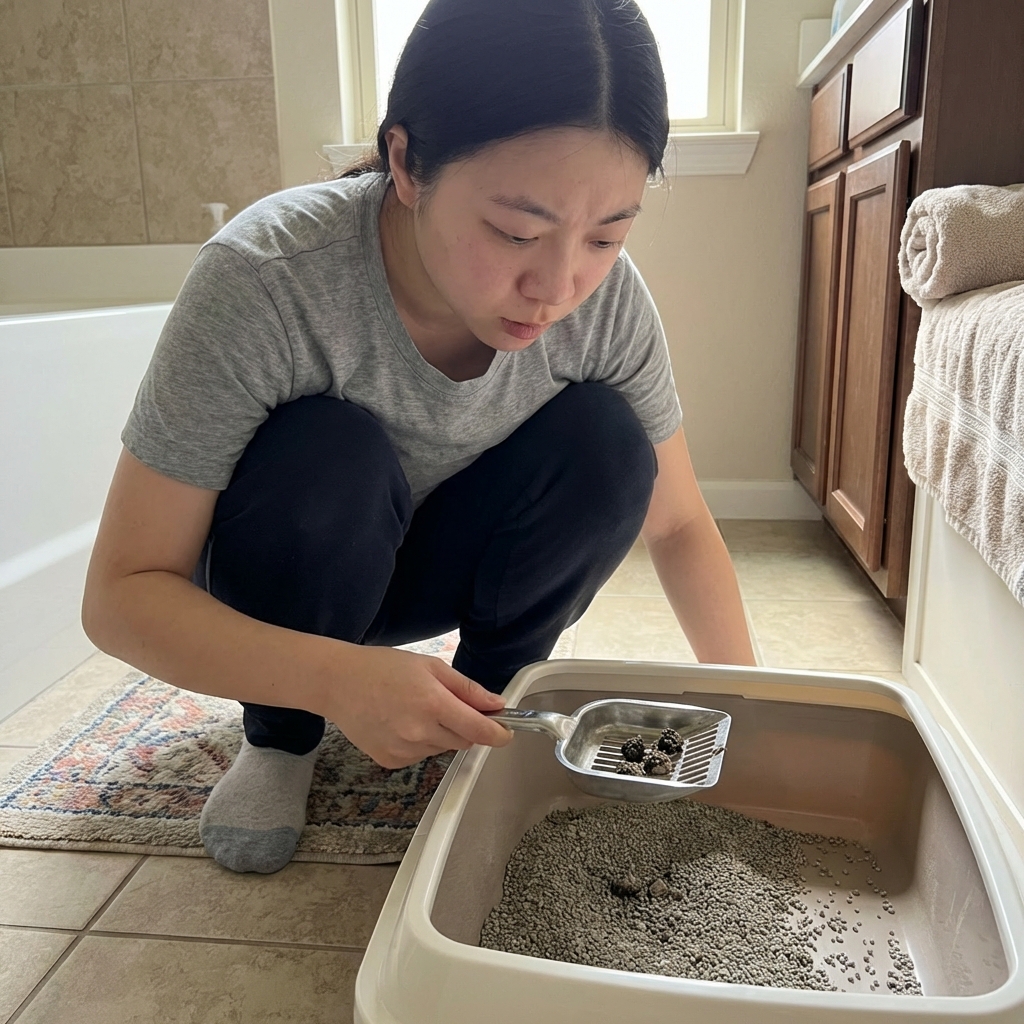
- Less urine in the litter box (note: clump size and color vary with litter type, so treat this as a general clue, not a precise measure)
- Vomiting or diarrhea
3 at-home checks
1) Gum moisture
Gently lift your cat’s lip and touch the gums with a clean finger.
- Normal: gums feel wet and slippery
- Concerning: gums feel sticky, dry, or tacky
2) Capillary refill time
This is a quick circulation check that can support what you are seeing with hydration. It is not specific to dehydration. A slow refill can also point to poor perfusion or shock, which is urgent.
- Press a finger gently on the pink gums for about 1 second.
- Release and watch how fast the color returns.
- Normal: color returns in about 1 to 2 seconds
- Concerning: color takes longer than 2 seconds to return
If refill time is slow and your cat seems weak, cold, or mentally “not there,” seek urgent care.
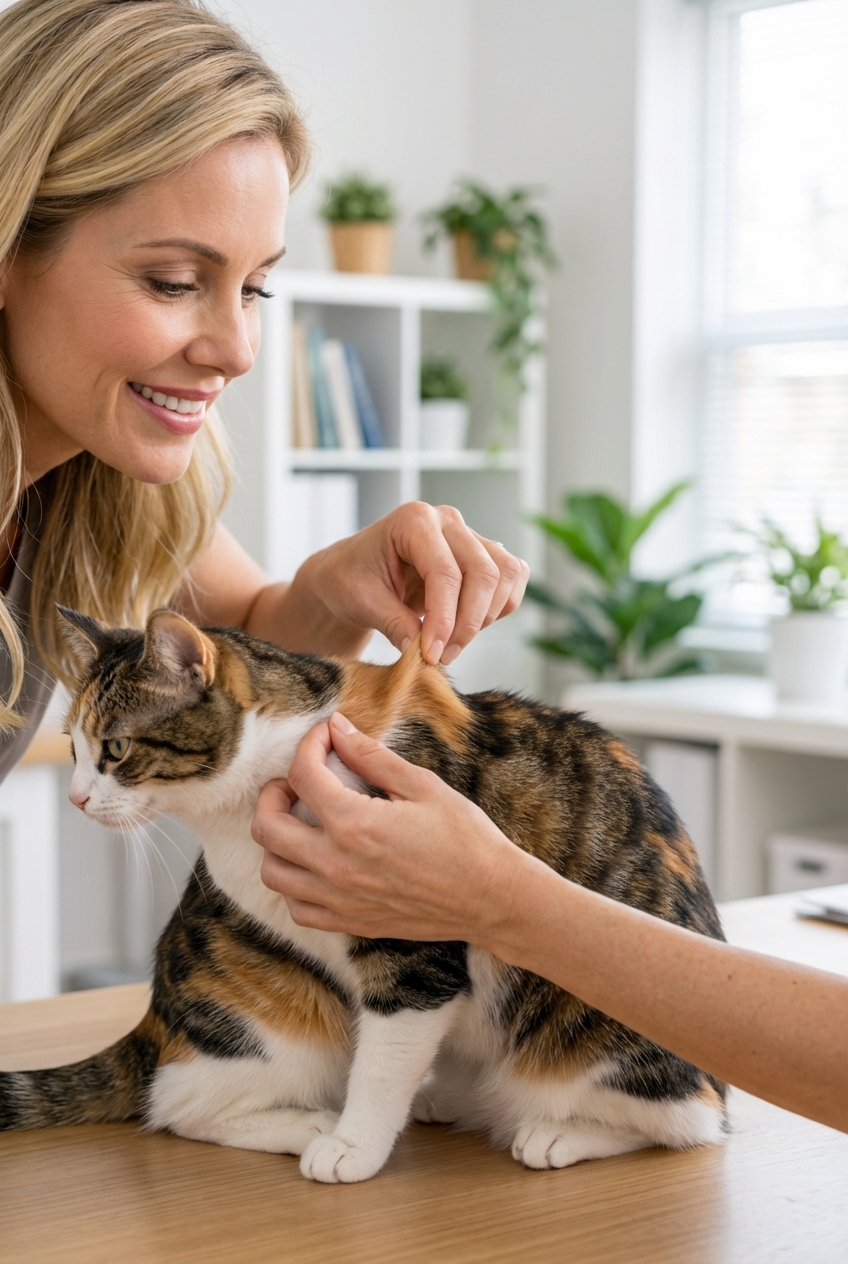
3) Skin tent test (use with caution)
Over the shoulders, gently lift a small “tent” of skin and let go.
- Normal: skin snaps back quickly
- Concerning: skin returns slowly or stays tented
Caution: this test is less reliable in older cats (their skin can be less elastic), very thin cats, and some breeds. Use it as one clue, not the only clue.
How serious is it?
Possible mild dehydration
Monitor closely and contact your vet soon, especially if it lasts more than a day.
- Gums slightly tacky
- Drinking a bit less than usual
- Energy mildly decreased
- Small decrease in litter box output
Urgent, same-day care
- Very dry gums
- Not eating plus low energy
- Repeated vomiting or diarrhea
- Sunken eyes, obvious weakness, or signs of pain
- Capillary refill time over 2 seconds
- Your cat has kidney disease, diabetes, hyperthyroidism, heart disease, or is a young kitten
- Very little urine, straining to urinate, or crying in the litter box (possible urinary blockage)
Emergency now
- Collapse, extreme lethargy, or unresponsiveness
- Labored breathing or persistent panting
- Pale or white gums
- Suspected toxin exposure
- Cannot keep water down
- Not peeing at all
Common causes
Dehydration is usually a symptom of something else. Common causes include:
- Not taking in enough water: stress, dirty bowls, bowl location, dislike of still water, or dry-food-only diets (which provide less moisture overall)
- GI upset: vomiting, diarrhea, intestinal parasites, pancreatitis
- Kidney disease: very common in older cats
- Diabetes: increased urination pulls water from the body (and diabetic ketoacidosis is an emergency)
- Fever or infection: increased fluid needs
- Heat stress: more likely in hot homes, garages, or during travel
- Pain or dental disease: some cats avoid drinking because it hurts
How much water is normal?
Normal water intake varies by diet, size, and health. Cats eating wet food often drink less from the bowl because they get more moisture from meals. Cats on dry food typically need to drink more to make up the difference. If your cat’s drinking habits change noticeably, or you see signs like weight loss, vomiting, or changes in urination, it is worth a veterinary check.
Safe ways to hydrate
If your cat is alert and not vomiting, these steps can support hydration while you arrange veterinary guidance if needed.
Make water more appealing
- Provide multiple water stations in quiet areas.
- Wash bowls daily and refresh water at least once a day.
- Try a wide ceramic or stainless bowl (some cats dislike whisker contact with narrow bowls).
- Consider a pet water fountain. Many cats prefer moving water.
Add moisture with food
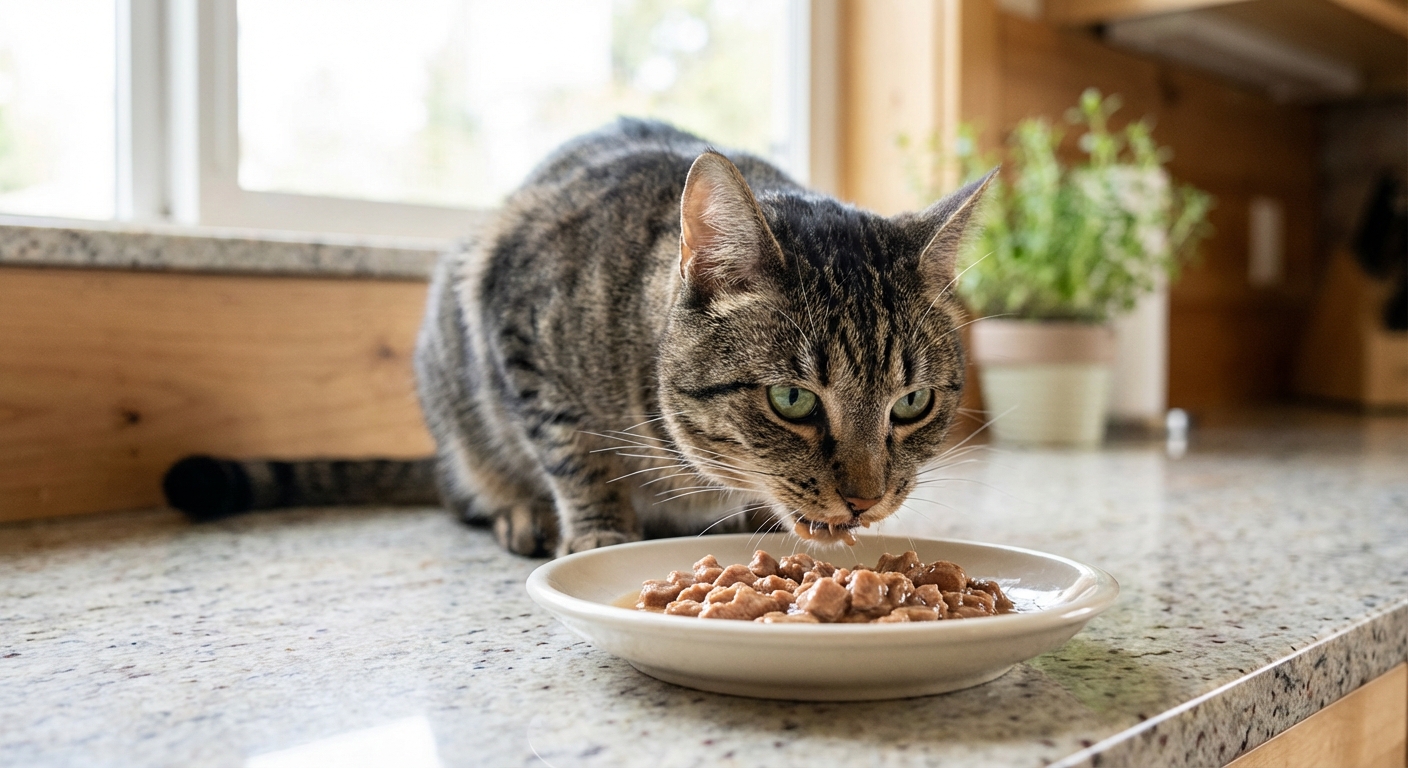
- Switch to or add canned wet food (it is naturally higher in water).
- Mix a tablespoon or two of warm water into wet food to create a stew texture.
- Offer low-sodium broth made for pets, if your vet says it is appropriate.
Encourage small sips
- Offer small amounts frequently rather than one big bowl if your cat seems hesitant.
- Some cats will lick water from your fingers or a spoon when they feel unwell.
Do not force water into your cat’s mouth. This includes trying to squirt water in with a syringe unless your veterinarian specifically instructs you. Forcing fluids can cause choking or aspiration, which is dangerous.
Electrolytes
For many cats, the safest first step is plain water plus wet food. Human sports drinks are not appropriate for cats due to sugar and electrolyte levels. Human electrolyte products (including solutions marketed for children) should also be avoided unless your veterinarian specifically recommends a dose and brand, because sodium and potassium loads can be risky in cats with kidney disease, heart disease, or other conditions.
If dehydration is suspected, especially with vomiting or diarrhea, your veterinarian may recommend a pet-safe oral electrolyte product or, in more significant cases, subcutaneous fluids or IV fluids. Those treatments can be a game changer, but they should be tailored to your cat’s health conditions and lab work.
Subcutaneous fluids at home
Some cats with chronic kidney disease or other long-term illnesses do well with subcutaneous fluids at home. This should only be done if your veterinarian prescribes it and teaches you the exact technique, amount, and schedule. Never start at-home fluids on your own, because the wrong fluid type or volume can cause complications.
What your vet may do
In the clinic, your veterinary team typically:
- Checks gum moisture, heart rate, temperature, weight, and hydration status
- Evaluates for pain, dental disease, or abdominal discomfort
- Runs lab tests (often bloodwork and urinalysis) to look for kidney issues, diabetes, infection, and electrolyte imbalances
- Provides fluids (subcutaneous or IV) based on severity
- Treats the underlying cause, not just the dehydration
Early care often means faster recovery and a less stressful visit for everyone.
Prevention tips
- Make water easy: several bowls, cleaned daily, away from litter boxes and loud appliances.
- Prioritize moisture: even adding some wet food a few times a week helps many cats.
- Track litter box output: changes in clumps or frequency are early clues.
- Weigh your cat monthly: gradual weight loss plus increased thirst can be a medical red flag.
- Schedule senior checkups: kidney disease and thyroid problems are common and treatable when caught early.
When in doubt
If you are on the fence, it is always okay to call your veterinarian and describe what you are seeing. Share details like gum feel, vomiting or diarrhea frequency, appetite, energy level, and litter box changes. Cats are masters at masking illness, so trusting your instincts as their person is part of good care.
This guide is for educational purposes and does not replace veterinary diagnosis or treatment. If your cat is a kitten, elderly, or has a chronic condition, contact your veterinarian sooner rather than later.