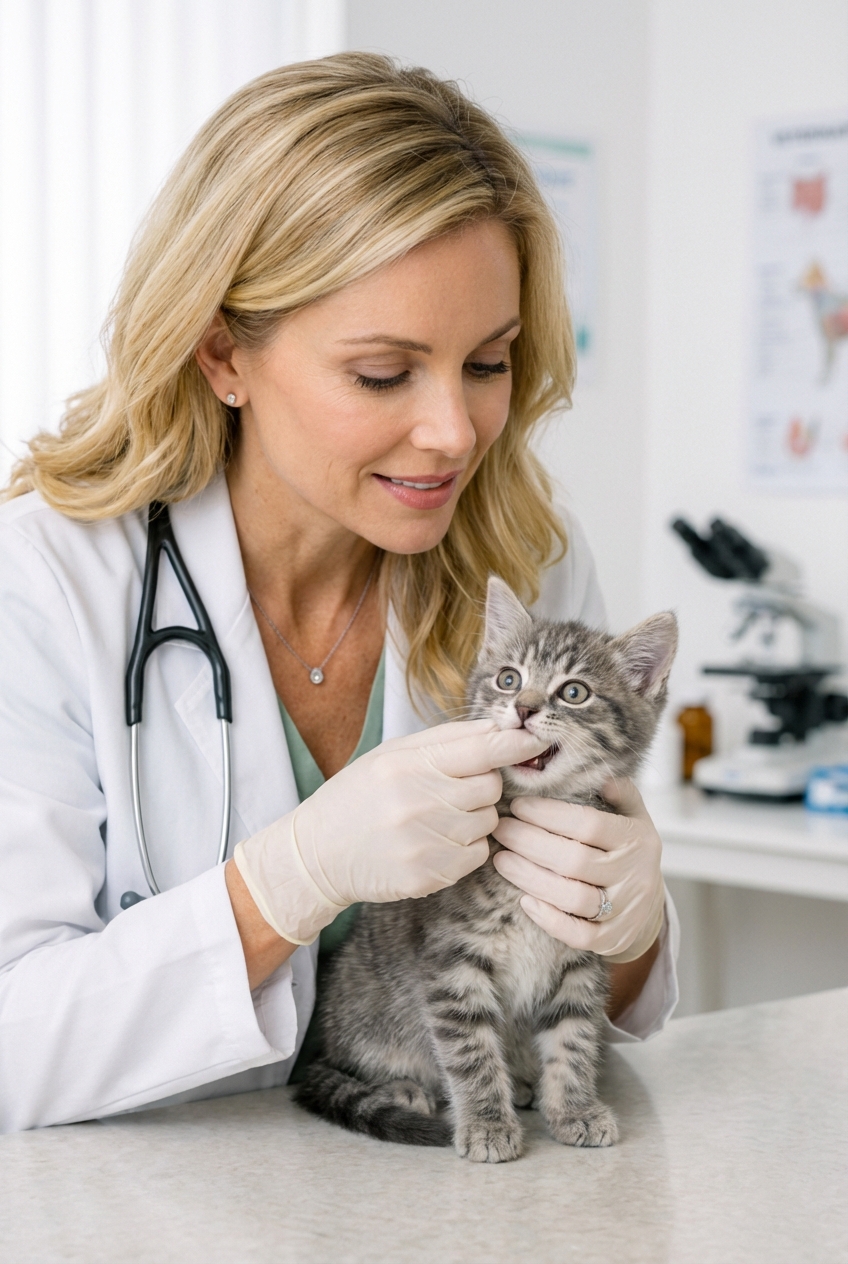
Estimate your kitten’s age at home using teeth, eye and ear changes, weight ranges, and behavior milestones—plus guidance on feeding, vaccines, and when ...
Article
•
Designer Mixes
How to Tell How Old a Cat Is

Shari Shidate
Designer Mixes contributor
If you have a new cat or you have taken in a stray, one of the first questions you will ask is simple: How old are you? And it matters. Age helps your veterinarian choose the right vaccines, parasite prevention, diet, and screening tests. It also helps you set realistic expectations for energy level, behavior, and even litter box habits.
As a veterinary assistant, I want to reassure you of something right away: estimating a cat’s age is always an approximation, especially after kittenhood. But with a few body clues, you can usually get close enough to make good care decisions.
Why age estimates are not exact
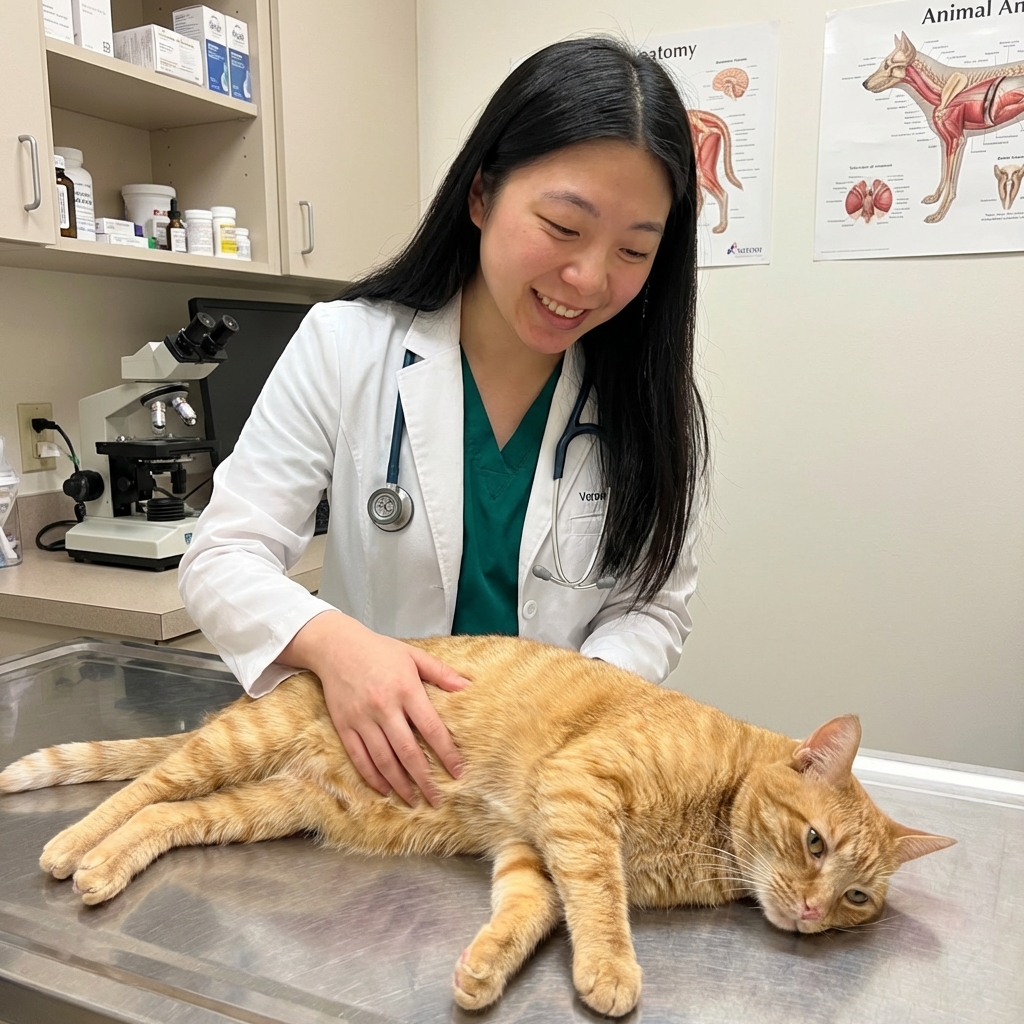
Cats do not come with birth certificates, and many factors can make a cat seem older or younger than they truly are. Outdoor life, poor nutrition early on, dental disease, and chronic infections can “age” a cat faster. On the flip side, indoor cats with routine vet care can look remarkably youthful well into their senior years.
That is why veterinarians use multiple signals together, not just one, when estimating age.
The fastest way: check the teeth
Teeth are the most useful clue, especially in kittens and young cats. If you can safely look in your cat’s mouth, here is what typically shows up.
Safety first: Do not pry your cat’s mouth open. Try lifting the lip briefly when they are calm (or while they are relaxed after a meal). Stop if your cat is stressed, and do not risk a bite or scratch. Your veterinarian can do a proper oral exam safely.
Kitten teeth timeline
- 0 to 2 weeks: No teeth.
- 2 to 3 weeks: Baby teeth (deciduous teeth) begin to erupt, often starting with the tiny front incisors.
- 3 to 6 weeks: More baby teeth come in, including canines and premolars.
- 6 to 8 weeks: Most baby teeth are in.
- 3 to 4 months: Adult incisors begin replacing baby teeth.
- 4 to 6 months: Adult canines and premolars come in.
- By about 6 months (sometimes up to 7): Most cats have a full set of adult teeth.
Adult cat dental clues
After about 1 year of age, veterinary dental professionals and veterinarians look more at tartar buildup, gum health, and tooth wear than eruption timing.
One important caveat: tartar and wear are a rough guide, not a clock. Diet, genetics, grooming habits, and dental care can make a young cat look “older” (or an older cat look surprisingly young).
- About 1 to 2 years: Teeth often look fairly white with minimal tartar.
- About 3 to 5 years: Mild to moderate tartar may appear, especially on back teeth. Early gingivitis (redness at the gumline) is common.
- About 5 to 10 years: More noticeable tartar, gum inflammation, and possible dental disease signs (bad breath, drooling, pawing at mouth).
- 10+ years: Significant tartar, gum recession, missing teeth, or advanced dental disease is more likely, though some well-cared-for cats keep decent teeth longer.
Important: Dental disease is common and treatable, but it can make a cat look “older” than they are. A dental cleaning and exam can improve comfort and help your vet refine the age estimate.
Other clues: eyes, coat, body
Eyes
Clear, bright eyes can be seen at any age, but some changes become more common with time.
- Young cats: Clear lenses, minimal cloudiness.
- Middle-aged to senior cats: A mild, bluish haze (lenticular sclerosis) can occur and is often normal aging. True cataracts are different and can affect vision.
If you notice redness, discharge, squinting, or a cloudy white appearance, schedule a vet visit. Eye issues are not something to “watch and wait” on.
Coat and skin
- Kittens and young adults: Softer coat, often glossy, usually minimal dandruff.
- Older cats: Coat may become thinner, more coarse, or look unkempt if arthritis makes grooming painful. Dandruff can increase.
A scruffy coat can also mean parasites, allergies, dental pain, obesity, or underlying illness, so it is a clue but not a final answer. Also, while some people look for “gray hairs,” coat color changes are not a reliable way to estimate age in most cats.
Muscle tone and posture
Muscle loss along the spine or hips can show up in older cats, especially if they have kidney disease, thyroid issues, or are not eating well. Some senior cats also develop a stiff gait or difficulty jumping due to arthritis.
In clinic, your veterinarian will often use tools like a body condition score and muscle condition score to add context. In some cases, X-rays (for example, to look for joint changes) can support an estimate, although they still cannot give an exact birthday.
Behavior and energy
Behavior can help you estimate age, but it is also heavily influenced by personality and environment.
- Kittens: Short bursts of intense play, climbing, pouncing, and frequent naps.
- Young adults (1 to 6 years): Active, athletic, playful, often more confident and curious.
- Mature adults (7 to 10 years): Still playful but often calmer, with longer rest periods.
- Seniors (11+ years): More sleep, less jumping, may seek warmth and quiet more often.
Sudden changes, like hiding, irritability, nighttime yowling, or stopping play, deserve a medical check. Cats are experts at being subtle when they do not feel well.
Cat years vs human years
You may have heard different formulas, but many veterinarians use this general comparison:
- 1 year old cat is roughly like a 15-year-old human.
- 2 years old is roughly like a 24-year-old human.
- After that, each cat year is about 4 human years.
This is not perfect, but it helps explain why a 12-year-old cat is truly a senior and benefits from more frequent wellness checks.
If you found a stray
If your cat’s age is unknown, focus on what you can do right now to protect their health.
If it is a kitten
For very young kittens, teeth can be hard to assess, so look at overall development too. Weight gain, coordination, and weaning status help your veterinarian estimate age.
- Eyes and ears: Eyes open around 1 to 2 weeks. Ears “stand up” more as kittens grow.
- Movement: Wobbly at first, then steadier and more coordinated over the next few weeks.
- Weaning: Many kittens start trying wet food around 4 to 5 weeks, with full weaning often closer to 6 to 8 weeks.
If you find a very young kitten, contact a veterinarian or rescue promptly. Feeding and warmth needs are time-sensitive at that stage.
Bring these notes to your first vet visit
- Estimated timeline of when you found them and any known history
- Appetite and water intake
- Litter box habits (urine amount, stool consistency, frequency)
- Energy level and sleep patterns
- Any coughing, sneezing, vomiting, or diarrhea
- Any lumps, wounds, or areas of pain
Ask your vet about
- Spay or neuter status
- Vaccines appropriate for lifestyle (indoor-only vs indoor-outdoor)
- FIV and FeLV testing
- Parasite control (fleas, ticks, intestinal parasites)
- Microchip and ID
- Dental exam and cleaning timing
- Baseline bloodwork, especially for adult and senior cats
For many adult cats, your veterinarian may estimate a range like “about 3 to 5 years” or “likely over 10.” That is normal and still very useful for making care decisions.
Care tips by life stage
Kittens (0 to 12 months)
- Use a vet-approved kitten diet and plan for a vaccine series.
- Start positive handling: gentle mouth, paw, and ear touches help future exams.
- Discuss spay or neuter timing early.
Adults (1 to 10 years)
- Prevent dental disease early with vet dental cleanings and home care if your cat tolerates it.
- Keep them lean. Extra weight accelerates arthritis and can raise diabetes risk.
- Annual exams are ideal even if your cat “seems fine.”
Seniors (11+ years)
- Consider twice-yearly wellness visits and routine lab work.
- Watch for subtle signs: weight loss, increased thirst, nighttime vocalizing, jumping less.
- Add comfort support: soft bedding, low-entry litter boxes, pet stairs, and warm resting spots.
When not to guess
Please schedule a veterinary appointment promptly if you see:
- Difficulty eating, drooling, or a strong mouth odor
- Rapid weight loss or a pot-bellied appearance
- Breathing changes, persistent coughing, or open-mouth breathing
- Straining in the litter box, blood in urine or stool, or not urinating
- Sudden behavior changes, hiding, or aggression
- Cloudy eyes, squinting, or eye discharge
These signs can happen at any age and are much more important than a number on a timeline.
Bottom line
You can often estimate a cat’s age by combining teeth, coat quality, eyes, muscle tone, and behavior. Teeth are the most reliable, especially for kittens. For adult cats, age is usually a range, not an exact year.
If you are unsure, that is okay. The most loving thing you can do is get a veterinary exam and build a care plan that fits your cat’s likely life stage. Age is helpful. Comfort, nutrition, prevention, and early treatment are what truly protect your cat’s long-term health.