Teach a reliable “Down” with simple lure, capture, or shaping methods. Learn how to add a cue and release word, build duration, troubleshoot issues, and ...
Article
•
Designer Mixes
How to Teach a Puppy to Sit

Shari Shidate
Designer Mixes contributor
Teaching a puppy to sit is one of the easiest early wins you can get in training. It is not just a cute “trick.” A reliable sit helps with polite greetings, waiting at doors, and calming down when excitement takes over. As a veterinary assistant, I also love “sit” because it is generally a low-impact behavior you can reinforce in everyday moments without a lot of wear and tear on growing joints.
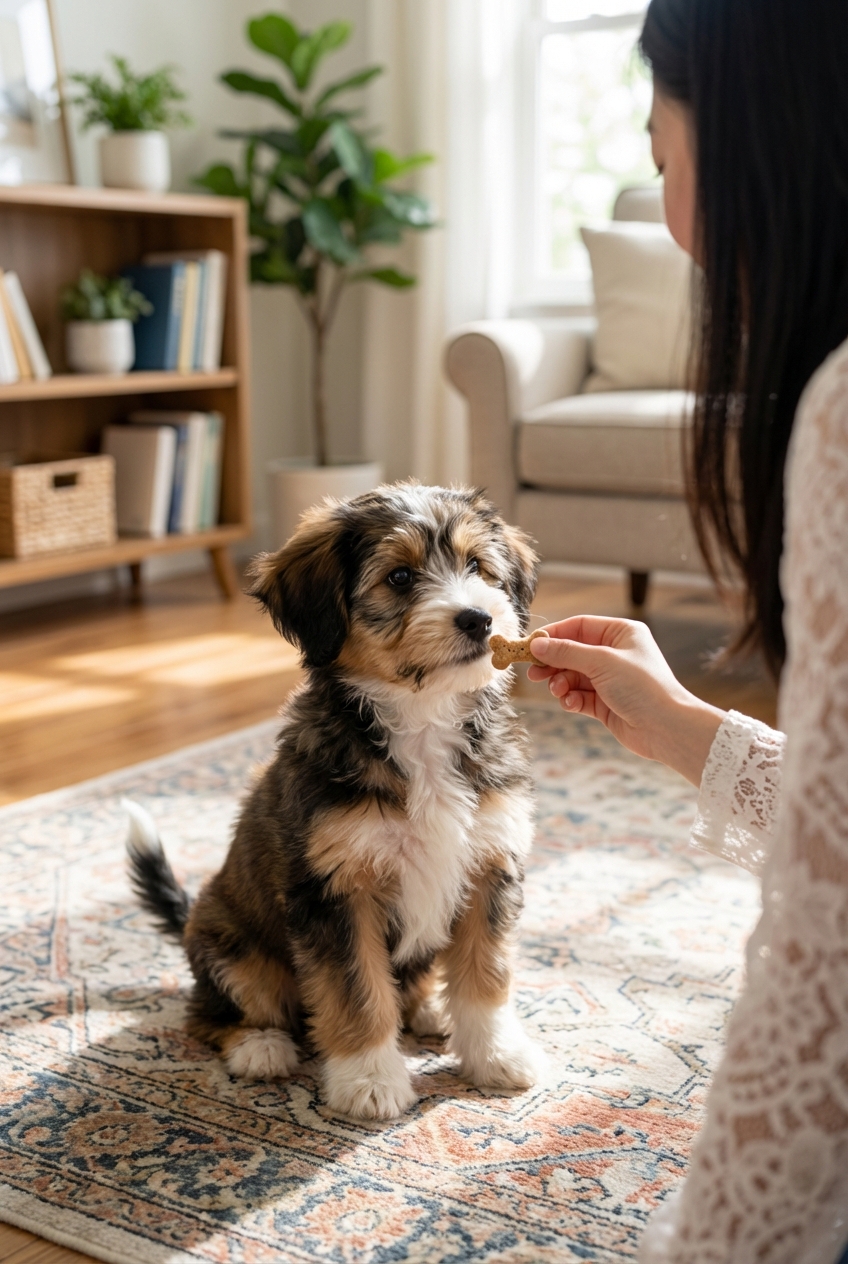
The best part is you can start slowly, keep it fun, and build success in tiny steps. With good timing and rewards, most puppies catch on quickly.
What “Sit” teaches
When you teach sit the right way, you are also teaching:
- Impulse control: pausing instead of jumping or grabbing.
- Communication: “When you do this, good things happen.”
- Focus: checking in with you around distractions.
- Handling readiness: a calm position for leashing up, nail trims, and vet visits.
Think of sit as a foundation behavior that makes many other skills easier.
Before you start
Choose rewards
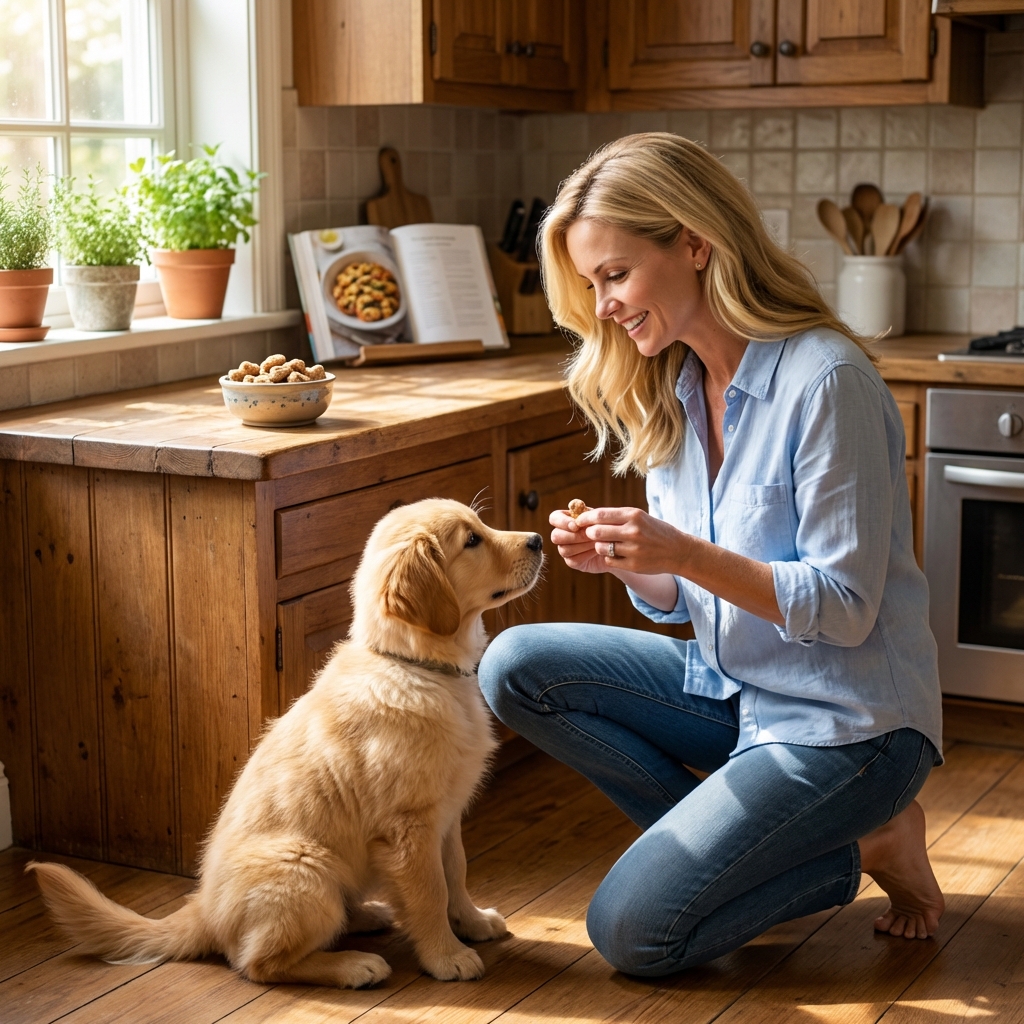
For most puppies, tiny soft treats work best because they can chew and swallow quickly. You can also use kibble if your puppy loves it, or a special “high value” treat for distractions.
- Keep treats pea-sized.
- Plan for 5 to 10 rewards in a mini session.
- If your puppy has a sensitive stomach, use part of their meal or ask your veterinarian about treat options.
Pick a training spot
Start somewhere quiet with good footing, like a rug or yoga mat. Slippery floors can make sitting uncomfortable and slow learning.
Keep it short
Puppies learn best in mini sessions. Try 1 to 3 minutes, a few times per day. In that time you will usually get 5 to 10 reps. Quit while your puppy is still having fun.
Lure, mark, reward
This is the most beginner-friendly way to teach sit, and it is gentle for puppies.
Step by step
- Start with your puppy standing. Hold a treat right at their nose level.
- Move the treat up and slightly back toward the top of their head. Many puppies naturally tuck their hips down as their nose follows the treat.
- The moment the rear end touches the floor, mark it. You can say “Yes” or use a clicker.
- Reward immediately with the treat.
- Reset by taking one step back or tossing a treat a foot away so they stand up again, then repeat.
Do a handful of reps, then take a break.
When to add the word “sit”
Wait until your puppy is sitting smoothly with the lure. Then say “Sit” about one second before you lure. After a few sessions, reduce the lure motion so your hand signal becomes smaller and your puppy starts responding to the cue.
Timing is everything: mark the exact moment your puppy’s bottom hits the floor. If you reward late, they may think standing up is what earned the treat.
If luring is not working
Some puppies will not follow a lure well (or they get frustrated). You have a couple of easy options:
- Capture it: keep treats on you, and when your puppy sits on their own, mark “Yes” and reward. After a few captures, you can start adding the cue right before you think they will sit.
- Change the setup: train after a nap, use a non-slip mat, and try a slightly better treat.
Common hiccups
My puppy jumps for the treat
- Hold the treat closer to their nose and move more slowly.
- Reward with your hand down at chest level after they sit, not up high.
- If jumping is constant, start with the puppy on a leash or behind a baby gate for a calmer setup.
My puppy backs up
This usually means the lure is too far back. Keep the treat closer to the puppy’s nose and lift it gently upward rather than pulling it behind their head.
My puppy lies down
Some puppies offer a down because they are relaxed or trying to guess. If it happens:
- Raise the lure a little higher so a down is harder.
- Reward only true sits for now.
- Practice on a surface where lying down is less tempting, like a cool mat instead of a soft bed.
My puppy sits at home but not outside
This is normal. Puppies often do not generalize skills well, so they may need help practicing in new places.
- Start outside with better treats.
- Lower your expectations: reward smaller steps at first, like a head tilt up to your hand, a knee bend, or a quick partial sit.
- Increase distractions slowly, like driveway first, then sidewalk, then park.
Use sit in real life
Once your puppy understands sit, you can use it throughout the day. This builds reliability without long formal sessions.
- Before meals: ask for a sit, then set the bowl down.
- At doors: sit before you open the door, then release.
- Before the leash clip: sit for calm handling.
- For greetings: sit earns attention, jumping makes attention pause.
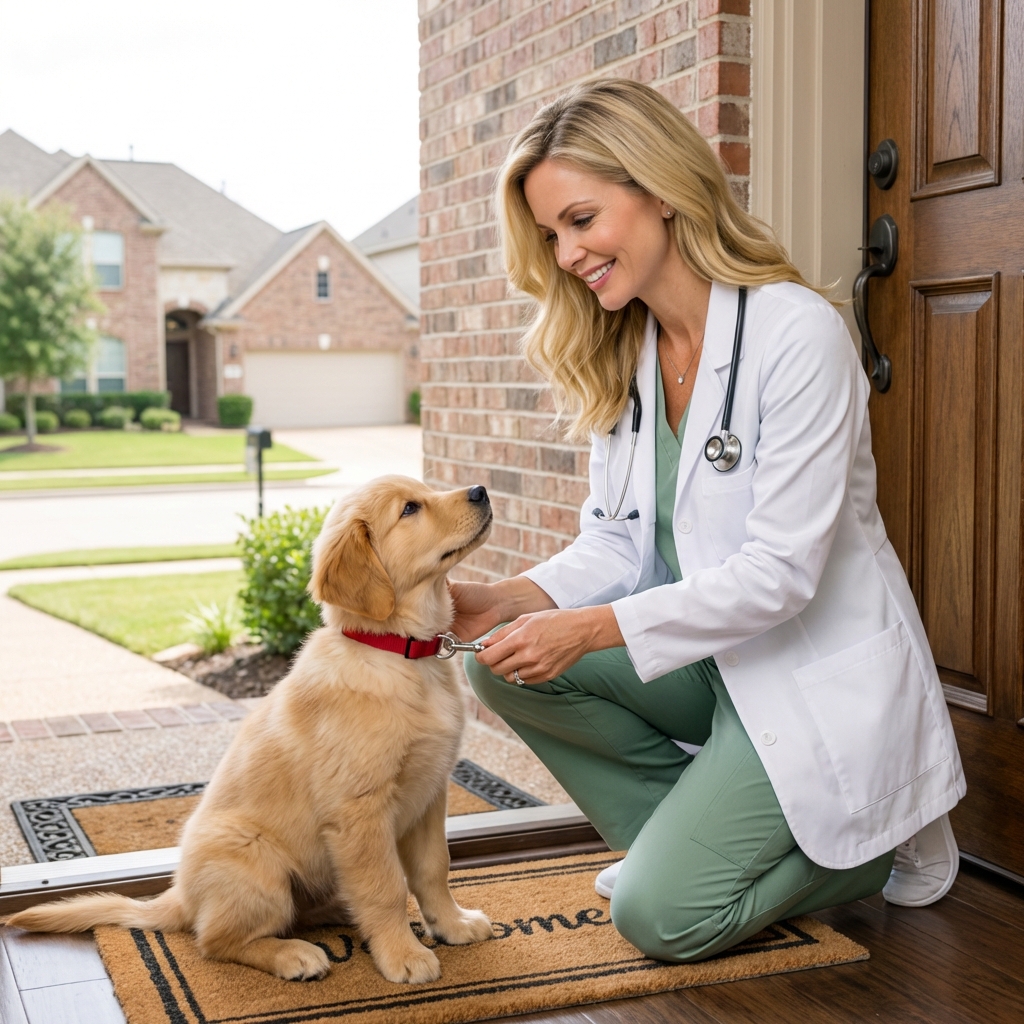
Add a release word
Teach your puppy that sit is not forever. Use a simple release like “OK” or “Free”. Cue “Sit,” then mark and reward, and remember that the sit continues until you say your release word. At first, release after about one second, then gradually build duration.
How often to practice
A realistic plan that works for busy families:
- 3 mini sessions per day (1 to 3 minutes each)
- About 5 to 10 reps per session
- Daily real-life sits at meals, doors, and leash time
Consistency beats intensity. If you miss a day, just start again. Puppies learn in waves.
Fading treats
Once sit is reliable in a few places, start easing off the constant food rewards so your puppy does not think “sit only counts when I see a treat.”
- Switch to intermittent treats: reward every sit at first, then every other sit, then randomly.
- Add life rewards: sitting can earn the door opening, the leash going on, a sniff break, or calm petting.
- Keep surprise bonuses: even adult dogs love an occasional jackpot for a fast, clean sit.
Safety notes
- Do not force a sit by pushing on your puppy’s hips. It can create discomfort and make the cue unpleasant.
- Watch for pain signs like yelping, bunny hopping, stiff gait, or refusing to sit. If you notice these, check in with your veterinarian.
- Use treats wisely so you do not overdo calories. Tiny treats add up quickly, especially for small breeds and mixes.
If your puppy is short-nosed (brachycephalic) or has any orthopedic concerns, keep sessions calm and low-arousal, take more breaks, and train on non-slip surfaces. Some short-nosed puppies work harder to breathe when excited, so slower training can help them stay comfortable and focused.
Troubleshooting checklist
- Is your treat high enough value for the environment?
- Are you marking the exact moment the puppy sits?
- Are sessions short enough to keep enthusiasm up?
- Are you practicing in multiple locations so it generalizes?
- Are you rewarding sits in real life, not just during training?
Small tweaks make a big difference.
Bottom line
Teaching sit is one of those early skills that pays you back for years. Keep it upbeat, reward generously in the beginning, and build slowly from quiet rooms to real-world distractions. Your puppy is not trying to be “stubborn.” They are learning how to learn. And you are building a shared language, one tiny success at a time.