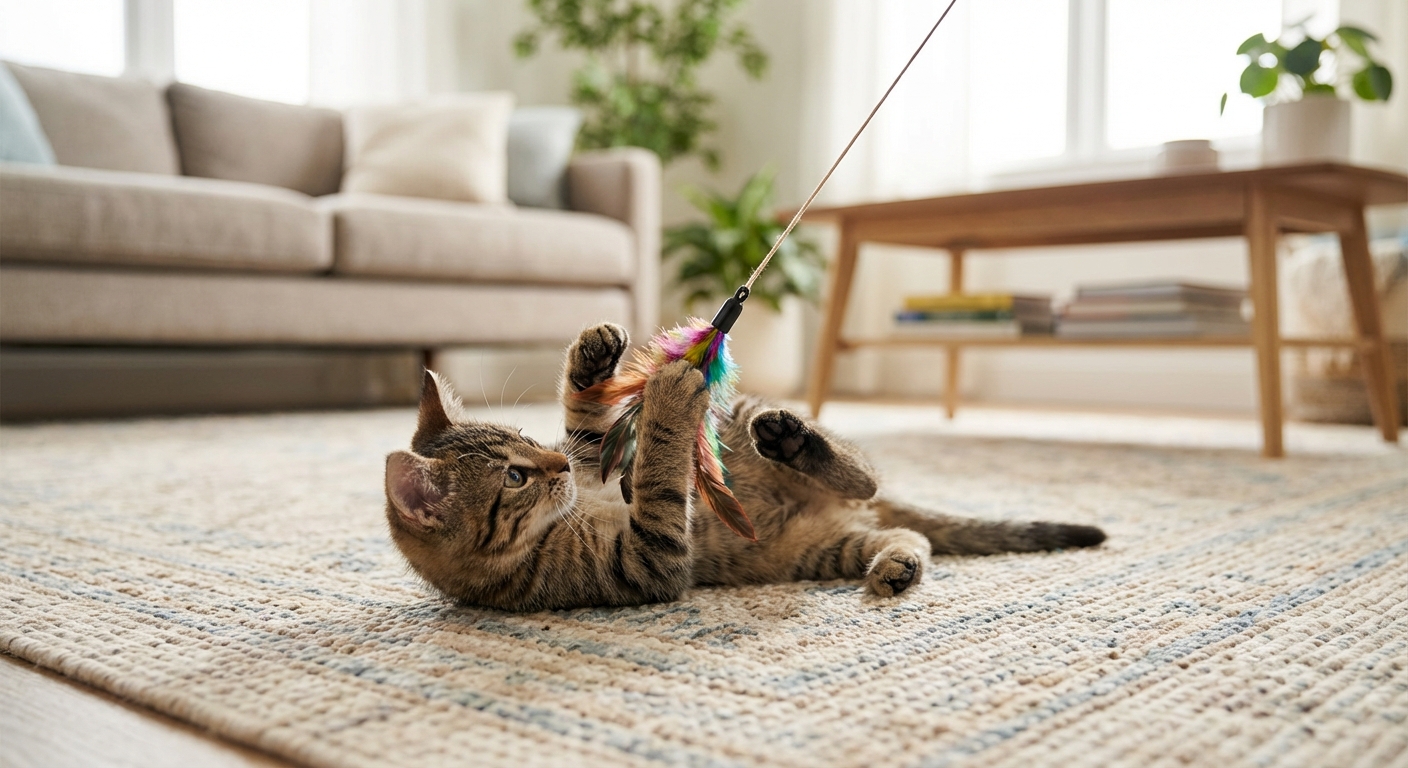
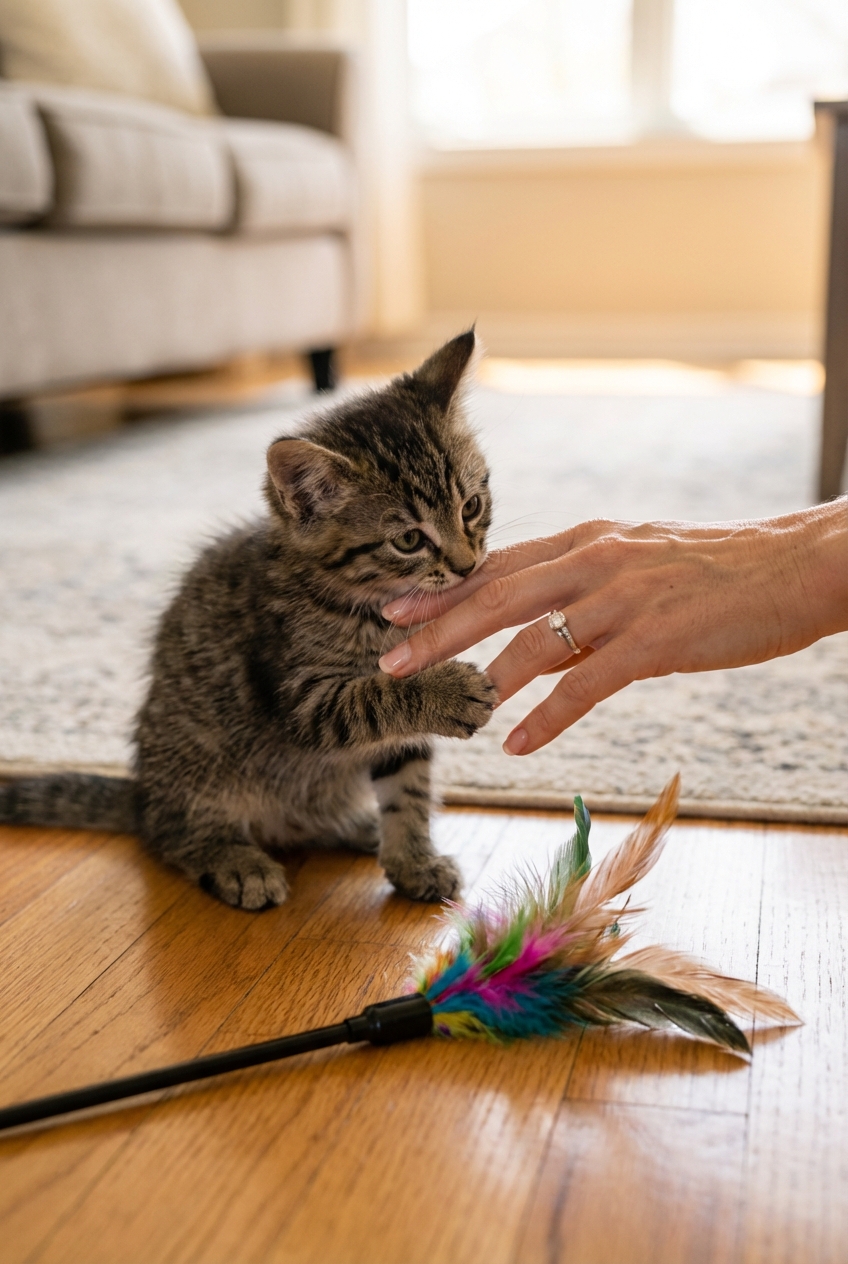
Kitten biting is usually normal play, teething, or overstimulation. Learn to read body language, stop the game when teeth touch skin, redirect to toys, and b...
Article
•
Designer Mixes
How to Teach a Kitten Not to Bite

Shari Shidate
Designer Mixes contributor
Kittens bite for the same reason toddlers grab and mouth everything: they are learning. Biting can be play, exploration, teething discomfort, or a fast way to say, “I’m done.” The goal is not to punish your kitten. The goal is to teach gentle behavior, protect your hands, and still let your kitten be a kitten.
As a veterinary assistant, I can tell you the best results usually come from two things done consistently: redirecting to the right outlets (toys, chew items, play routines) and removing the reward (attention and movement) when teeth touch skin.
Why kittens bite
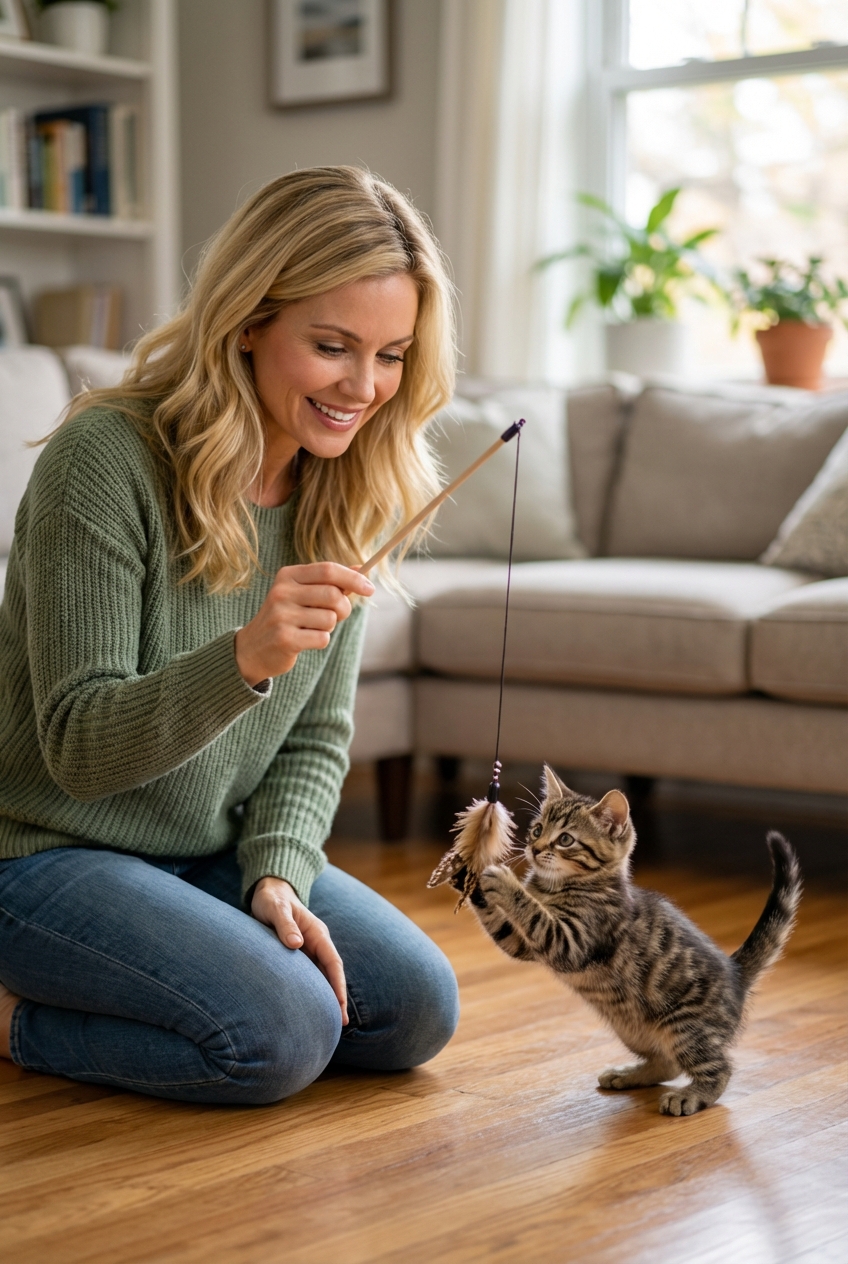
Before we talk training, it helps to understand what your kitten is communicating. Biting is a normal behavior, but we want to shape it into acceptable outlets.
- Play practice: Kittens rehearse hunting with their littermates. They pounce, grab, and bite.
- Learning bite pressure: In a litter, a kitten who bites too hard gets a squeal and the game stops. That feedback teaches “gentler.”
- Teething: Many kittens go through mouth discomfort and seek things to chew. Teething often ramps up around 3 to 6 months as adult teeth come in.
- Overstimulation: Some kittens get “petting sensitive” and nip to end contact.
- Fear or pain: A sudden bite during handling can be a sign of stress, discomfort, or a medical issue.
Set the training goal
A realistic goal is not “never use teeth,” because cats will always have mouths. The real goal is:
- No teeth on human skin during play or petting.
- Appropriate outlets for hunting and chewing (daily).
- Early warning signs respected so your kitten does not need to escalate to a bite.
The golden rule: hands are not toys
If you do one thing, do this. Do not wrestle with your kitten using your fingers, and do not “let them bite a little” when they are tiny. That teaches a habit that becomes painful as adult teeth come in.
Use distance toys instead:
- Wand toys
- Lightweight balls or mice toys
- Kick toys (long plush toys designed for bunny-kicking)
- Treat puzzles and food dispensers
What to do when biting happens
Timing matters. You are teaching: “Biting makes the fun stop.”
Step-by-step
- Freeze. Stop moving your hand or foot. Wiggling is exciting and can trigger more hunting. If you can, bring your hands to a safe, neutral position (still and close to your body).
- Stay neutral. No yelling, no lecturing. Big reactions can accidentally reward the bite.
- Disengage safely. If your kitten is latched, avoid yanking away fast, which can tear skin and can make the game more exciting. If it is safe, you can try gently moving your hand slightly toward the mouth to reduce the tugging sensation, then slowly slide away. If your kitten is highly aroused or this feels risky, skip this and instead support your hand, become “boring,” and use a toy or barrier (like a pillow) to create space.
- Redirect immediately. Offer a toy they can bite. Toss a ball or use a wand toy to move attention away from your skin.
- End attention if it continues. Calmly stand up and walk away for 30 to 60 seconds. This is your “kitten time-out,” and it is for you, not a punishment for them.
With consistent responses, many kittens improve noticeably within a couple of weeks, but the timeline can vary based on age, energy level, environment, and how long the habit has been in place.
Teach gentle play
Kittens learn gentleness when the reward disappears. Each time teeth touch skin, the message should be the same: attention stops.
- If teeth touch skin during play, play stops immediately for a short break.
- When your kitten re-engages appropriately with a toy, play resumes.
- Your kitten learns: toy play keeps you engaged, biting skin ends the fun.
Daily play routine
Many biting problems are really an energy and enrichment problem. Kittens need appropriate hunting outlets, especially in indoor homes.
A simple routine
- 2 to 4 play sessions daily (5 to 10 minutes each)
- Use a wand toy to mimic prey: slow stalk, then quick dart, then a “catch”
- Finish with a small meal or treats to complete the cycle
This routine often reduces ankle attacks and surprise nips because your kitten’s needs are met on purpose, not taken out on your hands.
Stop ankle attacks
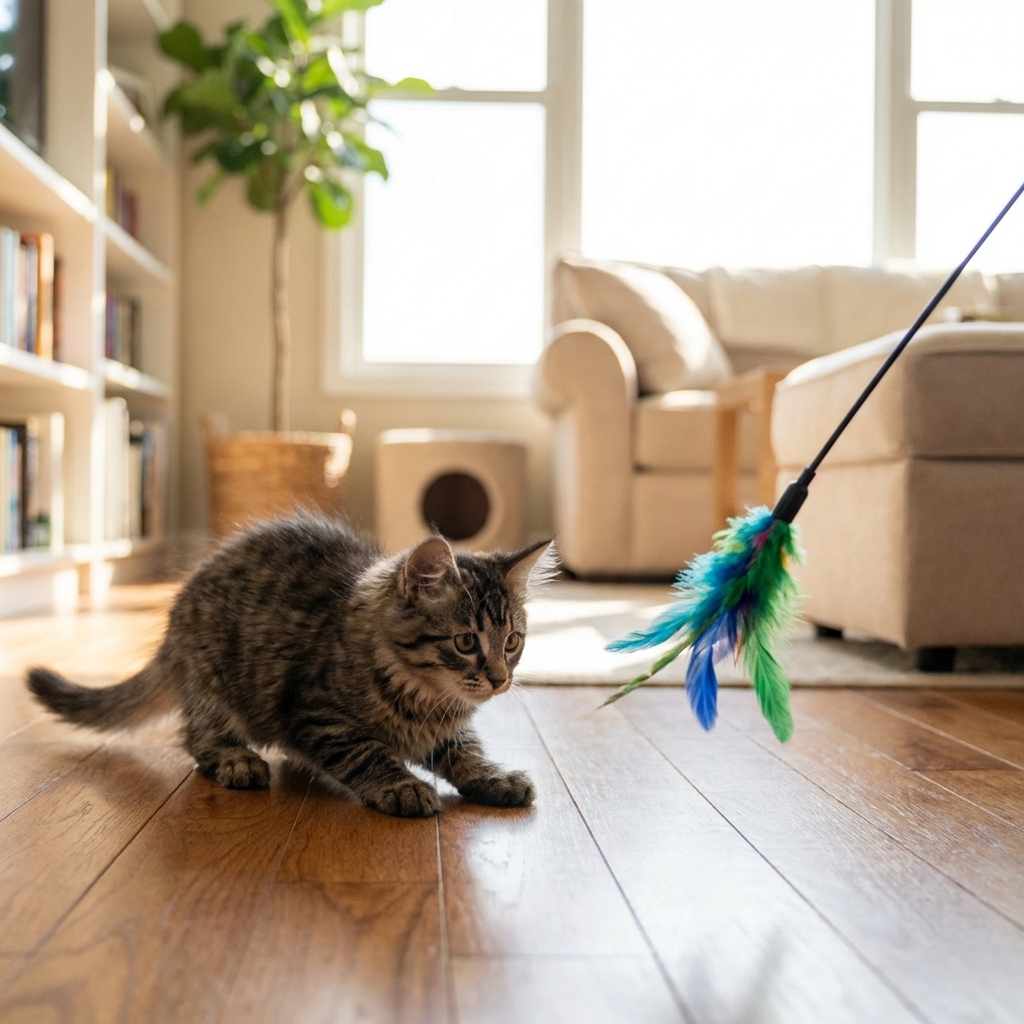
If your kitten ambushes your feet, the key is to avoid turning it into a chase game.
- Do not run. Fast movement invites more hunting.
- Go still or shuffle away slowly to a safe spot.
- Redirect by tossing a toy away from your legs or grabbing a wand toy to give them a target at a distance.
- Reward the right choice by continuing play with the toy when they switch off your ankles.
Prevent biting during petting
Some kittens bite when they are overstimulated or touched in a way they do not enjoy. Respecting their signals builds trust fast.
Warning signs
- Tail flicking or thumping
- Skin twitching along the back
- Ears rotating sideways or flattening
- Turning the head toward your hand
- Sudden freezing or tense posture
What to do
- Keep petting short (3 to 5 strokes), then pause.
- Pet preferred areas like cheeks, chin, and head. Many cats dislike belly and full-body rubbing.
- Let your kitten choose. If they lean in, continue. If they pull away, stop.
Chewing options for teething
If your kitten seems extra mouthy, give them appropriate things to chew, and rotate them to keep interest. This can be especially helpful during the 3 to 6 month teething window.
- Soft rubber cat chew toys designed for kittens
- Fabric kickers
- Crinkle toys
- Chilled (not frozen solid) toys can soothe gums for some kittens
Avoid anything that can splinter, and avoid string, yarn, hair ties, or ribbons your kitten could swallow.
Kids and kittens
Kittens and children can be a great match, but they need coaching and supervision. Most bites happen when play gets loud, fast, and hand-focused.
- Supervise all interactions. An adult should manage the toy and the pace of play.
- Teach “freeze like a statue.” No running, squealing, or hand-waving when the kitten grabs on.
- Toys only. Wand toys, tossed toys, and puzzle feeders are safer than hand play.
- Short sessions and breaks. Overtired kittens get bitey, and overstimulated kids get wiggly. Both need a reset.
What not to do
These common reactions can make biting worse by increasing fear, frustration, or excitement.
- Do not hit, flick, or tap the nose. This can damage trust and increase defensive biting.
- Do not scruff. It is stressful for many kittens and can escalate behavior.
- Do not chase your kitten to punish. That turns into a game or creates fear.
- Do not use hands to “teach a lesson.” It reinforces that hands are part of rough play.
- Be cautious with spray bottles. They can suppress behavior temporarily but often increase anxiety and can harm your bond.
Set up your home
Management is not failure. It is smart training support.
- Keep wand toys handy in the rooms where you spend time, so you can redirect quickly.
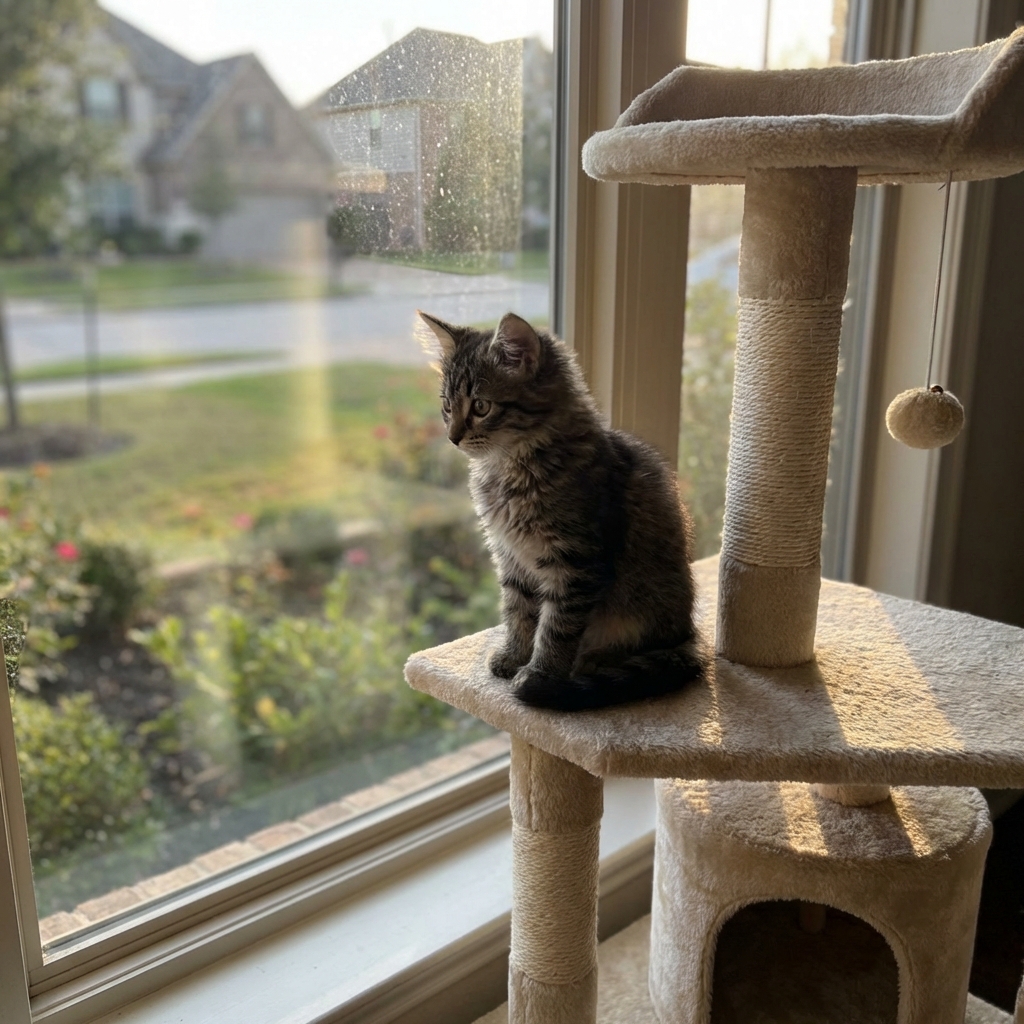
- Provide vertical space like a cat tree. Kittens who can climb and perch often feel more secure and less reactive.
- Use puzzle feeders to burn mental energy.
- Schedule quiet time. Overtired kittens can get bitey, just like overtired kids.
When a playmate helps
Some kittens raised without a feline playmate can struggle to learn bite inhibition because they do not get that instant “too hard” feedback from another kitten. If you have a single kitten who is extremely mouthy, talk with your veterinarian or a feline behavior professional about whether a second, well-matched kitten could help.
This is not required for every home, but in some cases, a compatible playmate teaches gentler play faster than any human can.
How long does it take?
Many families see improvement within 1 to 3 weeks when everyone responds the same way every time, but it can take longer. Age (especially teething), enrichment, household activity, and consistency all matter.
Progress often looks like this:
- Fewer surprise attacks on hands and ankles
- Lighter bites or “mouthing” that stops when you freeze
- More toy-focused play and better self-control
When to call your vet
Please reach out for medical guidance if:
- Your kitten suddenly starts biting when they were previously gentle
- Biting happens during handling and your kitten also cries, limps, hides, or seems uncomfortable
- You see mouth pain signs like drooling, pawing at the mouth, bad breath, or not eating
- Bites are severe, frequent, or paired with intense fear or aggression
If your kitten breaks skin, wash the wound well and monitor for redness, swelling, warmth, pus, or increasing pain. Cat bites can become infected quickly in people. Seek medical care promptly for deep punctures, bites to the hand or near a joint, worsening pain, fever, if you are immunocompromised, or if your tetanus shot is not up to date.
Quick checklist
- Schedule 2 to 4 short interactive play sessions daily
- Put away hand-play and wrestling
- Freeze and go neutral when teeth touch skin
- Redirect to a toy immediately
- End attention for 30 to 60 seconds if biting continues
- Do not run from ankle attacks, redirect instead
- Watch for petting warning signs and stop early
- Offer safe chew and kick toys, rotated regularly
Gentle kittens are not born, they are taught. With calm consistency and the right play outlets, your kitten can learn to keep those sharp little teeth on toys, not you.