Teach “shake” with positive reinforcement using capture, lure, or shaping. Includes safety checks, common problem fixes, and a simple 10-day plan for a c...
Article
•
Designer Mixes
How to Teach a Dog to Paw

Shari Shidate
Designer Mixes contributor
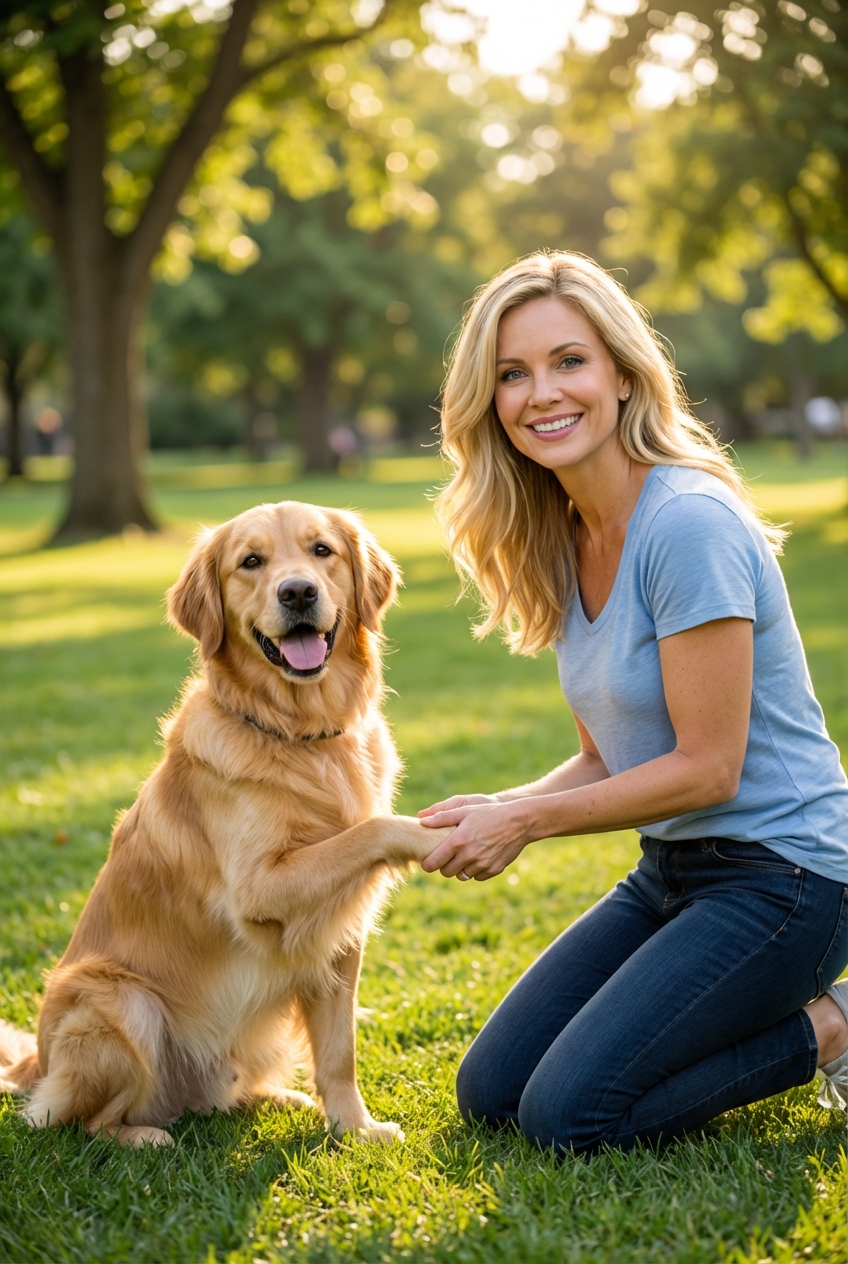
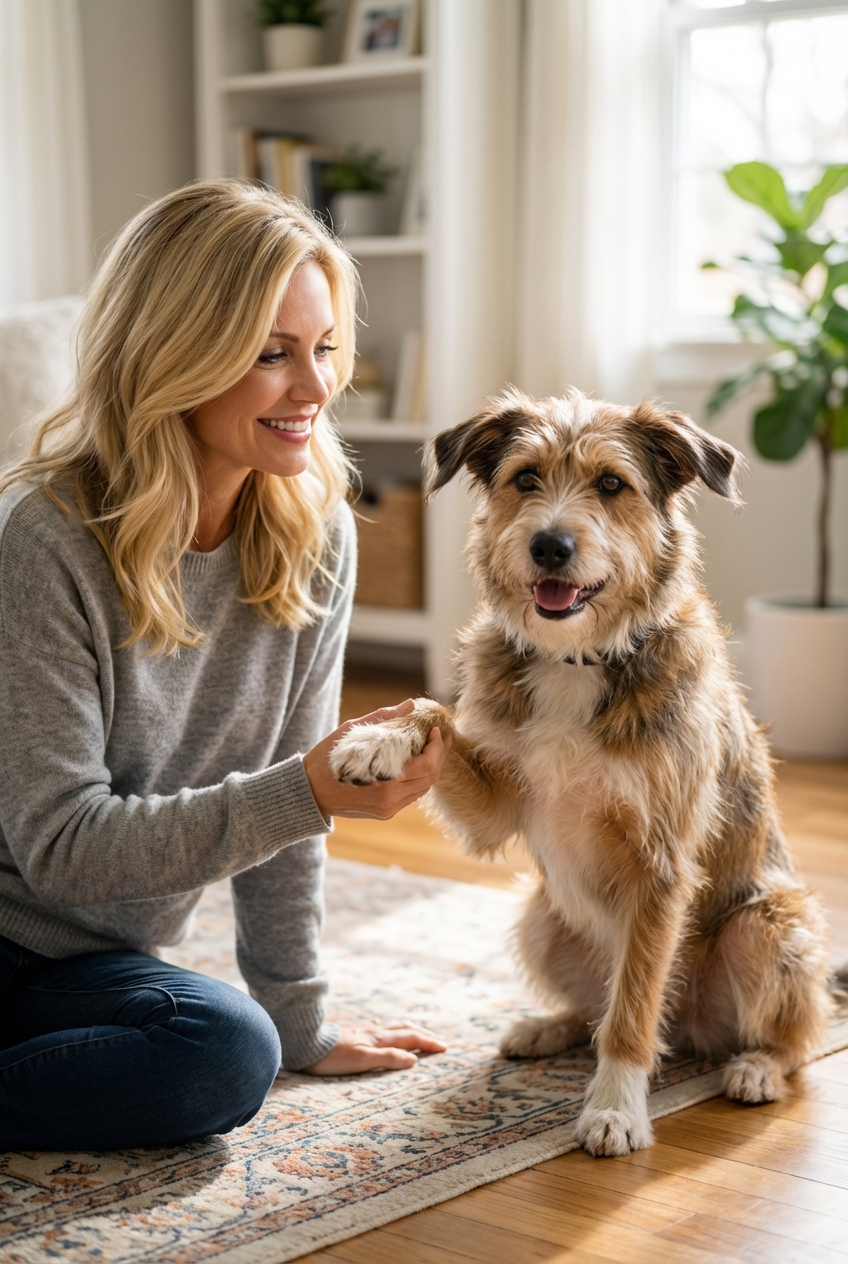
Teaching your dog to “paw” (also called “shake”) is one of those sweet, confidence-building skills that makes people smile. It can also be a helpful starting point for cooperative care like gentle handling, grooming practice, vet exams, and some dogs’ nail-trim routines.
As a veterinary assistant in Frisco, Texas, I love this cue because it can be taught with gentle, reward-based methods. No forcing the leg, no tugging, and no frustration. We want your dog to think, offer behavior, and feel safe doing it.
What “paw” means to your dog
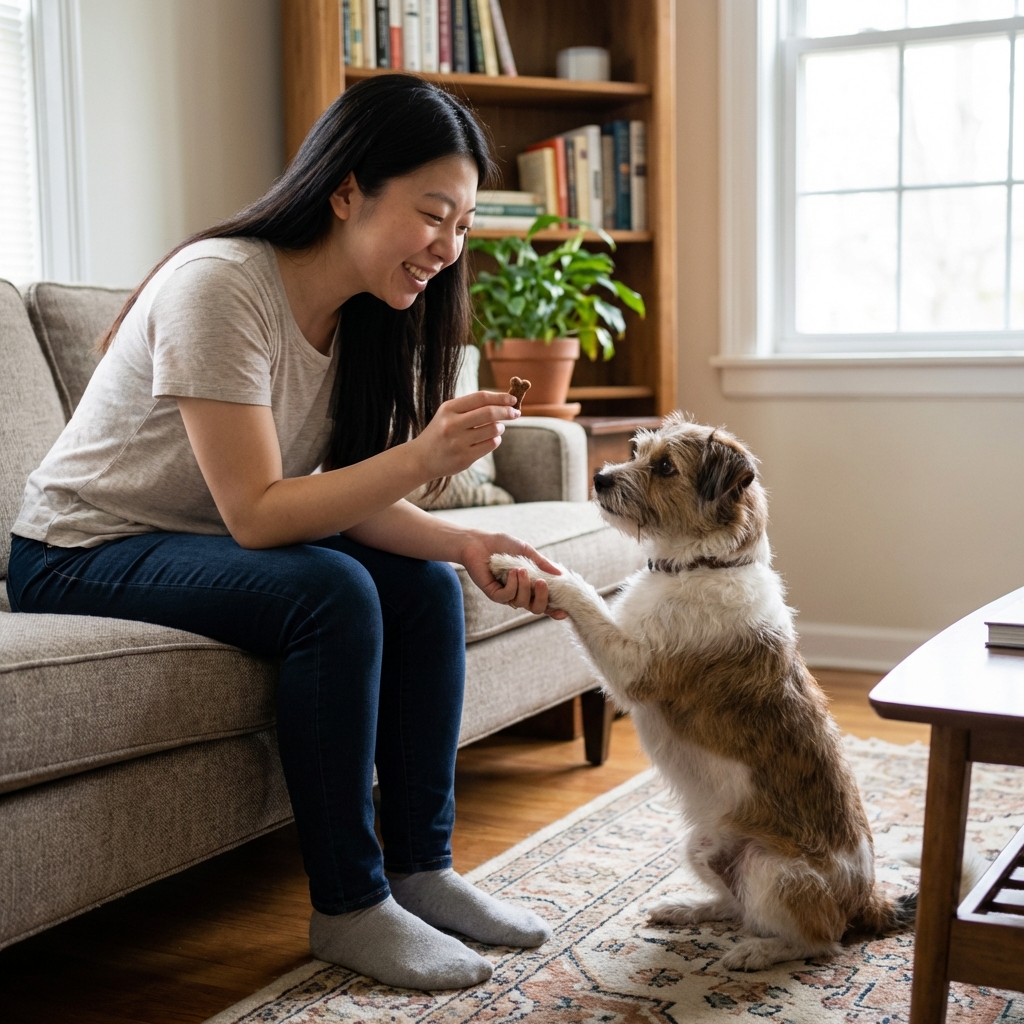
To us, “paw” looks like a polite handshake. To a dog, it is often a balance challenge plus a social interaction. Lifting a front paw shifts weight onto the other three legs, and some dogs feel wobbly at first. Others are naturally “pawsy” and tap you constantly.
That is why good training keeps the sessions short, upbeat, and very clear. When your dog understands the game, you will see more relaxed body language and more consistent paw offers.
- Goal behavior: Dog places one paw into your open hand or touches your hand with their paw.
- Optional add-on: Hold the paw briefly, then release on cue, for a true “shake.”
Before you start
Pick the right rewards
Most dogs learn fastest with soft, pea-sized treats that they can swallow quickly. If your dog is toy-motivated, you can absolutely use a toy, but treats make the early steps cleaner.
Choose the training spot
Start in a quiet area with low distractions and good footing. Slippery floors can make paw training harder, especially for puppies, seniors, or dogs with long legs.
Keep sessions short
Aim for 1 to 3 minutes, then take a break. Several tiny sessions a day beat one long session.
Marker basics
If you do not use a clicker, a consistent marker word like “Yes!” works great. Say it the instant the paw lifts or touches your hand, then follow with a treat. The marker tells your dog, “That right there is what earned the reward.”
Safety note from the clinic side
If your dog is limping, avoiding weight on one front leg, or has known arthritis, shoulder issues, or wrist problems, check with your veterinarian before you practice. We do not want a trick to become a source of pain.
Best body position
Many dogs find “paw” easiest from a sit because it feels stable and predictable. Some dogs, especially those with orthopedic issues or who dislike sitting on slick floors, may do better standing.
Pick the position where your dog looks relaxed and balanced. If your dog seems wobbly, try a non-slip mat and a stand instead of a sit.
Method 1: Capture the paw
Capturing means you reward a behavior your dog naturally offers, then put it on cue. Many dogs lift a paw when they are thinking, when you pause, or when a treat is in your closed fist.
- Get your dog in position. Have your dog sit or stand in front of you.
- Hold treats out of the way. Keep treats in the hand you are not using as the “target” hand.
- Wait quietly. Your dog will sniff, look at you, and often lift a paw slightly.
- The moment the paw lifts, mark it. Say “Yes” (or click), then immediately give a treat.
- Repeat until you see a pattern. You want your dog thinking, “Lifting my paw makes treats happen.”
- Raise your criteria slowly. First reward any lift, then only reward lifts that move toward your hand.
- Add your open palm. Present your hand low and close. Mark and treat when the paw touches your palm.
This approach is kind, low-pressure, and tends to create a dog who offers the paw happily, not a dog who feels pushed.
Method 2: Closed-fist lure
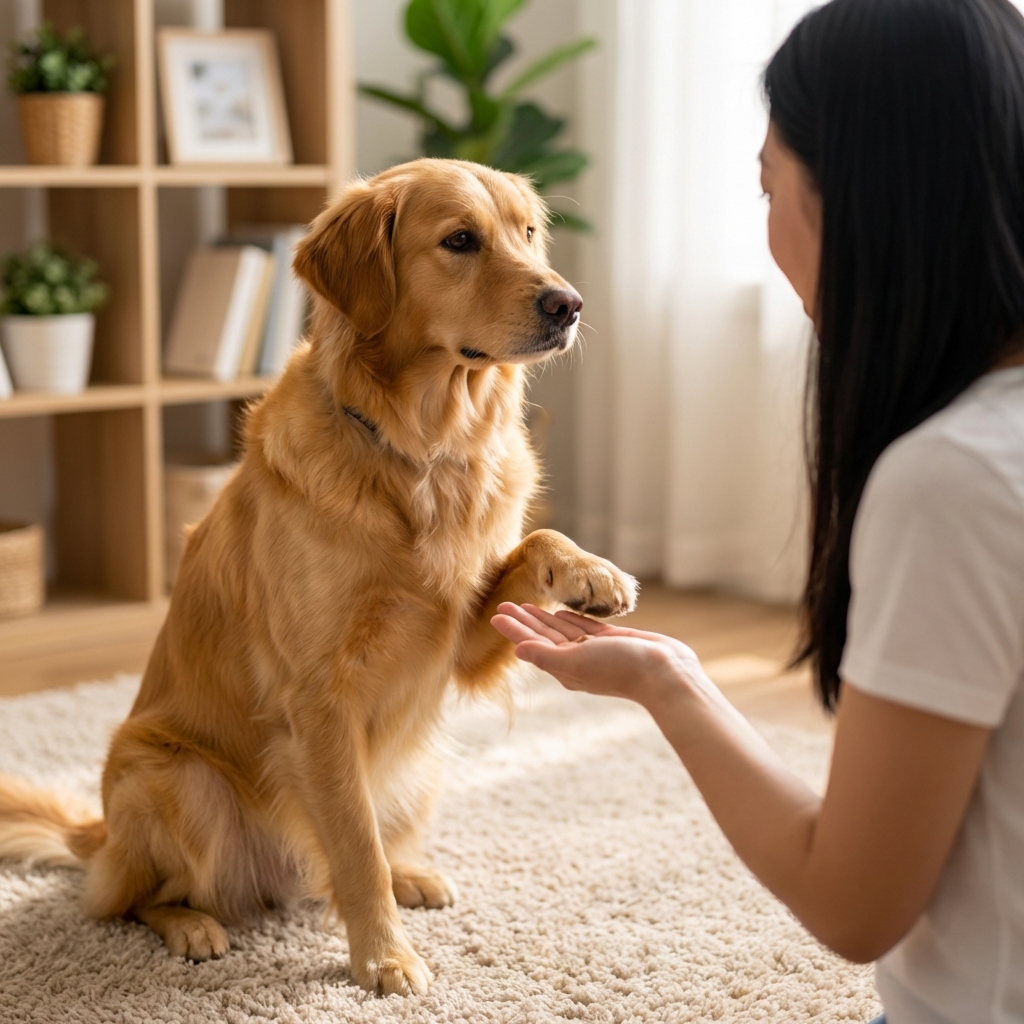
If your dog never lifts a paw on their own, you can use a gentle lure. No grabbing the paw, and no tapping the leg repeatedly. Just let curiosity do the work.
- Put a treat in your closed fist. Hold your fist at about chest height, a few inches in front of your dog.
- Wait for any paw movement toward your fist. Many dogs will paw at your hand after sniffing.
- Mark and reward. Say “Yes,” then give the treat from your other hand if possible. This helps prevent mouthing your “paw hand.”
- Switch to an open palm. Once your dog is pawing reliably, show an open palm and reward paw-to-palm contact.
If your dog tries to use their mouth, pause and reset. Reward only the paw behavior. You are teaching precision, not begging.
Add the cue
When to name it
Add the cue once the behavior is happening predictably. A handy guideline is: if you can usually predict your dog will do it within a couple seconds, you can name it.
- Say “Paw” one time.
- Present your open hand.
- When the paw lands, mark and treat.
Build duration gently
In the beginning, reward quick touches. Later, you can slowly add a half-second of contact before you mark. Always release the paw. Do not hold it too long, especially with wiggly puppies.
Practice in real life
Dogs do not automatically understand that “paw” works everywhere. Practice in new rooms, then the backyard, then on a calm walk. Lower your expectations when the environment gets harder, and pay well for success.
Polite paws
This is the part that keeps “paw” cute instead of chaotic. Only reward the behavior when you ask for it. If your dog starts pawing at you or guests to demand attention, calmly remove attention and redirect to a sit, a mat, or a toy. Then cue “paw” when you are ready and reward the polite version.
Common mistakes
- Your dog slaps hard: Reward gentler touches. You can mark only soft contact and ignore big smacks.
- Your dog mouths your hand: Keep treats in the opposite hand and reward away from your palm. Use a flat, still hand target.
- Your dog offers both paws: Teach one side at a time. Hold your hand slightly to the left or right to encourage a specific paw.
- Your dog seems stressed: Back up a step. Reward tiny tries. Keep your voice calm and your body posture relaxed.
- Your dog refuses: Check footing, check fatigue, and check motivation. Also consider discomfort and talk to your vet if anything seems off.
More fun with “paw”
Once your dog understands the concept, you can build little routines that are adorable and practical.
- High five: Raise your palm higher and reward the upward paw.
- Wave: Reward paw lifts without touching your hand.
- Paws up on a low object: Great for body awareness and confidence, as long as it is safe and stable.
- Cooperative care: Pair “paw” with gentle touches to the leg and brief nail handling, always with rewards and breaks.
Reward-based training is widely recommended by trainers and veterinary behavior professionals because it builds skills while protecting the human-animal bond. For many dogs, low-stress learning like this can also reduce anxiety around handling over time.
When to get help
If your dog growls, snaps, stiffens, or pulls away when you touch their legs, pause training and reach out for help. This can be a pain signal, fear, or a past negative experience. Your veterinarian can rule out medical issues, and a qualified force-free trainer can create a step-by-step plan that keeps everyone safe.
If you are local to Frisco, ask your veterinary team for a personalized plan. We can often help you adjust the setup, especially for seniors and dogs with sore joints.
Action step: If you notice limping, sensitivity around the wrist or shoulder, or sudden refusal to lift a paw, book a vet check before practicing more “paw.”
Quick 5-day plan
- Day 1: Reward any paw lift or paw tap.
- Day 2: Present your open palm low. Reward paw-to-palm contact.
- Day 3: Add the cue “paw” right before you expect the behavior.
- Day 4: Practice in a new room and reduce treat size, not treat frequency.
- Day 5: Ask for “paw,” then “sit,” then “paw” again. Keep it playful and end on a win.
Remember, the bottom line is confidence. A dog who feels safe and rewarded learns faster, offers more, and enjoys training with you.