Teach your dog their name as an attention cue using simple, reward-based steps. Includes troubleshooting, fun games, proofing around distractions, and a 7-da...
Article
•
Designer Mixes
How to Teach a Dog Their Name

Shari Shidate
Designer Mixes contributor
Teaching your dog their name is one of the simplest training wins you can get, and it pays off for your dog’s whole life. Your dog’s name becomes a cue that means, “Look at me, something good is coming,” and that attention is the foundation for recall, leash skills, and polite behavior at home.
As a veterinary assistant here in Frisco, Texas, I love name training because it is gentle, fast, and confidence-building for shy dogs and active puppies alike. Let’s walk through a clear, trainer-tested approach based on basic learning principles, plus what to do if your dog ignores you.
What your dog is learning
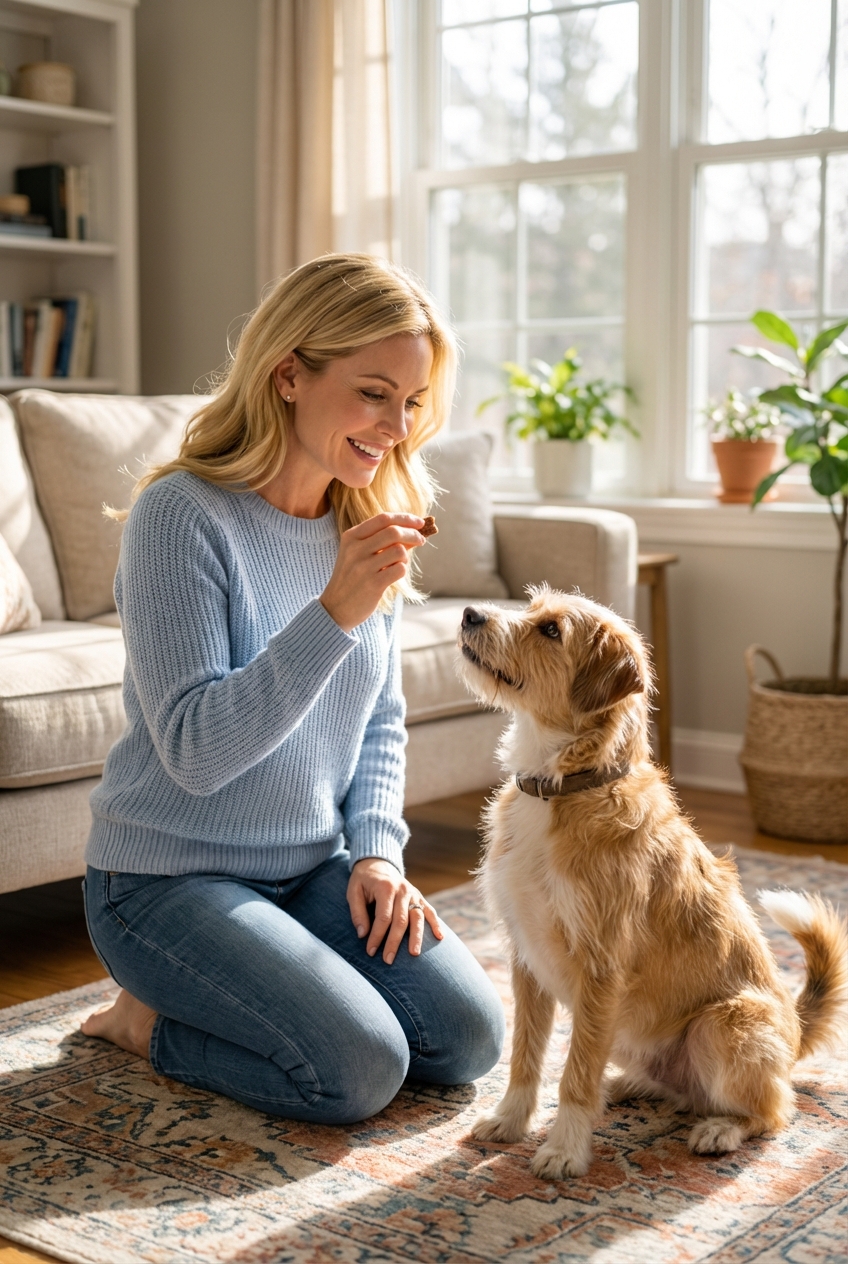
When we say “teach your dog their name,” what we really mean is teaching a reflex: name → eye contact (or head turn) → reward. In training terms, you are conditioning a positive response to a sound.
This matters because many dogs hear their name mostly when something unpleasant happens, like “Buddy, stop!” or “Buddy, no!” If your dog’s name predicts stress or correction, attention can get weaker over time. Our goal is to make the name predict good things again.
Your dog’s name should feel like a warm tap on the shoulder, not a warning alarm.
Before you start
Pick the right rewards
Choose something your dog will work for. For most dogs, that is pea-sized soft treats, but it can also be a toy toss, praise, or a chance to sniff. If your dog is distracted easily, increase the value of the reward.
- Easy mode treats: kibble, small training treats
- High value treats: tiny pieces of chicken, turkey, freeze-dried liver, cheese (in moderation)
- For toy-driven dogs: squeaky toy, tug, or a quick ball toss
Quick nutrition note: Training treats add up. Keep pieces tiny and reduce meal portions a bit on heavy training days, especially for small dogs.
Train in a low-distraction spot
Start indoors, then move to the backyard, then a quiet sidewalk, and only later try parks or pet stores. Dogs do not automatically generalize skills, so changing the environment is like increasing the difficulty level.
Keep sessions short
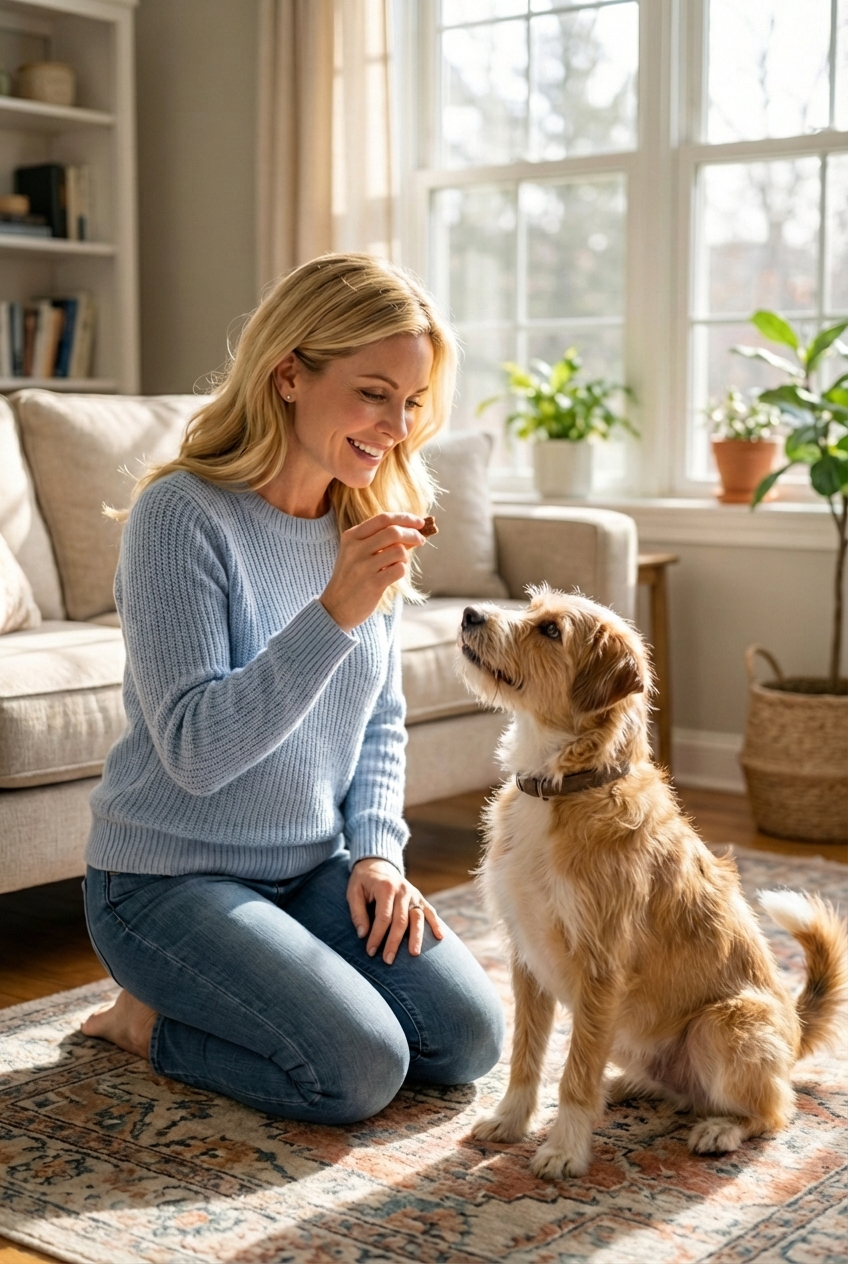
Do 3 to 8 mini sessions per day, each 30 to 90 seconds. Stop while your dog is still excited to play the game.
If you have multiple dogs
Train one dog at a time at first. It prevents confusion and helps each dog build a strong, individual response to their own name.
Name Game
This is my go-to because it is simple and kind, and it creates a strong positive association.
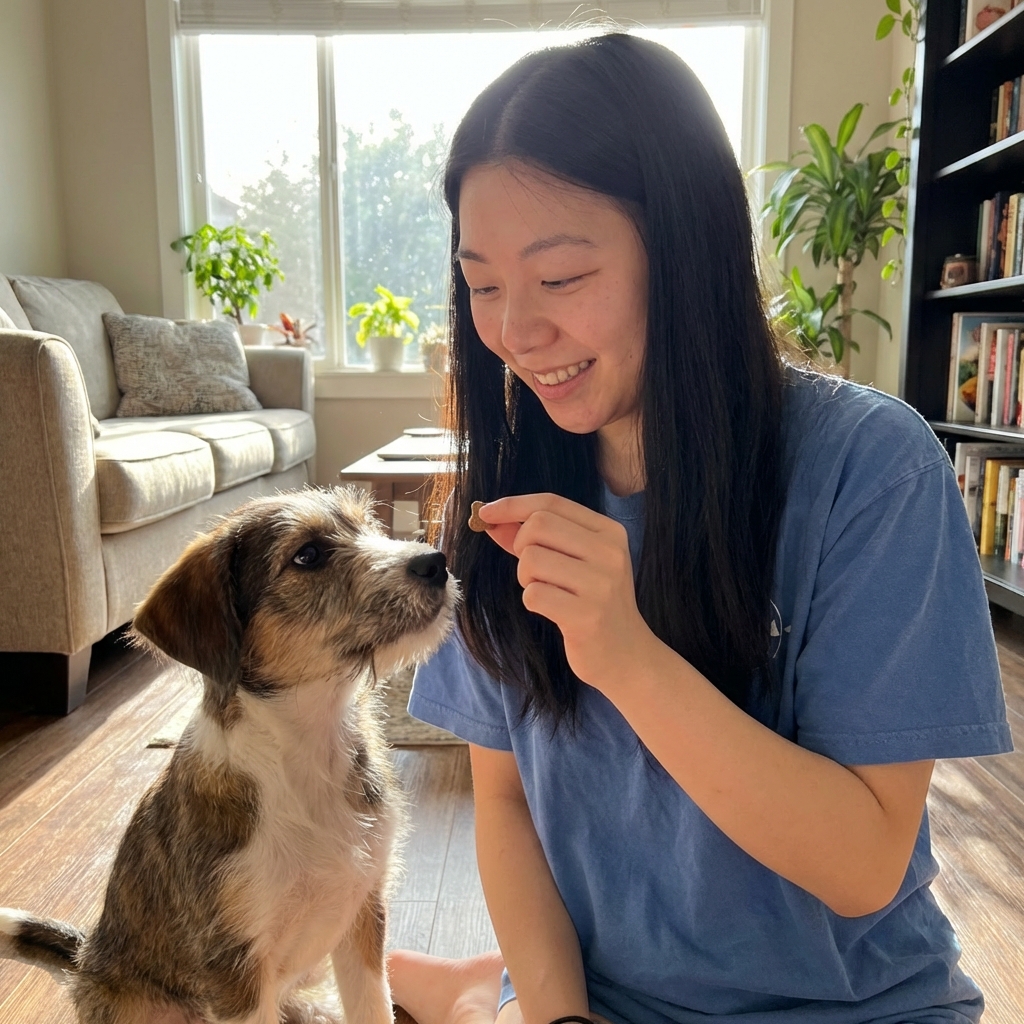
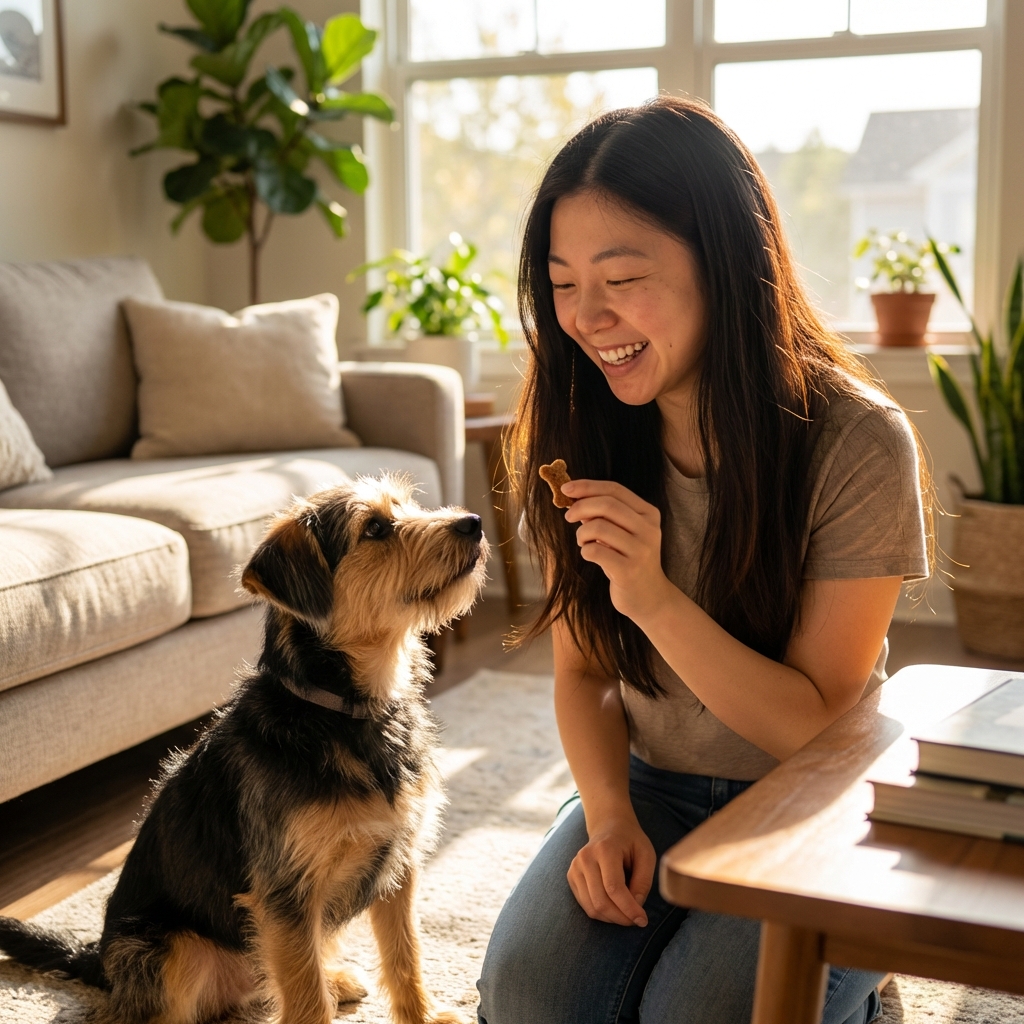
Say your dog’s name once in a cheerful, normal tone.
The moment they look at you, mark it with a word like
Yes(or a clicker), then give a treat.Pause for a second so it feels like a new repetition, then say the name again.
Repeat 10 to 15 times, then take a break.
What if they do not look at you? Make it easier. You can help once or twice by making a gentle kissy noise, shuffling your feet, or briefly lifting the treat near your face to prompt a head turn. Then immediately go back to the goal: name → look → mark → reward, without needing the prompt.
Mistakes to avoid
Repeating the name
If you say “Luna, Luna, Luna…” your dog learns that the first few times do not matter. Say it once, then help your dog succeed and reward.
Using the name to mean “come”
A name is an attention cue, not a recall cue. If you need your dog to come to you, use a separate cue like Come or Here.
Pairing the name with scolding
Try not to attach the name to corrections. Instead of “Max, no!” try redirecting with a calm interrupter sound (like “oops” or a soft “ah-ah”) and a replacement behavior, then use the name again in a positive context later. The interrupter should not startle or scare your dog.
Training when your dog is over threshold
If your dog is barking at the window, terrified, or wildly overstimulated, learning is much harder and training is unlikely to be productive. Create distance from the trigger, lower distractions, and try again.
Level up anywhere
Once your dog is snapping their head toward you indoors, it is time to generalize.
1) Add gentle movement
Say the name when you are standing, walking, or turning away. Reward for attention. This helps your dog learn to find you, not just stare when you are still.
2) Increase distance
Say the name when your dog is 3 feet away, then 6 feet away, then across the room. Reward when they orient to you. If they struggle, shorten the distance.
3) Add distractions slowly
- Indoor distractions: TV on, family members moving around
- Backyard distractions: birds, squirrels, neighborhood sounds
- Outdoor distractions: quiet sidewalk, then busier areas
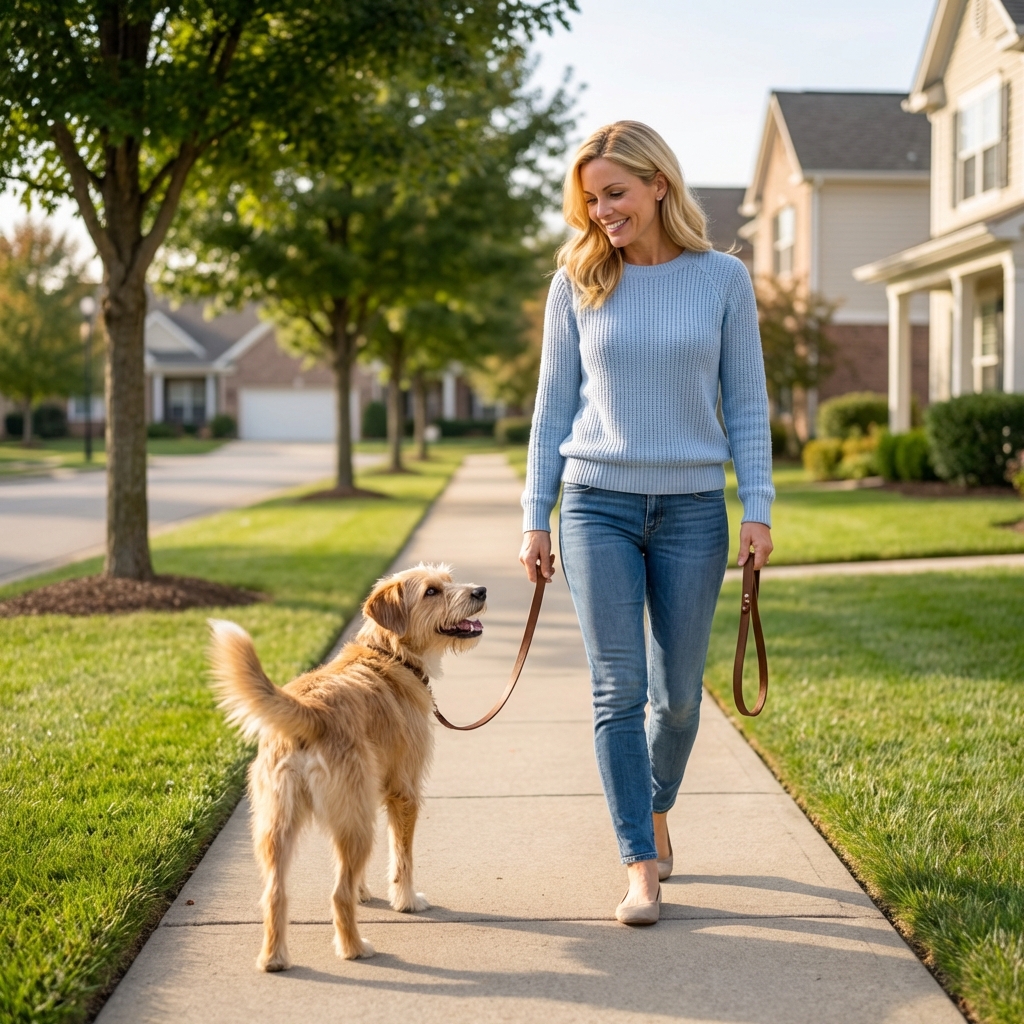
Pro tip: When you go outside, bring better treats than you used indoors. The environment itself is rewarding, so you are competing with a lot of good stuff.
Safety note: Practice outdoors on a leash or long line. Do not test name response off-leash in an unfenced area, especially early on. You want to prevent your dog from rehearsing “ignoring” while the world is exciting.
How long does it take?
Some dogs show a clear response within a day or two of consistent practice. Building reliability in distracting environments often takes a couple of weeks, and it can take longer depending on your dog’s age, history, and the distractions you are working around.
If your dog is not improving after 7 to 10 days of short daily sessions, treat it like a training puzzle, not a stubbornness problem. Usually the solution is higher value rewards, fewer distractions, more frequent mini sessions, or a quick health check if your dog seems unusually unresponsive.
If your dog ignores you
They hear it without pay
For the next week, “pay” your dog for responding. You can gradually fade treats later, but you need the habit first.
The name got “poisoned”
If the name has been used with scolding or frustration, you can rebuild it with the Name Game. If you need a clean slate, use a temporary nickname for a week while you rebuild positive associations, then switch back once response is strong.
They might not hear you well
Especially in seniors, hearing loss is common. If you suspect hearing changes, mention it at your next veterinary visit. In the meantime, pair the name with a visual cue like a gentle hand signal and reward attention.
Your tone changes a lot
Dogs can struggle if the name sometimes sounds happy, sometimes sharp, sometimes anxious. Aim for one consistent, upbeat delivery during training.
The environment is too exciting
If your dog can do it at home but not outside, that is normal. Drop back to easier locations and rebuild, then move forward slowly.
Changing a dog’s name
Good news: dogs can absolutely learn a new name. The process is identical, and most dogs adapt quickly because they learn sound patterns, not spelling.
If your dog already responds to an old name, you can transition smoothly:
- Say new name, then the old name, then reward for attention.
- After a few days, pause between names.
- Then drop the old name entirely.
Simple daily plan
Days 1 to 3
- 3 to 6 mini sessions per day indoors
- 10 to 15 repetitions each session
- Reward every correct response
Days 4 to 7
- Practice indoors with mild distractions
- Add distance across the room
- Start in the backyard if your dog is successful
Week 2 and beyond
- Practice on walks with high value treats (on leash or long line)
- Reward randomly, not every time, once your dog is reliable
- Use the name to check in before giving other cues, like
SitorCome
Remember, consistency beats intensity. Tiny sessions sprinkled through your day will teach your dog faster than one long session that ends with frustration.
Safety and kindness
Try not to use your dog’s name only as a “uh-oh” before something they dislike, like nail trims, baths, or being crated when they want to play. Real life still has to happen, so the goal is balance: say the name, then make good things happen too. For handling tasks, pair the routine with treats, breaks, and cooperative care strategies so the name stays “safe.”
If your dog shows fear, aggression, or extreme anxiety during training, reach out to your veterinarian and consider a certified force-free trainer. Behavior is health, too, and it is always okay to ask for help.
References
- American Veterinary Society of Animal Behavior (AVSAB). Position Statement: Humane Dog Training (Reward-Based Training).
- American Veterinary Society of Animal Behavior (AVSAB). Position Statement: The Use of Punishment for Behavior Modification in Animals.