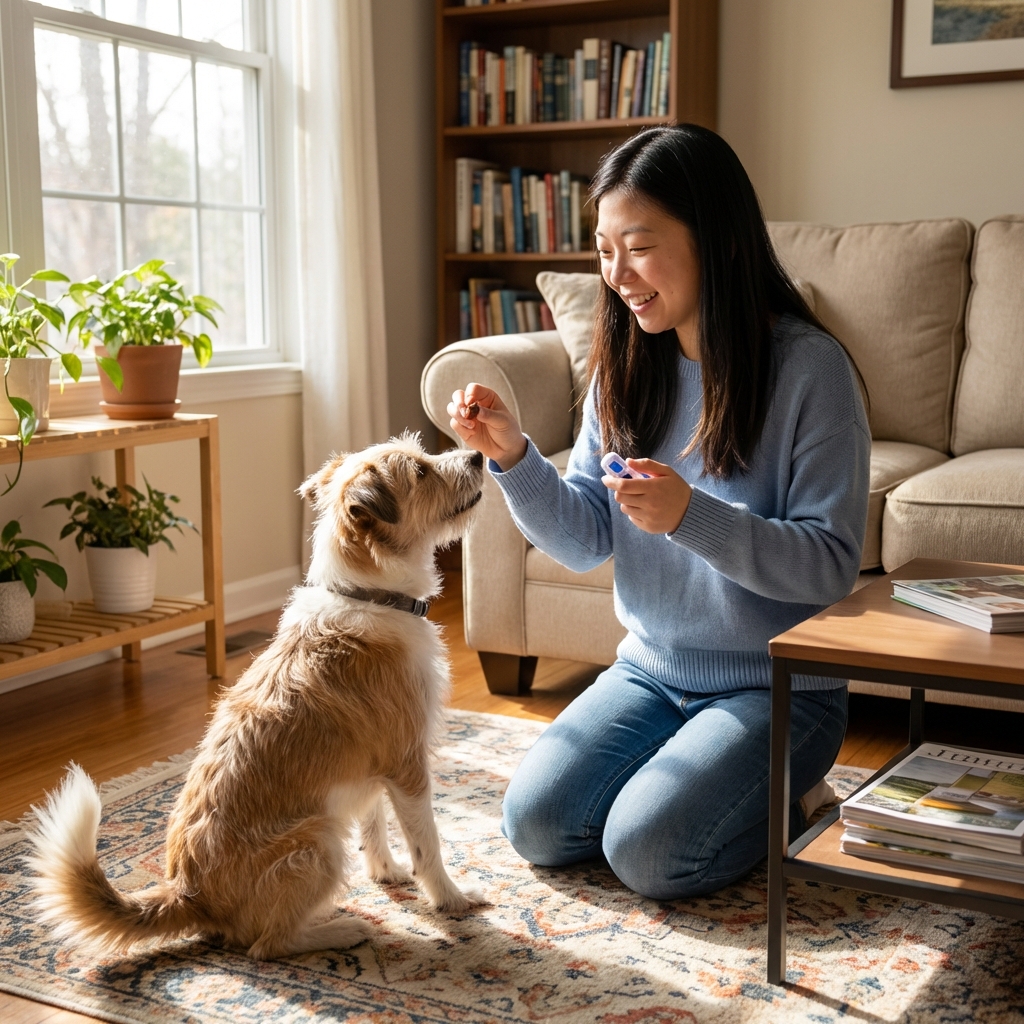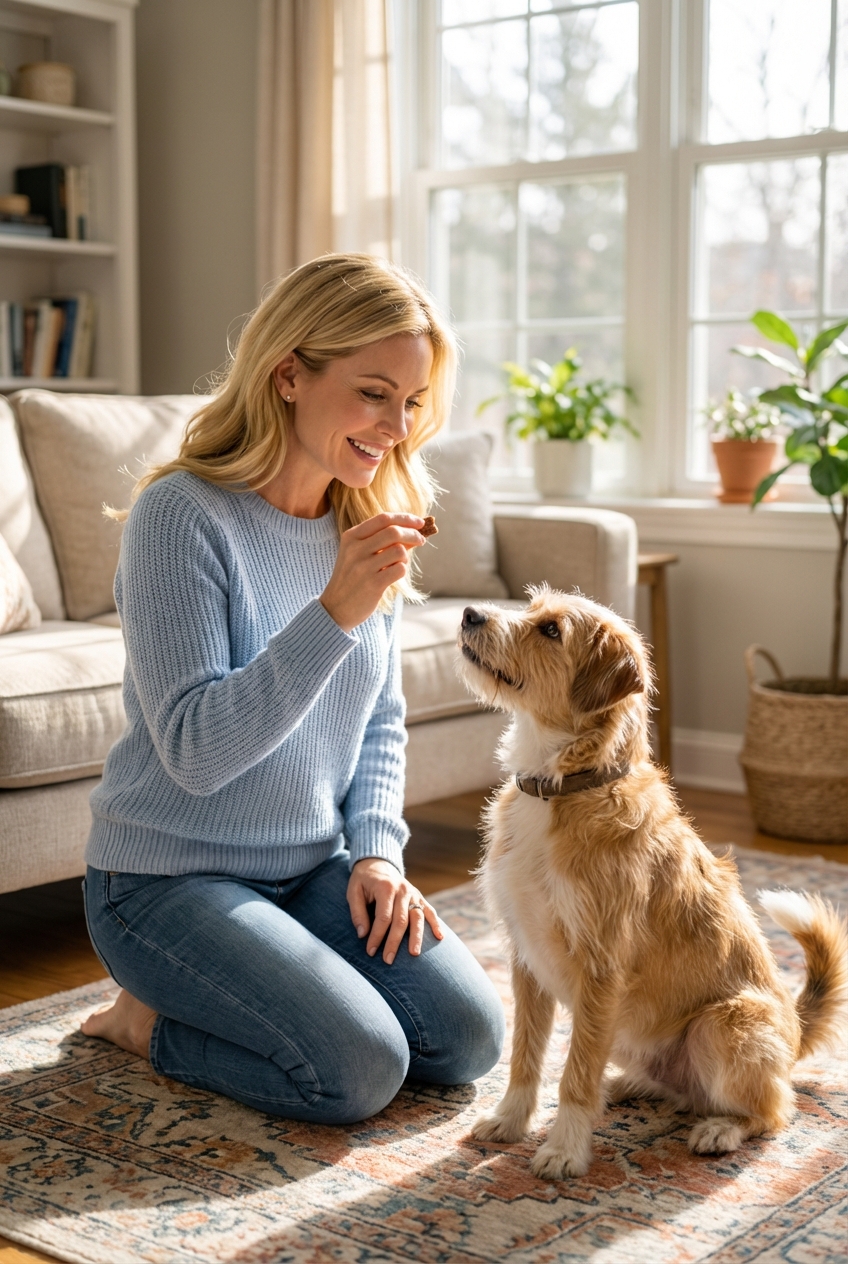
Teach your dog their name with a simple, reward-based Name Game: name → look → mark → treat. Includes setup tips, mistakes to avoid, and fixes for igno...
Article
•
Designer Mixes
How to Teach a Dog Its Name

Shari Shidate
Designer Mixes contributor
Teaching a dog their name is one of the simplest training wins you can get, and it pays off for the rest of your dog’s life. Your dog’s name becomes a friendly “heads up” that something good is about to happen and that you are talking to them. When it is done right, it also becomes a safety tool, because a dog who snaps their attention to you is a dog you can redirect.
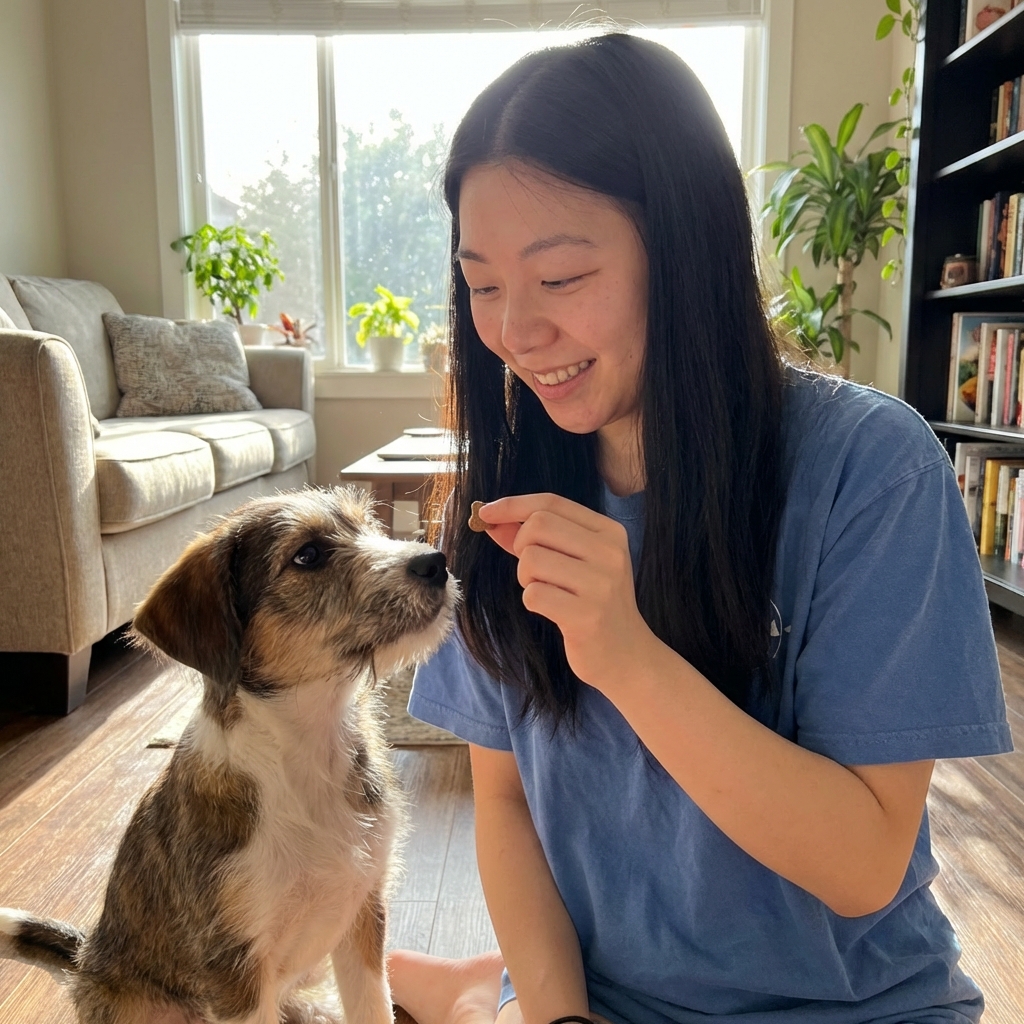
As a veterinary assistant in Frisco, Texas, I love name training because it is gentle, reward-based, and it helps build trust. The best part is that you do not need fancy equipment, just a few tiny treats and a couple of minutes a day.
What “knowing their name” means
When people ask, “How do you teach a dog its name?” what they usually mean is: How do I get my dog to turn toward me when I say it? That is the goal.
Think of your dog’s name as a cue for attention, not a command for obedience. You are not asking for a sit, down, or come yet. You are simply creating an automatic response: Name → look at me → good things happen.
Pick a name that helps
If you are choosing a new name, stack the deck in your favor:
- Keep it short: One or two syllables is often easiest.
- Make it distinct: Avoid names that sound like common cues (for example, “Kit” can sound like “Sit”).
- Make it family-proof: Choose something everyone will say the same way.
Must-know answers
1) Should I change my dog’s name?
Yes, if you want to. Dogs generally learn names as a reinforced sound, not as an identity label the way humans do. They can also build a strong history with whatever word you use most, so changing it just means you will be creating a new association. If you suspect your rescue dog’s current name has been used in negative contexts, changing it can be a fresh start.
2) How long does it take?
Many dogs can learn the basics quickly, sometimes in a few short sessions across 1 to 3 days, for an indoor, low-distraction head turn. Reliability in real-life settings usually takes longer because distractions, distance, and new environments make it harder. You are building a habit, not cramming for a test.
3) What treats work best?
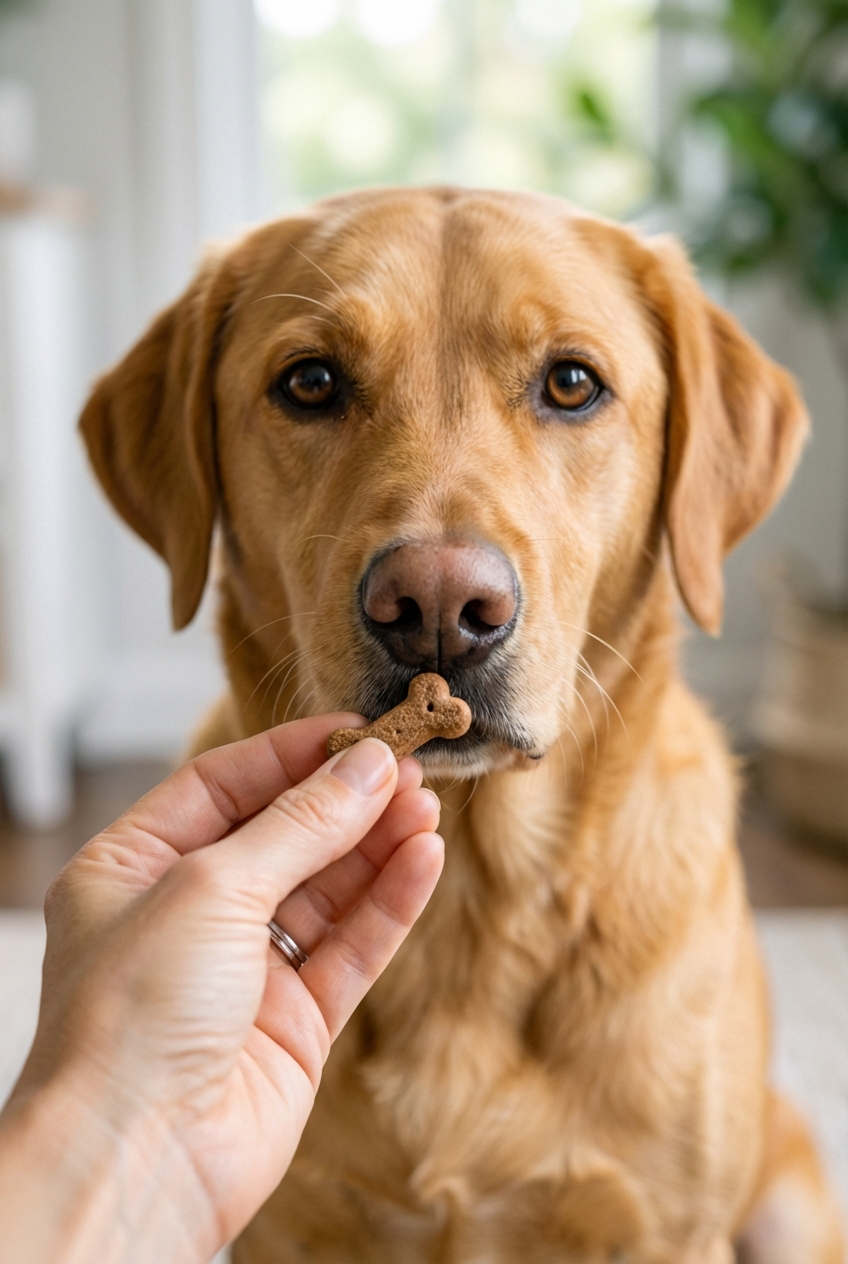
Use small, soft, smelly treats that are easy to chew, like tiny bits of cooked chicken, freeze-dried liver, or a soft training treat broken into pea-sized pieces. For some dogs, a toy or quick game of tug works even better.
4) Do I need a clicker?
No, but it can help. A clicker or a consistent marker word like “Yes” tells your dog the exact moment they did the right thing. Timing matters, especially in name training.
5) Does everyone need to do it the same way?
Yes, if possible. Ask family members to use the same name, the same cheerful tone, and the same rule of saying it once. Consistency speeds learning.
Fast step-by-step
This is my go-to approach because it is clear, kind, and works for most dogs.
Step 1: Set up success
- Start in a quiet room with minimal distractions.
- Have 10 to 20 treats ready.
- Stand or sit a few feet from your dog.
Step 2: Say the name once
In a cheerful tone, say your dog’s name one time. Then pause.
Step 3: Mark and reward
The moment your dog looks at you, mark it (click or say “Yes”) and give a treat.
If your dog does not look at you within 1 to 2 seconds, make a gentle kissy noise or shuffle your feet to help them. Do not repeat the name while you prompt. The instant they turn their head toward you, mark and reward.
Step 4: Repeat in short sessions
Do 5 to 10 repetitions, then take a break. Two or three mini-sessions per day is plenty.
Key rule: Name first, then reward. Do not lure with the treat first, or the treat becomes the cue instead of the name.
When to level up
Once your dog is snapping their head toward you in a quiet room, it is time to practice in real-life settings. Increase difficulty gradually so your dog keeps winning.
Add distance
- Say their name from 6 feet away.
- Then from across the room.
- Reward when they look at you, then you can walk to them to deliver the treat.
Add mild distractions
- Practice with a TV on low volume.
- Practice when a family member is walking around.
- Practice in the backyard on leash.
New locations
Dogs do not automatically apply learning everywhere. A dog who “knows” their name in the kitchen may act like they have never heard it at the park. That is not stubbornness, that is normal learning.
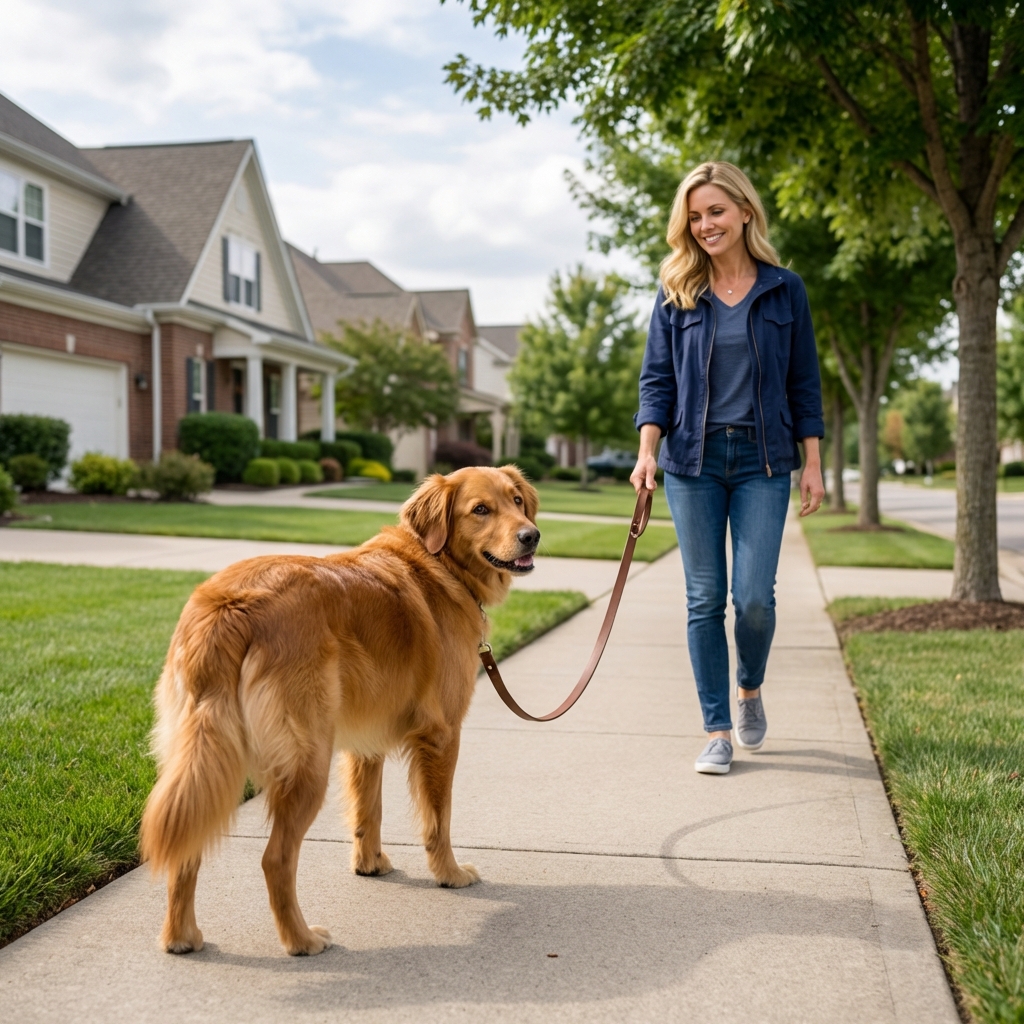
Safety note: In unfenced areas, practice on leash or a long line so you are not accidentally rehearsing bolting or chasing while you build attention skills.
Common mistakes
Repeating the name
If you say “Buddy, Buddy, Buddy” and your dog ignores it, they learn the name is background noise. Say it once, then help them succeed, then reward.
Using the name to scold
Try not to pair the name with anything unpleasant, like “Max, no!” or “Luna, stop it!” Your dog should hear their name and think, “Oh good, I should check in.” If you need to correct or interrupt behavior, use a separate cue like “Uh-oh” or “Leave it.”
Expecting the name to mean “come”
Your dog’s name is not a recall cue. If you want your dog to come, teach “Come” separately and reward it generously. A strong name response helps the recall, but it is not the same skill.
Training when your dog is over-tired
Puppies and young dogs learn best in short, calm sessions. If your dog is zooming, barking, or mouthy, do a quick potty break, a short sniff walk, or a calm chew first.
Troubleshooting
Make it easier
Go back to a quieter space and shorten the distance. Use better treats for a few sessions.
Check your tone
Many dogs respond better to a warm, upbeat voice. If your dog is shy or noise-sensitive, keep your tone gentle and soft.
Reward faster
Timing is everything. Mark the instant your dog turns their head toward you, even if the eye contact is brief at first.
Rule out medical issues
If your dog never responds to their name, doorbells, squeaky toys, or other sounds, schedule a veterinary visit. Ear infections, pain, hearing loss, and age-related cognitive changes can all affect training and responsiveness.
Turn it into manners
Once your dog reliably looks at you when you say their name, you can use that moment of attention to ask for an easy behavior.
- Name → Look (reward)
- Name → Look → Sit (reward)
- Name → Look → Come (reward, jackpot sometimes)
This helps your dog learn that paying attention leads to guidance and good outcomes. It also keeps training positive, which is especially important for sensitive dogs and newly adopted dogs.
Fade treats over time
You do not have to treat forever. Once the name response is reliable in a setting, start mixing it up:
- Intermittent treats: Reward every other response, then every third, and so on.
- Life rewards: Praise, a quick game, permission to go sniff, or getting to greet a family member can all count.
- Keep it worth it: In hard situations (new places, big distractions), pay more generously again.
Quick daily plan
- Morning: 60 seconds of name practice in the kitchen.
- Afternoon: 2 minutes in the living room with mild distractions.
- Evening walk: 3 name check-ins on leash, reward, then keep walking.
If you do this for one week, most dogs will show a noticeable improvement in responsiveness.
Safety note
If your dog is fearful, reactive, or new to your home, go slow and keep sessions low-pressure. Never chase your dog or corner them to “make them listen.” Trust builds attention, and attention makes everything else easier, from leash training to veterinary visits.
If you are struggling, a certified force-free trainer can help you tailor the plan to your dog’s temperament and triggers.