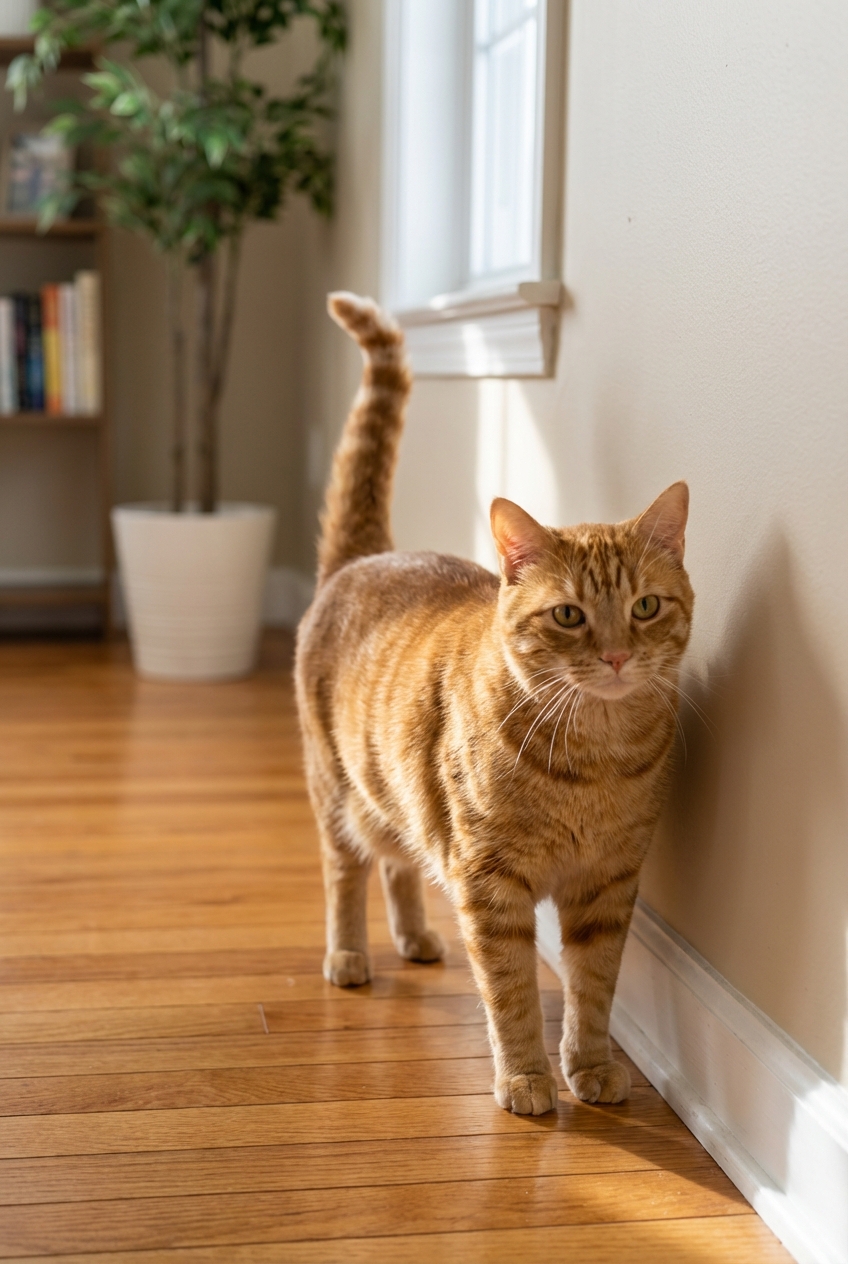
Step-by-step daily litter box training for kittens, adult cats, and rescues. Learn ideal box and litter setup, calm placement, accident cleanup, troubleshoot...
Article
•
Designer Mixes
How to Teach a Cat to Use the Litter Box

Shari Shidate
Designer Mixes contributor
Most cats naturally want to bury their waste, so litter training is usually less about “teaching” and more about setting up the environment so your cat feels safe, comfortable, and consistent. As a veterinary assistant, I can tell you the biggest mistakes I see are simple ones: the box is in the wrong spot, it is not cleaned often enough, or the litter texture is unpleasant to the cat.
The good news is you can fix almost all litter box issues with a few changes that are well supported by feline behavior guidance and a little patience. This article is educational and not a substitute for veterinary care. If you are seeing pain, straining, blood, or a sudden behavior change, contact your veterinarian.
Start with the right setup
Choose the right number of boxes
A widely used guideline in cat behavior is: one litter box per cat, plus one extra. This helps reduce stress, prevents “resource guarding,” and gives your cat an option if one box is dirty or in a high-traffic location.
- 1 cat: 2 boxes
- 2 cats: 3 boxes
- 3 cats: 4 boxes
Pick a cat-friendly litter
Most cats prefer unscented, fine-grain litter (soft and sand-like). Many cats do well with clumping clay, but the most important factor is what your cat will reliably use. Strong perfumes can be overwhelming to a cat’s sensitive nose, even if it smells “clean” to us.
- Best first choice: unscented, fine-grain litter (often clumping clay)
- If your cat has allergies or asthma: low-dust options can help
- If you are switching litters: mix old and new over 7 to 14 days
Size and style matter
The box should be big enough for your cat to comfortably turn around and dig. Many standard boxes sold in stores are actually too small for adult cats.
- Good rule: about 1.5x your cat’s length (nose to base of tail)
- Open boxes are often preferred because they feel less trapped
- Covered boxes can trap odor and feel confining for some cats, while others like the privacy. If your cat seems hesitant, try an uncovered box
Common add-ons that can backfire: Liners, scented deodorizing crystals, and covered boxes with flaps can deter some cats. If you are troubleshooting, simplify: a plain, open box with unscented litter is a solid baseline.
Placement: quiet, easy, and safe
Cats do not want to potty where they feel startled or cornered. Place boxes in calm areas where your cat can enter and exit easily.
- Avoid next to loud appliances (washer, dryer, furnace)
- Avoid tight dead ends where another pet can block access
- Do not hide the box so well that your cat avoids the trip
How to litter train a kitten or new cat
Step 1: Show them the box right away
When you bring your cat home, calmly place them in the litter box. Let them sniff and step out on their own. You are simply building the mental map: this is where the bathroom is.
Step 2: Use a small, consistent space at first
For kittens or anxious cats, start with one quiet room (like a bedroom or office) with food, water, a bed, and the litter box placed far from the feeding area. Once they are reliably using the box, gradually expand access to the rest of the home.
Step 3: Gentle timing cues
Many kittens need to go shortly after eating, waking up, or a play session. If you notice sniffing, circling, or squatting, pick them up calmly and place them in the box. If they hop out, that is okay. Try again later.
Step 4: Reward the right choice
Reward with calm praise, a small treat, or a short play session after your cat uses the box. Do not punish accidents. Punishment often increases stress and can make litter problems worse.
Step 5: Keep it very clean
Cleanliness is one of the biggest drivers of litter box success.
- Scoop: at least once daily, twice daily is even better
- Wash the box: every 1 to 4 weeks depending on odor and litter type
- Use mild soap: avoid strong cleaners that smell “chemical”
- Refill depth: 2 to 3 inches is a good starting point. Adjust if your cat kicks out litter or seems reluctant to dig
Kitten notes
Very young kittens may do best with a low-entry box so they can climb in easily. Some veterinarians recommend non-clumping litter for very young kittens to reduce risk if they taste or swallow litter while exploring. If you are unsure what is safest for your kitten’s age, ask your veterinarian. Kittens may also need more frequent scooping because small boxes get dirty fast.
What to do if your cat is not using the litter box
If your cat stops using the box, assume it is a solvable problem. Think in three buckets: medical, setup, and stress.
1) Rule out medical problems first
Inappropriate urination can be caused by health issues, and some are urgent. Contact your veterinarian promptly if you notice any of the following:
- Straining to urinate or crying in the box
- Frequent small urinations
- Blood in urine
- Sudden accidents in an otherwise trained cat
- Vomiting, lethargy, or hiding
Important: Male cats can develop urinary blockages, which can be life-threatening. If your male cat is straining with little or no urine produced, seek emergency care.
2) Fix the most common setup issues
- Box is too dirty: scoop more often, add a second box
- Litter is disliked: try unscented, fine-grain litter
- Location feels unsafe: move to a quieter, easier-access area
- Too few boxes: add one more than the number of cats
- Box style problem: switch from covered to open, remove flaps, or use a larger box
3) Reduce stress and conflict
Stress is a major trigger for litter box avoidance. New pets, moves, guests, renovations, and even schedule changes can affect cats.
- Give your cat predictable routines for meals and play
- Provide vertical space like a cat tree or shelves
- Use slow introductions between cats and dogs
- Consider pheromone diffusers if recommended by your veterinarian
Clean-up: remove odor the right way
If an area smells like urine, your cat may return to it. Use an enzymatic cleaner designed for pet urine and follow the soak time on the label.
- Find hidden spots: a blacklight can help you locate urine you might miss
- Skip heat: avoid steam cleaning or high heat until after enzyme treatment, since heat can set odors in some fabrics
- Avoid ammonia-based cleaners: they can be irritating and may encourage repeat marking in some cats
Marking vs box avoidance
Not all “peeing outside the box” is the same problem. The two most common patterns are litter box avoidance and urine marking (spraying), and the solutions can differ.
Signs it may be spraying
- Urine on vertical surfaces like walls, doors, or furniture
- Small amounts of urine
- Often linked to stress, outdoor cats seen through windows, or inter-cat conflict
- More common in intact cats, but it can happen in neutered cats too
If you suspect spraying, still rule out medical issues, then focus on stress reduction, adding boxes, blocking visual triggers (like window views), and talking to your vet about behavior support.
Troubleshooting by accident type
Urine on soft items (beds, laundry, rugs)
- Medical check is especially important here
- Block access temporarily while you retrain
- Add a second box and try a different litter texture
- Wash items with enzymatic products if allowed by fabric care instructions, then air-dry if possible
Poop outside the box
Stool issues can point to constipation, diarrhea, pain, or a box aversion. Make sure the box is easy to step into and the litter is comfortable.
- Ask your vet about constipation if stools are hard or infrequent
- Scoop promptly since many cats dislike stepping near stool
- Try a larger box and a quiet location
Accidents right next to the box
This often suggests your cat is trying, but something is off.
- Box may be too small or too high-sided
- Litter may be too deep or too dusty
- Box may be too dirty or odor-heavy
- Arthritis pain may make stepping in difficult in older cats
Special situations
Training an adult cat from outdoors
Outdoor cats are used to soil and sand. You can mimic that preference by starting with a soft, unscented litter and an open, roomy box. Some cats transition more easily when you add a small amount of soil at first, then gradually reduce it over time.
Safety note: Soil can carry parasites or chemicals. If you try this, use soil only from a pesticide-free area you trust, consider sterile potting soil instead, and avoid this approach in households with immunocompromised people. When in doubt, ask your veterinarian.
Multi-cat homes
If you have more than one cat, spread boxes out. Cats may avoid a box if a “bossy” cat can ambush them.
- Place boxes on different levels or in different rooms
- Make sure each box has two easy exit routes when possible
- Feed cats separately if there is tension
Senior cats
Older cats may need:
- Low-entry boxes for easier stepping in
- Extra boxes so they do not have to travel far
- More frequent cleaning since they may be more sensitive to odor
A simple 7-day reset plan
If you feel overwhelmed, try this gentle reset. It helps you gather clues while giving your cat the best chance to succeed.
- Day 1: Vet check if symptoms suggest illness. Add one extra box. Scoop twice.
- Day 2: Switch one box to an unscented, fine-grain litter (do not change all at once if your cat is picky).
- Day 3: Move boxes to quieter spots with easy access.
- Day 4: Increase play and routine. Reduce household stressors when possible.
- Day 5: Enzymatic-clean any accident spots thoroughly. Use a blacklight to check for missed areas.
- Day 6: Evaluate box style and size. Upgrade to larger, open boxes if needed.
- Day 7: Track progress and patterns. If accidents continue, bring details to your vet or a certified cat behavior professional.
Be patient with your cat and with yourself. Litter box habits are a mix of instincts, comfort, and trust. When we make the bathroom setup easy and low-stress, most cats settle in quickly.
Quick FAQ
How long does it take to litter train a kitten?
Many kittens catch on within days, especially with a clean box and the right litter. Some take 1 to 2 weeks as they adjust to a new home.
Should I put the cat’s nose in it after an accident?
No. This can increase fear and does not teach the desired behavior. Focus on cleaning the area properly and making the litter box more appealing.
Can I use litter box attractant products?
Some cats respond well, especially in retraining situations. Use them as a helper, not a substitute for correct box setup and cleanliness.
When should I call a behavior professional?
Consider a certified cat behavior professional if your cat has ongoing accidents after your vet has ruled out medical causes, if there is inter-cat aggression around the boxes, or if your cat seems highly anxious or fearful at home.
References and guidance
- American Association of Feline Practitioners (AAFP) and International Society of Feline Medicine (ISFM) feline-friendly and behavior resources
- ASPCA guidance on litter box problems
- Board-certified veterinary behaviorist resources (DACVB)