Learn why dogs dig and how to stop it long-term with a daily routine, enrichment ideas, a safe dig zone, and force-free training plus yard care and safety tips.
Article
•
Designer Mixes
How to Stop Your Dog From Digging

Shari Shidate
Designer Mixes contributor
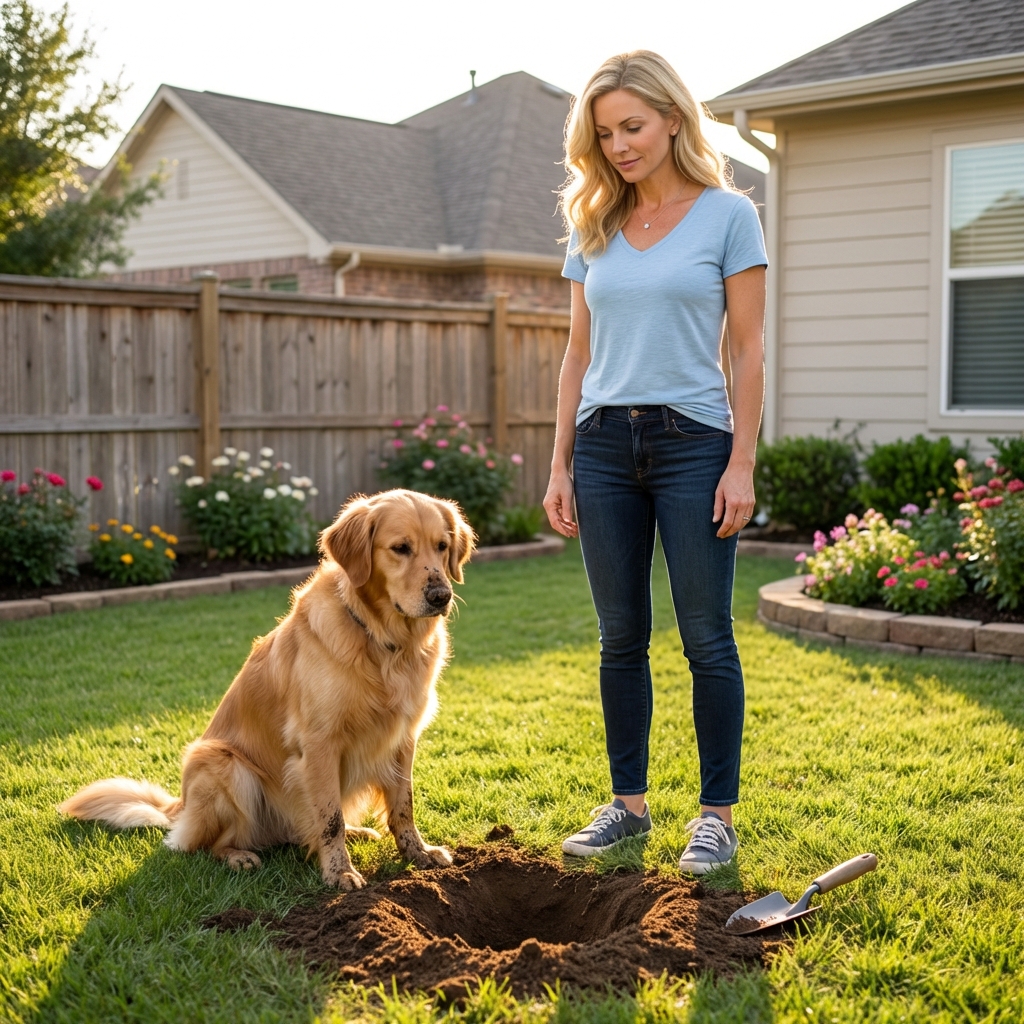
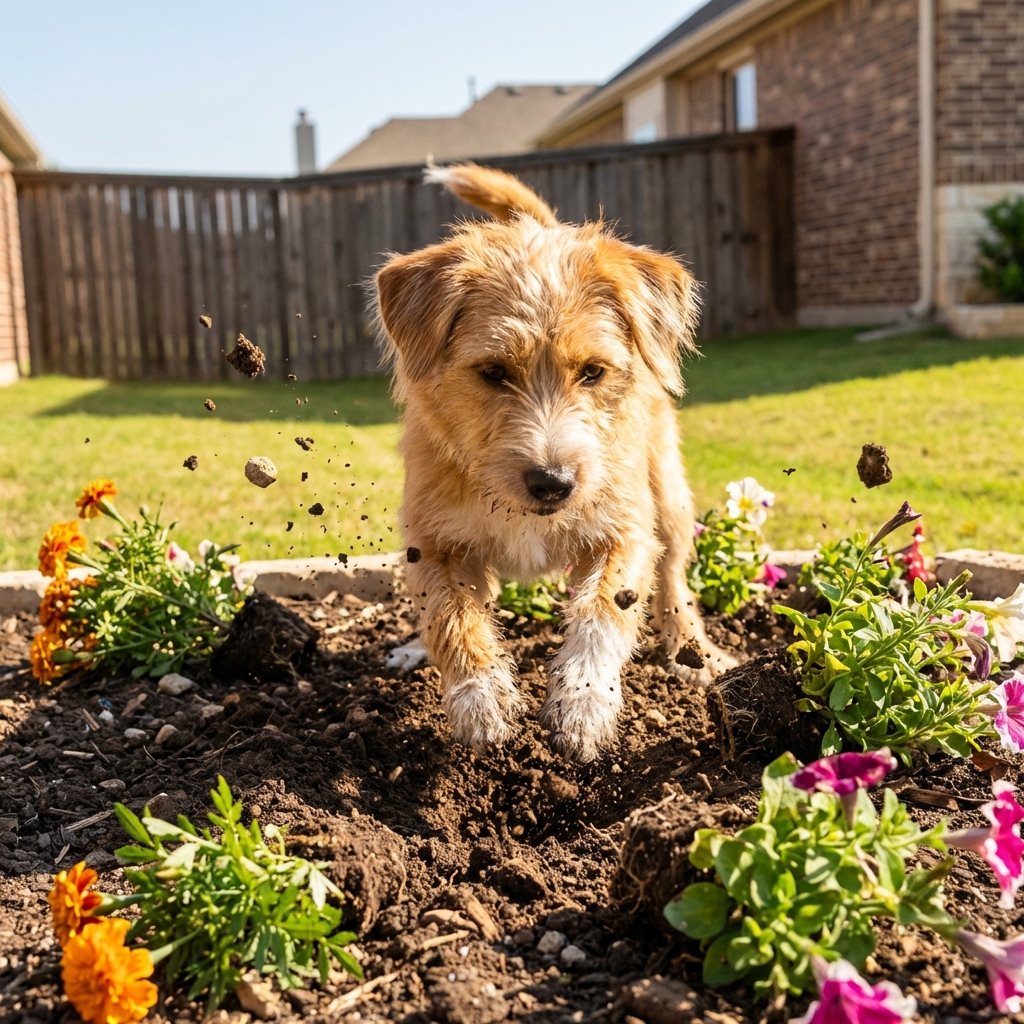
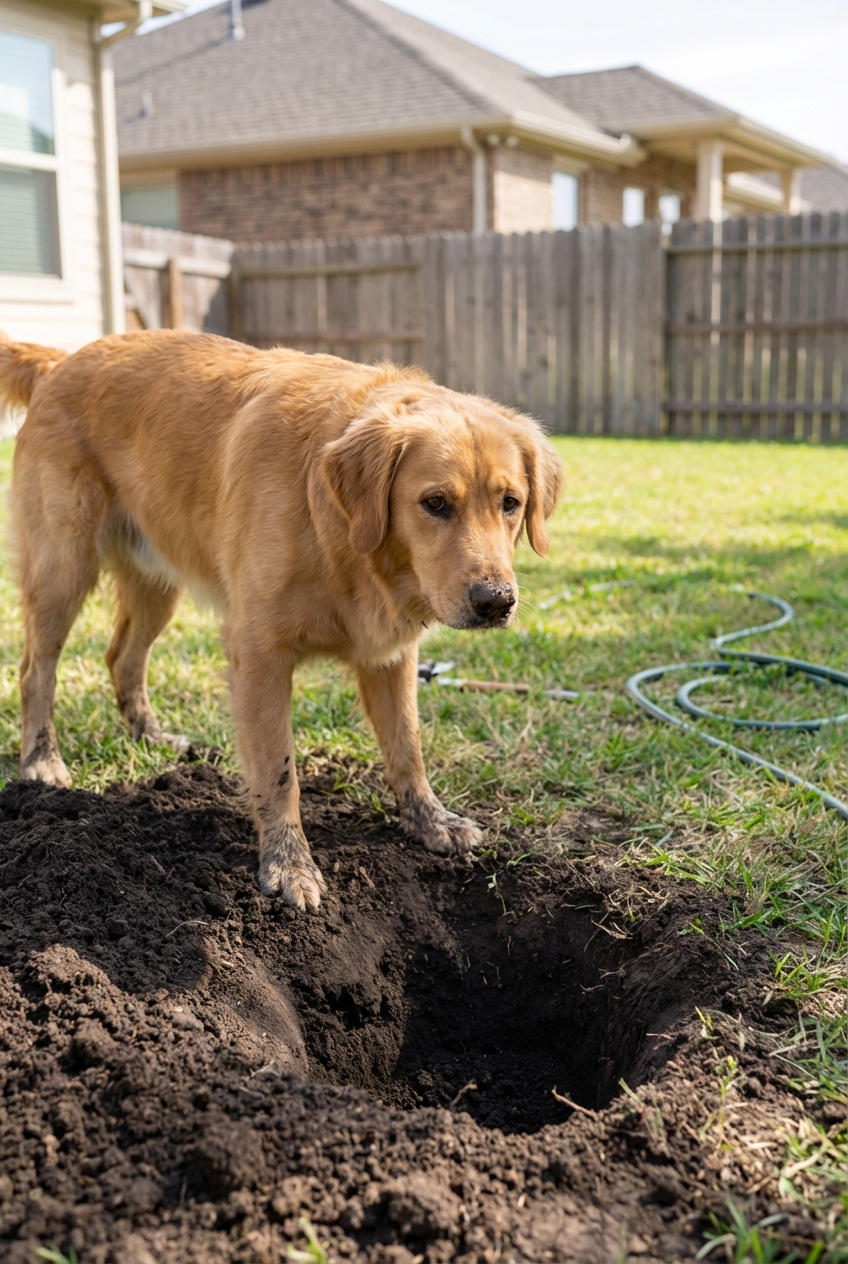
Digging is one of those dog behaviors that can feel personal when it happens in your flowerbed, but most of the time it is completely normal dog biology plus a bit of boredom, stress, or reinforcement. The good news is you can stop (or greatly reduce) digging without harsh corrections by figuring out the “why” and giving your dog a better outlet.
Why dogs dig
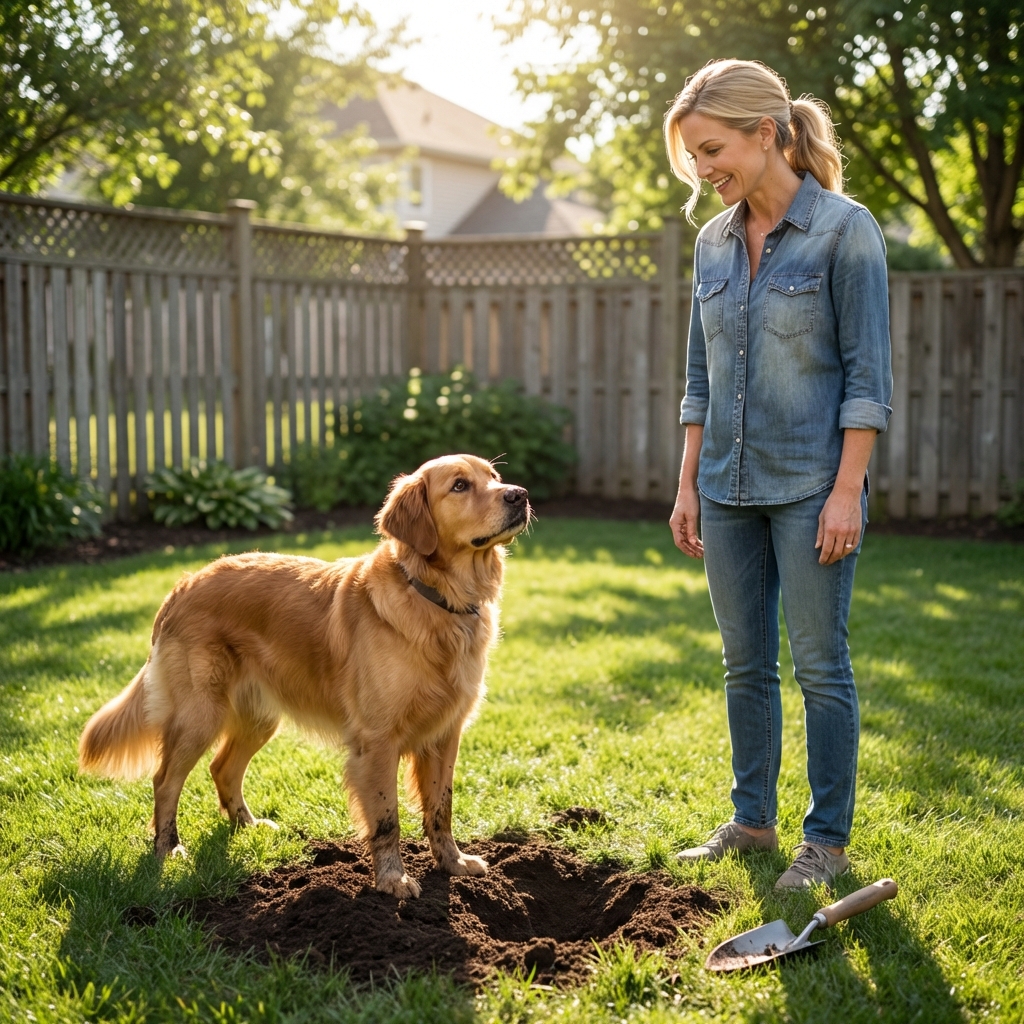
As a veterinary assistant, I like to start here because the most effective plan matches the motivation. Digging is often self-rewarding, meaning it feels good to do, so we need to make the “right” choices easier and more rewarding than the digging habit.
- Instinct and enrichment: Many dogs dig to explore scents, chase small critters, or simply because it is fun.
- Temperature relief: Dogs may dig a cool spot to lie in when it is hot.
- Anxiety or stress: Digging can be a coping behavior, especially with separation anxiety or sudden routine changes.
- Boredom and excess energy: A smart, under-exercised dog will invent a job. Digging is a classic choice.
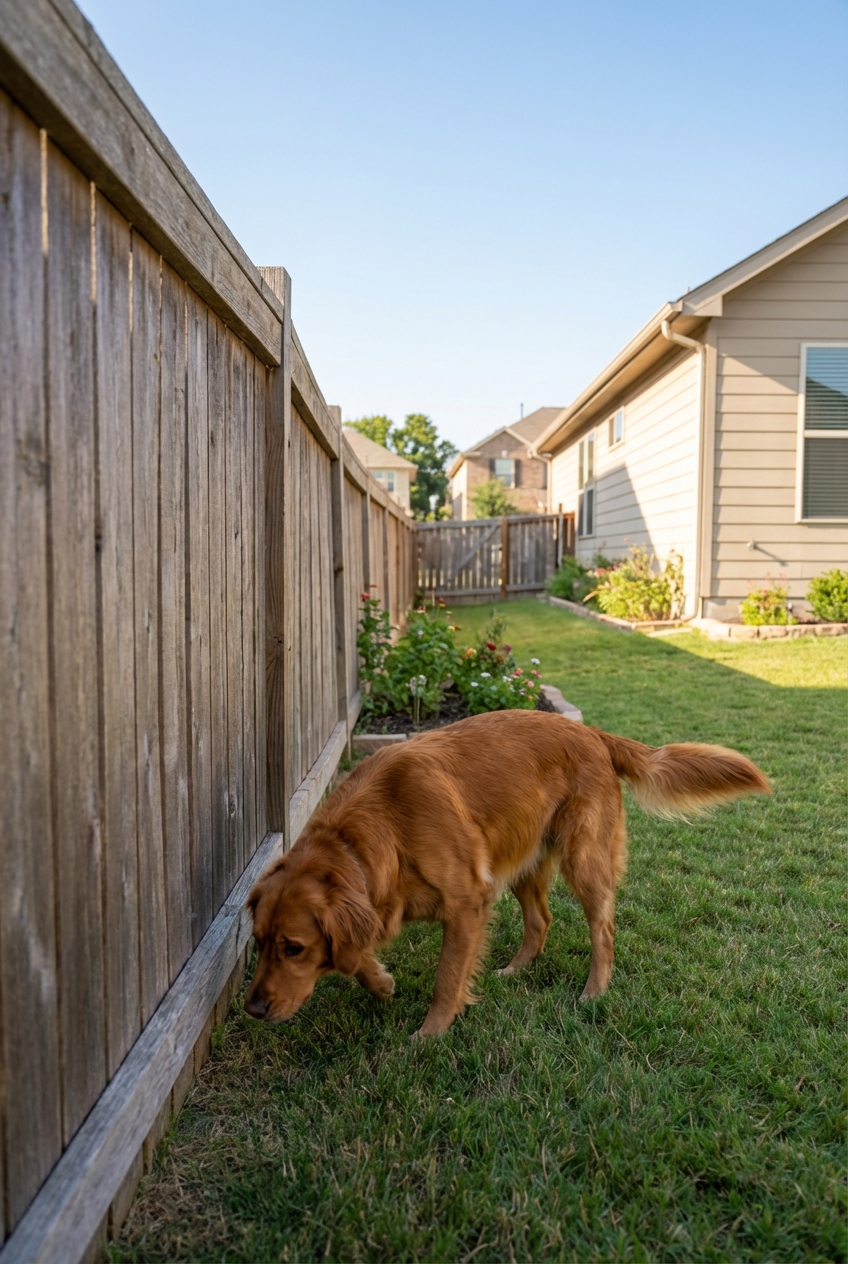
- Seeking escape: Dogs may dig along fence lines to get out, reach another animal, or follow exciting smells.
- Hiding valuables: Some dogs bury toys, treats, or chews.
- Nesting behavior: This is more common in intact females and can also happen with false pregnancy (pseudopregnancy). If it shows up suddenly, check in with your vet.
First: check the basics
Training works best when your dog’s basic needs are met. Before you start a big behavior plan, do these quick checks.
Comfort and safety
- Heat: Provide shade, plenty of water, and consider limiting outdoor time during peak heat. Digging for cool dirt is common in hot summers.
- Time alone outside: Dogs left outside unsupervised often dig out of boredom or stress. If possible, bring them in more often and supervise yard time.
- Yard hazards: Check the digging area for sharp stakes, mesh with exposed ends, holes near foundations, and anything your dog could ingest. Use pet-safe lawn products, and keep dogs away from fertilizers, pesticides, cocoa mulch, and compost while you are troubleshooting.
- Vet check if it is sudden: If a dog who never dug starts digging intensely, ask your veterinarian about pain, anxiety, cognitive changes (senior dogs), or medical contributors.
Wildlife triggers
If your dog is hunting moles, squirrels, or lizards, the yard itself may be the trigger. Blocking access to known critter areas, using supervision, and providing an approved dig zone helps more than simply saying “no.”
Best approach: manage + train + outlet
If digging has been happening for a while, your dog has practiced the behavior a lot. The fastest way to reduce it is to prevent rehearsal while teaching what you want instead.
Key idea: Supervision prevents rehearsal. Every time your dog gets to dig in the “wrong” place, the habit gets stronger.
1) Management
- Supervise yard time for a few weeks. If you cannot supervise, use a long line (10 to 20 feet) or a secure run.
- Long line safety: Do not leave a long line on unattended. It can tangle on furniture, shrubs, or fence posts.
- Block favorite zones with temporary fencing, garden edging, chicken wire under mulch, or large rocks. (Be sure nothing sharp is exposed.)
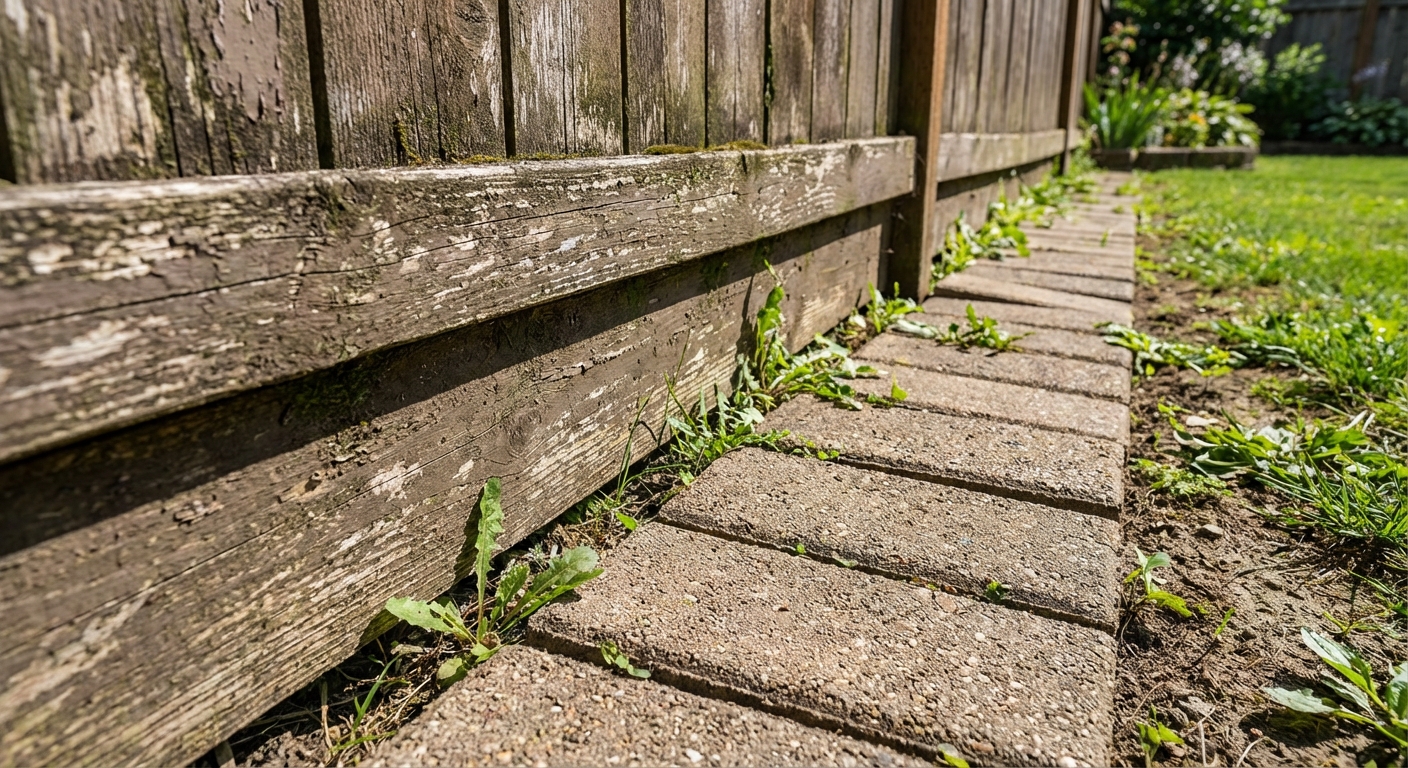
- Change the environment where digging starts, especially along fences. Add landscaping barriers, reinforce the bottom of the fence, or create a buffer zone of gravel or pavers.
2) Create a dig zone
This is the game-changer for many dogs. You are not trying to erase instinct. You are redirecting it.
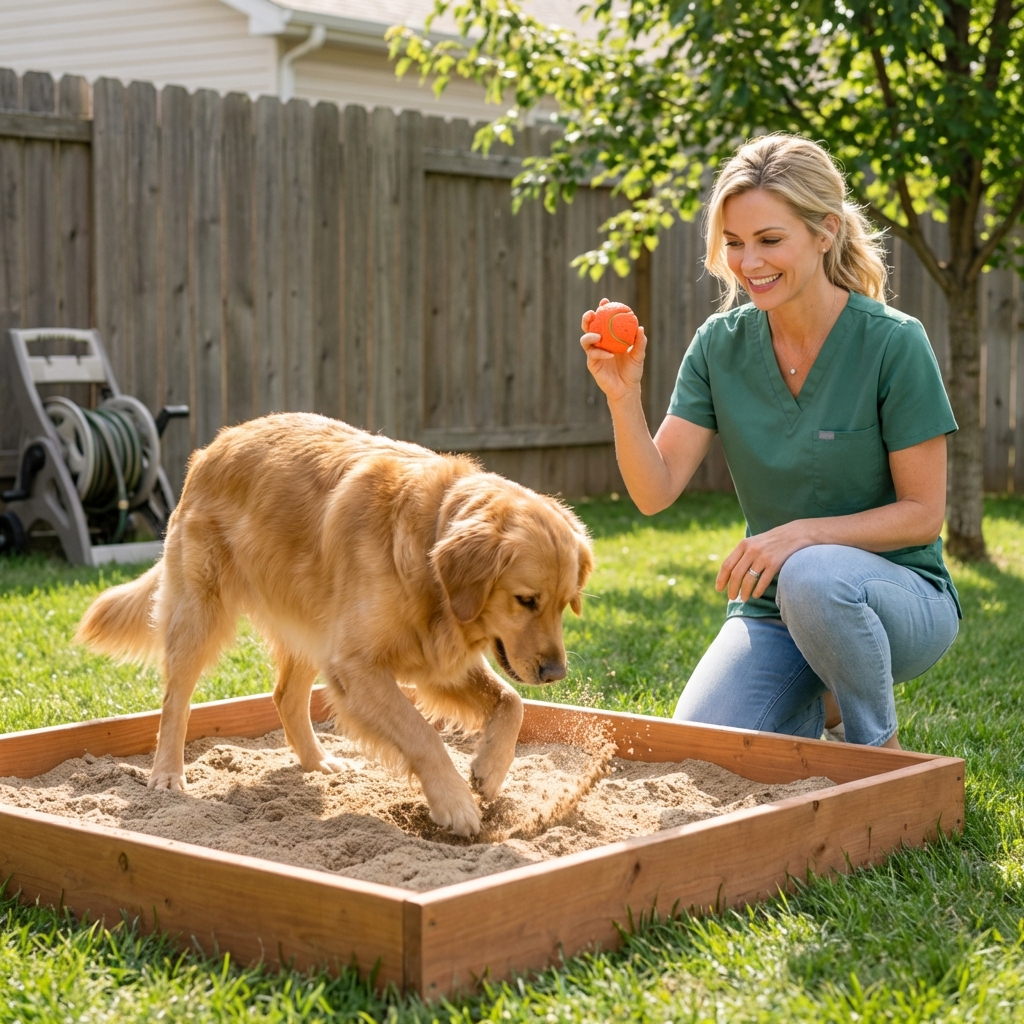
- Make a dig pit: A kiddie pool, sandbox, or a defined corner of the yard works well.
- Use safe material: Clean play sand or loose soil. Avoid borders your dog can chew and swallow. If you use wood, make sure it is sealed, sturdy, and truly chew-proof for your dog.
- Teach the cue: Toss a toy in, say “dig,” and praise when paws hit the sand. Reward generously at first.
- Make it worth it: Bury a few toys or scatter a handful of kibble for supervised “find it” sessions.
- Chew safety: If you bury chews, supervise closely to prevent gulping, resource guarding, or digging up and running off to swallow in one piece.
3) Interrupt and redirect
You want a calm, repeatable pattern: interrupt, redirect, reward.
- Catch the first scratch if possible.
- Use a cheerful cue like “this way” or “let’s go.” Avoid yelling, which can add stress or accidentally become exciting.
- Redirect immediately to something incompatible such as a recall, a sit, or a short tug game.
- Reward the choice you like with food, play, or praise. Consistency is what makes it stick.
If you catch them in the act, try this script: “This way” (happy voice) then toss 3 to 5 treats a few feet away from the hole, guide your dog to the dig zone, cue “go dig,” then praise and reward when they dig there.
Tip: If your dog ignores you mid-dig, that is not stubbornness. It means digging is currently more rewarding than your reward. Increase the value of your reward and practice when the stakes are lower.
Meet the needs behind digging
For many dogs, digging is a symptom, not the main problem. These adjustments can reduce the urge significantly.
Breed note: Terriers and many northern breeds are famously committed diggers. You can still make progress, but you may need more management and a better digging outlet than the average dog.
More enrichment
- Sniff walks: A 20 to 30 minute walk where your dog can sniff a lot can be more satisfying than a “march” walk.
- Food puzzles: Use a stuffed Kong, lick mat, or puzzle feeder for at least one meal a day.
- Scatter feeding: Toss kibble in the grass and let your dog forage. This taps into natural behaviors.
- Short training: Two to three sessions of 3 to 5 minutes (sit, down, touch, place) burn mental energy.
More exercise
High-energy mixes often need more than backyard time. Try adding one or two of these:
- Fetch or flirt pole sessions (short and controlled)
- Playdates with compatible dogs
- Agility foundations or obstacle games at home
- Hiking on weekends
Less stress for anxious diggers
If digging happens most when you leave, treat it like a separation-related behavior.
- Practice brief departures that do not trigger panic.
- Use a pre-departure routine like a walk, then a food puzzle inside.
- Get help when needed from a certified trainer or a veterinary behaviorist if signs are severe (destruction, self-injury, nonstop vocalizing).
What not to do
I know it is tempting to try quick fixes, but many of them either backfire or create fear.
- Do not punish after the fact. Dogs connect consequences with what they are doing in the moment, not what happened minutes ago.
- Avoid harsh corrections. Yelling, shock collars, or physical corrections can increase stress and make digging worse, especially in anxious dogs.
- Be cautious with deterrents. Some scent deterrents help in small areas, but they rarely solve the root cause. Avoid anything toxic to pets or wildlife, and do not use cayenne, mothballs, or chemicals not labeled as pet-safe.
Fence-line digging
If your dog digs specifically along the fence, treat it as a safety issue first.
- Supervise yard time until the behavior is under control.
- Reinforce the fence base: Bury welded wire or hardware cloth to about 12 inches (more for determined escape artists or sandy soil) and bend it inward in an “L” shape, or lay an “apron” of wire outward along the ground and cover it with soil, mulch, or gravel.
- Add a buffer strip: Pavers, gravel, or a raised bed along the fence reduces digging access.
- Address the motivation: Barking at neighbors, chasing squirrels, or barrier frustration often drives fence digging. A trainer can help with desensitization and calmer yard routines.
Simple 2-week plan
If you are overwhelmed, keep it simple. This plan works for many families.
Days 1 to 3
- Supervise yard time or use a long line (never unattended)
- Block your dog’s favorite digging spot
- Start one enrichment meal per day (puzzle or scatter feeding)
Days 4 to 7
- Introduce the dig zone with buried toys or kibble (supervised)
- Reward any interaction with the dig zone
- Interrupt and redirect digging attempts to the dig zone
Days 8 to 14
- Add a cue like “go dig” for the dig zone
- Practice recall and “leave it” daily for 3 to 5 minutes
- Increase exercise slightly if your dog is healthy and cleared for it
Many dogs show early improvement within two weeks when they are not allowed to practice digging in forbidden areas and they are rewarded heavily for better options. Escape habits and separation anxiety cases can take longer, so keep the focus on steady progress.
When to get help
- Sudden digging that is intense or paired with other behavior changes
- Escape attempts that could put your dog in danger
- Signs of anxiety like pacing, drooling, destruction, or nonstop vocalizing when alone
- Compulsive behavior where your dog seems unable to stop
If your dog is digging because they are stressed, the kindest solution is a plan that lowers anxiety while teaching new skills. You do not have to figure it out alone.